

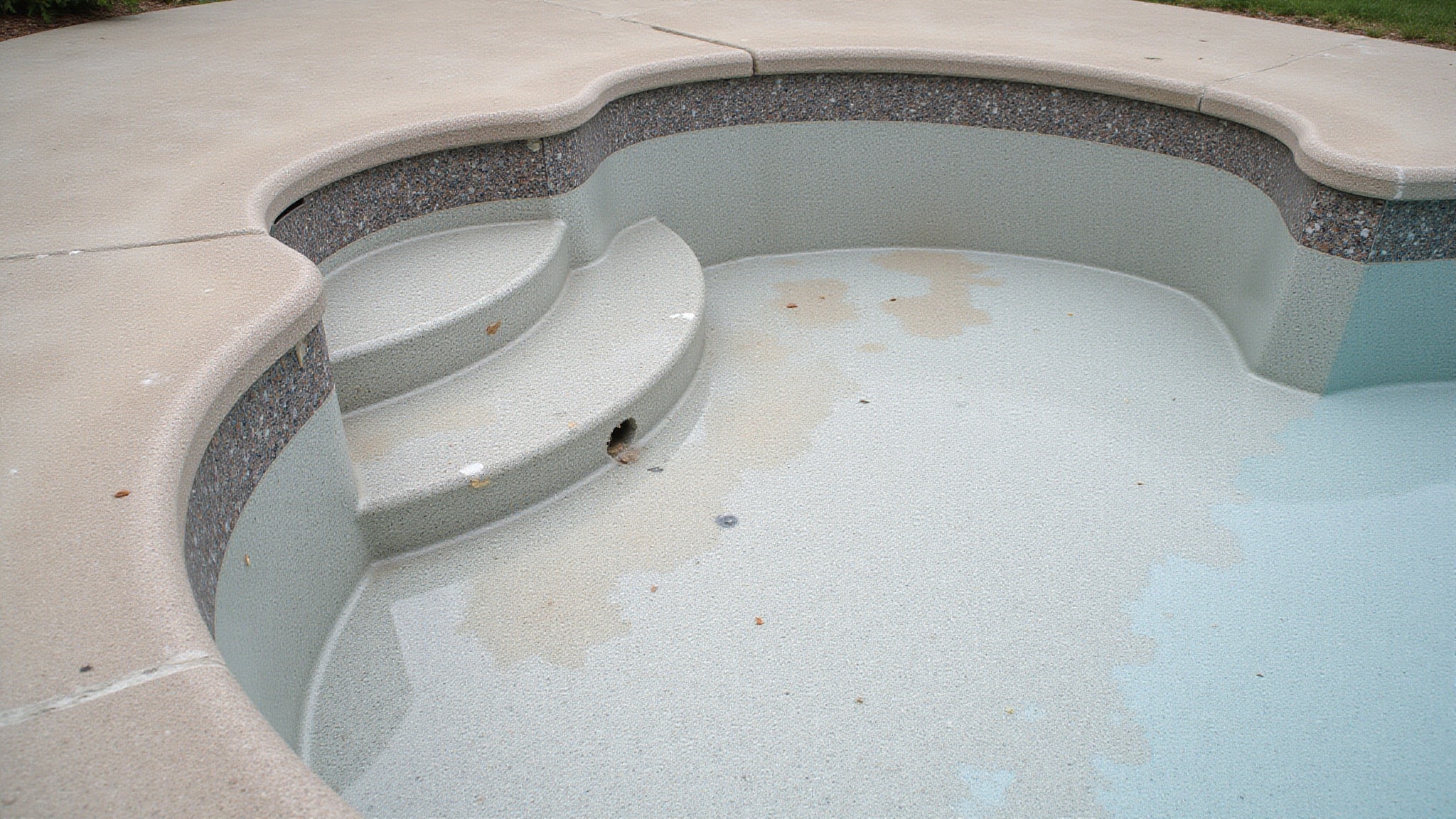
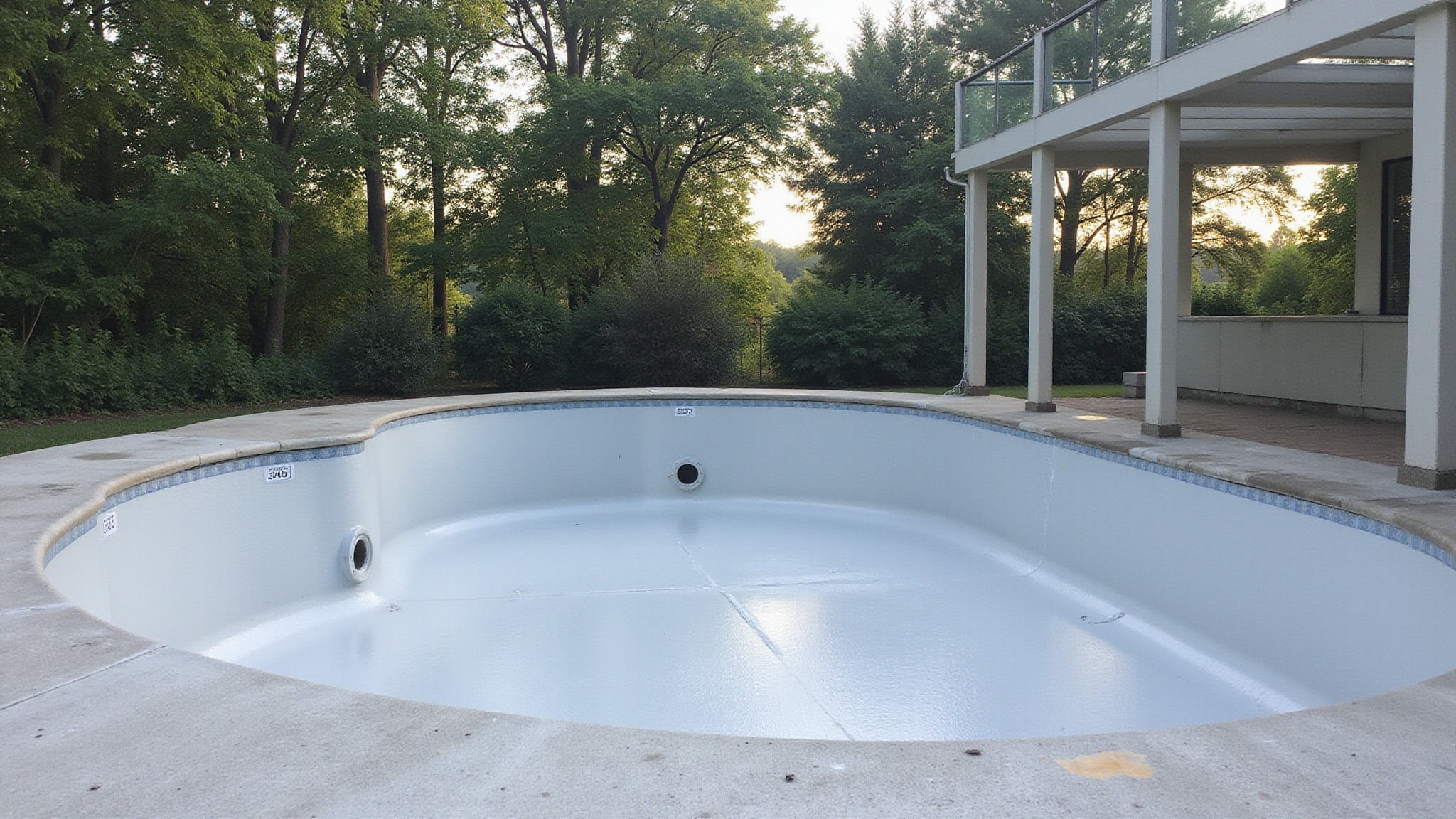
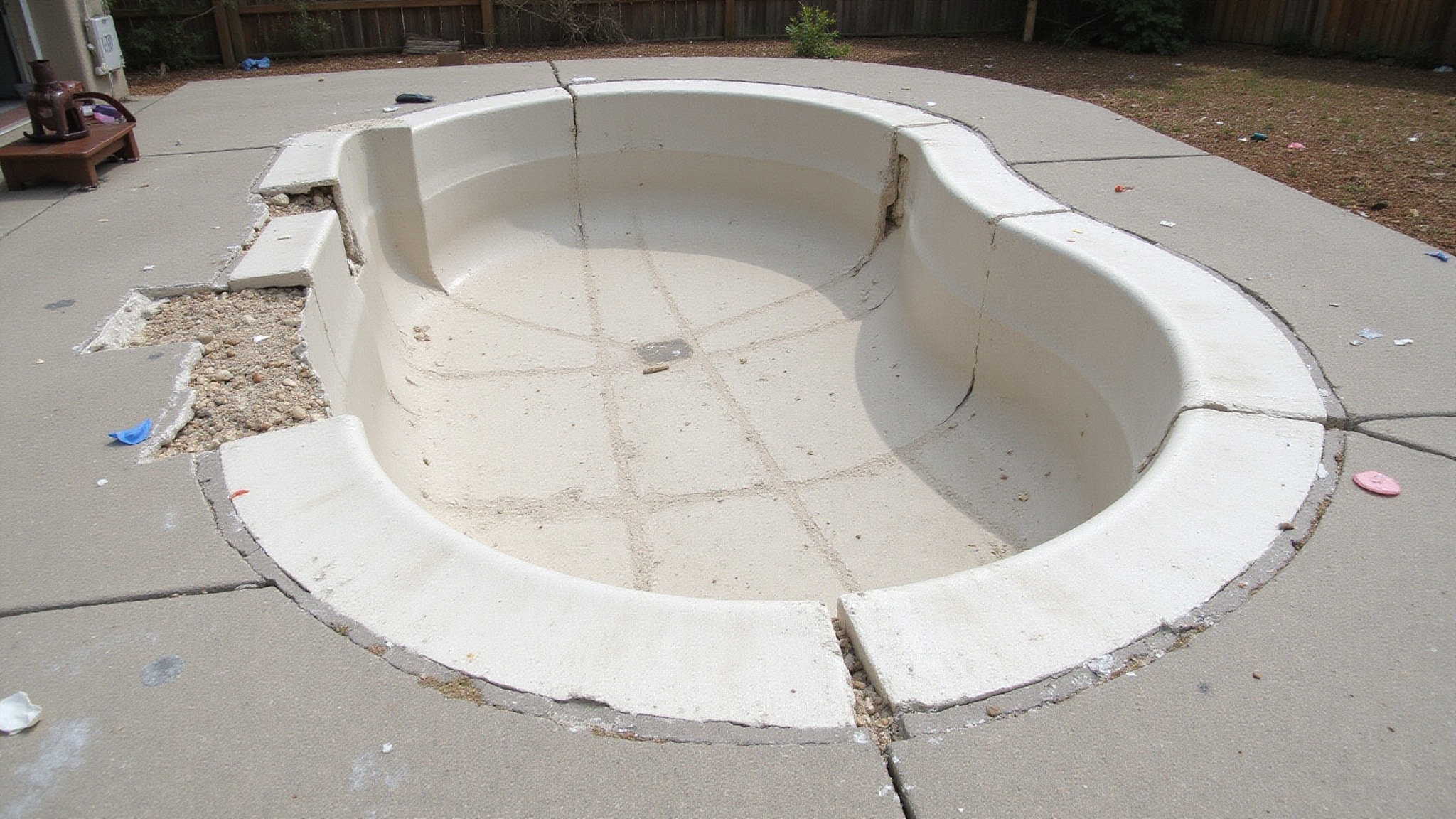
Installing your fiberglass pool involves seven critical phases executed in precise sequence. You’ll start with site assessment and permit acquisition, followed by excavation with advanced soil testing. Next comes professional shell delivery and positioning, then installation of plumbing and electrical systems. The process continues with specialized backfilling techniques, deck construction with proper drainage slopes, and concludes with thorough quality testing. Each phase demands meticulous attention to engineering specifications for ideal long-term performance.
Planning and Site Assessment

Three critical phases define successful fiberglass pool installation planning: regulatory compliance, site evaluation, and design optimization. During site evaluation, assess soil, drainage, and access before installing a fiberglass pool shell. Following local regulations and optimizing design ensures safety, functionality, and visual appeal.
Start by securing necessary permits and verifying zoning compliance while adhering to setback requirements from property lines and utilities. Your site evaluation must include soil stability testing, drainage analysis, and underground utility mapping to prevent costly complications during installation. Consider equipment access paths and guarantee adequate space for delivery vehicles and crane operations. A thorough layout marking ensures precise pool placement and proper dimensions during excavation. Discuss additional features like tanning ledges and built-in benches during initial planning to optimize the design for your needs. A pre-construction meeting with your builder is essential to establish clear communication and review project timelines.
For location optimization, analyze your yard’s layout to maximize available space while accounting for sunlight orientation and wind patterns. You’ll need to assess slope conditions and potential retaining wall requirements. Factor in privacy considerations and strategic equipment placement. Remember to evaluate water table levels and implement appropriate drainage solutions to protect your investment’s long-term stability.
Ground Preparation and Excavation
Before breaking ground for your fiberglass pool, you’ll need to analyze soil composition through core sampling and compaction tests to guarantee proper load-bearing capacity. You’ll want to establish precise pool boundaries using surveyor’s stakes and high-visibility marking paint, maintaining strict adherence to setback requirements and utility clearances. Maintaining proper site accessibility ensures construction equipment can safely reach and maneuver around the excavation area. The excavation depth must account for the pool shell’s height plus the required base material thickness, typically 4-6 inches of compacted gravel or crushed stone. After marking the area, ensure all utility lines are marked to prevent any accidental damage during the excavation process. Obtaining local permits from your municipality is essential before beginning any excavation work.
Soil Testing Methods
Proper soil testing methods invariably determine the success of a fiberglass pool installation. You’ll need thorough soil analysis through core sampling at multiple depths to evaluate composition and stability. Through penetration testing and laboratory evaluation, you’ll identify essential physical properties including density and moisture content. Fast installation times can only be achieved when proper soil testing is completed beforehand.
Your contractor should perform compaction testing across several locations within the designated pool site, as soil conditions can vary considerably. You’ll want to pay particular attention to the presence of expansive clays or sandy deposits, as these require specific mitigation strategies. Documentation of subsurface conditions through multi-depth testing will reveal potential instability issues that could affect your pool’s structural integrity. A proper gravel bed foundation must be installed to create optimal support for the fiberglass shell. The results will guide the selection of appropriate stabilization techniques and determine if additional reinforcement measures, such as geo-grid installation, are necessary. In clay-heavy soils, extensive drainage systems must be installed to prevent hydrostatic pressure buildup that could damage your fiberglass pool over time.
Layout Marking Techniques
Once soil testing validates your site’s suitability, accurate layout marking becomes the foundation for successful pool installation. You’ll need to implement precise marking techniques to guarantee your layout design matches the fiberglass shell’s specifications exactly.
Start by using the stake-and-string method to outline your pool’s perimeter, followed by spray paint application to create clear, visible boundaries. Your marking accuracy depends on careful template utilization that aligns with the manufacturer’s specifications. Double-check all measurements to confirm they match your design plans perfectly.
Before finalizing the layout, verify utility line locations through professional surveys and establish color-coded flags to mark underground infrastructure. This critical step prevents costly conflicts during excavation and guarantees your pool’s position won’t interfere with existing utilities beneath the surface.
Proper Depth Requirements
Achieving precise excavation depth stands as the cornerstone of fiberglass pool installation success. You’ll need to follow manufacturer-provided dig sheets meticulously, guaranteeing exact length, width, and depth specifications match your pool shell’s dimensions.
Your excavation techniques must account for the additional 2-4 inches of compacted gravel base while maintaining consistent depth throughout. You’ll want to perform regular spot-checks during digging, using depth measurement tools to verify adherence to specifications. Remember to over-excavate by 1-2 feet on all sides to accommodate plumbing and equipment installation.
For maximum stability, you’ll need to compact the gravel base in 2-inch layers, achieving a minimum 95% Proctor density. Use screed bars to maintain accurate slopes and guarantee proper drainage with a 1:12 ratio for accessibility compliance.
Pool Shell Delivery and Positioning
The successful delivery and positioning of a fiberglass pool shell requires precise coordination between transport logistics and on-site placement teams. You’ll need to verify that delivery vehicles can access your property and determine whether a crane or flatbed truck is appropriate for your shell’s dimensions. Before transport, protective coverings must be applied to prevent damage to your 10,000-30,000 pound investment. A proper crushed stone base must be laid and compacted before the shell arrives to ensure optimal stability. Attempting to handle this complex process yourself can lead to costly mistakes, making professional installation essential. With proper installation, your fiberglass pool can create a personal retreat that enhances your backyard’s appeal.
During placement, you’ll rely on specialized equipment including laser levels and pulley systems for precise shell alignment. Your installation team will use temporary blocks and survey stakes to achieve ideal positioning while monitoring the shell’s stability. Once placed, they’ll verify alignment through multi-level testing and GPS coordinate validation. The final step involves careful backfilling with pea gravel to guarantee even pressure distribution and long-term structural integrity.
Plumbing and Electrical System Installation

Installing your pool’s plumbing and electrical systems demands meticulous attention to technical specifications and safety protocols. The equipment pad serves as the central hub, housing your pump, filter, heater, and electrical connections for peak system integration. This process typically takes 1 to 3 days to complete. Professional installers ensure proper excavation depth before laying any plumbing lines.
Plumbing integration begins with pre-running lines during the backfill phase, connecting water features and circulation components. You’ll need proper routing for jets, water sheers, and other aesthetic elements. The system’s functionality relies on strategic placement of filtration equipment and careful connection of all plumbing components. Authorized contractors undergo specialized training to ensure expert installation.
Electrical safety remains paramount throughout installation. Your lighting systems and equipment power supplies must meet local codes and undergo thorough inspections. The process includes proper bonding and separate circuit installation where required. Final testing guarantees all systems operate efficiently while maintaining safety standards.
Backfilling and Soil Stabilization
Proper backfilling and soil stabilization represent critical phases that determine your fiberglass pool’s long-term structural integrity. You’ll need to select either sand or ½” gravel as your primary backfill material, guaranteeing a minimum 6″ base layer beneath your pool’s radius.
Your contractor will implement specialized backfill techniques, alternating 6″ layers of material with water to maintain pressure equilibrium. While fiberglass pools adapt to various soil types, including clay and rock, you’ll need proper drainage solutions to prevent waterlogging. A professional crane operator carefully positions the shell into the excavated space before backfilling begins. The installation process requires precise coordination: your shell is placed, leveled, and systematically surrounded with backfill while water levels rise incrementally.
During this phase, you’ll also see the integration of plumbing systems and ongoing pressure testing to guarantee structural stability. Post-installation monitoring helps detect any settlement issues requiring adjustment.
Deck Construction and Coping Installation

When selecting your pool’s coping materials, you’ll need to take into account options like pavers, natural stone, or precast concrete that offer both durability and aesthetic integration with your planned deck design. Your deck construction requires careful material selection between concrete, pavers, or natural stone options, with each offering distinct advantages regarding maintenance, longevity, and installation complexity. You’ll want to make certain your chosen materials feature slip-resistant surfaces and proper thickness specifications to meet load-bearing requirements while maintaining safety standards around the pool perimeter.
Coping Material Selection Options
Four primary coping materials stand out for fiberglass pool installations: concrete, natural stone pavers, tile, and cantilevered concrete designs. Each option offers distinct advantages in material durability and aesthetic appeal for your pool’s finishing touch.
Concrete coping provides versatility and salt resistance when properly treated, while natural stone pavers deliver premium slip resistance with luxurious textures. You’ll find tile coping excels in modern designs, offering customizable patterns. Cantilevered concrete creates a seamless changeover between your pool and deck.
When selecting your coping material, you’ll need to evaluate your pool’s shape, surrounding hardscape, and environmental conditions. Choose salt-resistant options for coastal locations, and verify your selection complements your pool shell’s color and texture while providing essential moisture barriers and rounded edges for safety.
Deck Pour and Finish
The success of your fiberglass pool installation hinges critically on precise deck construction and finishing techniques. Your deck’s foundation begins with meticulous base preparation, including proper excavation and form setting. You’ll need to guarantee a 1-2% slope away from the pool for ideal drainage while maintaining structural integrity.
During the pour, you’ll have options for customizing deck aesthetics through various finishing techniques, from brushed concrete to stamped patterns. Feature integration, such as built-in spas or fire pits, must be planned before the pour to accommodate necessary plumbing and electrical connections. After installation, your deck requires a 7-14 day curing period, followed by sealing with UV-resistant coatings. Professional contractors will conduct final inspections to verify proper settling and address any surface imperfections before you can enjoy your completed pool area.
Final Testing and Quality Assurance
Proper testing and quality assurance protocols guarantee your fiberglass pool meets industry standards and functions at its best after installation. Your pool installation team will conduct thorough quality checks, including leak detection and system verification across multiple critical areas.
- Equipment testing focuses on pressure-testing plumbing lines, verifying pump performance, and confirming proper heater operation while monitoring circulation patterns for ideal flow distribution.
- Chemical balance requirements involve adjusting pH levels (7.2-7.8), chlorine (1-3 ppm), and alkalinity (80-120 ppm) to establish a stable aquatic environment that protects your investment.
- Safety protocols include GFCI protection verification, equipment grounding checks, and compliance with electrical codes, ensuring your pool meets all required safety standards.
You’ll receive detailed operational training and maintenance guidelines before the final handover, completing your pool’s installation process.
Frequently Asked Questions
How Long Can I Expect My Fiberglass Pool to Last?
Your fiberglass pool’s lifespan typically ranges from 25-30 years, but you can extend it to 50+ years with proper care. Key lifespan factors include installation quality, climate conditions, and maintenance practices. To maximize longevity, you’ll need to follow essential maintenance tips: regular sanitization, prompt surface repairs, and proper winterization. You’ll find that fiberglass pools offer superior durability compared to vinyl or concrete alternatives, requiring less intensive upkeep over their lifetime.
Can Fiberglass Pools Be Installed in Cold Climates?
Yes, you can definitely install fiberglass pools in cold climates. Their natural fiberglass insulation properties make them particularly well-suited for colder regions. You’ll benefit from superior heat retention, reducing your heating costs throughout the season. The material’s flexibility allows it to handle freeze-thaw cycles without cracking, though you’ll need to follow proper winter maintenance procedures, including thorough winterization. The non-porous surface prevents water penetration during freezing conditions, ensuring long-term durability.
What Happens if Tree Roots Grow Near My Pool?
Tree root damage can seriously impact your pool’s integrity and increase pool maintenance needs. If roots grow within 20 feet of your pool, they’ll potentially compromise underground plumbing, shift your pool’s foundation, or damage structural components. You’ll need to monitor root development regularly and consider installing root barriers during pool construction. For existing pools, you should remove problematic trees and roots promptly to prevent costly structural issues and maintain your pool’s longevity.
Will the Pool Color Fade Over Time From Sun Exposure?
Yes, your fiberglass pool’s color will gradually fade from UV exposure, but you can substantially slow this process with proper pool maintenance. UV rays break down the gel coat’s chemical bonds, affecting color retention over time. To minimize fading, you’ll need to maintain balanced water chemistry, use pool covers when possible, and avoid harsh cleaning tools. Regular professional treatments and protective sealants can help preserve your pool’s original color and appearance.
Can I Convert My Fiberglass Pool to Saltwater Later?
Yes, you can convert your fiberglass pool to saltwater at any time. Your fiberglass pool’s non-porous surface is actually ideal for saltwater conversion, as it won’t degrade or corrode. The conversion process takes about two weeks and requires installing a salt chlorine generator, making plumbing adjustments, and adding pool-grade salt. You’ll enjoy significant saltwater benefits, including softer water, less eye irritation, and reduced maintenance costs compared to traditional chlorine systems.