
To properly fix fiberglass pool damage, you’ll need to first assess the type and extent of damage through careful inspection. Drain the pool 6+ inches below the damaged area, then thoroughly clean and sand the surface. Apply bond coat, polyester resin with correct catalyst ratios, and finish with gel coat and fiberglass cloth using a ribbed roller. Allow 24-48 hours for curing before water exposure. Major cracks over 6 inches require professional expertise learn the key indicators that distinguish DIY repairs from contractor-level work.
Assessing and Preparing for Pool Repairs

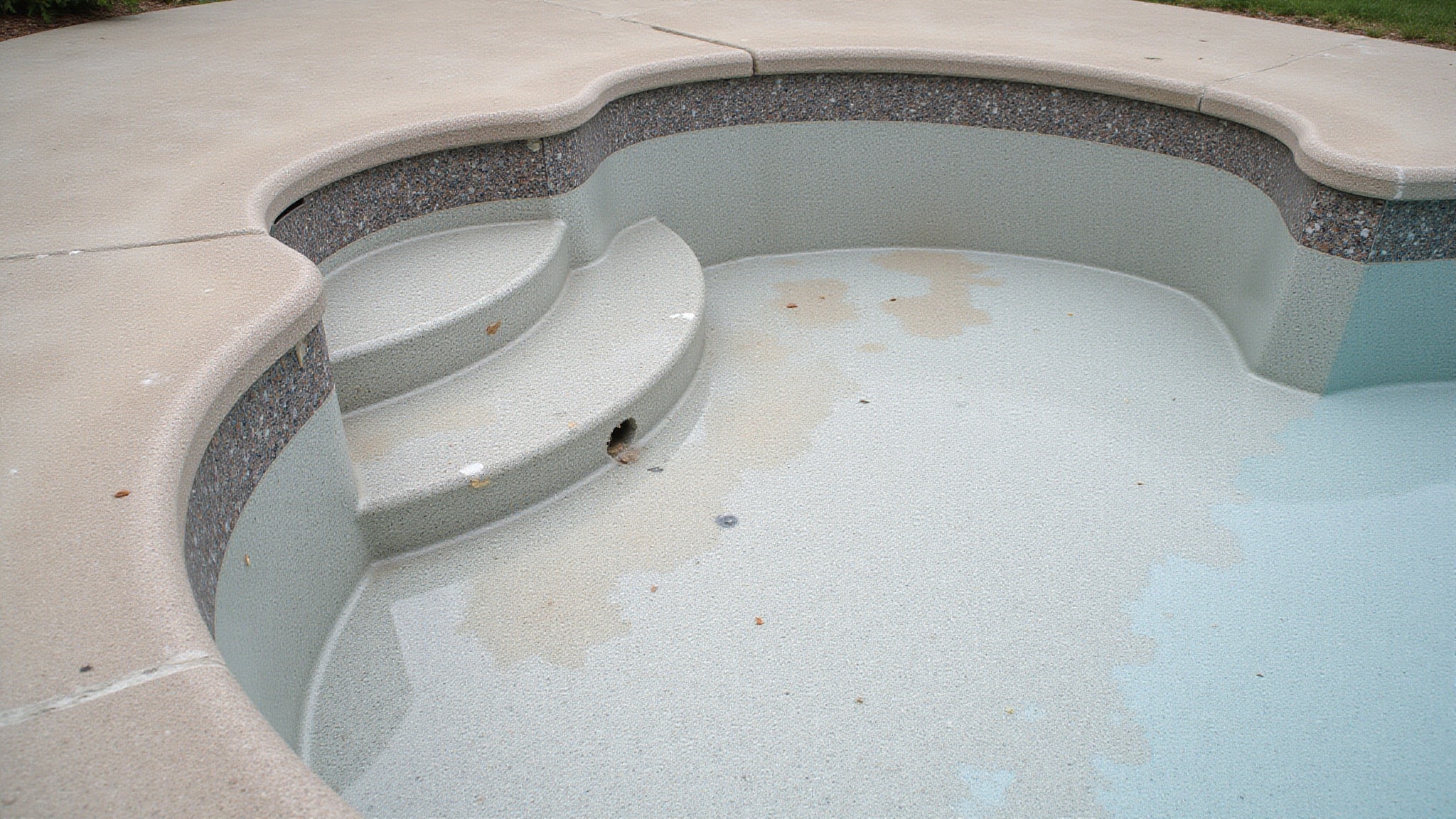
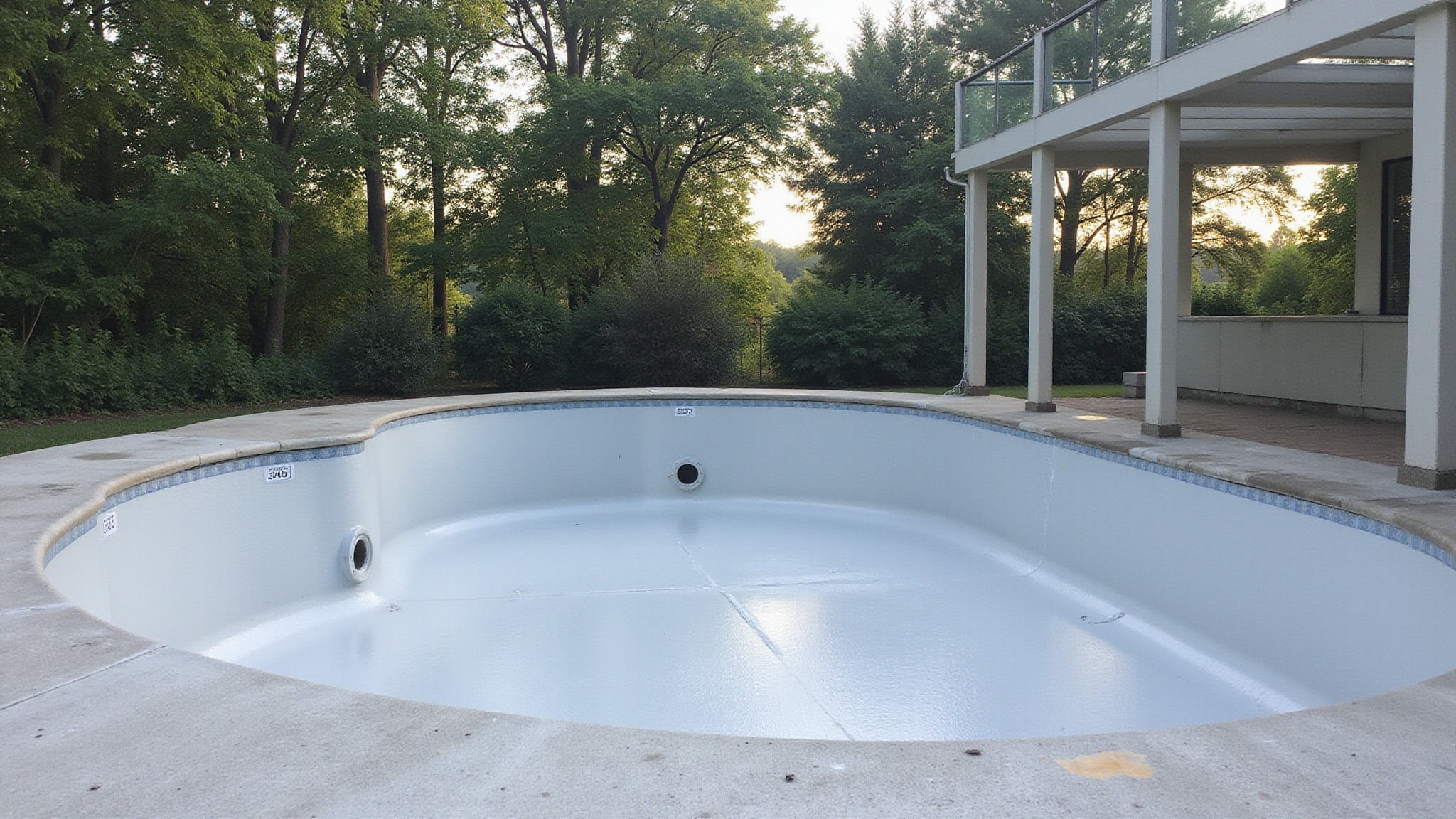
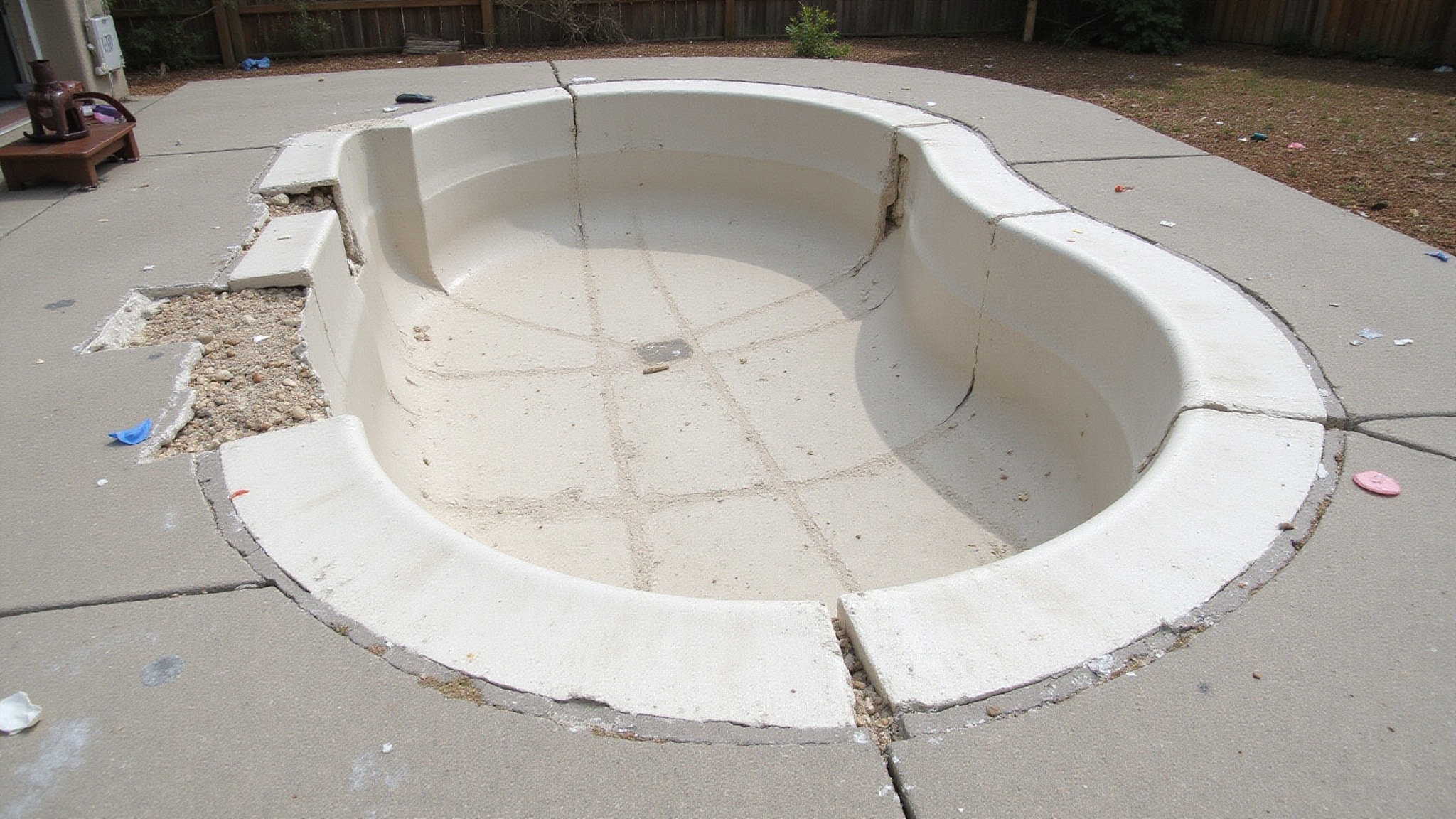
Before undertaking any fiberglass pool repairs, a thorough assessment of the damage is essential to determine the scope and complexity of the work required. You’ll need to identify key damage indicators through systematic inspection techniques, starting with a visual examination for cracks, chips, and blisters in high-stress areas like steps and corners. A complete drainage may be necessary for major structural repairs.
Document all findings with detailed photographs and map the affected zones, paying special attention to structural weak points around pumps and fittings. You’ll need to be particularly vigilant for bulging walls that could indicate serious groundwater pressure issues. You’ll want to distinguish between surface scratches and deeper structural cracks by analyzing their length, depth, and pattern. Since gel coat damage is typically cosmetic in nature, it can often be repaired by homeowners with proper tools and materials. For safety and accuracy, ascertain proper ventilation and wear protective gear during your assessment. If you discover major cracks or delamination, don’t proceed without professional consultation to evaluate the structural integrity.
Essential Tools and Materials for the Job
Successfully repairing a fiberglass pool requires three key categories of equipment: repair materials, application tools, and safety gear. Your tool selection must include fiberglass resin with hardener, cloth patches, and gel coat for structural repairs. You’ll need both epoxy and polyester fillers to address minor imperfections. Marine supply kits can provide everything needed for comprehensive repairs in one convenient package. Proper water chemistry helps prevent future repairs after completion. A thorough cleaning and preparation with an electric disc sander is essential before starting any repair work.
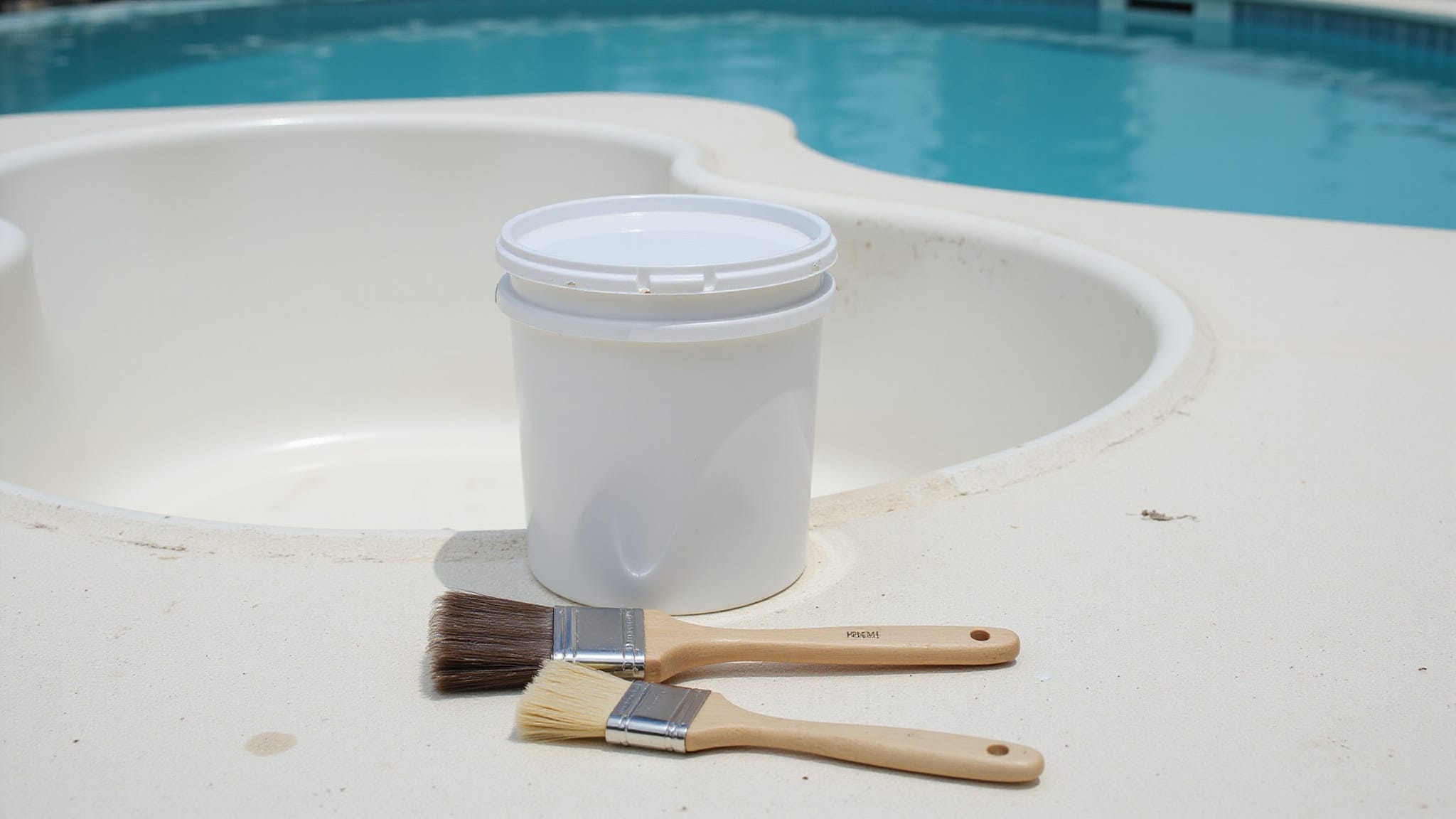
For proper application, equip yourself with paintbrushes, putty knives, and plastic spreaders to guarantee even material distribution. Don’t forget essential sanding tools, including an electric disc grinder and various grits of sandpaper ranging from 80 to 220+. Safety should never be compromised use chemical-resistant gloves, goggles, and appropriate respirators when working with repair materials. Additional support items like acetone for cleaning, masking tape for boundaries, and proper ventilation equipment will guarantee your repair project’s success.
Step-by-Step Repair Process

Proper fiberglass pool repair follows five critical phases that must be executed in sequence. Your success depends on thorough crack assessment and precise repair techniques at each stage. Begin by draining the pool 6+ inches below the damage, then carefully prepare the surface through sanding and cleaning. Apply the bond coat only after confirming the surface is completely dry and properly masked. Electric disk sanders provide superior surface preparation compared to manual sanding methods. Spider cracks frequently appear in a web-like pattern and require special attention during inspection. Regular maintenance and water testing helps prevent serious structural issues through early detection of potential problems.
| Phase | Key Action | Critical Check |
|---|---|---|
| 1 | Drain & Inspect | Crack depth/spread |
| 2 | Surface Prep | Complete dryness |
| 3 | Bond Application | Proper tackiness |
Follow with polyester resin application, ensuring proper catalyst ratios for ideal curing. Complete the repair by applying gel coat and fiberglass cloth, using a ribbed roller to eliminate air pockets. Each phase requires meticulous attention to detail and proper curing time between steps for structural integrity.
Curing and Quality Control
While the repair materials bond to create a lasting fix, maintaining strict control over curing conditions and quality checkpoints becomes essential. You’ll need to allow 24-48 hours for proper curing before water exposure, adjusting this time based on temperature and humidity levels. During the curing process, implement systematic quality inspections to detect potential issues. Using marine-grade polyurethane sealant provides crucial waterproofing protection for long-term durability. Monitor for bubbles in the gel coat, check for crack re-emergence, and verify smooth shifts between old and new surfaces. You’ll want to perform tactile smoothness tests and visual alignment checks to guarantee proper blending. Once cured, conduct pressure testing during refilling to validate the repair’s integrity. Don’t rush the curing process proper technique and patience here will determine the longevity of your repair and prevent future complications.
When to Call Professional Help

Although many minor fiberglass pool repairs can be handled as DIY projects, certain damage scenarios require immediate professional intervention. Regular gel coat inspections help identify potential issues before they become severe problems. Maintaining proper chemical balance helps prevent damage to the gel coat surface. When you notice these critical signs needing help, don’t hesitate to contact certified experts who specialize in fiberglass pool restoration. Pool repairs can be especially challenging when original installers defunct, making warranty claims impossible.
| Damage Type | When to Call Professionals |
|---|---|
| Shell Cracks | Spans > 6 inches or leaking |
| Water Leaks | Behind jets, recurring issues |
| Ground Issues | Soil settling, shell distortion |
| Surface Problems | Osmotic blisters, delamination |
| Structural Changes | Bulges, pressure imbalances |
When choosing professionals, verify their experience with fiberglass pools specifically. Look for contractors who understand gel-coat applications, osmotic blister treatments, and structural reinforcement techniques. Remember that attempting complex repairs without proper expertise can void warranties and potentially worsen existing damage, leading to more costly fixes later.
Frequently Asked Questions
Can I Repair My Fiberglass Pool During Winter Months?
You can repair your fiberglass pool during winter months, but you’ll face significant challenges. Winter repair techniques require careful attention to temperature considerations, as cold weather extends cure times and complicates material application. You’ll need to maintain temperatures above freezing during repairs, which may require temporary heating solutions. For best results, you should work with certified professionals who understand cold-weather repair protocols and proper material handling.
How Long Will a Properly Done DIY Fiberglass Pool Repair Typically Last?
With proper technique and materials, you can expect your DIY fiberglass pool repair to last 5-10 years. To maximize repair longevity, you’ll need to use marine-grade materials, maintain proper chemical balance (pH 7.2-7.8), and avoid abrasive cleaning methods. It’s essential that you follow recommended curing times (24-48 hours) and apply multiple layers. Don’t forget to protect your repair with UV-resistant gel coat reapplication every 3-5 years.
Will Chlorine Levels Affect the Durability of Pool Repairs?
Yes, chlorine levels greatly impact your pool repair durability. High chlorine exposure can accelerate the deterioration of repair materials, especially in fiberglass pools. You’ll want to maintain chlorine between 1-3 ppm to protect repairs. Excessive levels will weaken adhesion, compromise sealants, and potentially cause repair failure. It’s critical that you regularly test and balance your pool chemistry, as unstable chlorine levels can reduce your repair’s lifespan by up to 50%.
Can I Paint Over Repaired Areas Instead of Using Gel Coat?
While you can technically use paint over repaired areas, it’s not recommended due to significant performance limitations. Various paint types won’t chemically bond with the fiberglass substrate like gel coat does, leading to potential delamination and premature failure. Standard repair techniques using paint require frequent touch-ups every 3-5 years, whereas gel coat repairs last 10-15 years. You’ll also risk voiding your pool’s warranty by choosing paint over manufacturer-specified gel coat.
What’s the Maximum Size Crack I Can Safely Repair Myself?
You can safely repair cracks up to 1/8 inch wide on your own, but only if they’re surface-level and isolated. However, if you’re noticing cracks wider than 1/4 inch, deeper penetration, or multiple crack types connecting to each other, don’t attempt DIY repair techniques. Structural integrity becomes a serious concern beyond these thresholds. Location matters too – you shouldn’t tackle cracks in load-bearing areas like pool floors or corners without professional expertise.