

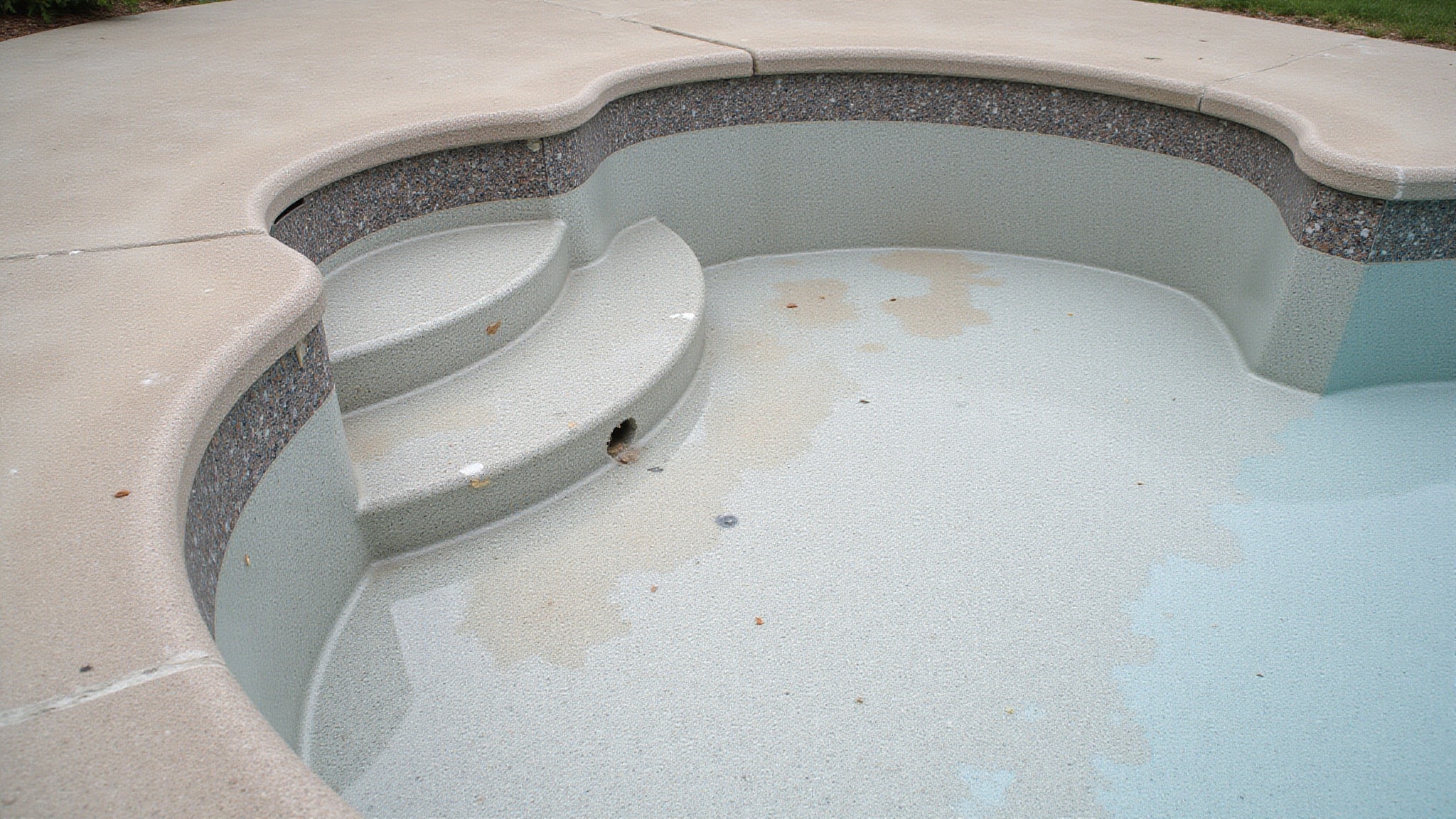
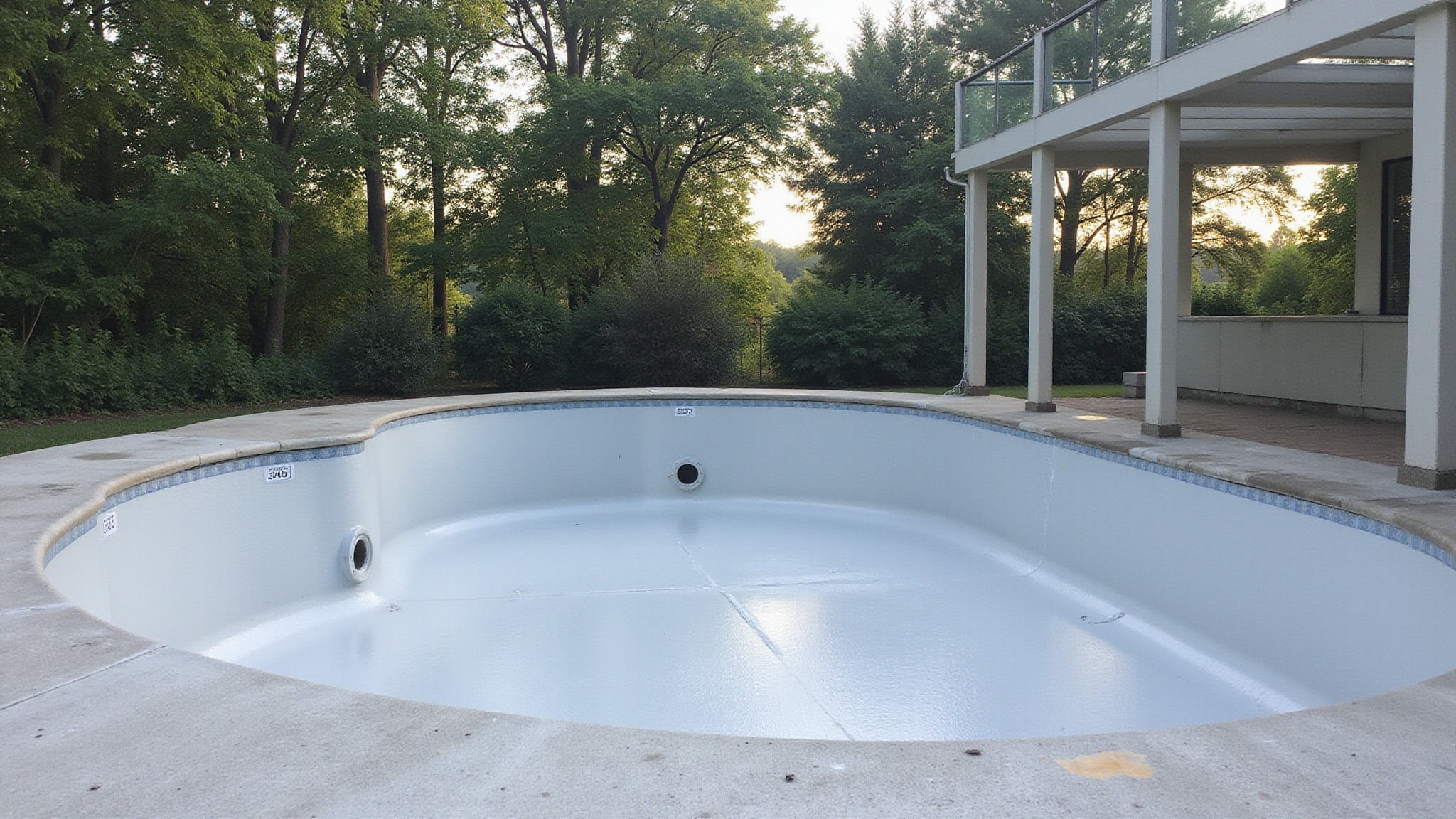
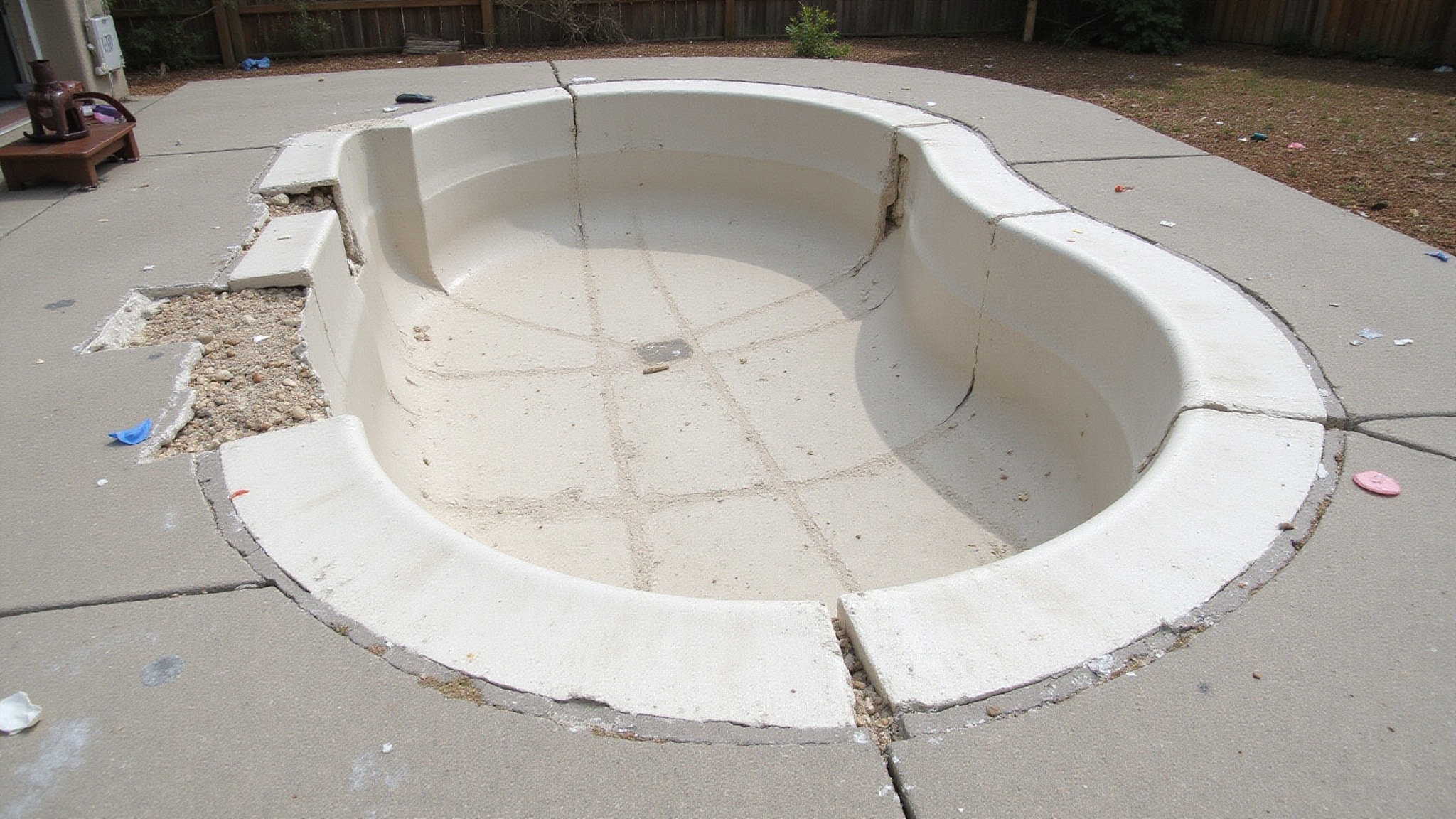
Your fiberglass pool’s exceptional resilience in cold weather stems from its advanced composite structure and superior thermal properties. You’ll benefit from its natural flexibility during freeze-thaw cycles, while the non-porous surface prevents moisture penetration and ice damage. With proper winterization, including lowering water levels and maintaining chemical balance, your pool can withstand temperatures well below freezing. The one-piece shell design and crushed stone drainage system work together to protect your investment – and that’s just scratching the surface of its cold-weather capabilities.
The Science Behind Fiberglass Pool Durability in Winter

While traditional pool materials often struggle in freezing temperatures, fiberglass pools demonstrate remarkable resilience due to their unique structural properties. The material’s superior thermal properties minimize expansion and contraction during temperature swings, preventing the structural stress that typically leads to cracks in concrete pools. Maintaining proper water balance helps preserve the pool’s structural integrity throughout winter conditions. Modern fiberglass pools utilize inert materials that prevent chemical reactions with pool treatments.
You’ll find that fiberglass’s exceptional chemical resistance plays an essential role in winter durability, as it withstands repeated exposure to winter treatment chemicals and algaecides without degradation. The material’s impressive strength-to-weight ratio enables it to handle ice pressure and frost heave effectively, while its inherent flexibility allows it to absorb ground movement without compromising structural integrity. The robust performance of fiberglass pools in Canadian climate testing has validated their cold-weather durability. These scientific advantages explain why you won’t experience the common winter-related issues that plague concrete and vinyl pools, such as brittle fractures or material breakdown.
Understanding Freeze-Thaw Cycles and Their Impact
Your fiberglass pool’s ability to flex with ground movement during freeze-thaw cycles makes it considerably more resilient than concrete pools, which can crack under the same conditions. The pool’s composite structure provides natural insulation that helps prevent ice damage and reduces the likelihood of structural stress from frozen ground expansion. You’ll find that this inherent flexibility, combined with proper installation techniques like adequate drainage and strategic backfilling, creates a highly durable winter-resistant system that maintains its integrity season after season. Working with experienced pool contractors is essential to ensure proper installation techniques are followed for optimal freeze-thaw performance. The chemical inert properties of fiberglass pools prevent any adverse reactions with winter chemicals and cleaning solutions used during cold weather maintenance. The seamless shell design of fiberglass pools eliminates potential weak points where water could penetrate and cause damage during freezing conditions.
Ground Movement and Expansion
The freeze-thaw cycle poses one of the most significant challenges for fiberglass pool installations in cold climates. As soil temperatures drop below freezing, water trapped in the ground expands by approximately 9%, creating upward pressure known as frost heave. This ground movement can severely impact pool structures if not properly managed.
You’ll find that fiberglass pools handle these expansion effects remarkably well due to their flexible nature and low thermal expansion coefficient. Unlike concrete pools that crack under pressure or vinyl liners that risk floating, fiberglass shells move with the soil, absorbing minor ground shifts without structural damage. Their natural insulation properties help maintain consistent temperatures throughout winter, making them particularly effective at withstanding seasonal changes. The key lies in proper installation techniques a well-compacted stone backfill, effective drainage systems, and correct pool placement relative to water tables all work together to minimize the impact of freeze-thaw cycles on your pool.
Insulation Prevents Ice Damage
Since proper insulation plays a critical role in protecting fiberglass pools from ice damage, understanding how to leverage the material’s natural properties becomes essential for cold-weather performance. You’ll benefit from fiberglass’s built-in insulation techniques that work alongside its non-porous gelcoat surface for superior ice prevention. The strong yet flexible structure of fiberglass pools makes them particularly suited for Pennsylvania’s extreme temperature swings.
| Protection Layer | Function | Benefit |
|---|---|---|
| Gelcoat Surface | Moisture Barrier | Blocks Ice Formation |
| Fiberglass Body | Thermal Buffer | Reduces Heat Loss |
| Stone Backfill | Drainage Control | Prevents Ice Buildup |
The material’s flexibility allows it to expand and contract without cracking during freeze-thaw cycles, while its uniform composition eliminates weak points where ice damage typically occurs. When you combine these properties with proper winterization practices, like maintaining appropriate water levels and using winter covers, you’ll maximize your pool’s cold-weather durability.
Shell Flexibility Benefits
When temperatures fluctuate between freezing and thawing, fiberglass pool shells demonstrate remarkable resilience due to their engineered flexibility. Your pool’s composite structure, combining resin and fiberglass strands, naturally adapts to ground movement and temperature changes while maintaining its original pool shape.
Unlike concrete pools that crack or vinyl liners that tear, your fiberglass shell’s lower thermal expansion rate (0.01-0.02% per 100°F) helps it withstand winter’s challenges. Proper installation techniques are essential experienced contractors use specific stone backfill methods and drainage systems to maximize the shell’s natural flexibility. They’ll avoid overpacking during installation, allowing the structure to respond effectively to freeze-thaw cycles.
This inherent adaptability, combined with correct installation, guarantees your fiberglass pool maintains its structural integrity throughout harsh winters without requiring extensive repairs.
Structural Advantages Over Traditional Pool Materials
When you’re comparing pool materials for cold climates, fiberglass offers distinct structural advantages through its superior impact resistance and flexible composition. You’ll find that fiberglass pools handle temperature fluctuations more effectively than concrete or vinyl, thanks to their ability to flex without cracking or compromising structural integrity. The material’s inherent strength-to-weight ratio allows it to withstand ice formation and ground pressure while maintaining its shape throughout freeze-thaw cycles. The dielectric nature of fiberglass ensures it remains structurally sound even when exposed to harsh winter conditions. Despite common misconceptions, fiberglass pools thrive in cold regions like Canada, where they have become increasingly popular for their durability and performance. The pool’s encasement in crushed stone drainage provides essential protection against frost heave during winter months.
Superior Impact Resistance
The robust composition of fiberglass pools delivers exceptional impact resistance through its unique combination of resin and glass fiber construction. This advanced material system creates a shell that’s remarkably durable in extreme weather conditions, with impact resistance capabilities up to 10,000 PSI. The non-porous surface provides an additional barrier against weather-related deterioration, helping prevent structural weakening over time.
Your fiberglass pool’s weather durability stems from several key structural advantages:
- One-piece shell design eliminates vulnerable joints that typically fail under ice pressure
- High tensile strength allows the surface to flex and absorb expansion forces without cracking
- UV-resistant finish maintains structural integrity despite harsh winter exposure
- Even stress distribution prevents localized pressure points that could compromise the shell
Unlike concrete or vinyl alternatives, fiberglass pools redistribute impact forces across their entire surface, considerably reducing the risk of structural damage during freeze-thaw cycles. The advanced manufacturing techniques used in modern fiberglass pool construction further enhance their ability to withstand severe weather conditions. In freezing conditions, the superior tensile strength of fiberglass pools enables them to flex without damage as expanding ice moves upward rather than against the pool walls.
Flexible Material Performance
Building upon the impact resistance advantages, fiberglass pools showcase remarkable material flexibility that sets them apart from traditional concrete and vinyl options. In a performance comparison, fiberglass’s natural elasticity allows your pool to flex slightly with ground movement while maintaining structural integrity during freeze-thaw cycles. The high-quality construction delivers superior craftsmanship that enhances its cold-weather durability.
The material resilience of fiberglass means you’ll experience fewer winter-related issues compared to rigid concrete or vulnerable vinyl liners. Your pool’s lightweight yet strong shell effectively handles soil pressure changes and frost heave without cracking or deforming. Similar to how security services protect websites, the flexible properties of fiberglass create an excellent system for cold climate performance. When combined with a crushed stone installation, the flexible properties of fiberglass create an excellent system for cold climate performance. You won’t need to drain the pool annually, and the structure remains stable even through extreme temperature fluctuations.
Temperature Fluctuation Protection
Through advanced material engineering, fiberglass pools provide superior temperature fluctuation protection that greatly outperforms traditional concrete and vinyl installations. When evaluating thermal performance metrics, you’ll find that fiberglass’s unique molecular structure delivers exceptional temperature regulation techniques that prevent structural damage.
- Non-porous gel coating creates a protective barrier that minimizes thermal stress and prevents water absorption during freeze-thaw cycles
- One-piece seamless construction eliminates vulnerable joints that typically fail under temperature extremes
- Low thermal coefficient guarantees minimal expansion and contraction, reducing structural strain
- Flexible composition allows the shell to adapt to ground movement without compromising integrity
These features combine to create a pool that maintains its structural integrity despite dramatic temperature swings, offering you reliable performance in any climate while minimizing maintenance requirements.
Winter Maintenance and Protection Strategies
Successful winter maintenance of fiberglass pools requires a thorough strategy focused on protection and preservation. You’ll need to implement extensive cover maintenance procedures and maintain proper chemical balance throughout the cold season. Start by securing a properly fitted winter cover and regularly inspect it for damage or debris accumulation.
| Task | Frequency |
|---|---|
| Chemical Testing | Monthly |
| Cover Inspection | Weekly |
| Debris Removal | As Needed |
Your maintenance routine should include draining equipment lines, adding appropriate winterizing chemicals, and monitoring water levels. Don’t forget to blow out excess water from pipes and consider using antifreeze when recommended. Keep the water chemistry balanced by regularly testing pH, alkalinity, and calcium hardness levels. For ideal protection, invest in an automatic cover system that provides consistent coverage and reduces manual maintenance requirements.
Energy Conservation Benefits During Cold Months

Fiberglass pools offer remarkable energy conservation advantages during cold months, primarily due to their superior heat retention properties and structural efficiency. The non-porous gelcoat surface and inherent insulation characteristics create ideal thermal dynamics that greatly reduce heating costs and energy consumption.
- The pool’s molecular structure and density provide natural insulation against cold temperatures, minimizing heat loss through the shell
- Energy efficiency is enhanced by the smooth surface, which reduces pump friction and operational power requirements
- The material’s high strength-to-weight ratio and crack-resistant properties prevent thermal leaks and maintain consistent temperatures
- Improved heat retention capabilities decrease the frequency of heating cycles, resulting in considerable energy savings
These thermal performance benefits make fiberglass pools particularly cost-effective in colder climates, where maintaining comfortable water temperatures is essential for extended swimming seasons.
Debunking Cold Weather Performance Myths
Despite widespread misconceptions about fiberglass pools in cold climates, real-world evidence and engineering data tell a different story. Common fiberglass myths about cold-weather performance have been consistently disproven through successful installations across northern regions.
You’ll find that winter misconceptions about structural integrity don’t match reality. Fiberglass pools don’t crack during freeze-thaw cycles when properly installed, and they actually outperform concrete in handling thermal stress. The material maintains its strength in extreme temperatures, as demonstrated by countless installations in harsh Canadian winters.
Don’t let outdated beliefs about special winterization requirements discourage you. These pools use standard winterizing techniques and have proven their durability in snowy, icy conditions. With proper installation and maintenance, your fiberglass pool will handle winter’s challenges as effectively as any other pool type.
Preventing Ice Damage and Surface Protection

When winter approaches, protecting your fiberglass pool from ice damage requires a systematic approach focused on structural preservation and surface protection. While fiberglass pools offer inherent cold-weather advantages, proper ice formation prevention starts with strategic water level management and thorough system drainage.
To maintain your pool’s integrity through winter months:
- Lower water levels below the skimmer opening and install anti-ice devices to manage expansion pressure
- Blow out all plumbing lines with compressed air and apply pool-grade antifreeze in undrainable sections
- Install a reinforced winter cover with proper tensioning to prevent wind uplift and debris intrusion
- Perform thorough cover maintenance checks, ensuring UV-resistant material remains intact and properly sealed
Regular monitoring of these protective measures helps prevent costly repairs and guarantees your fiberglass pool emerges from winter undamaged.
Long-Term Cost Benefits in Cold Climates
Beyond winter protection measures, the long-term financial advantages of fiberglass pools become evident in cold-climate installations. You’ll experience substantial long-term savings through reduced maintenance costs, averaging just $375 annually compared to traditional pool types. The pool’s natural insulation properties cut heating expenses and extend your swimming season without additional energy costs.
In cold climates, fiberglass pools’ freeze-thaw resistance prevents costly structural damage that often plagues concrete pools. You won’t need frequent resurfacing or repairs, as the non-porous gel coat finish maintains its integrity through temperature fluctuations. The cumulative cost benefit reaches approximately $4,000 over ten years, factoring in lower chemical usage, minimal maintenance requirements, and superior durability. With lifespans of 25-50 years and extensive warranty coverage, your investment remains protected against cold-weather challenges.
Essential Winterization Steps and Timing
As temperatures begin dropping below 65°F, you’ll need to implement a strategic winterization timeline for your fiberglass pool to prevent costly damage. Start by removing all pool accessories and thoroughly cleaning the surfaces to prevent algae formation during winter months.
Your essential winterization checklist should include:
- Lowering water levels below skimmer openings while maintaining 6-12″ depth
- Balancing water chemistry with proper pH (7.2-7.6) and adding winterizing chemicals
- Draining and storing equipment in dry locations after blowing out water lines
- Installing a secure winter cover with water tubes for weight distribution
Don’t wait until freezing temperatures arrive, proactive winterization protects your investment. Remember to monitor your winter cover throughout the season for debris accumulation and potential breaches that could compromise your pool’s protection.
Frequently Asked Questions
Can I Install a Heater in My Fiberglass Pool After Construction?
Yes, you can add a heater to your fiberglass pool after construction. You’ll have flexible pool heater options that don’t require initial structural modifications. However, you’ll need to take into account installation considerations like retrofitting plumbing lines, preparing an equipment pad, and guaranteeing proper electrical connections. While post-construction installation may cost more than initial setup, it’s completely feasible with professional help to guarantee proper integration with your existing system.
What Happens if My Pool’s Water Pump Fails During Freezing Temperatures?
If your pool’s water pump fails during freezing temperatures, you’ll face serious risks of freeze damage throughout your system. Your pipes can crack, equipment can freeze, and ice blockages will form rapidly. You’ll need to immediately restart circulation or drain vulnerable components. To prevent this, guarantee proper pump maintenance year-round, keep your pump running continuously in freezing weather, and install adequate insulation on exposed plumbing. Don’t wait for problems to develop.
How Deep Can Fiberglass Pools Be Installed in Cold-Weather Regions?
You can install fiberglass pools up to 8 feet deep in cold-weather regions, as the material’s durability isn’t limited by climate. While installation guidelines remain consistent across regions, you’ll need proper groundwater management and professional anchoring to prevent frost heave. Most standard models offer depths around 5.5 feet, but if you’re seeking maximum pool depth, specific designs like the Caribbean model can accommodate deeper installations without compromising structural integrity.
Do Fiberglass Pools Affect Home Insurance Rates in Freeze-Prone Areas?
Yes, your fiberglass pool will affect your insurance premiums, but often less markedly than other pool types. You’ll need increased liability coverage and should verify your freeze coverage details specifically. While insurers typically charge more for any pool, they generally view fiberglass pools more favorably due to their durability and resistance to freeze damage. Be sure to document your winterization procedures to maintain coverage eligibility.
Can Underground Water Pressure Damage Fiberglass Pools During Spring Thaw?
Yes, underground water pressure during spring thaw can seriously damage your fiberglass pool if not properly managed. You’ll face the highest risk when melting snow and ice increase groundwater levels around your pool shell. To protect your investment, you’ll need a professional drainage system with clean stone backfill and active sump pumps. Don’t drain your pool without expert help, as this removes the counterbalancing weight that prevents pool floating and structural damage.