
Your fiberglass pool can deteriorate due to several key factors: improper chemical balance causing gelcoat erosion, ground movement creating structural stress, and seasonal temperature changes leading to micro-cracks. Poor installation practices, like inadequate backfilling and incorrect anchoring systems, accelerate damage. Maintaining proper pH levels (7.2-7.8), calcium hardness (200-400 ppm), and regular structural inspections help prevent major issues. Understanding these damage triggers will help you protect your pool’s long-term structural integrity.
Understanding the Anatomy of a Fiberglass Pool
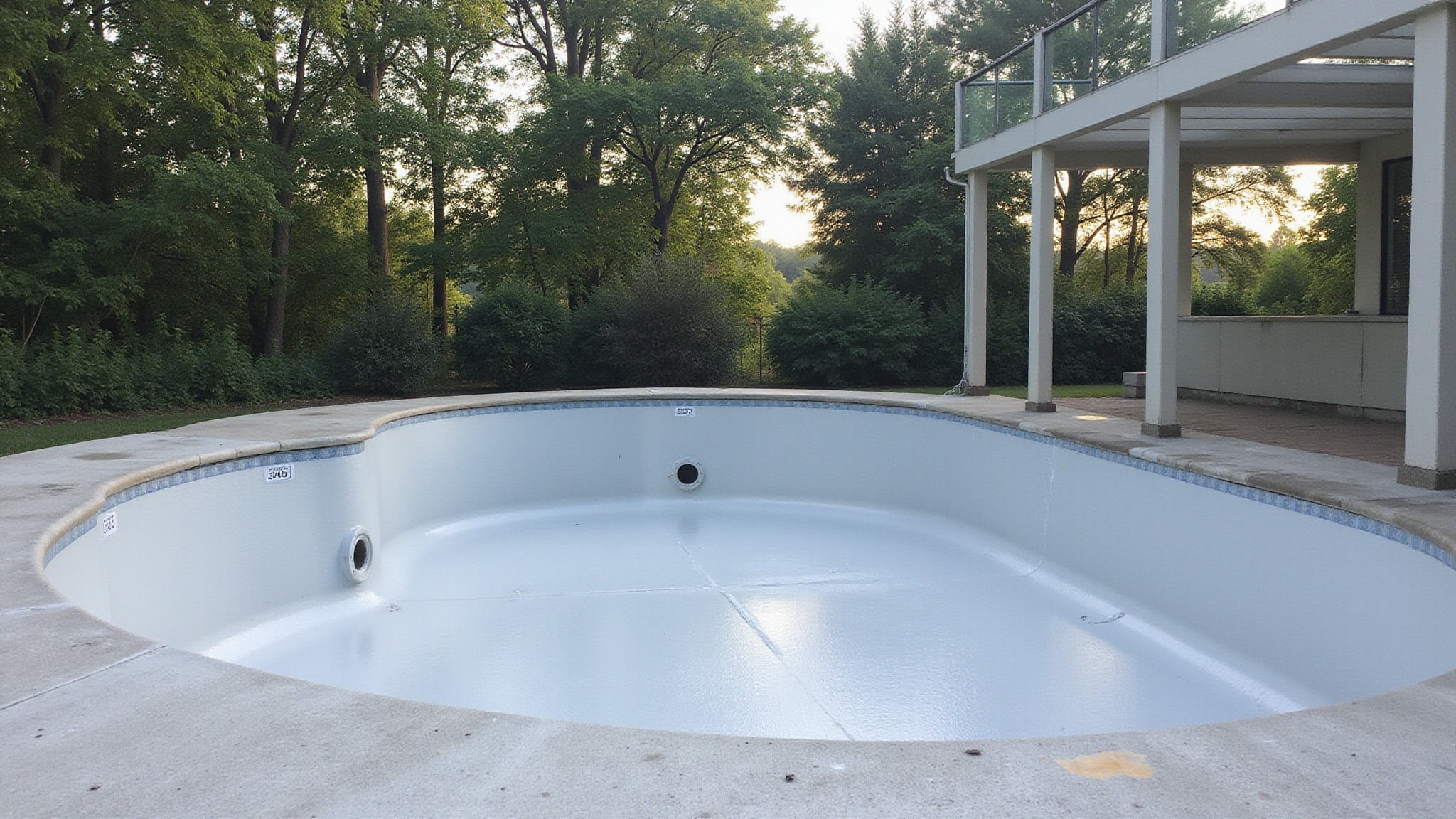
A fiberglass pool‘s sophisticated engineering combines multiple layers of materials and components to create a durable, long-lasting swimming environment. The pool anatomy consists of fiberglass layers reinforced with thermoplastic polymer resins, culminating in a one-piece shell that’s pre-engineered for peak performance. The carefully positioned return jets and skimmers ensure optimal water circulation throughout the shell structure. The filter system connects directly to these components for efficient debris removal and water purification.
You’ll find the pool’s structure starts with woven fiberglass strands that are heated and formed into a composite material with polyester resins. This creates an exceptional strength-to-weight ratio that surpasses traditional metal construction. The shell features integrated components like tanning ledges and seating areas, while factory-cut openings accommodate essential operational systems. Proper water chemistry management with balanced pH levels is critical to prevent deterioration of the protective gelcoat surface. A protective gelcoat finish tops the structure, providing a smooth, glossy surface that resists algae growth and simplifies maintenance. This multi-layer design undergoes finite element analysis to guarantee structural integrity and stress resistance.
Common Structural Issues and Their Warning Signs
Despite the robust engineering of fiberglass pools, structural issues can emerge from various environmental and installation factors. You’ll need regular pool inspections to identify warning signs early and implement damage prevention measures.
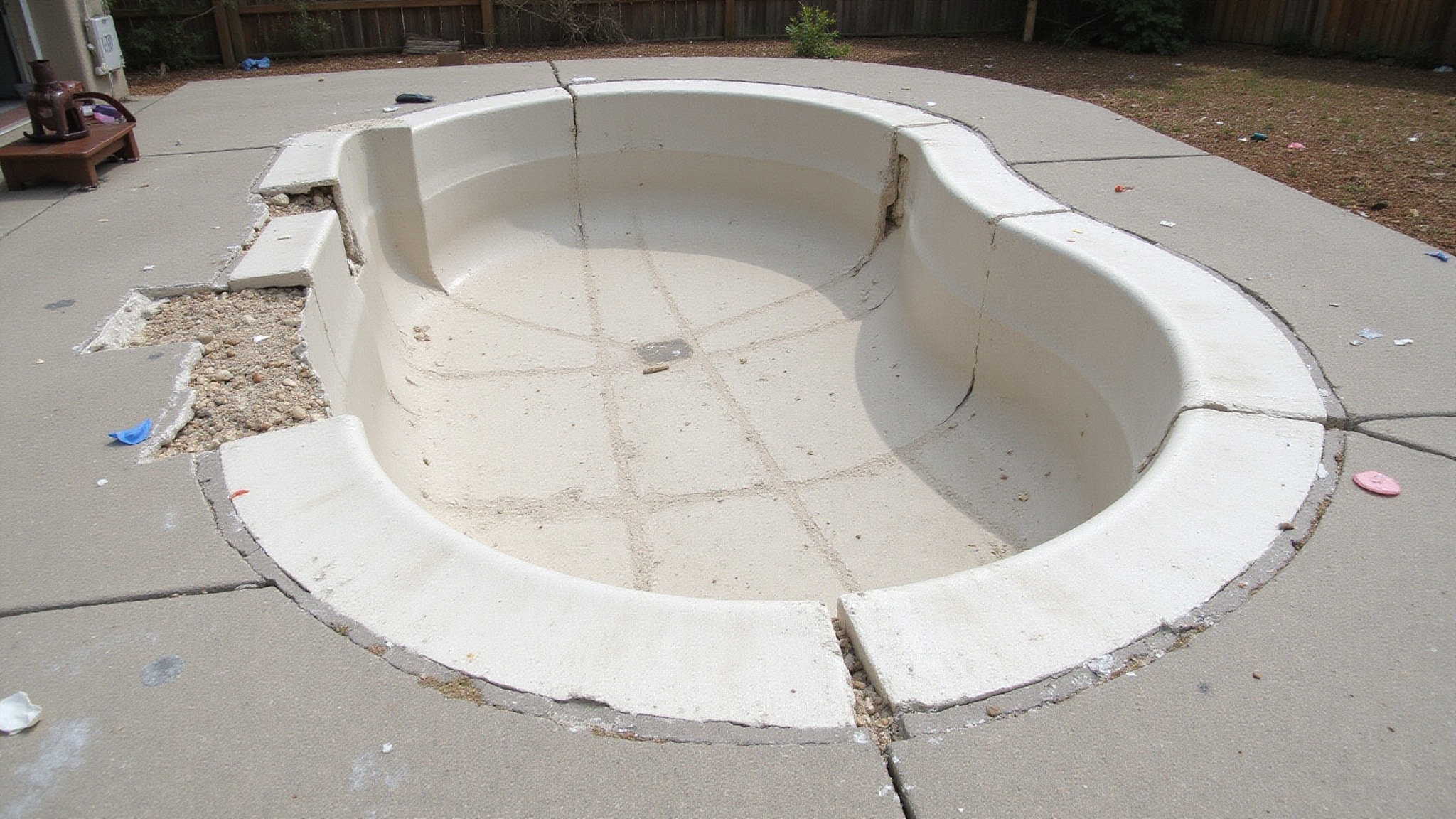
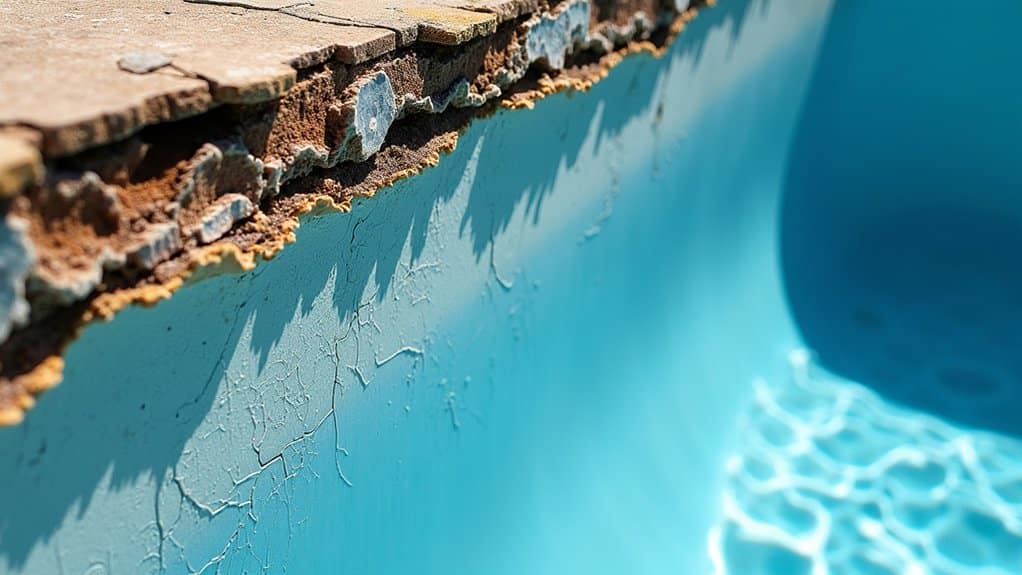
Ground movement and soil instability often manifest through hairline cracks in pool walls, while improper installation techniques can create stress points and spider cracks. Watch for misaligned coping stones, which signal poor initial setup. Inadequate backfilling methods may cause wall bulging and pressure imbalances, particularly when sand compacts poorly or drainage is insufficient. Using high water tables near pool installations significantly increases the risk of wall bulging issues. The addition of clean 3/4 stone during backfilling helps prevent plumbing settlement and structural damage. Early fiberglass pools experienced frequent issues with flexible piping that attracted termites and punctures.
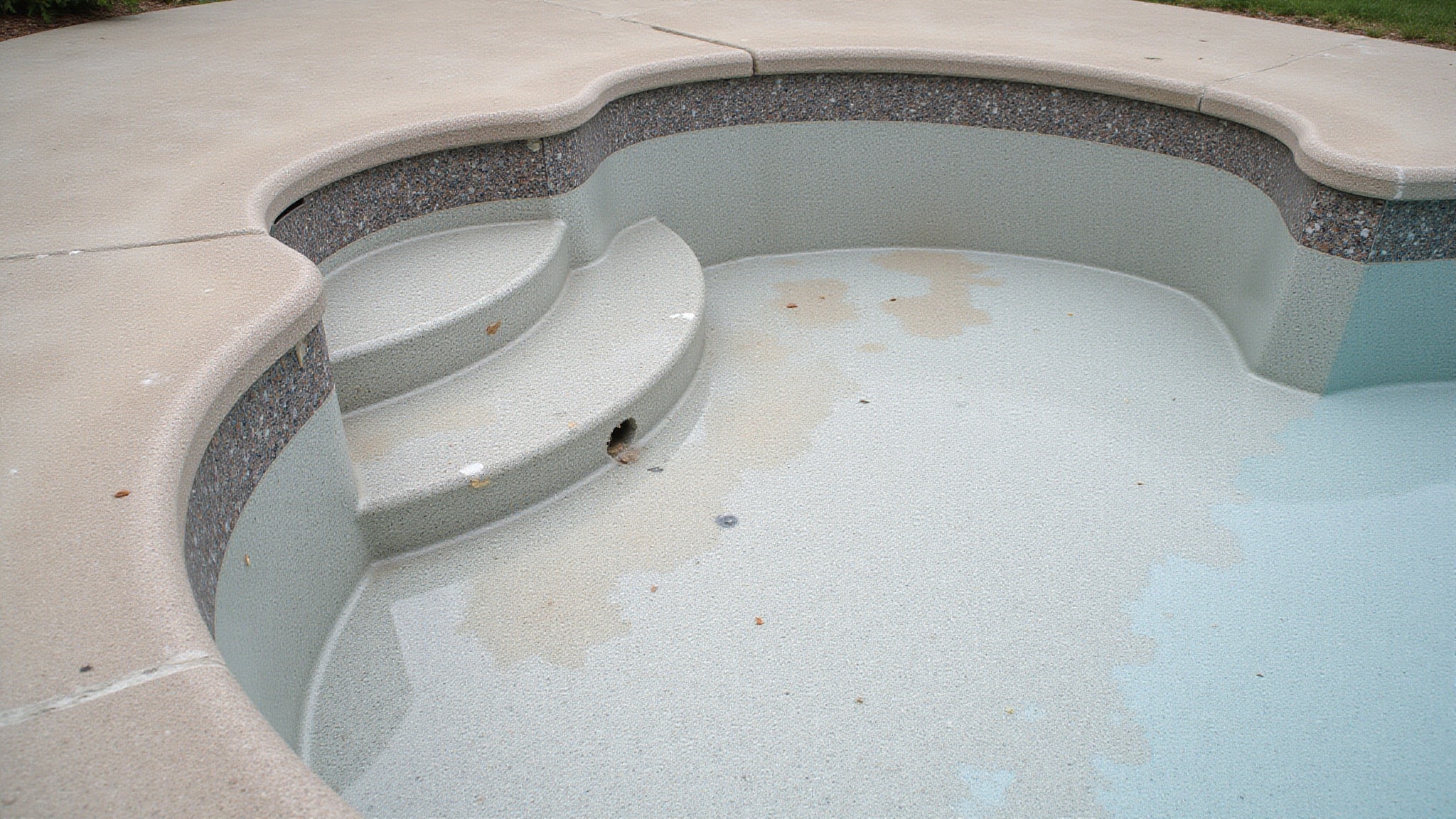
Check for plumbing settlement issues by monitoring water distribution patterns and leaks around pipe joints. Manufacturing defects typically show up as premature cracking, blistering, or delamination, especially along seams where resin ratios may be compromised.
The Impact of Gelcoat Deterioration
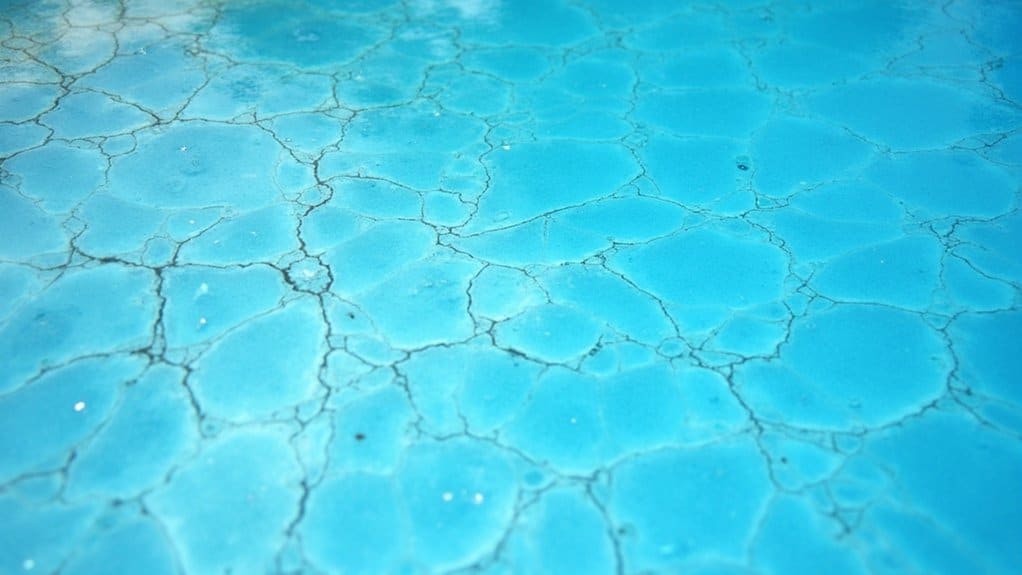
Gelcoat deterioration represents one of the most significant threats to fiberglass pool longevity, affecting both aesthetics and structural integrity. When your pool’s gelcoat begins to fail, you’ll notice several distinct symptoms that indicate compromised gelcoat integrity:
- Water penetration through osmosis effects causes blistering beneath the surface, requiring professional intervention to prevent further shell damage
- UV exposure leads to fading and breakdown of protective layers, particularly in areas with intense sunlight exposure
- Spider cracks develop from pressure points and temperature fluctuations, potentially creating entry points for water migration
- Chemical imbalances can permanently damage the gelcoat surface through scaling, staining, and erosion
Extended sun exposure gradually breaks down the molecular structure of fiberglass pools, making them more susceptible to surface damage. You’ll need to monitor these issues closely, as early detection and proper maintenance can prevent costly repairs and extend your pool’s lifespan. Regular testing ensures that calcium levels below 120 parts per million are maintained to prevent gelcoat deterioration and surface damage.
Critical Installation Mistakes to Watch For
While proper installation serves as the foundation for any fiberglass pool’s longevity, several critical mistakes can compromise your pool’s structural integrity and performance. Common installation errors include using improper backfill materials like sand instead of compacted stone, which leads to settling and plumbing stress. You’ll also want to watch for inadequate fitting installation, where contractors might rely solely on factory gaskets rather than pure silicone sealant. Engaging with reputable pool builders during the selection process helps ensure access to proper tools and expertise for a successful installation.
Incorrect shell placement without considering soil composition or water table levels can cause significant problems. Poor anchoring systems that don’t address hydrostatic pressure or lack proper wall reinforcement will compromise stability. Ground water removal systems are essential to prevent pool floating and structural damage. Additionally, deck construction mistakes, such as using low-quality cantilevered concrete or failing to implement proper expansion joints, can transfer damaging structural loads to your pool shell.
How Environmental Elements Affect Pool Longevity
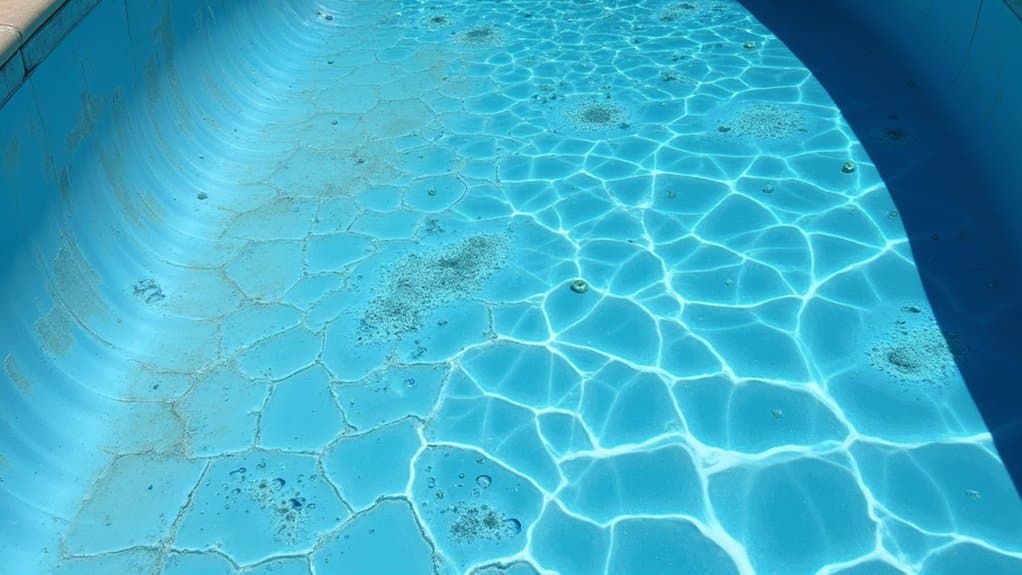
Ground movement poses a significant threat to your fiberglass pool’s structural integrity, particularly when expansive soils absorb water and create uneven pressure points against the shell. You’ll notice seasonal temperature changes compound these issues, as freeze-thaw cycles can destabilize the surrounding soil and cause micro-cracks in the gelcoat through thermal expansion and contraction. To protect your investment, you’ll need to implement proper drainage solutions and monitor for early signs of soil settling, especially in areas with high water tables or extreme temperature fluctuations. The resin-reinforced construction of fiberglass pools helps them withstand these environmental pressures better than traditional pool materials. Regular inspection can reveal early signs of surface blisters that may develop due to ground pressure against the pool shell. Professional maintenance checks help identify potential issues before they become severe, ensuring your pool’s annual inspections maintain its structural durability.
Ground Movement Effects
Understanding how environmental forces affect your fiberglass pool‘s stability begins with soil movement patterns and groundwater dynamics. The combination of expansive soils and fluctuating water tables can markedly impact your pool’s structural integrity, especially in areas with high clay content.
Your pool’s foundation faces these critical challenges:
- Expansive soils swell and contract with moisture changes, creating uneven pressure on pool walls
- Poor soil stabilization techniques lead to shell flexion and potential cracking
- Inadequate groundwater management results in soil erosion and settling issues
- High water tables compromise installation stability and long-term structural balance
To protect your investment, you’ll need proper drainage systems, including French drains and sump pumps, along with professional soil assessment before installation. Regular monitoring helps detect early signs of ground movement, allowing for timely intervention before serious damage occurs. With proper maintenance practices, a fiberglass pool can maintain its structural integrity for up to 50 years. Improper backfilling using contaminated materials can result in compromised pool stability. These environmental factors often cause expansion and contraction of pool materials, which can lead to significant structural issues over time.
Seasonal Temperature Impacts
Beyond soil dynamics, seasonal temperature variations present distinct challenges for fiberglass pool owners. While fiberglass exhibits superior resilience against thermal expansion compared to vinyl or concrete, temperature fluctuations can still induce subtle material stress over time.
Your pool faces multiple seasonal threats: prolonged freezing can create damaging ice pressure, while intense UV exposure during summer months degrades the protective gelcoat. Additionally, repeated heating and cooling cycles may lead to delamination if left unaddressed. To protect your investment, implement thorough seasonal maintenance practices, including proper winterization, regular structural inspections, and UV-protective coating applications.
During rainy seasons, you’ll need to monitor water chemistry more frequently, as rainfall dilutes pool chemicals and disrupts pH balance. Maintaining consistent water levels and chemical balance helps minimize temperature-related stress on your pool’s structure.
Chemical Balance: The Silent Pool Destroyer
When maintaining a fiberglass pool, proper chemical balance acts as your first line of defense against costly structural damage. Understanding chemical thresholds and monitoring chlorine levels is essential to prevent deterioration of your pool’s gel coat and equipment.
Maintaining proper chemical levels in your fiberglass pool prevents costly damage and protects your investment for years to come.
- Keep chlorine levels between 1-3 ppm to protect your pool’s surface and machinery from accelerated wear. Always dilute chemicals before adding them to prevent blistering and bleaching.
- Monitor calcium hardness (200-400 ppm) to avoid gel coat chalking and maintain structural integrity.
- Maintain pH between 7.2-7.8 to prevent etching or scaling damage. Use pH adjusters promptly when levels fluctuate.
- Protect against harsh chemical damage by avoiding direct contact with cal-hypo, dichlor, or trichlor. Consider switching to stabilized or liquid chlorine for safer application.
Essential Maintenance Practices for Pool Preservation
You’ll need to conduct daily chemical balance checks to maintain ideal pH and chlorine levels, preventing structural damage to your fiberglass pool’s surface. Your equipment cleaning schedule should include weekly filter basket maintenance, twice-weekly surface brushing, and regular vacuuming to prevent debris accumulation that can lead to surface staining and equipment strain. Following a strict maintenance routine helps you identify potential issues early, protecting your pool’s gelcoat finish and extending its lifespan.
Daily Chemical Balance Checks
Regular chemical balance monitoring stands as the cornerstone of fiberglass pool maintenance, directly impacting both the pool’s longevity and swimmer safety. Through daily maintenance and consistent chemical testing, you’ll prevent costly damage and guarantee ideal swimming conditions.
- Monitor pH levels between 7.2-7.6, adjusting with muriatic acid or sodium carbonate to prevent cloudiness and corrosion
- Test total alkalinity regularly to stabilize pH and prevent fluctuations that could damage your pool’s surface
- Check calcium hardness levels, maintaining 200-400 ppm to prevent scaling and discoloration, though fiberglass pools are more resistant
- Maintain chlorine levels at 1-3 ppm to prevent bacterial growth and algae formation while avoiding skin irritation
Use reliable test strips or kits daily to track these parameters, addressing imbalances promptly to preserve your pool’s integrity.
Equipment Cleaning Schedule
A thorough equipment cleaning schedule forms the foundation of proper fiberglass pool maintenance, protecting both your investment and water quality. Your routine inspections should include emptying filter baskets weekly and monitoring pressure gauges to maintain ideal 8-15 psi levels. When conducting equipment upkeep, you’ll need to perform monthly deep cleans of your filtration system, including disassembling parts and soaking them in chemical solutions.
Don’t overlook your skimmer baskets – empty them every 1-2 days during peak season and clean them weekly to prevent system backpressure. You’ll also want to run your filtration system for at least 6 hours daily to guarantee complete water turnover. Remember to replace filter media every 3-5 years and schedule annual professional servicing for pH sensors, pressure valves, and pump impellers.
Preventing Major Damage Through Early Detection
Proactive monitoring of your fiberglass pool’s condition serves as the cornerstone of preventing catastrophic damage and costly repairs. By implementing preventative measures and maintaining vigilant early detection practices, you’ll protect your investment from common structural and surface deterioration issues.
Regular monitoring and preventive maintenance are essential safeguards against severe pool damage, protecting your investment for years to come.
- Inspect your pool’s shell weekly for spider cracks, bulges, or unusual surface textures these are early warning signs of potential structural compromise
- Monitor water chemistry levels, especially pH (7.2-7.6), to prevent gel-coat degradation and surface blistering
- Document any changes in color consistency or texture through photos, tracking developments that might indicate deeper problems
- Check groundwater pressure levels and plumbing connections regularly, as imbalances can lead to shell deformation and hidden structural damage
Don’t wait for visible damage regular inspections and prompt attention to minor issues will prevent major structural failures.
Professional Repair Options and Solutions
Once damage has been identified, professional repair solutions offer targeted approaches to restore your fiberglass pool’s structural integrity and appearance. Key repair techniques include pool evacuation for proper access, diamond-edged cutting to remove compromised materials, and multi-layer fiberglass reinforcement for structural stability. Additionally, watch for signs of cracking fiberglass pools, as they may signal deeper issues. Early detection and professional repairs prevent costly damage and help maintain your pool’s longevity and appearance.
Material selection plays a vital role in ensuring lasting repairs. Professional-grade epoxy-based solutions provide superior durability compared to temporary fixes like polyurethane foam, especially for load-bearing areas. For thorough restoration, certified professionals can perform full resurfacing processes that extend your pool’s lifespan by 10-15 years. They’ll also address underlying causes through ground stabilization, chemical balance correction, and hydrostatic pressure mitigation. When you’re dealing with structural issues, it’s important to choose permanent solutions over temporary patches to avoid recurring problems.
Frequently Asked Questions
How Long Does a Typical Fiberglass Pool Warranty Last?
Your fiberglass pool’s warranty duration typically varies by component. You’ll find structural warranties lasting 25-50 years, while gelcoat warranty coverage extends 7-15 years. Manufacturer warranties protect against material defects, while installer warranties cover installation issues for 1-5 years. It is vital to recognize that you’ll get different coverage terms depending on the specific warranty type, structural, gelcoat, manufacturer, or installer protection.
Can I Refinish My Fiberglass Pool With a Different Color?
Yes, you can change your fiberglass pool’s color through refinishing. You’ll have multiple color options available using products like polyFIBRO or ecoFINISH. The refinishing process involves thoroughly cleaning and sanding the surface, applying bond coats, and finishing with your chosen color system. While you can attempt small repairs yourself, it’s recommended to hire professionals for full-shell color changes to guarantee proper material application and lasting results.
What Insurance Coverage Typically Applies to Fiberglass Pool Damage?
Your fiberglass pool’s insurance coverage depends on its installation type. If it’s attached to your home, it falls under dwelling coverage. When detached, it’s covered under other structures coverage (limited to 10% of your dwelling limit). You’ll need to verify your coverage limits and consider additional options like umbrella insurance for expanded protection. Pool components like pumps and filters are typically covered under personal property coverage, up to 50% of your dwelling limit.
Are Fiberglass Pools More Expensive to Repair Than Concrete Pools?
No, you’ll typically find that fiberglass pools are less expensive to repair than concrete pools. While fiberglass repairs cost around $300-$400 for gel coat fixes and $800 for repainting, concrete pool resurfacing can range from $10,000-$20,000. The maintenance differences are significant too, you’ll spend less on routine upkeep with fiberglass due to its smooth, algae-resistant surface, whereas concrete requires weekly scrubbing and higher chemical usage.
Can I Convert My Chlorine Fiberglass Pool to Saltwater?
Yes, you can convert your fiberglass pool to saltwater, and you’ll enjoy benefits like softer water and reduced chemical handling. The conversion process involves installing a salt chlorinator in your return line, balancing your water chemistry, and adding pool-grade salt to achieve 2700-3400 ppm concentration. You won’t need to drain your pool, but you’ll want to make sure your equipment is salt-compatible and properly maintain salt levels for peak performance.