

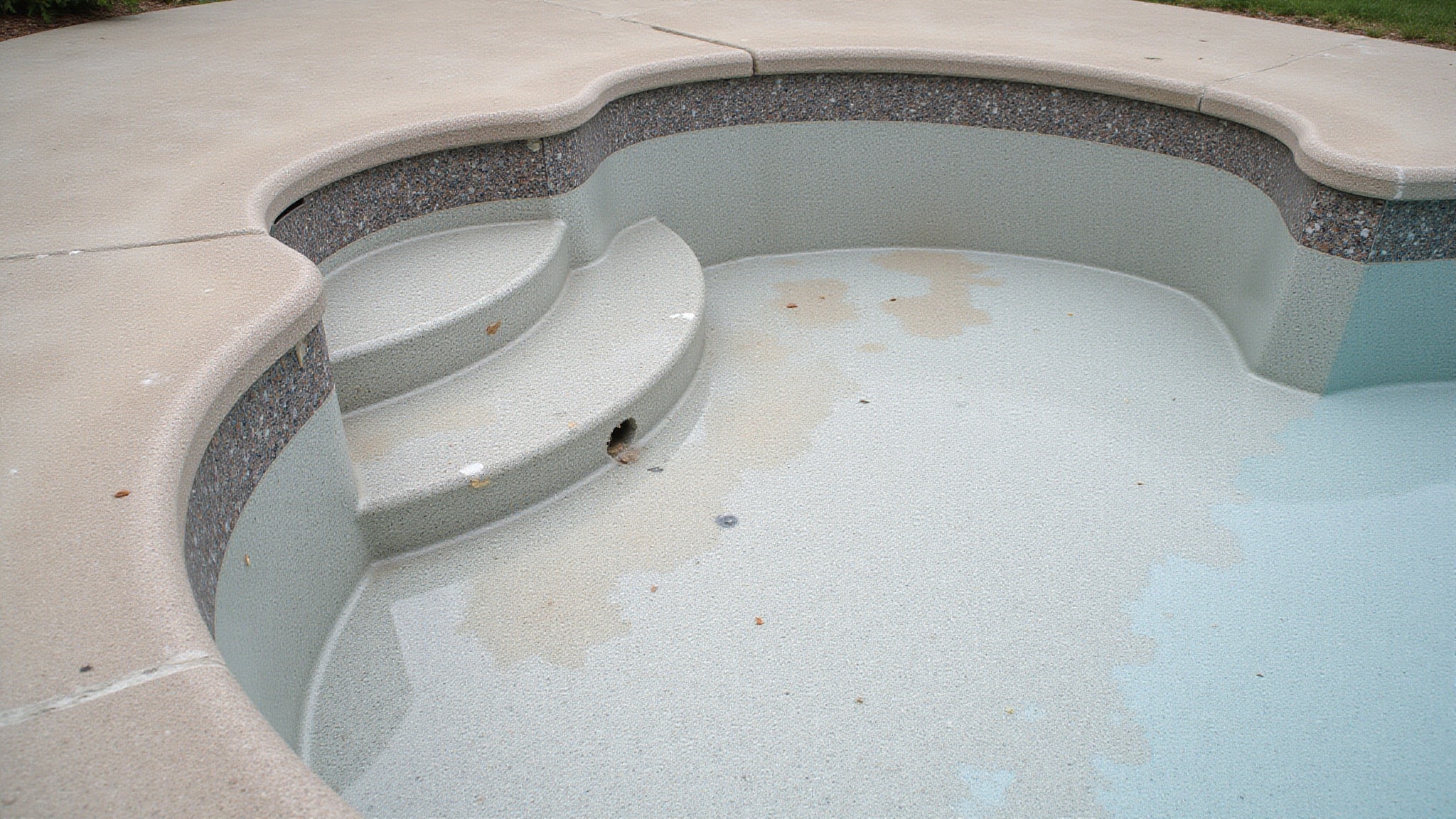
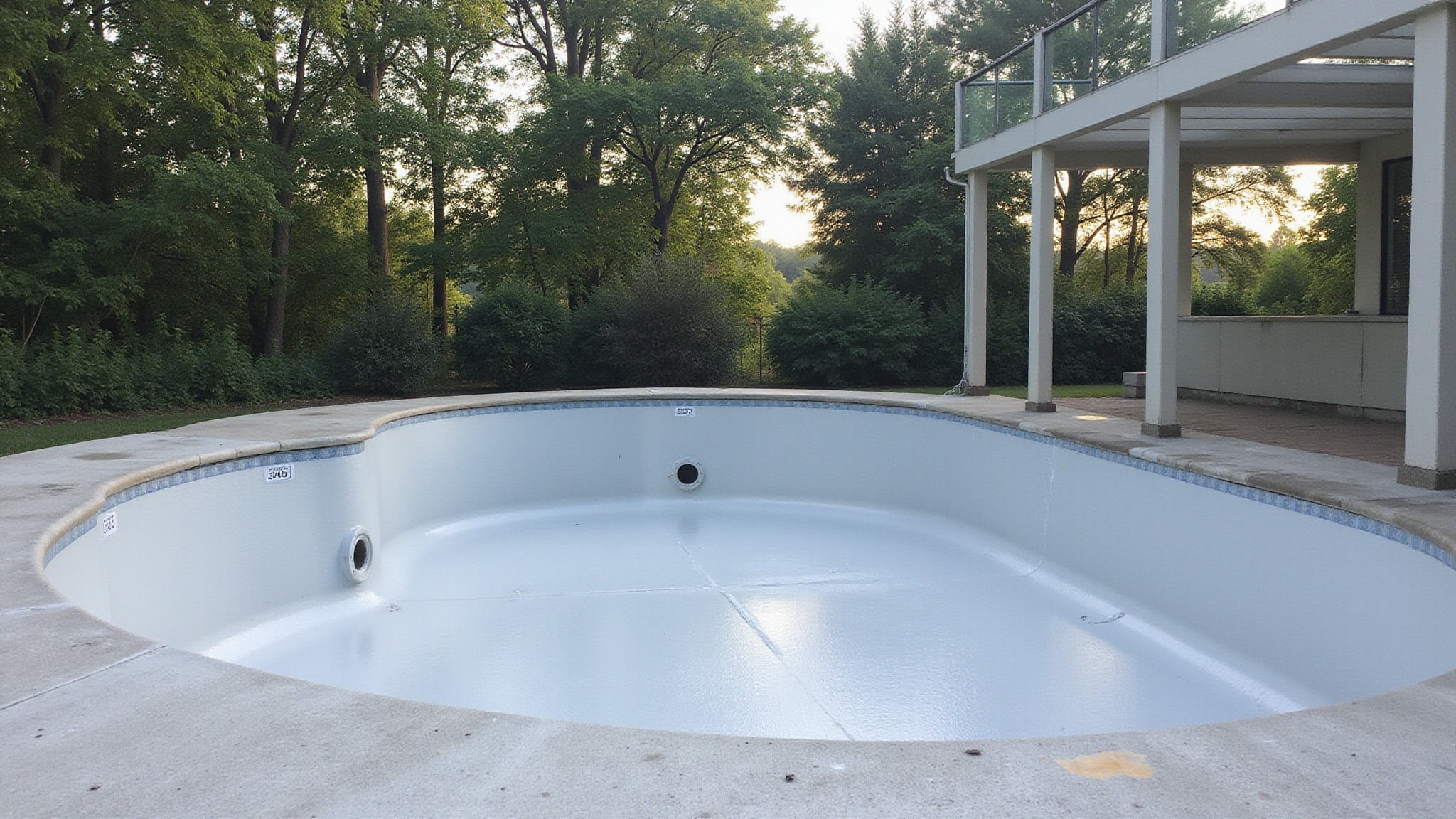
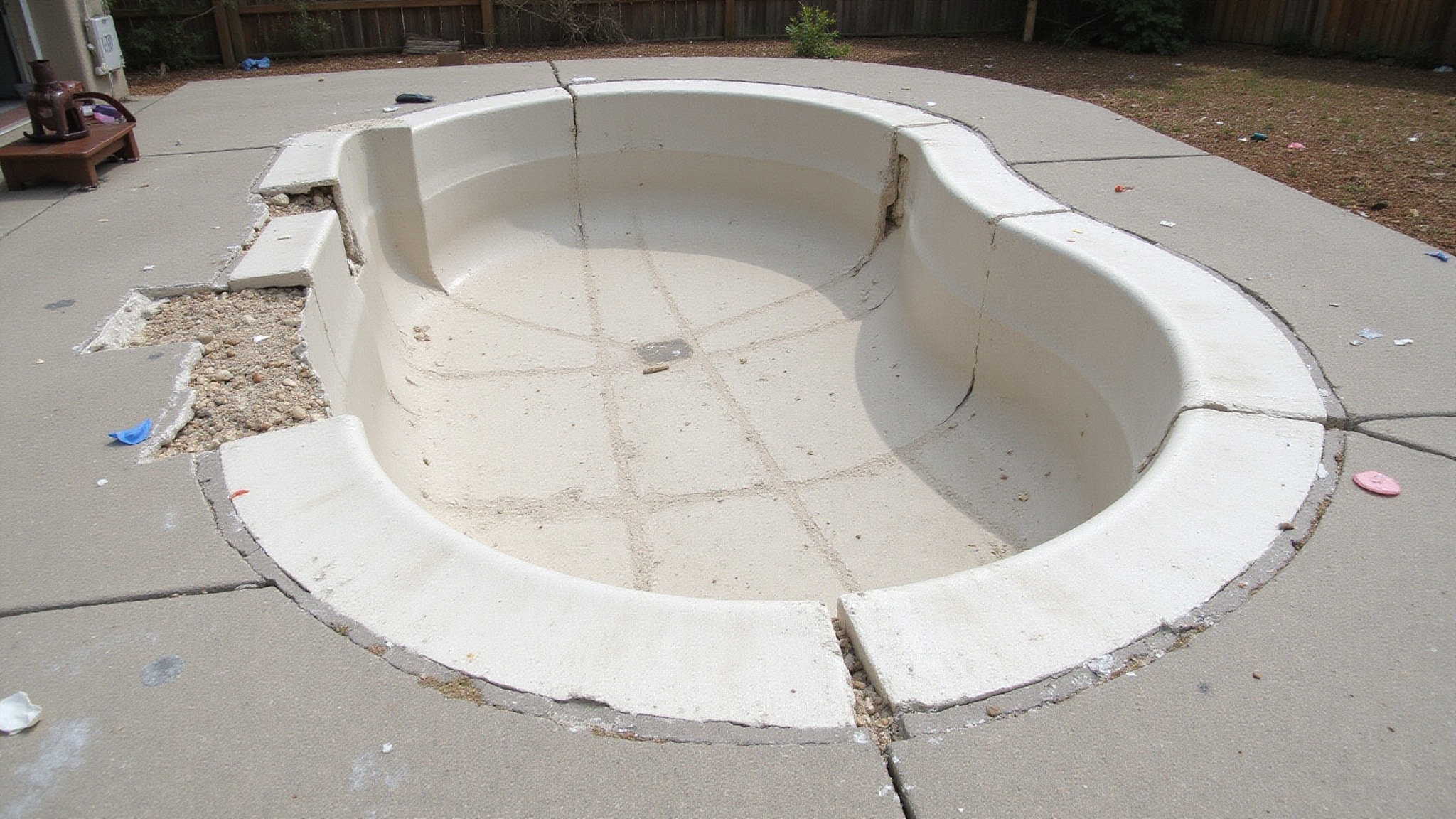
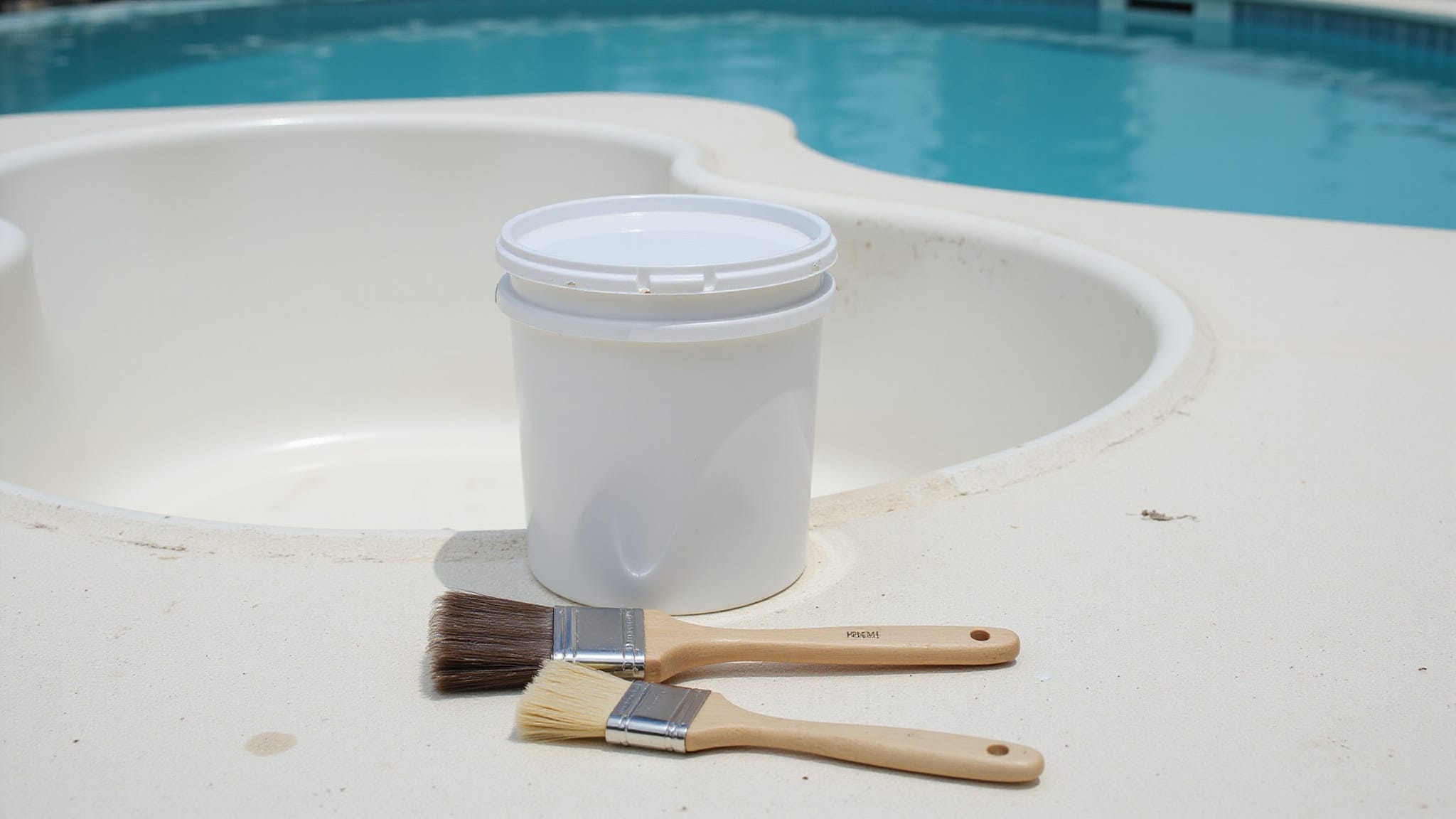
To repair your fiberglass pool shell, you’ll need to drain the pool and prepare the surface by cleaning and sanding the damaged area. Use appropriate safety gear while applying fiberglass repair materials in layers: bond coat, polyester putty, and fiberglass cloth. For minor cracks, apply gel coat matching your pool’s color. Major structural issues require additional support and multiple fiberglass sheets with epoxy resin. Proper technique and material selection will determine your repair’s long-term success.
Essential Tools and Safety Equipment for Pool Repairs

A well-stocked repair toolkit forms the foundation for successful fiberglass pool repairs. You’ll need surface preparation tools like an electric disc sander and wire brushes to guarantee proper adhesion. Marine supply repair kits featuring specialized fiberglass patches offer professional-grade solutions for shell damage. For peak repair efficiency, include essential measurement tools such as a tape measure, hex keys, and standard wrenches for precise fitting adjustments. Maintaining proper pH levels through test kits helps prevent future damage to repairs.
Tool safety demands proper electrical testing equipment and protective gear when working with power tools. Wear protective equipment while sanding to prevent inhaling harmful dust particles. Your kit should contain specialized adhesion tools including putty knives, channellock pliers, and needle-nose pliers for detailed work. Don’t forget structural repair materials like fiberglass repair kits and pool epoxies. Support tools such as Teflon tape, emery cloth, and a rubber mallet complete your arsenal. For plumbing repairs, keep PVC couplings and pipe wrenches readily available.
Understanding Common Fiberglass Shell Damage Types
Fiberglass pool shells commonly experience five distinct types of damage that owners must recognize for proper maintenance and repair. Understanding these issues helps you implement effective crack prevention strategies and address fading causes before they worsen. Ground movement, physical impacts, surface discoloration, spider cracks, and shell bulges each present unique challenges requiring specific repair approaches. Using crushed blue stone as backfill material provides superior stability and helps prevent structural damage over time.
- Spider cracks typically stem from gelcoat deterioration, often accelerated by UV exposure and temperature fluctuations. Proper chemical balance maintenance helps prevent gelcoat breakdown and extends the life of your pool’s surface.
- Surface bulges indicate pressure imbalances between the pool’s interior and exterior, demanding immediate attention
- Physical impacts from pool equipment and heavy objects create localized damage requiring prompt repair
- Structural issues from ground movement present the most severe challenges, often necessitating professional intervention
Inspecting your pool’s shell for osmotic blisters caused by trapped water between layers can prevent costly repairs down the line. Monitor your pool regularly for these damage types, as early detection greatly improves repair outcomes and reduces long-term maintenance costs.
Initial Surface Preparation and Cleaning Steps

To begin repairing your fiberglass pool shell, you’ll need to drain the water completely and establish safe access points around the perimeter. Once drained, thoroughly clean all surfaces using appropriate solvents and degreasers to remove oils, algae, and contaminants that could interfere with repairs. Your visual inspection should methodically document all damage using markers or tape, while photographing problem areas for reference during the repair process. The smooth gelcoat surface of fiberglass pools makes it easier to identify and assess any structural issues during the inspection phase. Before starting repairs, ensure the site conditions are stable and favorable, just as they would be during an initial pool installation. After cleaning, sand the damaged areas with coarse-grit sandpaper to create a proper bonding surface for the repair materials.
Draining and Access Points
Before initiating any fiberglass pool repairs, proper draining and access point preparation are critical steps that require careful planning and professional oversight. You’ll need to implement controlled drainage techniques while maintaining shell stability through strategic bracing. When selecting access points, assess crack locations carefully and establish temporary sealing methods for phased repairs. Due to the inherent risks involved, professional supervision is essential during the complete draining process to prevent potential structural damage. Since 95% of fiberglass pools can operate for decades without requiring drainage, this repair process should only be undertaken when absolutely necessary. Following local regulations and guidelines regarding proper drainage locations is crucial to avoid environmental issues and potential fines.
- Monitor water levels continuously during drainage, using submersible pumps with flow control to prevent rapid pressure changes
- Install horizontal bracing across the pool width, spacing three braces 18-24 inches apart to counter lateral pressure
- Deploy sump pumps to manage groundwater levels, preventing external pressure from compromising shell integrity
- Create access points through strategic cutting, ensuring local stabilization with proper shoring materials to maintain structural integrity
Surface Cleaning Methods
With the pool properly drained and braced, proper surface cleaning stands as the foundation for successful fiberglass repairs. You’ll need to employ gentle cleaning techniques using nylon brushes and soft sponges while avoiding abrasive materials that could damage the shell’s gel-coat. Regular cleaning frequency helps prevent stubborn stains from setting in. When scrubbing the surface, always use nylon bristled brushes to protect the delicate fiberglass finish. Identifying the type of stain through a stain testing kit helps determine the most effective cleaning method. Maintaining water pH levels between 7.2-7.4 helps prevent stubborn stains from developing on the gel coat surface.
Start by removing debris with a skimming net, then use a fiberglass-specific vacuum for heavier sediment. Apply pH-balanced cleaners with non-abrasive cloths, focusing on high-contact areas. For existing stains, use appropriate solutions: enzyme-based cleaners for organic matter, ascorbic acid for dull surfaces, and Culator Metal Eliminator for metal stains. Always test products on small areas first. After cleaning, thoroughly rinse the surface and guarantee complete drying before proceeding with repairs.
Damage Assessment Guidelines
Proper damage assessment serves as the cornerstone of successful fiberglass pool repairs, requiring a systematic approach to identify and classify various types of deterioration. You’ll need to examine your pool shell thoroughly using specific inspection techniques to differentiate between surface-level and structural issues. Since proper installation affects crack formation, inspect areas around the pool’s support structures with extra care.
- Scan the entire shell systematically, dividing it into sections while checking for crack types ranging from spider cracks to deep structural fissures
- Use angled artificial lighting to reveal hidden damage, particularly in shadowed areas around fittings and corners
- Test for delamination by gently tapping surfaces to detect hollow sounds that indicate layer separation
- Document all findings with a severity coding system, mapping crack locations and dimensions on a pool diagram
Remember to prioritize structural concerns over cosmetic issues, and always wear appropriate safety equipment during your inspection process.
Tackling Minor Cracks and Blisters

You’ll need to carefully examine your pool’s surface for distinct damage patterns, including hairline cracks, spider web formations, and small osmotic blisters that often cluster in groups. After marking the damaged areas with masking tape for precise boundaries, you can begin applying the repair materials in sequence: bond coat, polyester putty, and fiberglass cloth for reinforcement. Your success with minor repairs depends on proper material selection and application technique, so make sure you’re matching the original gel coat color and maintaining consistent layer thickness throughout the process.
Identifying Damage Patterns
Successfully identifying damage patterns in fiberglass pool shells requires understanding the distinct characteristics of both cracks and blisters. For effective crack detection, look for spider-like patterns radiating from central points, while blister identification focuses on raised surface irregularities. You’ll need to assess both depth and composition to determine if the damage is merely cosmetic or structurally significant.
- Spider cracks typically indicate surface-level damage when under 1/8 inch, but wider patterns may signal deeper structural issues
- Blisters manifest as raised areas, often accompanied by hollow sounds when tapped
- Multiple small cracks clustered together suggest localized stress points requiring immediate attention
- Discoloration around damage patterns can reveal chemical imbalances or UV deterioration as root causes
Applying Repair Materials
When tackling minor cracks and blisters in a fiberglass pool shell, the repair process demands meticulous attention to material selection and application techniques. You’ll need to choose appropriate repair material types, including fiberglass patch kits with resin and hardener, or polyurethane foam injection kits for leaking cracks.
Start by thoroughly cleaning the damaged area to remove all contaminants. Mix your resin according to the manufacturer’s specified ratios, then apply fiberglass cloth layers saturated with resin. For blisters, drain and sand the affected areas before applying resin with brushes or rollers. Once cured, apply gel coat in thin, even layers to restore the surface appearance. Don’t rush the curing process allow 24-48 hours for complete hardening before finishing with progressive sanding techniques for a seamless blend.
Major Structural Repair Techniques
Major structural repair techniques for fiberglass pools require three essential phases: preparation, reinforcement, and precise material application. You’ll need to implement advanced repair strategies when dealing with severe damage like large cracks, bulges, or structural failures. These reinforcement techniques focus on restoring your pool’s structural integrity while preventing future issues. Additionally, assess the root cause of damage before fixing fiberglass pool issues to ensure lasting repairs. Addressing problems early reduces recurrence and keeps your pool functional and attractive for years.
- Apply plywood backing for stability when addressing large bulges or through-holes, creating a solid foundation for your repair
- Install polyurethane foam to fill significant voids before implementing fiberglass patching
- Layer multiple sheets of fiberglass cloth with epoxy resin, alternating directions for maximum strength
- Use temporary shoring supports during repairs to prevent further structural movement and guarantee proper curing
Once you’ve completed these steps, allow a full 24-hour cure time before proceeding with finishing work.
Gel Coat Application and Color Matching
The application of gel coat demands precision in both technique and color matching to achieve a flawless finish on your fiberglass pool repair. You’ll need to start with proper resin formulation, mixing vinyl ester or polyester resin with the gel coat compound according to manufacturer specifications. Maintain strict color consistency by matching custom pigments to your existing pool surface using shade cards.
Apply 4-5 thin layers using a spray gun, each measuring 5 mils thick, allowing 15-20 minutes between applications. You’ll want to guarantee proper ventilation and use high-quality spray equipment for uniform coverage. Sand the surface with progressively finer grits before application, and remove all debris with compressed air. Test small batches first to verify color accuracy before proceeding with the full repair area.
Testing and Quality Assurance Measures
Proper testing and quality assurance measures serve as critical safeguards throughout your fiberglass pool repair process. You’ll need to implement systematic quality checks at each repair stage, from initial inspection to final curing. Testing methods include conducting bucket tests for leak detection, performing delamination checks through surface tapping, and verifying proper material curing times under controlled temperature conditions. Additionally, Being aware of common issues with fiberglass pools, like blisters, fading gel coats, and cracks, helps guide repairs that extend the pool’s lifespan and maintain customer satisfaction.
- Monitor moisture content and ascertain surface dryness before applying repair materials
- Conduct dye tests to pinpoint precise leak locations in your pool structure
- Verify bond coat adhesion between existing fiberglass and new repair layers
- Perform thickness gauge analysis to confirm structural integrity post-repair
These quality assurance steps help assure your repair’s longevity and effectiveness while preventing future structural issues. Regular professional assessments complement your testing protocol for ideal results.
Long-Term Maintenance and Prevention Tips
Maintaining your fiberglass pool’s longevity requires a systematic approach to daily, weekly, and monthly care protocols. As part of your long-term strategies, you’ll need to brush surfaces twice weekly, test chemical levels consistently, and run your filtration system at least six hours daily during peak season.
Preventive measures should include using non-abrasive cleaners specifically designed for gel coats, applying protective wax coatings periodically, and avoiding metal tools near pool surfaces. You’ll want to monitor for scale buildup and promptly address any discoloration signs. Monthly inspections of pool walls and steps for cracks or delamination are essential. When repairs are needed, use two-part epoxy resins for structural integrity. For major issues like extensive cracking or bulging, don’t hesitate to contact professional pool repair services.
Frequently Asked Questions
How Long Can I Expect My Fiberglass Pool Repairs to Last?
You can expect your fiberglass pool repairs to last 10-20 years when properly executed and maintained. To maximize repair longevity, you’ll need to maintain proper chemical balance, prevent algae growth, and perform regular cleaning. High-quality materials like marine-grade resins and professional installation are essential factors. Don’t forget to apply protective gel coat sealing and schedule annual inspections. With diligent maintenance, repairs can remain effective throughout your pool’s lifetime.
Can I Repair My Pool During Winter Months?
Yes, you can repair your fiberglass pool during winter months, and in many cases, it’s actually ideal. Winter pool maintenance benefits from cooler temperatures and lower humidity, which improve curing processes for repair materials. However, you’ll need to take into account cold weather considerations like proper drainage and freeze protection. You’ll get better material adhesion and curing results when temperatures are mild, plus you won’t disrupt your summer swimming schedule.
Will Repaired Areas Look Different From the Original Pool Surface?
With professional repairs, you shouldn’t notice significant differences between repaired areas and the original surface. Modern color matching technology allows technicians to precisely replicate your pool’s existing hue. However, you’ll achieve the best results when you hire experienced professionals who use proper surface texture techniques and high-quality materials. DIY repairs often result in noticeable inconsistencies, so it’s worth investing in professional service to maintain your pool’s uniform appearance.
How Soon After Repairs Can Swimmers Use the Pool?
You’ll need to wait at least 72 hours after repairs before allowing swimmers back in your pool to guarantee proper curing and swimming safety. The repair timeline varies based on environmental conditions; ideal curing occurs between 60°F-75°F with moderate humidity. If you’ve used professional-grade materials, you might reduce wait times to 24-48 hours, but it’s essential to verify complete hardening through touch-testing and confirm there’s no surface tackiness before resuming pool use.
Does Homeowner’s Insurance Typically Cover Fiberglass Pool Shell Repairs?
Your homeowner’s insurance typically won’t cover fiberglass pool shell repairs unless the damage results from a covered peril like fire, hail, or falling objects. Regular pool maintenance issues, wear and tear, or pre-existing damage are specifically excluded from standard coverage. If you have an in-ground fiberglass pool, it’s covered under dwelling coverage, but you’ll need to meet your deductible and prove the damage wasn’t due to neglect or lack of maintenance.