
Your vinyl pool liner typically lasts 7 to 12 years before you’ll need to replace it. In-ground liners often run 5 to 9 years, while above-ground liners last 6 to 10 years due to harsher UV exposure. With balanced water chemistry, cover use, and thicker material, you can sometimes push past 15 years. Most owners budget replacement around year 7 to 10. Below, you’ll find exactly what drives that timeline and how to stretch it.
Key Takeaways
- Vinyl pool liners typically last 7 to 12 years, with above-ground liners lasting 6 to 10 years due to UV exposure.
- Practical budget planning targets replacement around year 7 to 10, though good maintenance can push lifespan past 15 years.
- UV exposure, unbalanced water chemistry, high chlorine, and physical abrasion are the main factors accelerating liner wear.
- Replace when you see fading, cracking, wrinkles, persistent leaks, or when frequent patching costs more than a new liner.
- Thicker liners (28 to 30+ mil) resist UV, abrasion, and chemical wear better, extending service life over thinner 20 mil options.
How long does a vinyl pool liner last
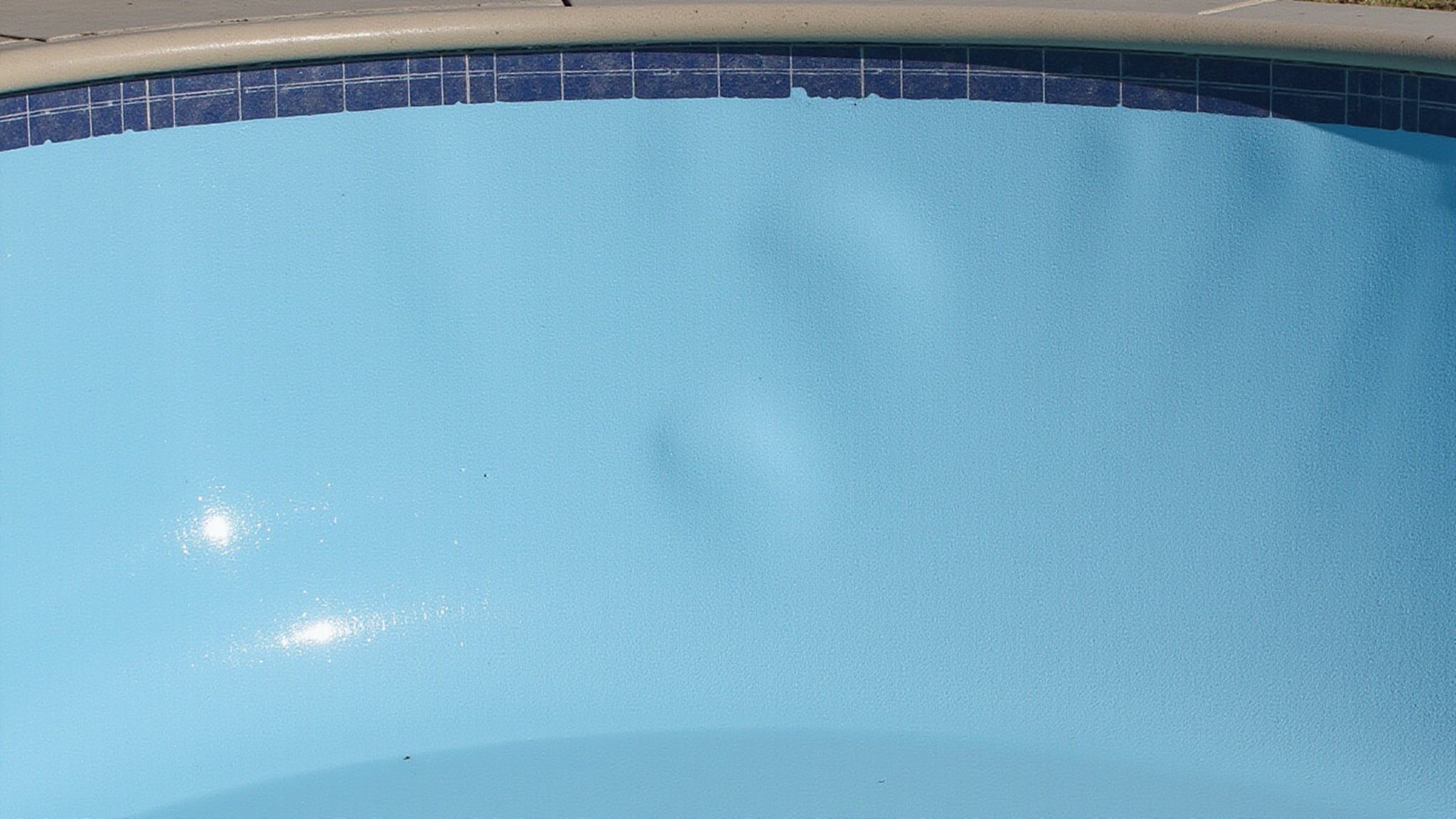
A vinyl pool liner lasts 7 to 12 years in most cases, though that number shifts depending on how you manage the pool. In-ground liners often run 5 to 9 years in some estimates, while above-ground liners typically last 6 to 10 years because they face more direct UV damage. If you keep water chemistry balanced and limit sun exposure with a cover, you can push a well-maintained liner past 15 years. UV damage remains the biggest culprit, driving fading, brittleness, and premature aging. Above-ground liners fade faster since they’re fully exposed. For practical planning, budget for replacement around year 7 to 10, but remember maintenance, climate, and liner quality matter more than any fixed number.
What factors affect a vinyl liner’s lifespan
Several variables work together to determine how long your liner survives, so you can’t pin down a single cause of failure. UV exposure ranks near the top, fading the vinyl and turning it brittle over time. Above-ground liners take the worst of it. Unbalanced water chemistry accelerates wear, and high chlorine levels bleach and weaken the material, especially when tablets contact the vinyl directly. Physical abrasion from toys, vacuums, and rough tools scuffs and punctures the surface. Draining an older pool can shrink or crack the liner. Your maintenance habits carry real weight here: hold pH at 7.4 to 7.6, keep chlorine between 1.0 and 2.0 ppm, and use vinyl-safe cleaners. Climate, cover usage, and liner thickness also shift your eventual replacement timeline markedly.
What are the signs it is time to replace it
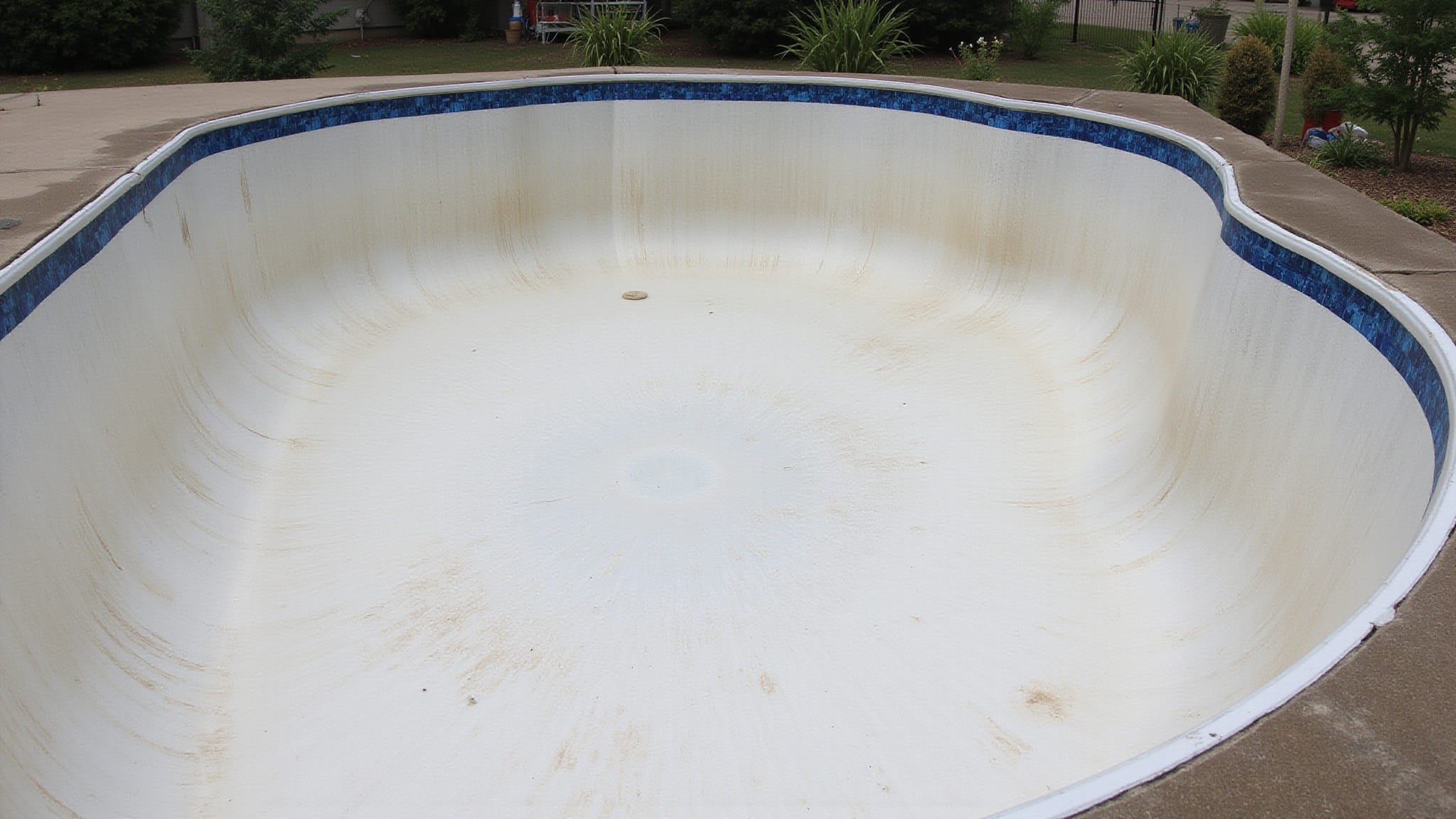
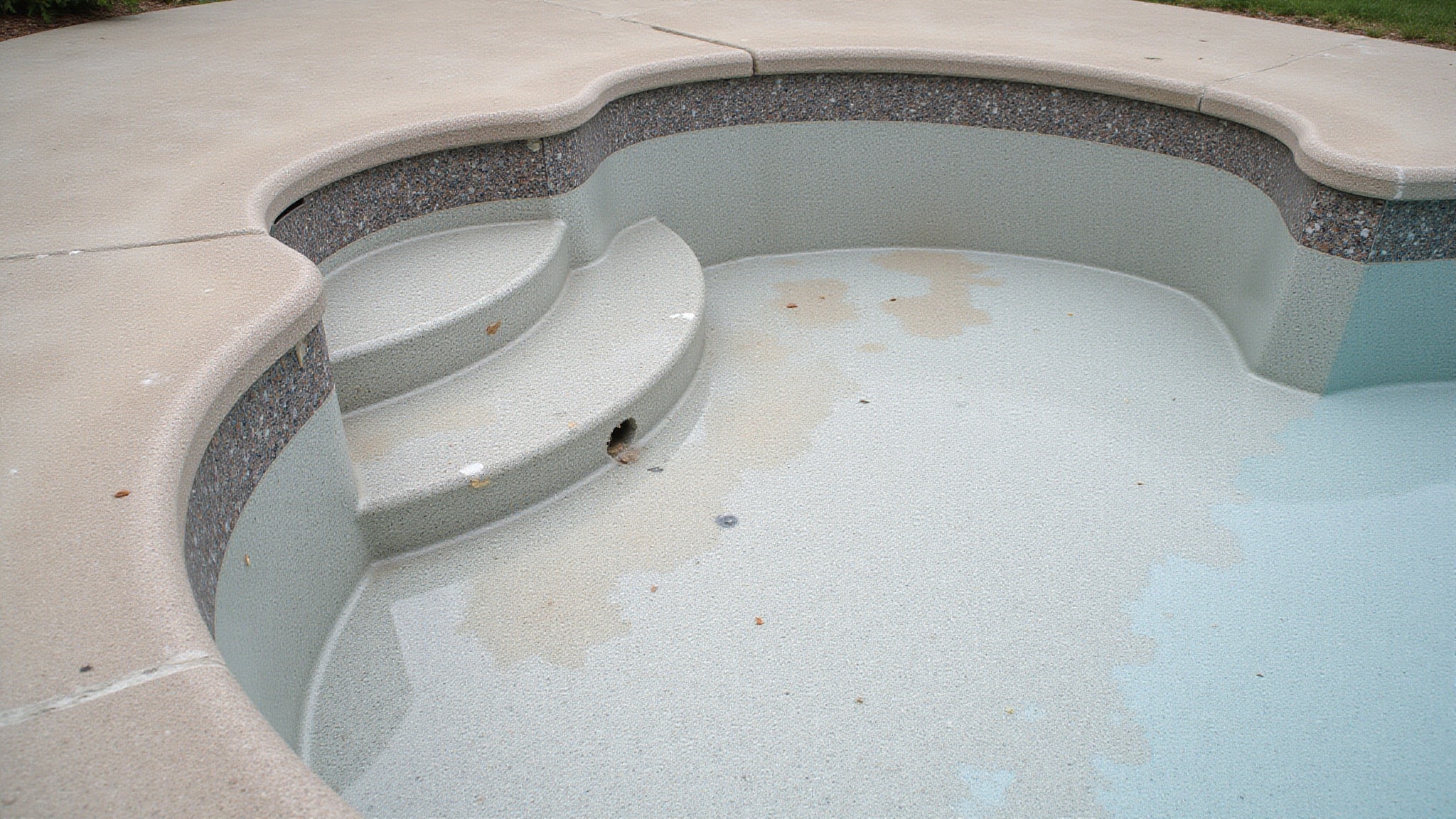
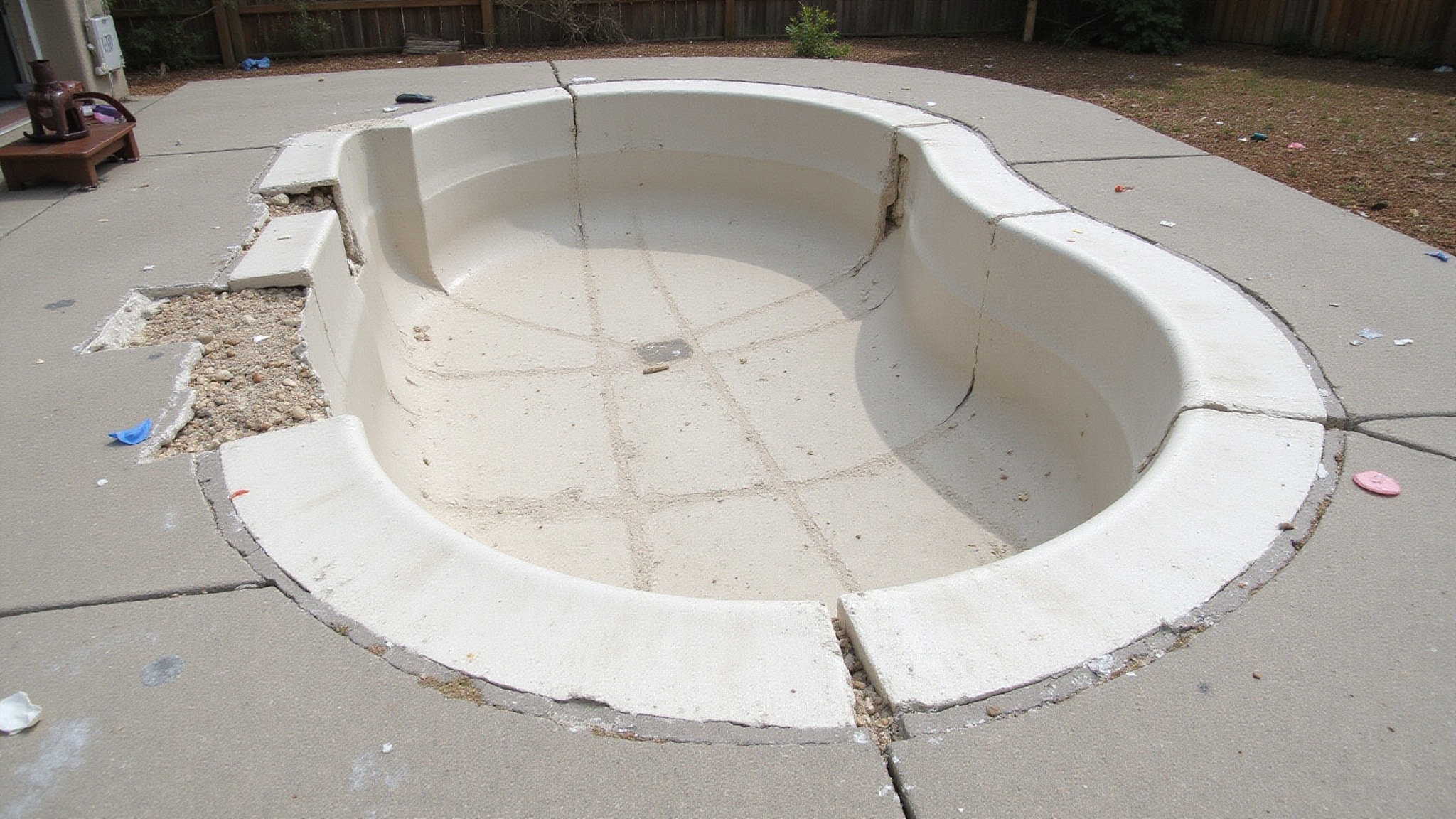
Your liner shows several clear signs when it’s time to replace it. Start with color: fading or discoloration signals UV and chemical damage that’s already weakened the vinyl. Run your hand along the surface and check for brittleness, cracking, or splitting, which means the material’s near the end of its service life. Watch for wrinkles or stretching, both pointing to lost fit or material fatigue. If you’re patching frequently, replacement usually costs less than ongoing repairs. Persistent water loss and leaks are your most practical trigger; once you’re chasing them, it’s time to plan a swap. Catching these signs early lets you budget and schedule before a full-blown rupture.
How does liner thickness change how long it lasts
Thicker liners last longer because the added material resists UV degradation, physical abrasion, and chemical wear better, so you’ll typically buy yourself extra years before cracking or brittleness forces a replacement.
| Liner Thickness | Typical Durability | Best Application |
|---|---|---|
| 20 mil | Lower, wears faster | Budget, low-traffic pools |
| 27 mil | Moderate, balanced | Standard residential use |
| 28-30 mil | Higher, robust | High-sun, heavy-use pools |
| 30+ mil | Longest service life | Harsh climates, frequent use |
A thicker liner pays off in strong sunlight, with frequent swimmers, or against aggressive cleaning tools. You won’t patch as often, and you’ll push replacement closer to that 10-to-15 year window instead of the shorter end.
How can you extend the life of your vinyl liner
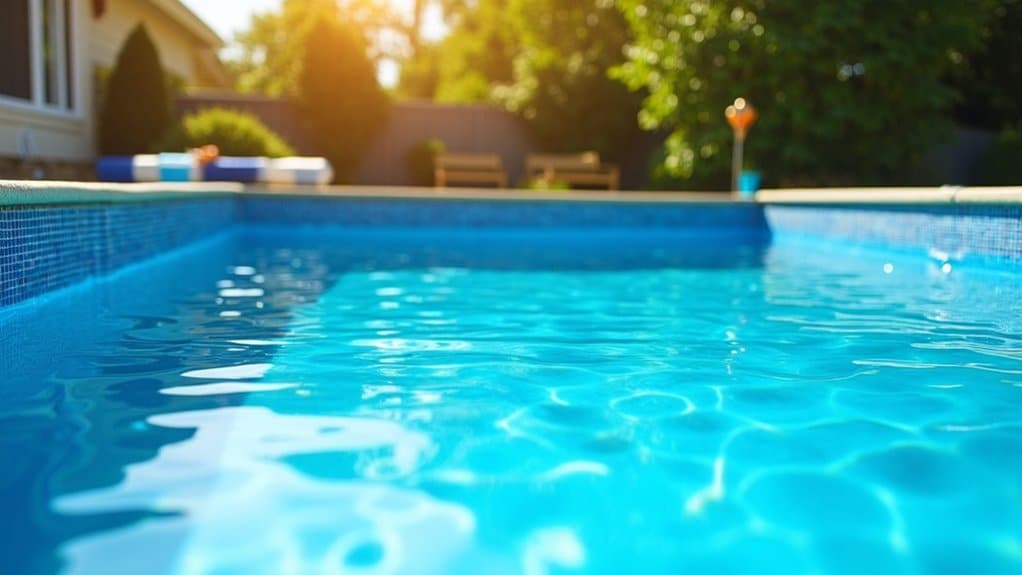
Extend the life of your vinyl liner by controlling the three factors that kill vinyl fastest: UV exposure, water chemistry, and physical wear. Nail these three practices and you’ll push your liner well past the average 7-to-10-year window:
- Balance your water: Hold pH between 7.4 and 7.6 and keep chlorine at 1.0 to 2.0 ppm. Never let tablets rest against the vinyl, they’ll bleach and weaken it.
- Cut UV exposure: Use a cover when the pool’s idle. Cooler climates and shaded seasons dramatically slow fading and brittleness.
- Prevent abrasion: Clean the waterline regularly with vinyl-safe tools, skip household cleaners, and keep sharp toys or rough vacuums off the surface.
Consistency matters more than any single fix here.
How do you plan and budget for a replacement
To plan and budget for a replacement, start with the calendar: mark year seven as your planning trigger, even if your liner still looks fine. Most liners run 7 to 12 years, so setting aside funds early keeps you from scrambling when leaks or brittleness force your hand. Watch for early replacement signs, like fading, wrinkles, and frequent patching, and adjust your timeline accordingly. Above-ground liners in harsh, sun-exposed conditions might need attention closer to year five or six, and well-maintained in-ground liners can stretch past ten. Get quotes from local installers before you’re desperate, since rushed jobs cost more. Factor in water removal, potential wall or floor repairs, and refill expenses, not just the liner itself. Track your pool’s history, including patches, chemistry incidents, and drain events, so you can predict replacement timing with real precision.
Conclusion: Knowing When to Replace a Vinyl Pool Liner
A vinyl pool liner typically lasts several years, but water chemistry, sun, and use all affect how quickly it wears. Fading, cracking, stretching, and persistent leaks are the signs it is time for a replacement. Keeping the water balanced and the liner protected extends its life, while a timely replacement prevents leaks and keeps the pool looking its best. Knowing the signs helps you plan the swap before a worn liner becomes a bigger problem.
Get Expert Help With Your Pool Liner
Whether you’re patching, replacing, or installing a new liner, expert help makes every job stress-free. At Pool Doctor of the Palm Beaches in Kings Point, FL, our experienced team provides trusted Pool Renovation & Remodeling with expert liner work and premium materials. Call +1 (561) 586-2815 today and get your pool back in perfect shape.
Frequently Asked Questions
Can You Replace a Vinyl Liner Yourself, or Hire a Professional?
A handy homeowner can replace an above ground liner, but in-ground liners and precise fitting are trickier and often best left to professionals. A poor fit leads to wrinkles and leaks. If you are confident with the measuring and prep, DIY can work for simpler pools; otherwise a professional ensures a smooth, lasting result.
How Long Does a Professional Liner Replacement Typically Take?
A professional replacement usually takes one to a few days, depending on the pool’s size and type and whether any wall or base repairs are needed. Draining, prepping, fitting the liner, and refilling all take time. Your installer can give a realistic schedule once they have assessed the pool.
Can You Swim Immediately After Installing a New Liner?
Not right away. After the liner is installed, the pool needs refilling and the water needs balancing before it is safe and comfortable to swim. That usually means waiting until the pool is full and the chemistry is in range, which can take a day or more. Testing the water first ensures it is ready.
What Is the Average Cost of a Vinyl Liner Replacement?
Cost depends on the pool’s size and type, the liner’s thickness and pattern, and labor if you hire a pro, so it ranges widely. In-ground replacements cost more than above ground. Getting quotes for your specific pool, including any needed repairs, gives the clearest budget for the project.
Can You Paint or Resurface a Vinyl Liner Instead of Replacing It?
Not effectively. Vinyl liners are not designed to be painted, and coatings do not adhere well or last. Small leaks can be patched, but a worn, faded, or leaking liner is meant to be replaced rather than resurfaced. When a liner reaches the end of its life, a new one is the reliable fix.