
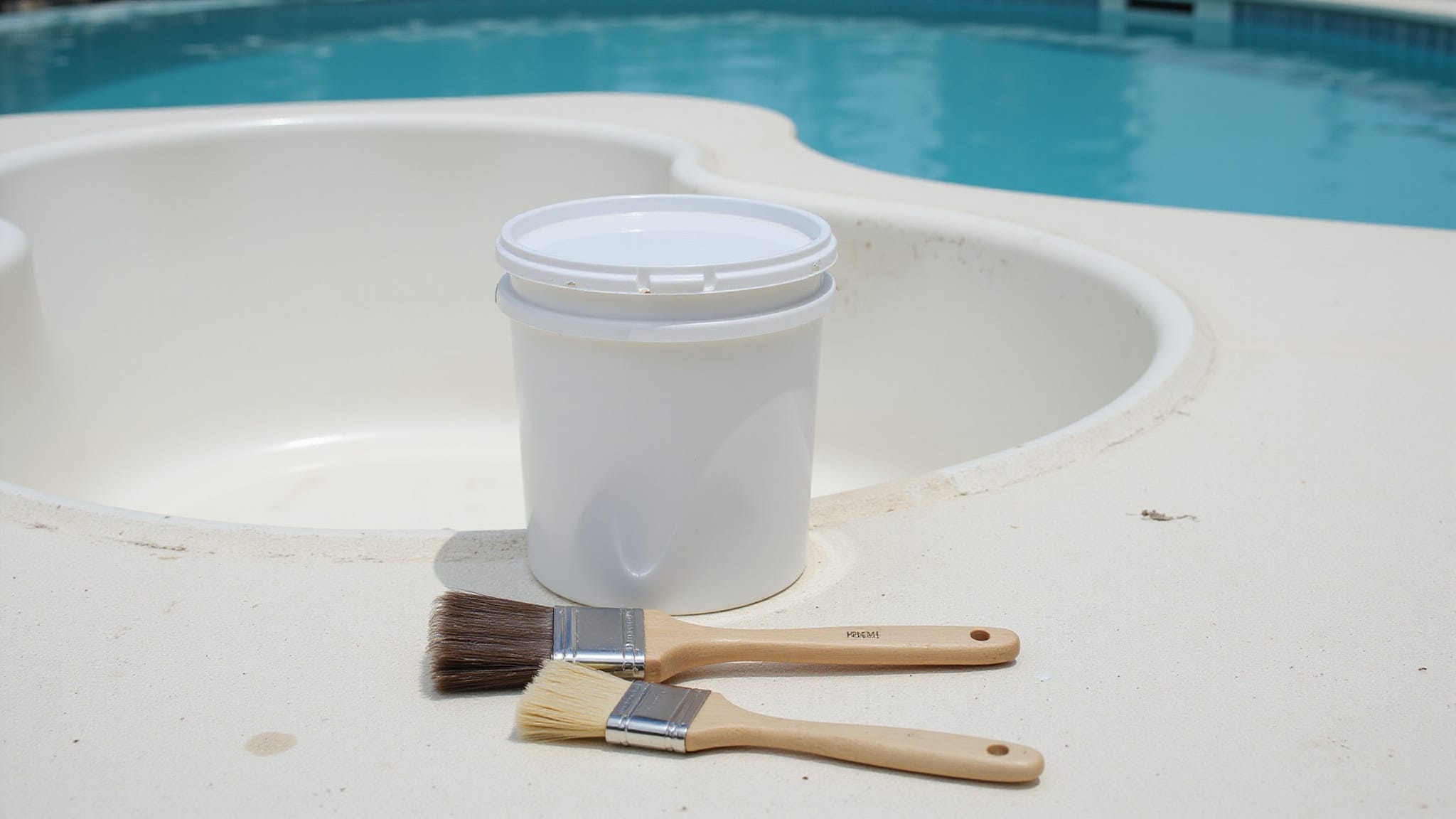
Choose repainting when you’re fixing minor scratches, dings, or isolated blemishes on a sound shell. You’ll pay about $1,500 per 1,000 sq. ft., but it’s short-term and cosmetic. Choose resurfacing when you’re facing widespread gelcoat wear, blistering, cracking, or structural leaks. It runs $5,000, $15,000, sometimes $20,000+ for larger pools and premium finishes, and it restores your protective barrier for the long haul. Your shell’s condition and budget decide it, here’s how to weigh both. Steps to resurface a pool can significantly prolong its lifespan. You’ll need to gather the right materials, including a high-quality resurfacing compound and the necessary tools.
Key Takeaways
- Repainting costs about $1,500 per 1,000 sq. ft., making it the least expensive but shortest-lived, cosmetic-only option.
- Resurfacing costs $5,000, $15,000 (up to $20,000+ for larger pools or premium finishes), offering long-term durability and restored protection.
- Choose repainting for minor scratches, dings, or isolated blemishes on an otherwise sound fiberglass shell.
- Choose resurfacing for widespread gelcoat wear, blistering, cracking, or failing finish across large areas.
- Base your decision on budget ceiling, wear extent, finish goals, shell integrity, and desired time horizon.
Should you choose fiberglass pool resurfacing or repainting
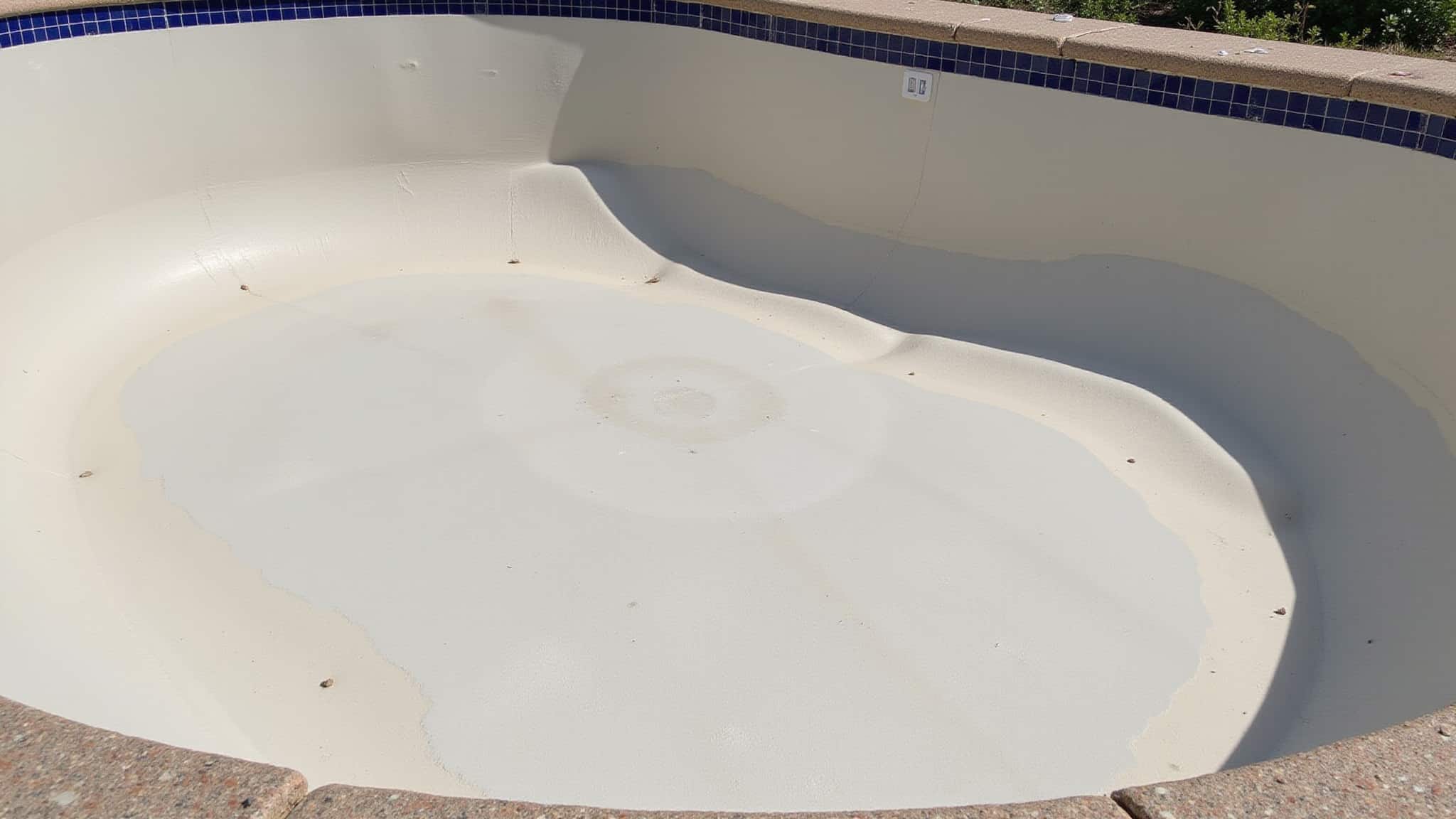
Choose resurfacing for widespread damage and long-term durability, or repainting for minor cosmetic fixes on a sound shell. Look at your pool’s surface condition first. If you’re dealing with minor scratches, dings, or isolated blemishes on an otherwise sound shell, repainting with epoxy paint handles it for roughly $1,500 per 1,000 sq. ft., a short-term cosmetic fix. When the gelcoat shows widespread wear, blistering, cracking, or failure across large areas, resurfacing makes more sense. You’ll pay $5,000 to $15,000, but you gain durability and restored protection, not just fresh color. Consider structural issues too: recurring leaks or cracks push you past simple repainting toward thorough repair. Weigh your budget against your timeline. If you want long-term restoration and premium aesthetics, resurfacing wins. If you need an affordable, appearance-focused touch-up, repainting fits.
What does resurfacing a fiberglass pool involve
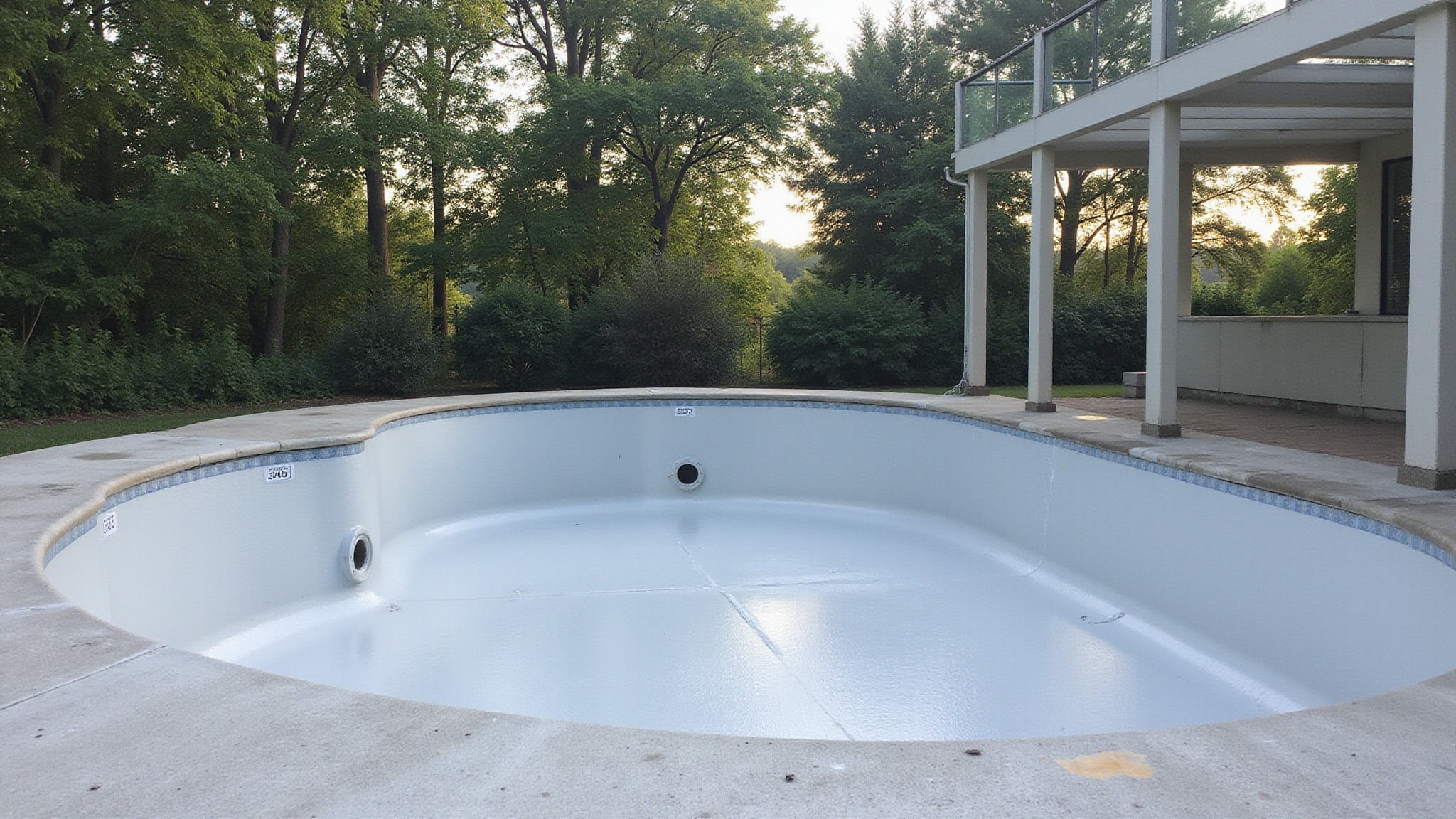
Resurfacing a fiberglass pool involves a full interior finish restoration rather than a surface-level touch-up. Refinishing means applying a new gel coat, epoxy, thermoplastic coating, or aggregate system across the entire shell, not just isolated spots. You’ll typically start with draining, thorough cleaning, and prepping the surface so the new finish bonds properly. If the shell shows structural cracks or leaks, you’ll address those before any coating goes down. Widespread wear, blistering, or aged gel coat all justify this thorough approach. Expect the work to run roughly $5,000 to $15,000, with larger pools and premium finishes pushing toward the upper end. After curing, you’ll refill and restart chemicals, restoring both the pool’s appearance and its protective barrier.
What does repainting involve instead
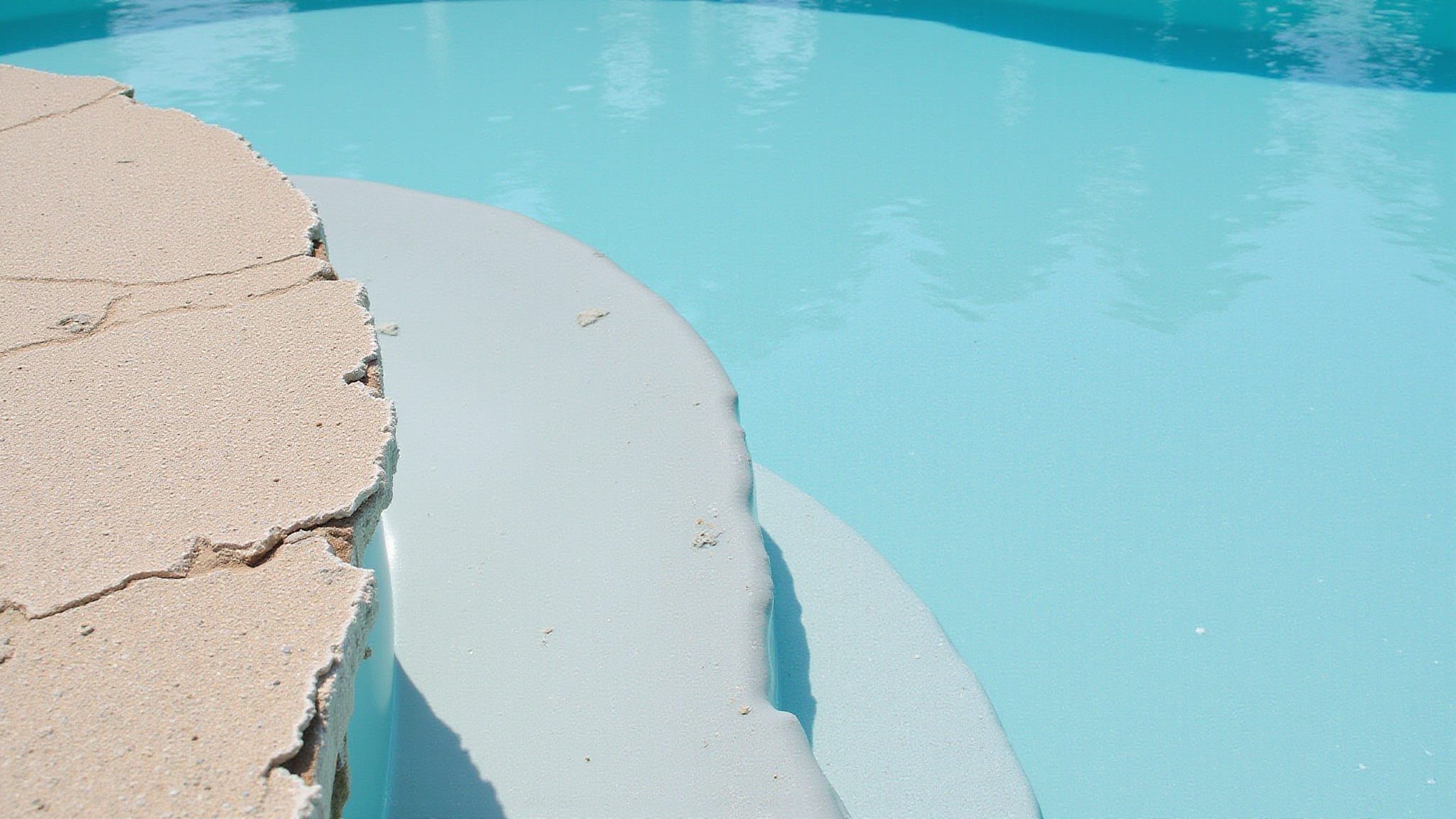
Repainting involves applying a fresh coat over an otherwise sound fiberglass shell. You’re targeting minor scratches and dings, not widespread wear, so the structure stays intact while you refresh appearance. In practice, you’ll often pair the paint with a new gel coat topcoat on small blemishes, running roughly $1,000 to $1,200, or about $1,500 per 1,000 square feet for straight repainting. That makes it the least expensive route by a wide margin. Just know its limits: repainting’s a short-term cosmetic fix, not a long-term restoration. If your gel coat’s broadly blistered, cracked, or failing over large areas, paint won’t hold. You’ll want localized repairs for isolated damage or full resurfacing when deterioration spreads.
How do cost and lifespan compare
Repainting is cheap but short-lived, while resurfacing costs far more yet lasts much longer. Repainting runs cheap and fast, but it’s a cosmetic fix that won’t outlast a failing gel coat. Resurfacing costs far more, yet delivers protection and longevity that repainting can’t match. How often to resurface a pool is a question many homeowners face. Regular maintenance is crucial to ensuring that the surface remains intact and functional.
| Factor | Repainting | Resurfacing |
|---|---|---|
| Typical cost | ~$1,500 per 1,000 sq. ft. | $5,000, $15,000 (up to $20,000+) |
| Best use case | Minor scratches, dings | Widespread wear, failing finish |
| Lifespan | Short-term cosmetic | Long-term restoration |
You’ll pick repainting when the shell’s sound and you just want improved appearance on a tight budget. You’ll choose resurfacing when the gel coat’s broadly worn, blistered, or cracked, since that’s where durable coatings earn their higher price and extended service life.
Which option suits your pool’s condition
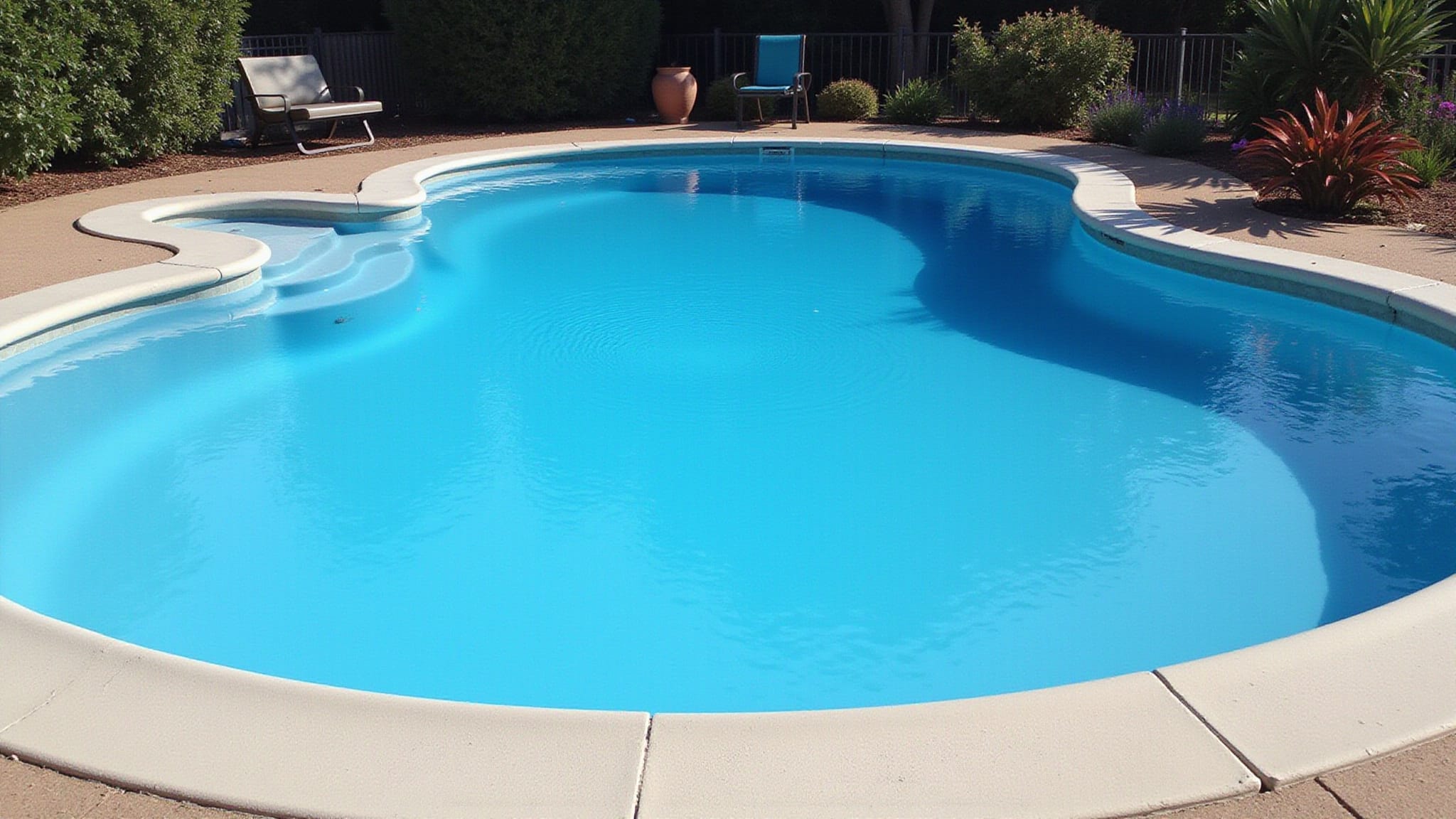
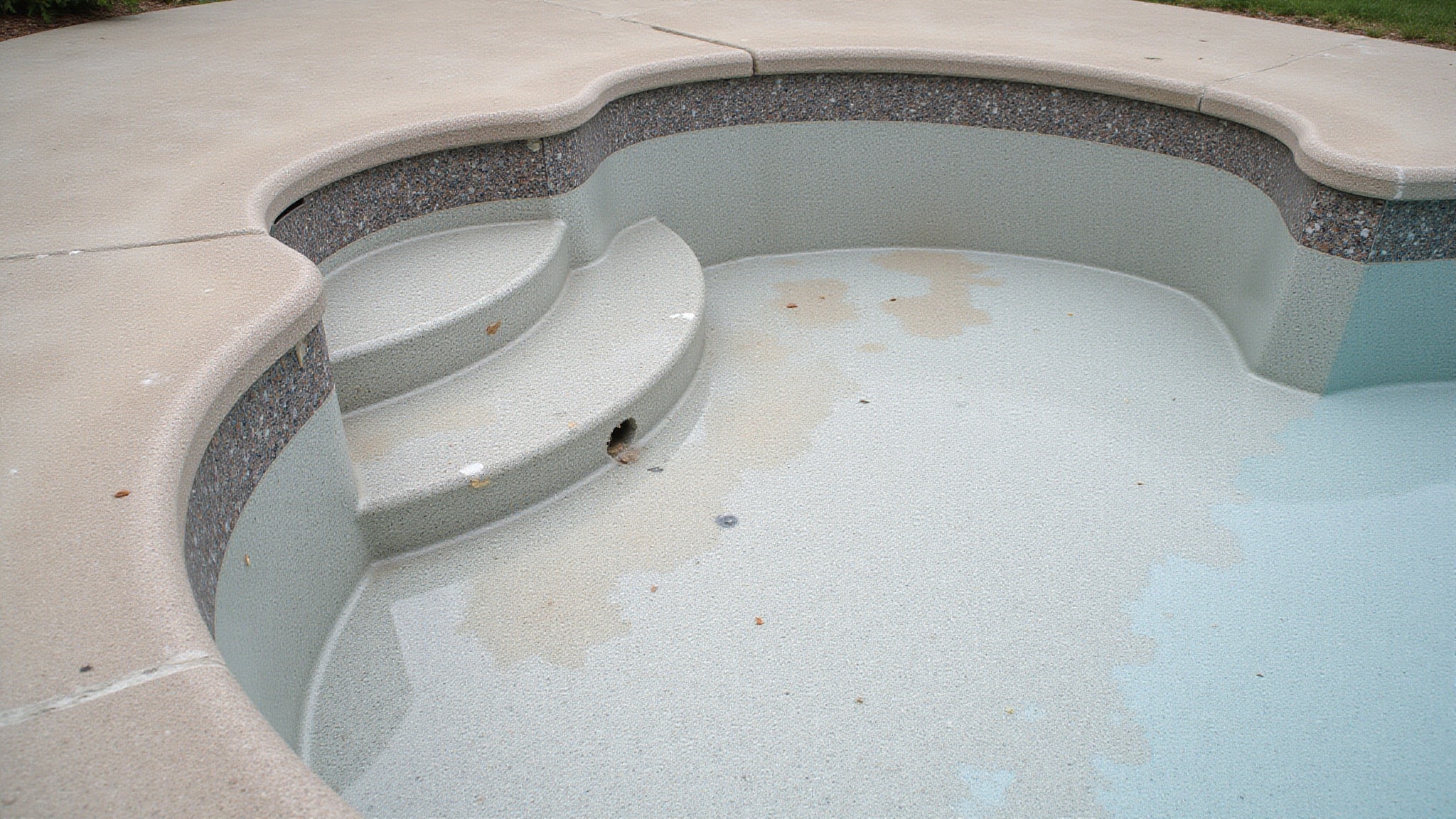
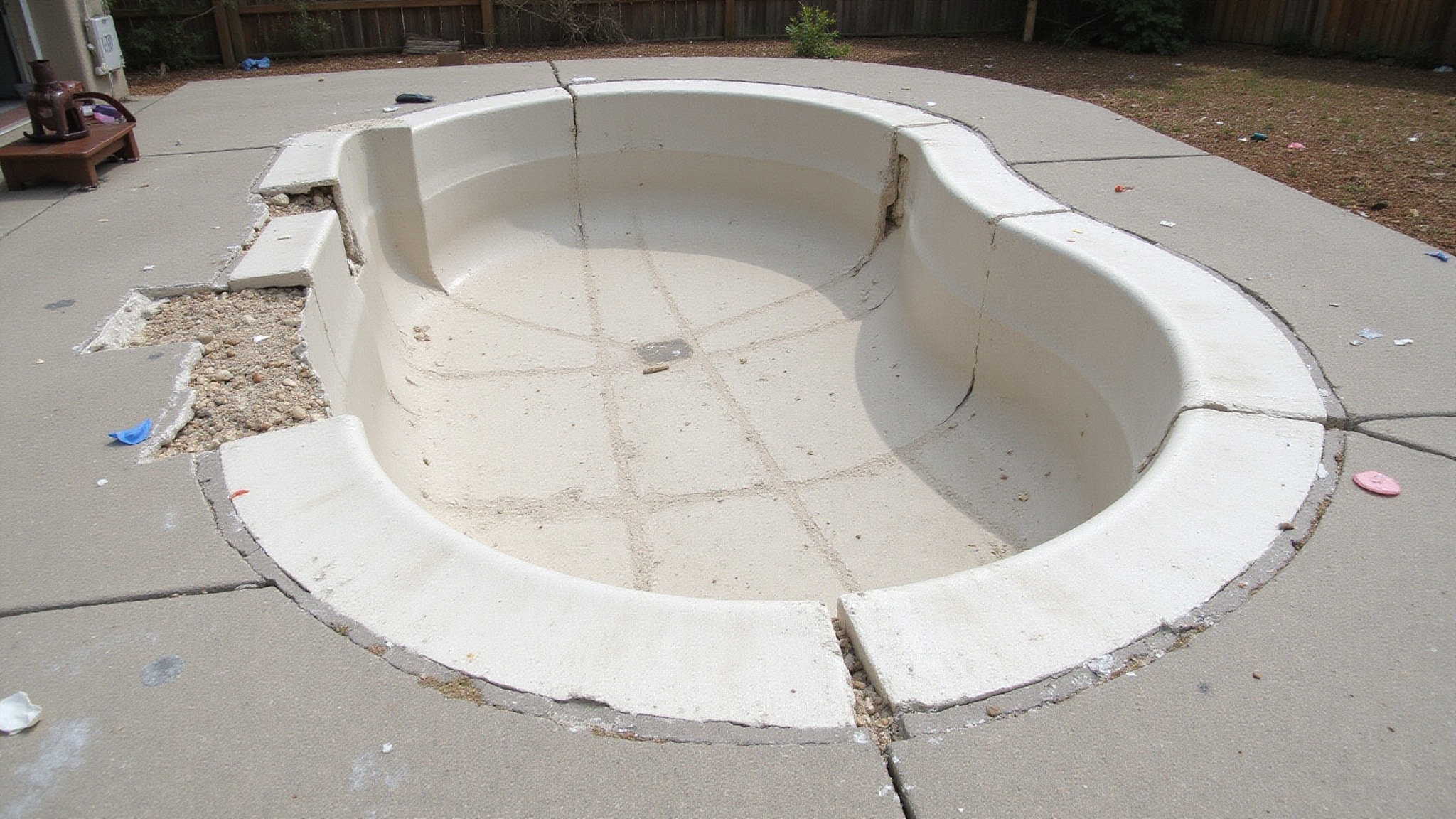
Your pool’s actual surface condition decides which route makes sense. If you’re dealing with minor scratches, dings, or isolated blemishes on an otherwise sound shell, repainting handles the job, often with localized repairs instead of a full refinish. When the gel coat’s broadly worn, blistered, or cracked across large areas, you’ll need full resurfacing to restore both appearance and protection. Inspect for structural cracks, recurring leaks, and widespread deterioration; these push you past repainting toward extensive repair or shell replacement. Fiberglass pools with limited wear may not need resurfacing at all, making repair the smarter value. Match the finish system, gel coat, epoxy, or thermoplastic, to how much wear you’re actually correcting.
How do you decide between the two
Decide between the two by weighing budget, timeline, and how long you want the finish to hold. Repainting runs about $1,500 per 1,000 sq. ft. and covers minor scratches and dings, while full resurfacing at $5,000 to $15,000 corrects widespread gel coat failure and lasts far longer.
- Budget ceiling: Choose repainting for a low upfront cost; resurfacing when you can absorb $6,000-plus.
- Wear extent: Isolated blemishes favor repainting; broad blistering or cracking favors resurfacing.
- Finish goals: Pick resurfacing for gel coat, epoxy, or thermoplastic durability.
- Shell integrity: Structural cracks or recurring leaks push you past repainting entirely.
- Time horizon: Resurfacing suits long-term restoration; repainting handles short-term cosmetic fixes.
Conclusion: Resurface or Repaint
Repainting a fiberglass pool is cheaper up front but needs redoing every few years, while resurfacing costs more and lasts far longer. The right call comes down to how long you plan to keep the pool and how much recurring work you want to sign up for. For most owners staying put, resurfacing is the better value over time even with the higher initial price. With a proper pool resurfacing timeline, you can effectively plan for maintenance and ensure your investment remains in top condition.
Give Your Pool a Beautiful New Life
Resurfacing or replastering your pool transforms the entire look and extends its life for many years to come. At Pool Doctor of the Palm Beaches in Palm Beach Gardens, FL, our experienced team provides trusted Pool Renovation & Remodeling with expert craftsmanship and premium materials. Call +1 (561) 586-2815 today and plan your pool’s transformation.
Frequently Asked Questions
How Long Does It Take to Resurface a Fiberglass Pool?
A professional resurfacing usually takes about five to seven days from draining to refilling. The steps of prepping the shell, applying the new surface, and letting it cure each need time. A simple repaint goes faster, often two to three days, but does not hold up nearly as long as a full resurface.
Can I Repaint or Resurface My Fiberglass Pool Myself?
Repainting is within reach for a handy owner willing to do careful prep, since surface cleaning and sanding drive the result. Full resurfacing with gelcoat or epoxy is trickier and usually best left to a pro, because an uneven application shows and can fail early. Match the job to your experience before committing.
What Type of Paint Works Best on Fiberglass Pools?
Epoxy-based pool paint is the top choice for fiberglass, since it bonds well and stands up to sun and chemicals for several years. Chlorinated rubber and acrylic paints cost less but wear faster. Whatever you choose, matching the new paint to what was used before matters, since mismatched types can peel.
How Often Should a Fiberglass Pool Be Inspected for Damage?
A close look once a year catches most problems early, ideally before the busy swim season. Watch for blisters, spider cracks, chalky spots, and fading between inspections too. Catching small surface issues early keeps them from spreading into the kind of damage that forces a full resurface sooner than planned.
Does Resurfacing or Repainting Affect My Pool Warranty?
It can, so check the terms before starting. Some manufacturer warranties require approved materials or professional application, and DIY work can void coverage. If your pool is still under warranty, call the maker or installer first to confirm what is allowed, rather than risking the protection you already have.