

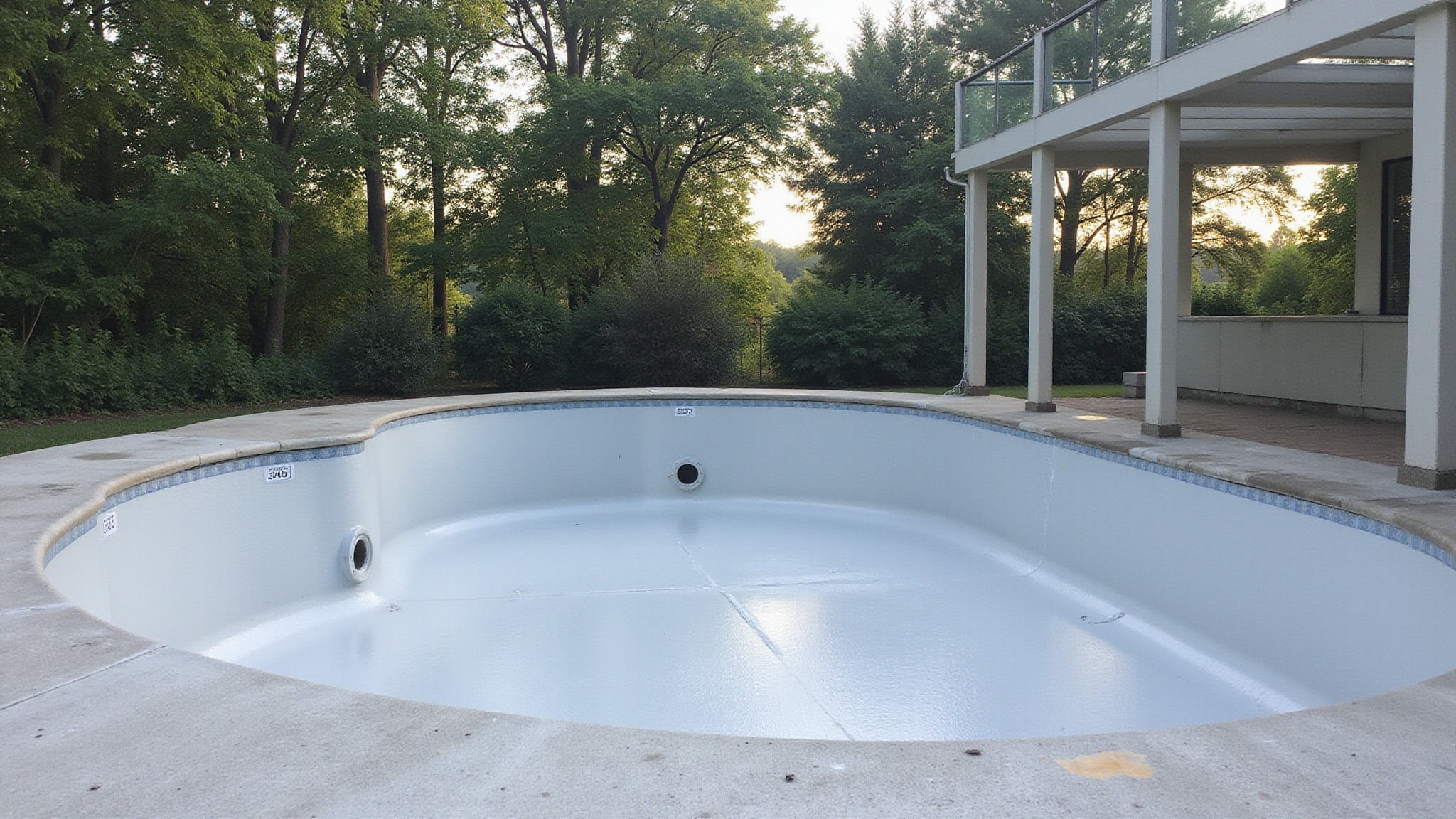
You’ll resurface most standard residential pools every 8 to 10 years, but your finish material drives that interval. Plaster runs 5 to 10 years, quartz 10 to 15, pebble 15 to 25, and fiberglass 15 to 30. To extend any finish, maintain proper water chemistry, brush frequently, and clean consistently. Watch for cracks, rough patches, flaking, and staining, these override the calendar. Below, you’ll find exactly what shapes your pool’s timeline. How to resurface a pool involves several steps that ensure a smooth and long-lasting finish. First, you’ll need to drain the pool and thoroughly clean the surface before applying any new material.
Key Takeaways
- Resurfacing frequency depends on finish type: plaster lasts 5 to 10 years, quartz 10 to 15, pebble 15 to 25, and fiberglass 15 to 30 years.
- Water chemistry is the biggest factor, as poor balance etches, stains, and roughens surfaces, shortening any finish’s lifespan.
- Watch for warning signs like cracks, chips, rough patches, flaking, discoloration, or frequent water loss, which override calendar-based schedules.
- Prevent damage by maintaining proper chemistry, brushing frequently, cleaning consistently, and performing routine inspections to catch issues early.
- Adjust your baseline of 8 to 10 years for heavy usage, harsh climate, or inconsistent maintenance, which all shorten resurfacing intervals.
How often should you resurface a pool
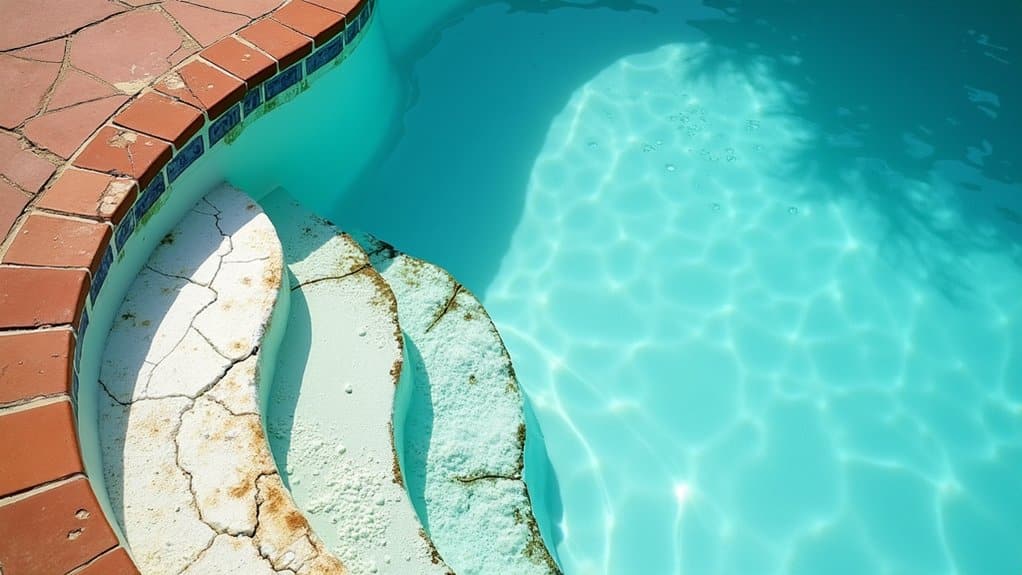
Plan on resurfacing your pool somewhere in the 5 to 20 year range, though the exact interval depends heavily on your finish type and how well you maintain it. Your finish drives the resurfacing interval more than any other factor. Plaster lifespan typically runs 5 to 10 years, clustering around 7 to 10, while quartz extends to 10 to 15 years. Pebble finishes last 15 to 25 years, and a fiberglass finish can reach 15 to 30 years before major surface work becomes necessary. Tile often exceeds 20 years with strong maintenance. For most standard residential pools, plan on 8 to 10 years as a practical baseline. Heavy use can shorten that to roughly 7 years, and light use and diligent care push intervals toward 10 to 12 years or beyond. Concrete pools generally fall in the 10 to 20 year range.
What factors affect how often resurfacing is needed
Water chemistry, climate, usage level, and maintenance habits determine how quickly your pool surface wears out, and water chemistry tops the list. Poor chemistry accelerates etching, staining, and roughness, while low pH or low calcium hardness can degrade plaster in just 5 to 7 years. Your climate, usage level, and maintenance habits also drive wear. The best time of year to resurface a pool is typically during warmer months when temperatures are consistently above 50 degrees Fahrenheit. This ensures that the materials cure properly and last longer.
Water chemistry tops the list, poor balance etches, stains, and roughens surfaces, degrading plaster in just 5 to 7 years.
- Water chemistry: Imbalanced water etches and stains surfaces, shortening any finish’s lifespan.
- Climate: Harsh conditions compress resurfacing cycles compared with moderate environments.
- Usage: High traffic increases abrasion and speeds visible deterioration.
- Maintenance: Neglected upkeep pushes resurfacing sooner, even on durable materials.
Finish matters too. Fiberglass tolerates wear longer than plaster, but no surface survives poor care. Consistent maintenance protects every finish and extends your resurfacing interval markedly.
What are the warning signs of a worn surface
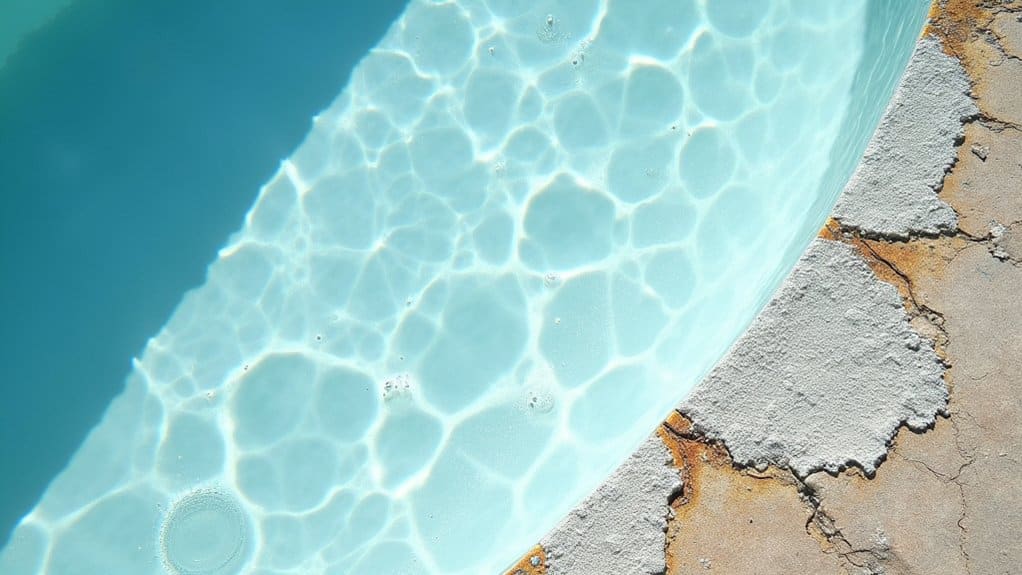
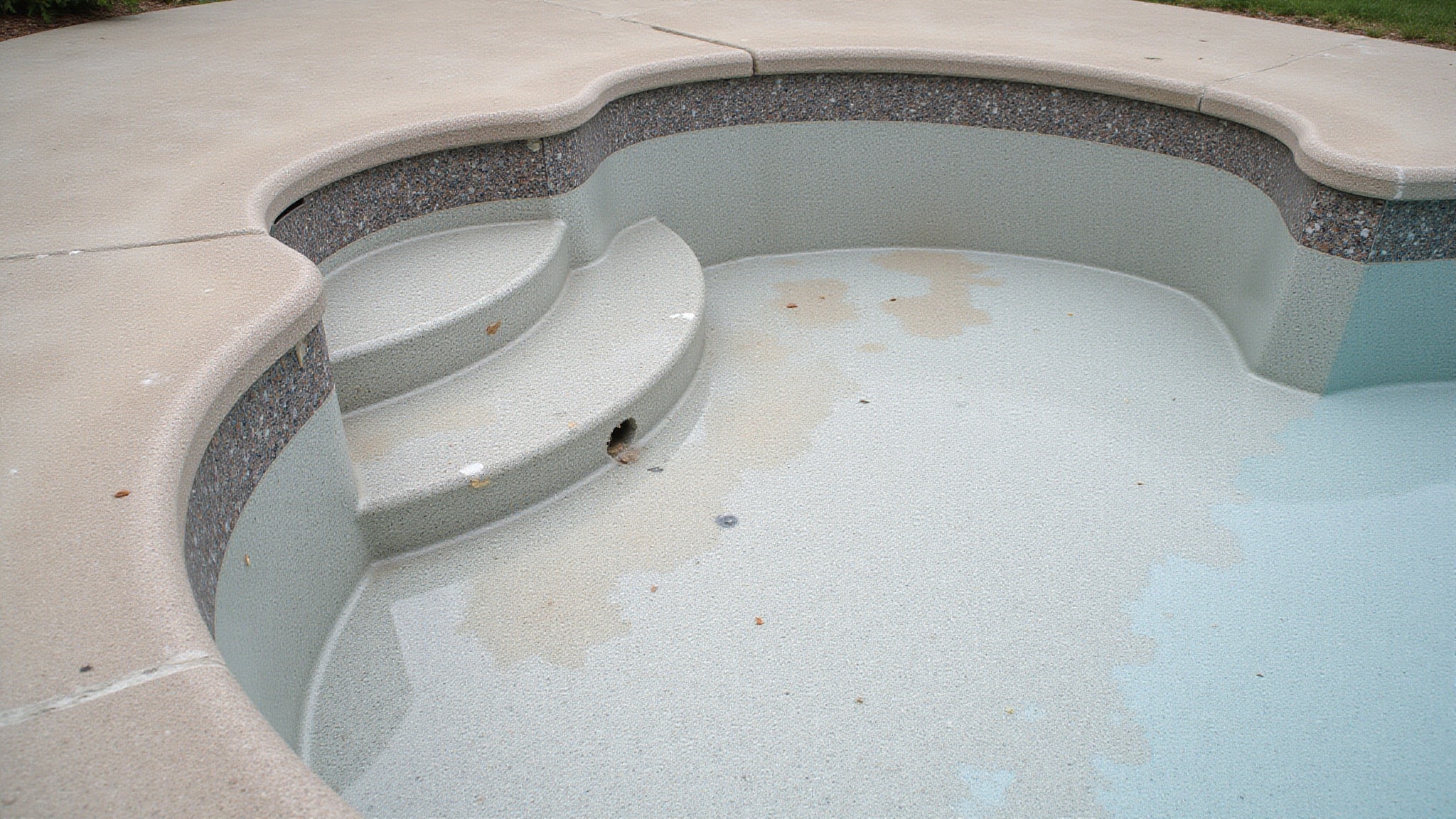
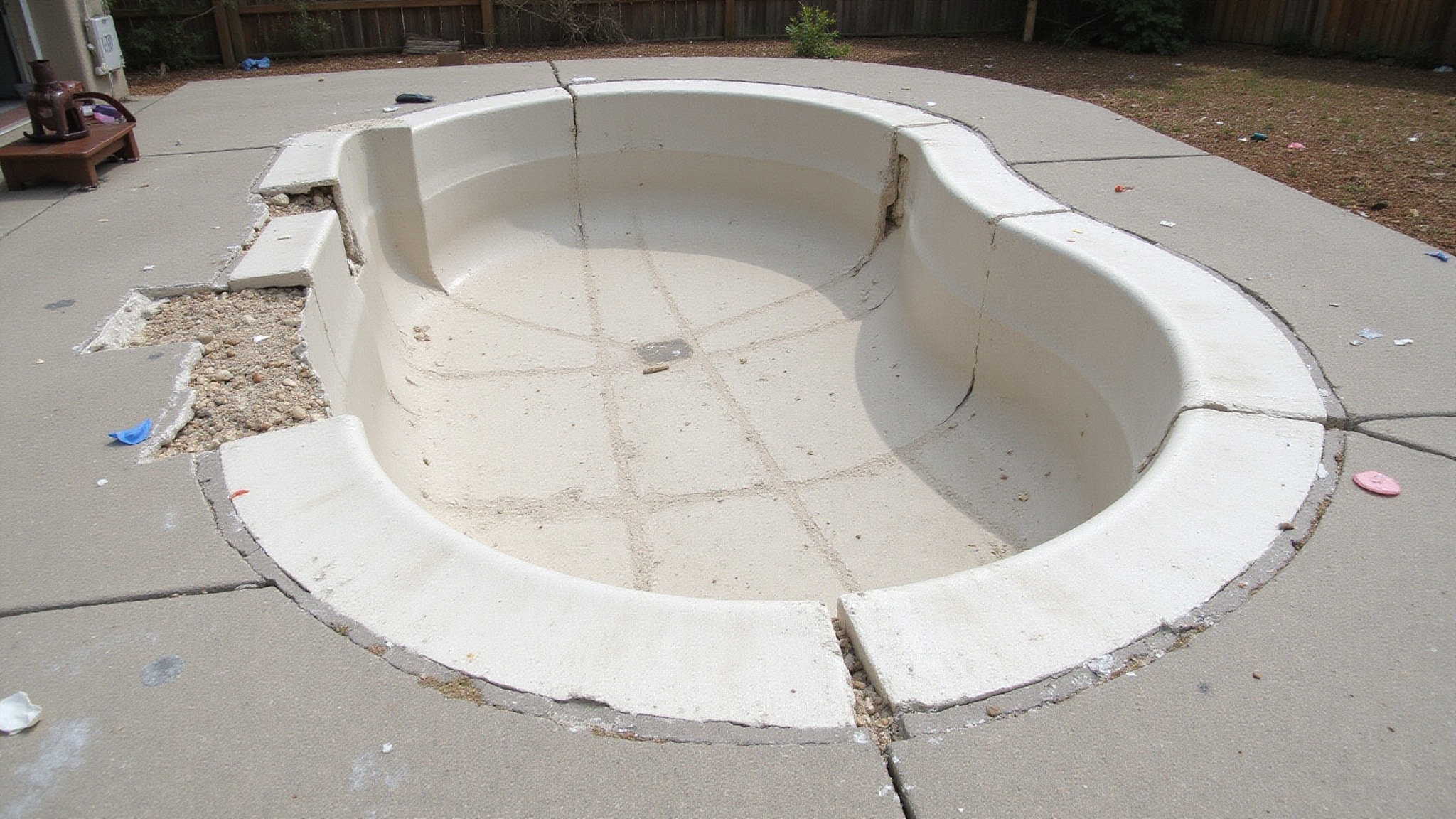
Your pool’s surface will tell you directly when it’s failing. Watch for cracks or chips, which signal structural or finish failure and worsen rapidly if you ignore them. Rough patches typically indicate chemical damage or surface breakdown, exposing the porous layer beneath. Flaking plaster is a clear warning that the finish is deteriorating and may already be exposing the underlying shell. Frequent water loss often points to leaks or surface damage requiring immediate attention. Discoloration, stains, and rust marks appear as the surface ages and becomes porous. Inspect routinely so you catch these signs early. When you spot surface failure, act on it. Damage overrides your calendar and demands resurfacing before the expected interval.
How does the finish material change the interval
The finish material you choose dictates your resurfacing interval more than any other factor. Plaster wears fastest, typically demanding attention every 5 to 10 years, with most sources clustering around 7 to 10. Quartz extends that window to roughly 10 to 15 years thanks to its harder aggregate. Pebble delivers exceptional durability, often lasting 15 to 25 years with proper care. Fiberglass surfaces can hold up 15 to 30 years before major work becomes necessary, while tile leads the field at 20+ years under strong maintenance.
| Finish Type | Resurfacing Interval |
|---|---|
| Plaster | 5 to 10 years |
| Quartz | 10 to 15 years |
| Pebble | 15 to 25 years |
| Fiberglass | 15 to 30 years |
Match your planning horizon to the finish you’ve installed, and you’ll budget resurfacing costs far more accurately.
How can you prevent surface damage between jobs
Prevent surface damage between jobs by maintaining proper water chemistry, brushing, cleaning, and inspecting your pool regularly. Proper maintenance routinely extends the life of any finish, delaying your next resurfacing job by years. The biggest threat is unbalanced water chemistry, which etches, stains, and roughens surfaces faster than any other factor. Low pH or low calcium hardness can damage plaster severely, cutting its lifespan to 5 to 7 years. Consistent attention keeps porous finishes intact and prevents small problems from escalating.
- Balance water chemistry regularly to reduce etching, scaling, and stain formation.
- Brush the pool frequently, especially after new plaster, to help the finish cure properly.
- Clean consistently to limit algae growth and debris buildup on porous surfaces.
- Inspect routinely so minor cracks, chips, or discoloration get caught early.
Catching damage early keeps your interval on schedule.
How do you plan and budget for the next resurface
Base your planning timeline on your finish type rather than a generic estimate. Plaster demands the most aggressive schedule, so plan around 7 to 10 years and set funds aside earlier. Quartz stretches your interval to 10 to 15 years, while pebble and tile justify 15 to 25 years or beyond, letting you spread costs across longer cycles. Adjust these baselines for your conditions: heavy use, harsh climate, or inconsistent chemistry can shorten intervals toward 5 to 7 years, so build in a margin. Track your surface’s age and inspection history to forecast the replacement year accurately. Let observed warning signs override the calendar. Cracks, flaking, or roughness mean you’ll fund the job sooner. Reserve incrementally each year so the expense doesn’t hit as an unexpected lump sum.
Conclusion: Staying Ahead of Wear
Resurfacing on schedule, roughly every 10 to 15 years for plaster, is what keeps small surface wear from turning into structural trouble. Watching for the early signs and acting before a leak forces your hand saves money and stress. Treat resurfacing as planned upkeep rather than an emergency and the pool stays sound for the long haul. Resurfacing vs repainting a fiberglass pool is a common consideration for pool owners. Understanding the differences can help you decide which option is best for maintaining your pool’s integrity.
Give Your Pool a Beautiful New Life
Resurfacing or replastering your pool transforms the entire look and extends its life for many years to come. At Pool Doctor of the Palm Beaches in Palm Beach Gardens, FL, our experienced team provides trusted Pool Renovation & Remodeling with expert craftsmanship and premium materials. Call +1 (561) 586-2815 today and plan your pool’s transformation.
Frequently Asked Questions
How Long Does the Pool Resurfacing Process Typically Take to Complete?
Expect about five to seven days from draining to refilling. Chipping out the old surface, applying the new finish, and letting it set each take a day or two, and refilling a large pool adds time. Weather and crew size shift the schedule, so ask for a written timeline before work starts.
Can You Resurface a Pool Yourself, or Hire a Professional?
Most owners are better served hiring a pro. The material sets quickly and must be applied evenly in a single session, which is hard to manage without experience and a full crew. A DIY finish tends to show streaks and rough spots that are permanent, so the pro route usually pays off.
How Much Does Pool Resurfacing Usually Cost per Square Foot?
Resurfacing commonly runs about 4 to 12 dollars per square foot, depending on the finish. Basic plaster sits at the low end, while quartz and pebble aggregates cost more. Since square-foot pricing varies with pool shape and prep work, a full quote gives a truer picture than the per-foot figure alone.
Can You Change Your Pool’s Finish Type During Resurfacing?
Yes, resurfacing is the ideal time to switch. Many owners move up from plain plaster to quartz or pebble for better durability and a different look. The shell stays the same, so you are free to choose a new finish. Talk through the options with your contractor, since each has its own cost and lifespan.
How Long Before You Can Swim After Resurfacing?
Most pools are swimmable within seven to ten days, after refilling and balancing the water so it holds steady. The finish keeps curing beneath the surface for about a month, but you do not need to wait that long to swim as long as the chemistry stays balanced through those early weeks.