
You’ll get the best resurfacing results in fall, September through November, when temperatures settle into the ideal 70°F to 90°F band. That mild weather lets the plaster cure chemically instead of drying too fast, so you avoid cracks and adhesion problems. Fall also brings lower humidity, better contractor availability, and labor costs that run 10% to 15% less. Late spring runs a close second. Below, you’ll find exactly how each season stacks up.
Key Takeaways
- Fall (September through November) is the single best time to resurface a pool, offering lower heat and reduced humidity for consistent curing.
- Late spring (March through May) is a strong second choice, often reaching the ideal 70°F to 90°F curing range.
- Aim for temperatures between 70°F and 90°F, since pool finishes cure chemically and require stable conditions.
- Avoid peak summer, as excessive heat dries plaster too quickly and increases cracking risk.
- In frost-free markets, winter resurfacing can lower labor costs by 10% to 15%, but avoid nights below 50°F.
What time of year is best to resurface a pool
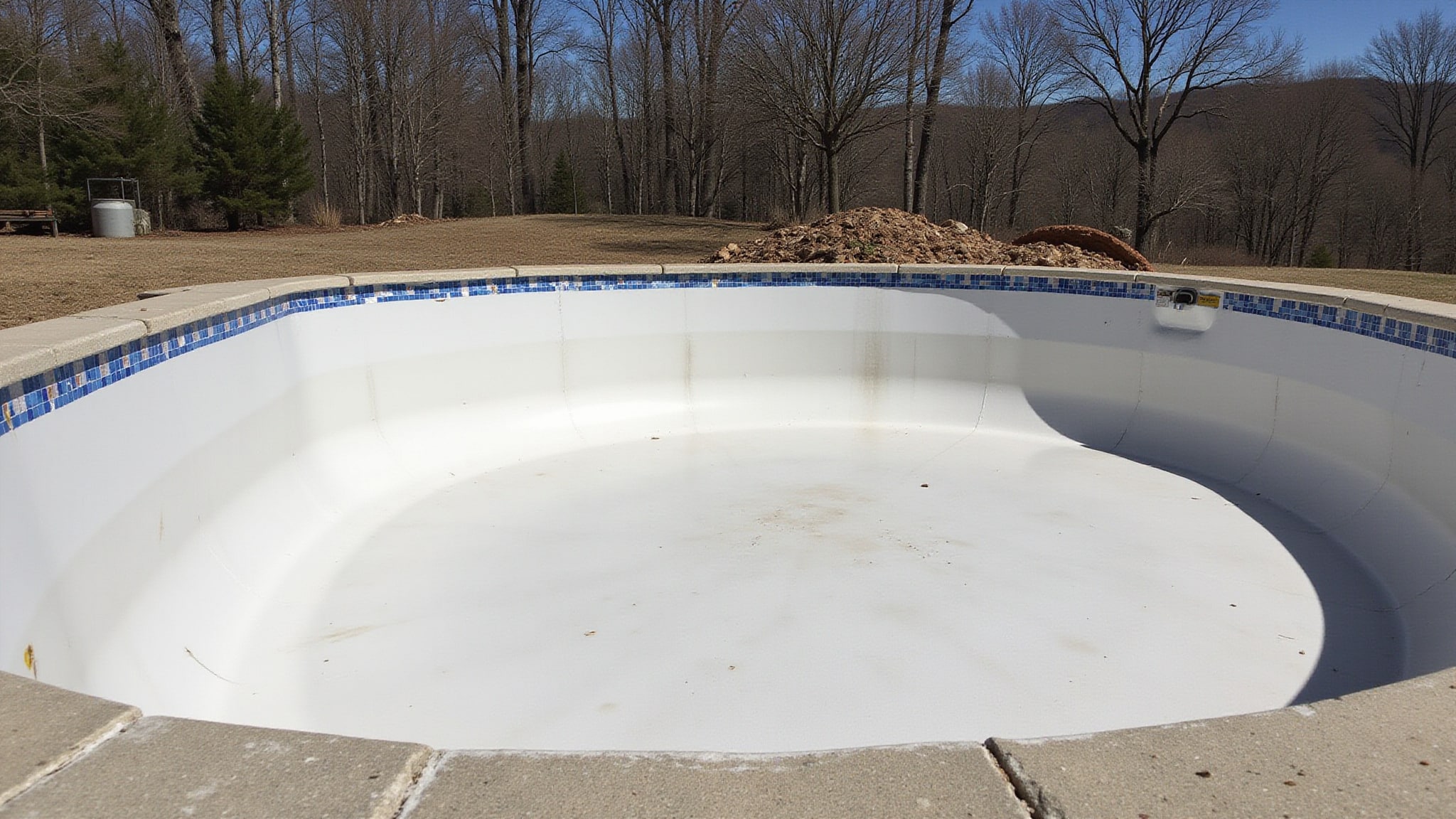
The best time of year to resurface a pool is spring or fall, when moderate, stable temperatures deliver the most reliable curing conditions. Fall stands out as the single best window, especially September through November, when heat drops, rain becomes less disruptive, and downtime matters less. Late spring, roughly March through May, runs a close second, letting you finish before summer swim season. How do you resurface a pool? This process typically involves draining the water, cleaning the surface, and applying new plaster or paint.
Watch the temperature closely. You want a favorable band around 70°F to 90°F, avoiding nighttime lows below 50°F that risk freezing plaster. Skip peak summer, when excessive heat dries plaster too fast and cracks the finish. These shoulder seasons balance workable weather, better contractor availability, and stronger cure quality for lasting results.
Why does timing matter for the results
Timing matters because the finish cures chemically, not just superficially, and that reaction depends heavily on ambient conditions. When you resurface during mild weather, temperatures stay within that 50°F to 90°F range, ideally 70°F to 90°F, giving plaster stable conditions to set correctly. Push the job into peak heat, and the surface dries too fast, inviting cracks before curing completes. Schedule it during a cold snap, and night temperatures below 50°F create freeze risk that compromises adhesion. Humidity matters too. Lower humidity speeds consistent curing, while excess moisture or rain dilutes coatings and delays the work. You’re not just picking a convenient date; you’re controlling the chemistry. Get the weather right, and your finish bonds tightly, lasts longer, and resists early defects.
How does a spring job affect the outcome
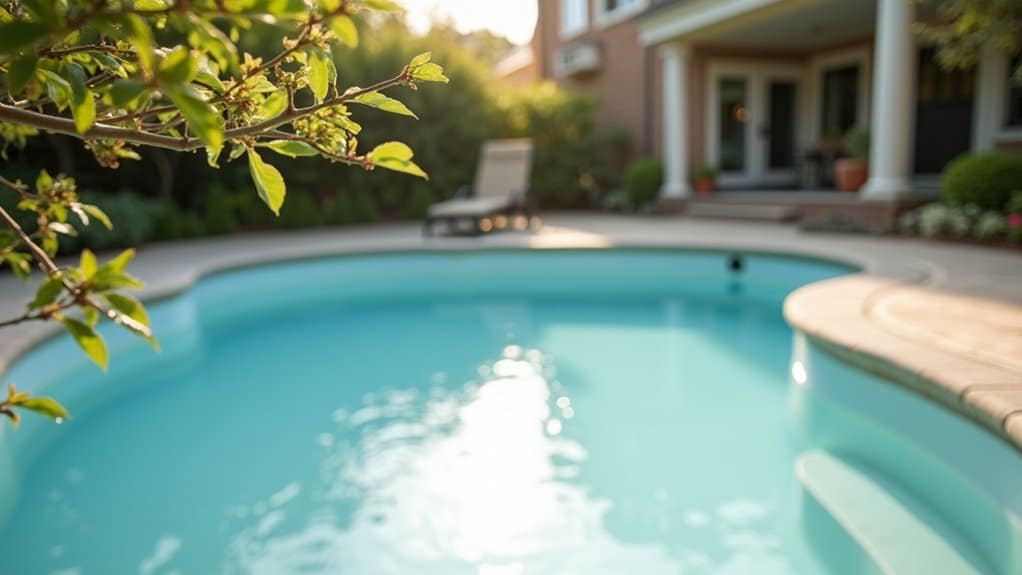
A spring job sets up your pool for summer use without pushing into peak-heat risk, especially in late spring from March through May. You get temperatures settling into that favorable 50°F to 90°F range, often hitting the preferred 70°F to 90°F band for stable curing. That moderate warmth protects plaster adhesion and reduces the rapid-drying defects you’d fight in summer. Watch your night temperatures, though. Early spring can still drop near 50°F, creating freeze risk for fresh plaster and concrete. Track rainfall too, since excess moisture dilutes coatings and delays cure. If you’re running epoxy, confirm sustained temps above 60°F for proper bonding. Book early, because demand climbs as homeowners target summer readiness, and permit queues lengthen. Nail the weather, and you’ll finish swim-ready.
How do summer and fall conditions impact it
Summer fights you at every step because peak heat dries plaster too quickly, increasing crack risk as surface moisture escapes before proper curing sets in. You’ll also face the highest scheduling demand, so contractor calendars fill fast and lead times stretch. Daily thunderstorms in humid regions add rain delays and moisture that dilute coatings.
Fall flips that equation in your favor. From September through November, lower heat and reduced humidity give you stable, consistent curing. Rain often eases in many markets, and pool downtime matters less once swim season winds down. You’ll find better contractor availability too, sometimes cutting labor costs 10% to 15%. Watch your night temperatures, though. As fall deepens, dropping lows can threaten adhesion and cure reliability. When to resurface a pool again depends on how well the surface has held up over the summer months. Regular inspection can help you determine if it’s time to take action before the season changes.
Why is winter often chosen for the work
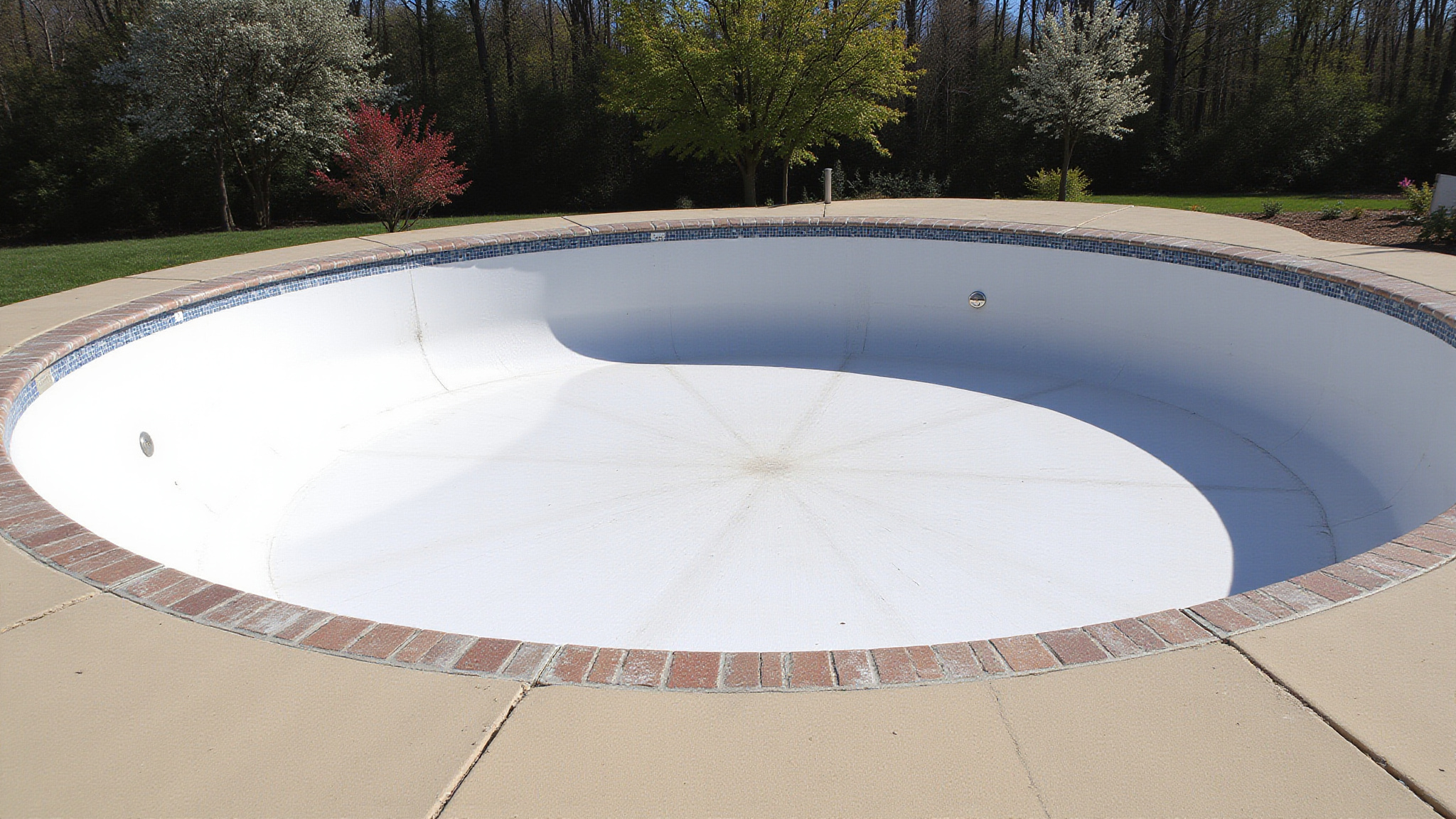
Winter is often chosen for the work because it opens a genuine off-season in frost-free markets like South Florida, Southern California, and the Desert Southwest, where contractor demand drops and your scheduling leverage climbs. You’ll often find crews with open calendars and labor costs running 10% to 15% lower than peak-season rates. In these regions, daytime temperatures stay comfortably within the 50°F to 90°F curing band, and lower humidity speeds consistent plaster set. The trade-off is vigilance: you’ve got to watch night temperatures, since anything below 50°F introduces freeze risk to fresh plaster and concrete. Rain events still demand monitoring, though many mild-climate winters bring drier stretches than summer’s daily storms. If you’re targeting a late-winter or early-spring finish, book now, you’ll lock in pricing and availability before spring demand tightens the queue.
How does temperature affect curing
Temperature directly controls whether plaster sets evenly or fails prematurely, because plaster cures through a chemical reaction that’s temperature-driven. You want to stay within 50°F and 90°F, with 70°F to 90°F giving you the most stable set. Push past the upper limit and plaster dries too fast, inviting cracks. Drop below 50°F at night and you’re risking freeze damage to plaster and concrete.
| Temperature Range | Curing Effect | Risk Level |
|---|---|---|
| Below 50°F | Freeze damage, slow set | High |
| 50°F, 70°F | Workable, slower cure | Moderate |
| 70°F, 90°F | Even, stable curing | Low |
| Above 90°F | Rapid drying, cracking | High |
| Sustained 60°F+ | Epoxy adhesion holds | Low |
Watch your night lows, not just daytime peaks.
How do you pick the best time for your climate
Pick the best time for your climate by basing your decision on night temperatures, rainfall, humidity, and contractor lead time rather than the calendar alone. Since climate dictates your freeze risk and rain patterns, you can’t just copy a calendar date from another region. Start by tracking your night temperatures, since anything below 50°F introduces freeze risk that compromises plaster and concrete curing. If you’re in a frost-free market like South Florida, Southern California, or the Desert Southwest, winter becomes a legitimate off-season with lower contractor demand. In Florida, you’ll get better results from October through April, avoiding June through September thunderstorms. In colder regions, stick to shoulder seasons to dodge freezing conditions. Watch your humidity and rainfall too, since excess moisture slows curing and dilutes coatings.
Conclusion: Timing a Resurface
The best window to resurface is the cool, slower season, when crews have room to schedule you and the finish can cure without summer heat rushing it. That usually means fall or winter in warm climates, with enough lead time to have the pool ready before you want to swim. Book early and the timing works in your favor on both price and availability. How long it takes to resurface a pool can vary based on several factors, including the pool’s size and condition. Typically, the process can take anywhere from a few days to a week, depending on the chosen materials and weather conditions.
Give Your Pool a Beautiful New Life
Resurfacing or replastering your pool transforms the entire look and extends its life for many years to come. At Pool Doctor of the Palm Beaches in Palm Beach Gardens, FL, our experienced team provides trusted Pool Renovation & Remodeling with expert craftsmanship and premium materials. Call +1 (561) 586-2815 today and plan your pool’s transformation.
Frequently Asked Questions
How Often Should a Concrete Pool Be Resurfaced?
A standard plaster surface typically lasts 10 to 15 years before it needs redoing, while premium finishes stretch longer. Water chemistry and how well the pool is maintained shift that range in either direction. Rough patches, staining, and thin spots are the real signals that the surface has run its course.
What Signs Indicate My Pool Needs Resurfacing?
Watch for rough or flaking plaster, spreading stains, exposed aggregate, chips, and hairline cracks. A surface that feels like sandpaper or keeps losing water is telling you the finish has broken down. Catching these early lets you resurface on your schedule instead of scrambling after a leak.
How Long Do Plaster Versus Premium Finishes Last?
Basic white plaster generally lasts around 10 to 15 years, quartz finishes push toward 15 or more, and pebble finishes can last 20 or beyond with good care. The premium options cost more up front but spread that cost over more years, which often makes them the better value over the life of the pool.
Can Resurfacing Lower My Labor Costs During Off-Season?
Often, yes. Demand drops in the cooler months, so contractors are more likely to offer competitive pricing and flexible scheduling to keep crews working. You are also less likely to hit the delays that come with a packed summer calendar, which keeps the overall project smoother and sometimes cheaper.
When Should I Book to Meet a Memorial Day Deadline?
Aim to schedule by late winter, ideally February or early March, to leave room for the work plus curing and refilling before the holiday. Popular slots fill fast as spring approaches, so the earlier you book, the better your odds of hitting the date. Waiting until spring often pushes the finish past the deadline.