
You replaster a pool in five clear stages. First, you drain it completely, clearing standing water with a submersible pump and opening hydrostatic relief valves. Next, you chip out loose, cracked plaster around fittings and tiles. Then you acid wash, rinse, and dry the shell before applying a bond coat. Finally, you trowel on fresh plaster, starting deep and pressing firmly. Nail each step below to get a durable, professional-grade finish.
Key Takeaways
- Drain the pool completely, clearing standing water with a submersible pump and opening hydrostatic relief valves to manage groundwater pressure.
- Chip away loose or cracked plaster around fittings, tiles, and coping, working outward from the damaged zones.
- Apply an acid wash to open pores, then rinse thoroughly and let the shell dry completely.
- Apply a bond coat across the entire surface and allow it to set for 8 to 10 hours.
- Mix plaster to a thick consistency, then trowel firmly from the deep end, pressing to fill imperfections.
How do you replaster a pool step by step
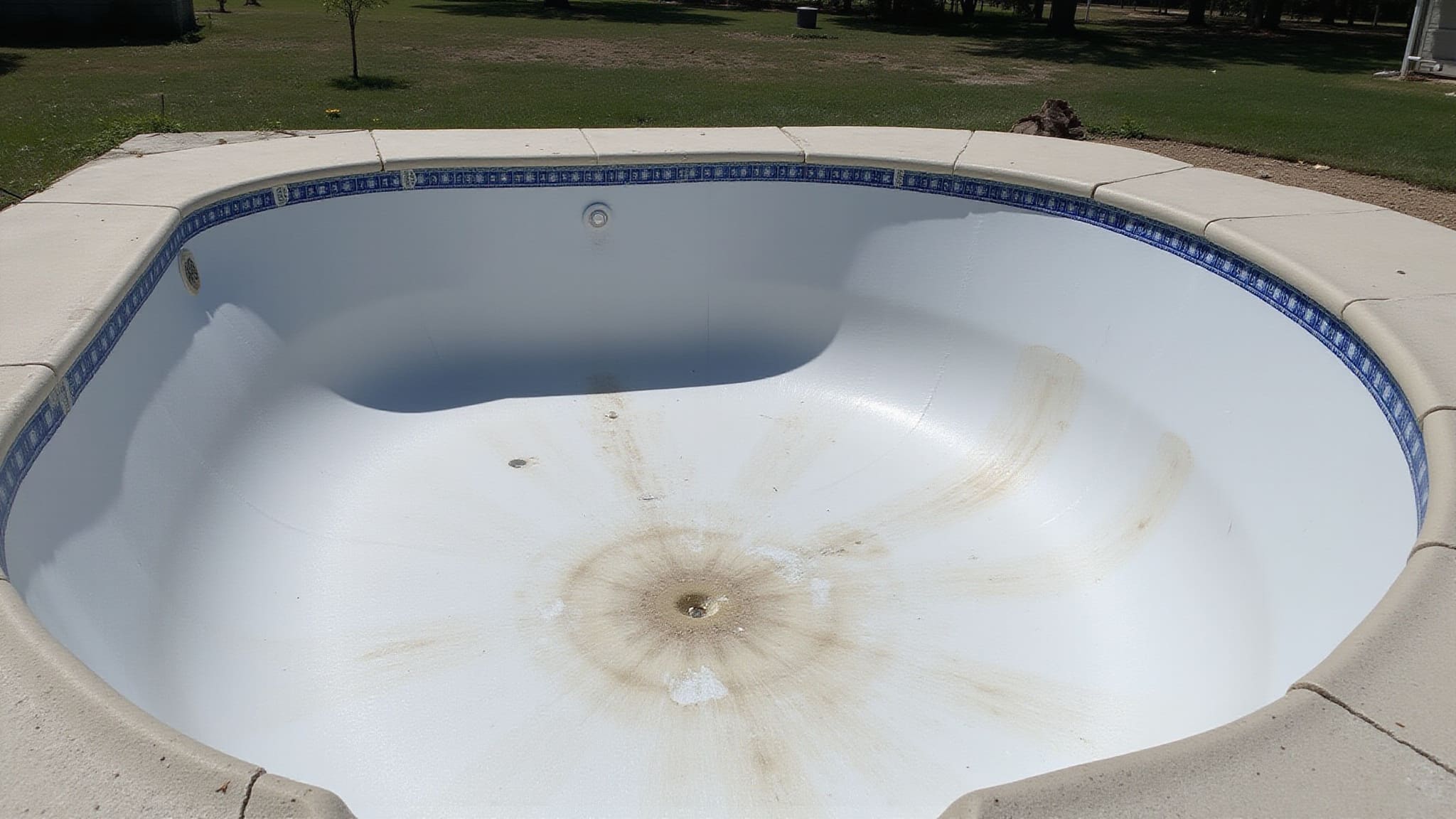
Replastering a pool starts with draining the pool completely, using a submersible pump for standing water and opening hydrostatic relief valves to manage pressure. Next comes chipping away loose or cracked plaster around fittings, tiles, and coping, then smoothing sharp edges and clearing debris. You acid wash the surface to improve adhesion, rinse thoroughly, and let it dry before applying a bond coat, which needs roughly 8 to 10 hours to set. Then you mix plaster to a thick, workable consistency and apply it with a trowel, starting at the deep end. Finally, you smooth the finish, refill immediately for underwater curing, run filtration, and balance your water chemistry.
When does the surface need replastering
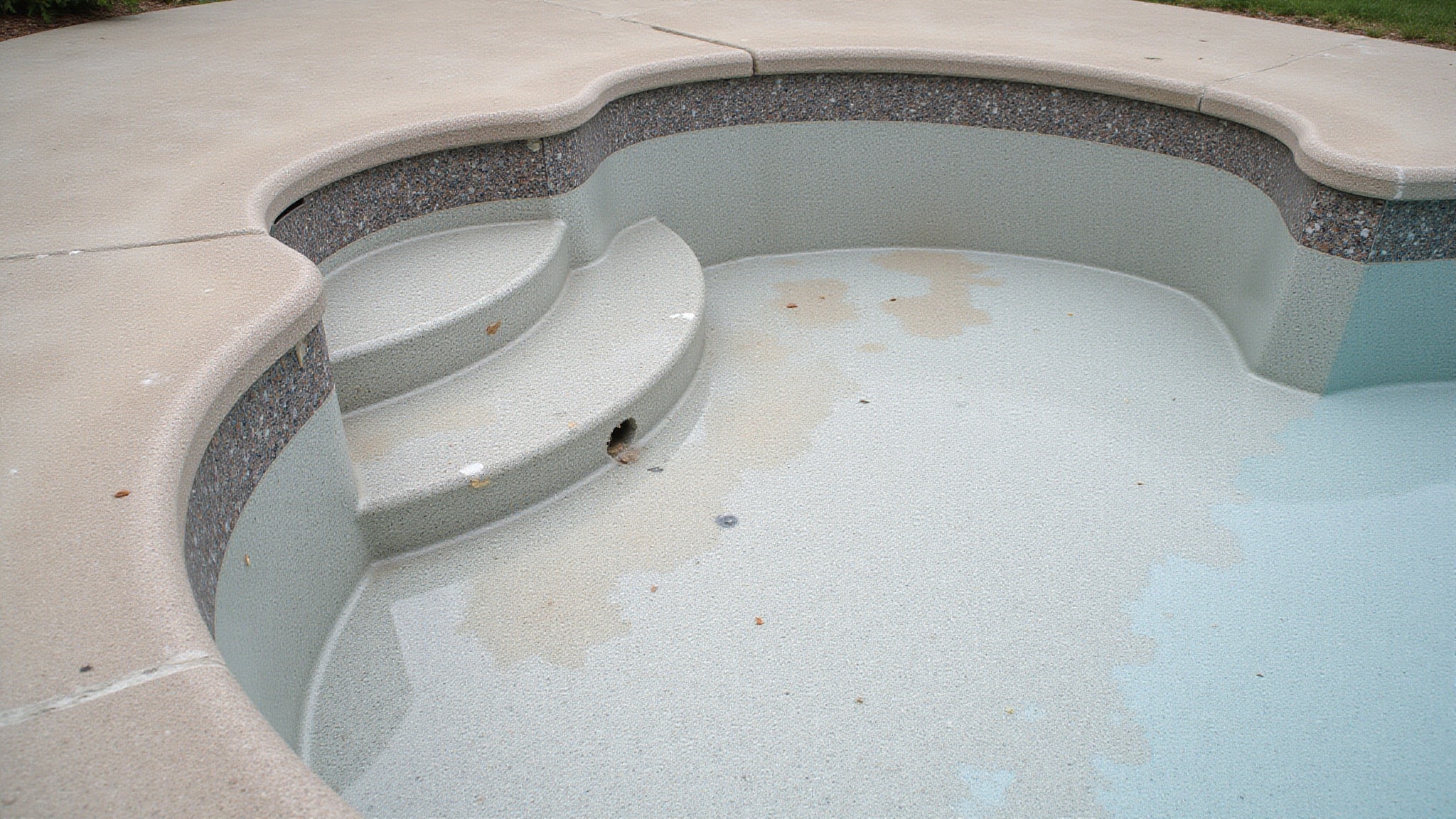
Your pool needs replastering when you spot rough, sandpaper-like surfaces, spreading cracks, and hollow-sounding delamination where the plaster mix has separated from the substrate. Persistent staining, chalky residue, and exposed aggregate signal that the finish has worn past its serviceable life. Check for repeated etching or spot-etching, which often points to failed curing during the original application or chronic chemistry imbalances. If you’re patching the same areas year after year, spot repairs won’t hold, and a full resurfacing makes more sense. Most plaster finishes last roughly seven to fifteen years, depending on water chemistry and maintenance. When you spot several of these symptoms together, it’s time to replaster.
How do you drain and chip out the old coat
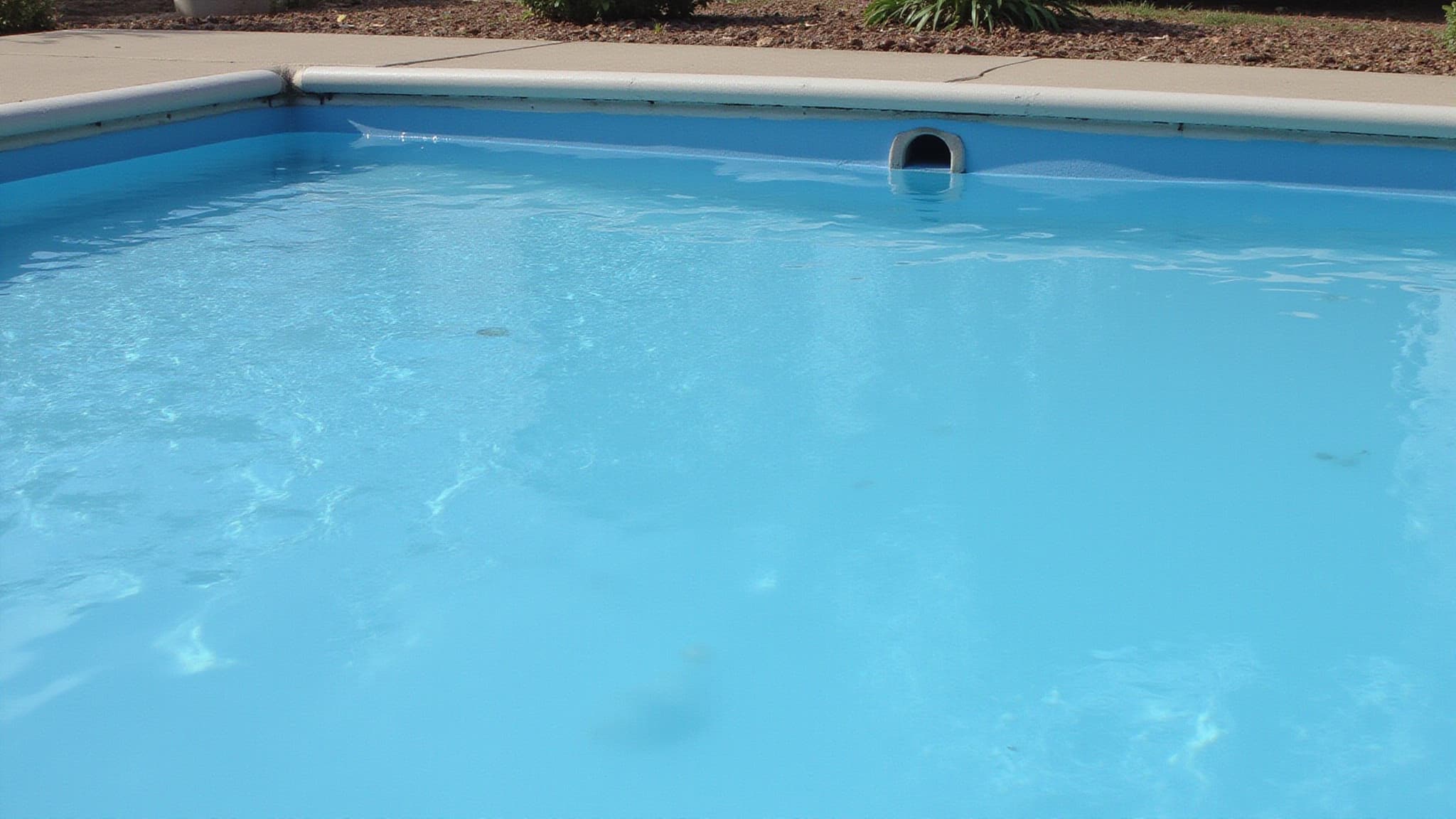
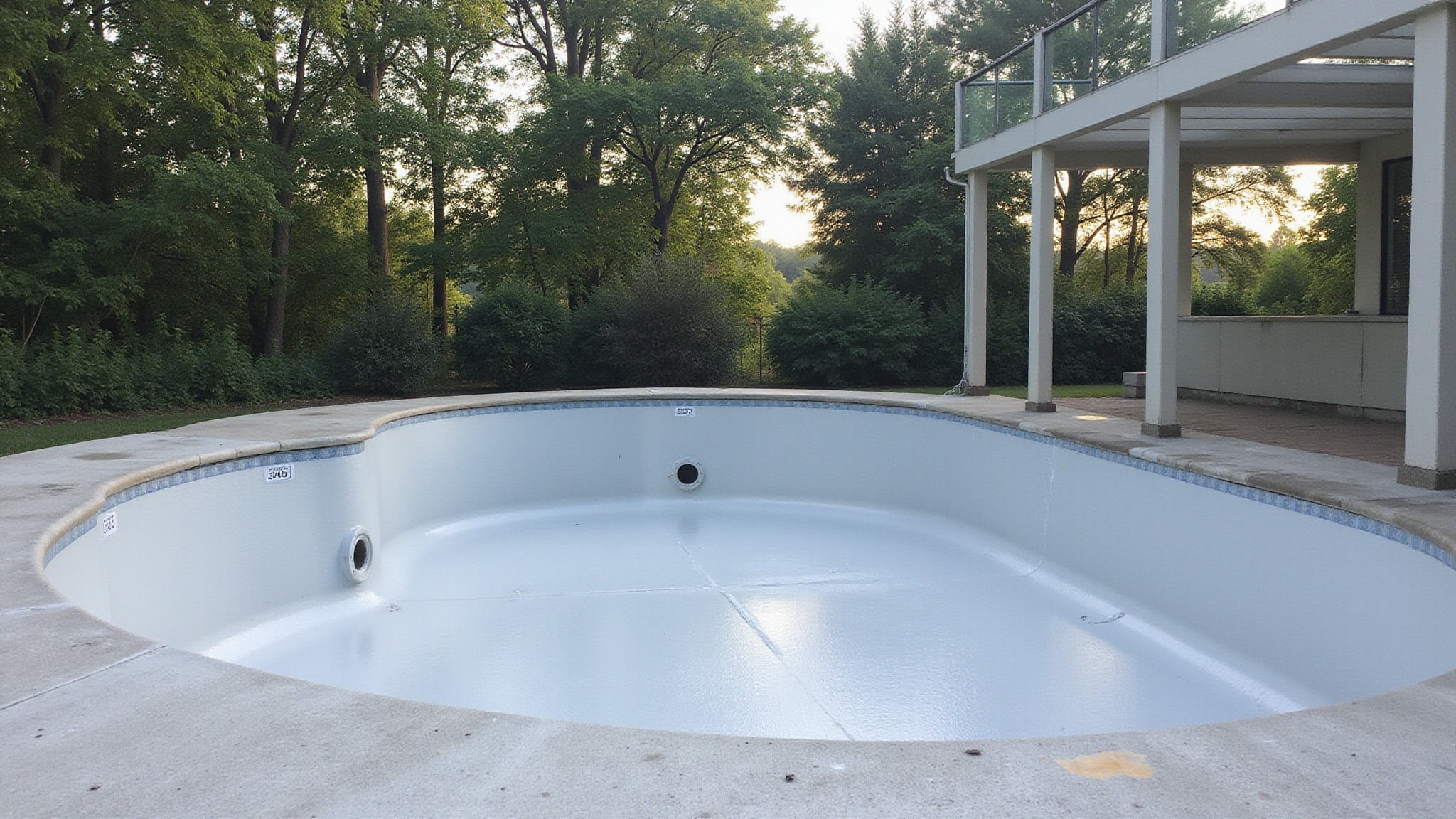
Drain the pool completely before any demolition starts. Drop a submersible or sump pump into the deepest area to clear standing water, then finish with a wet-dry vacuum. If your shell has hydrostatic relief valves, open them to manage groundwater pressure and prevent the shell from lifting. Shut off all pool equipment before you touch the surface.
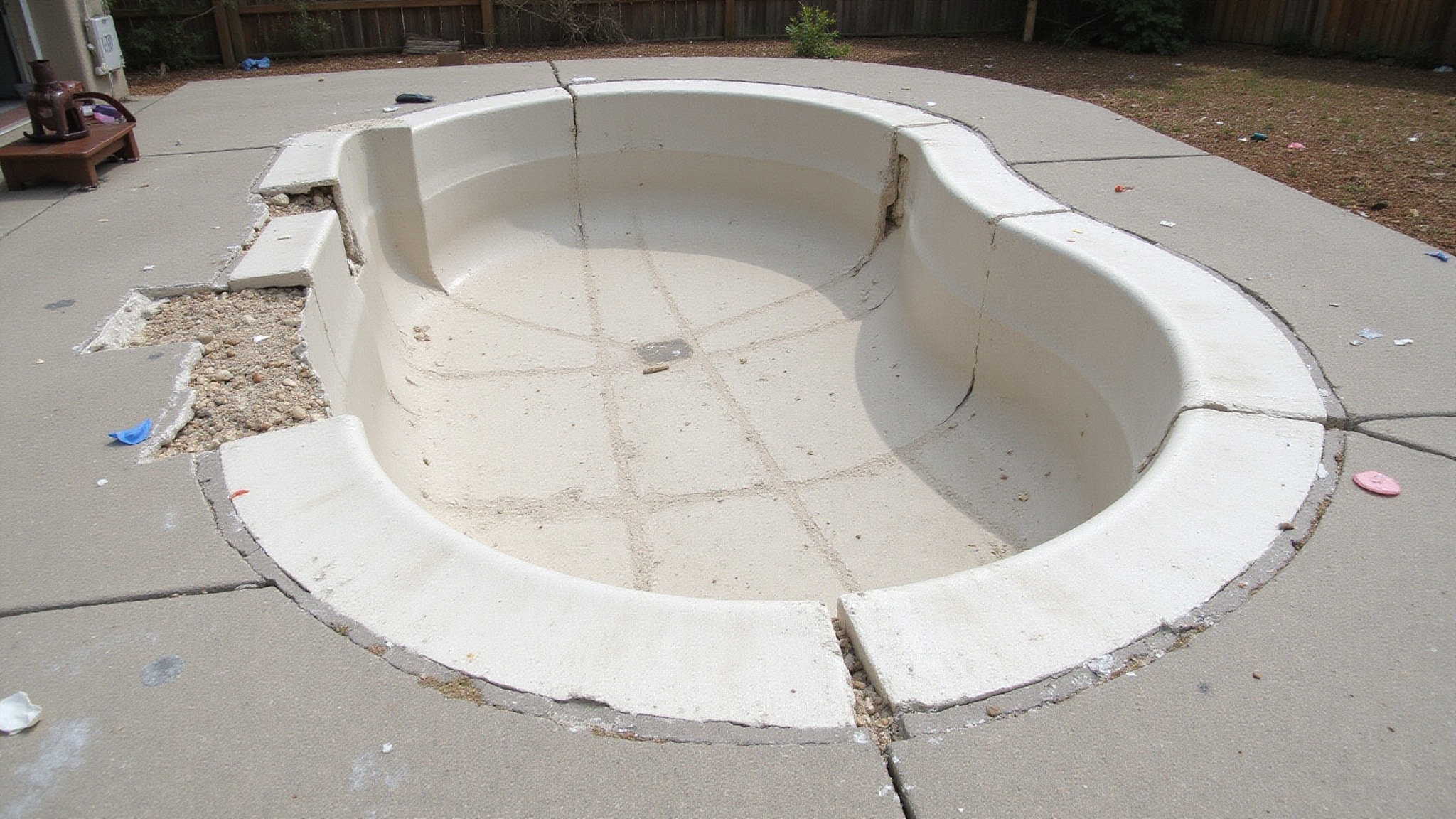
Chip, chisel, or grind away loose or cracked plaster around fittings, tiles, and coping, working outward from the damaged zones. Smooth sharp or rough edges with sanding or wire brushing. Clear out debris, leaves, algae, and residue, then power wash the shell. Repair any cracks or substrate damage before you move on.
How do you prep and bond the shell for new plaster
To prep and bond the shell for new plaster, acid wash the remaining surface to strip fine debris and open the pores for better adhesion. After etching, rinse thoroughly to flush residual acid and loosened particles, then let the pool dry completely before you move on. Once the shell’s dry, apply a bond coat or bonding agent across the entire surface. This layer bridges the old substrate and the new plaster, preventing delamination and hollow spots down the road. Give the bond coat time to set, typically 8 to 10 hours, before you mix or apply anything. Don’t rush this window; proper cure time determines how well everything holds.
How much does the job cost by size
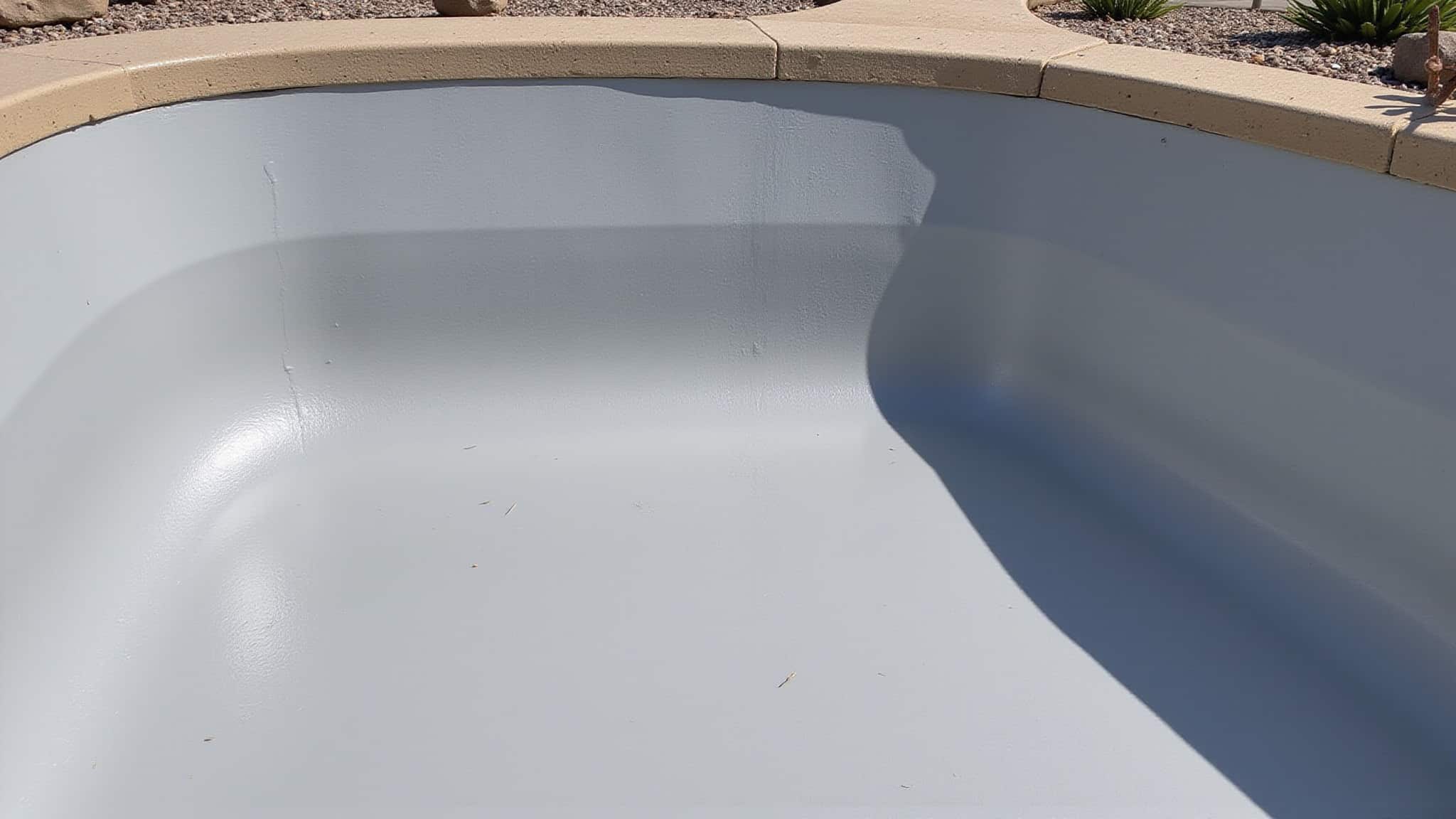
Pool replastering costs $4 to $9 per square foot for standard white plaster, higher for aggregate or quartz finishes, so you’ll price the job by the pool’s total square footage rather than a flat rate. Measure your interior surface, then multiply by the going rate. Can you remodel an existing pool to enhance its aesthetics and functionality? Upgrades such as adding new tiles or improving the lighting can significantly change the overall look.
| Pool Size | Approx. Surface Area | Estimated Cost |
|---|---|---|
| Small (10×20) | 500 sq ft | $2,500, $4,500 |
| Medium (15×30) | 900 sq ft | $4,500, $8,000 |
| Large (20×40) | 1,300 sq ft | $6,500, $12,000 |
| Oversized (25×50) | 1,800 sq ft | $9,000, $16,000 |
Factor in surface prep, tile repair, and finish upgrades, which push totals higher. You’ll pay premiums for extensive chipping, substrate repair, or specialty aggregates. Get itemized bids so you’re comparing scope, not just headline pricing.
How is the fresh coat applied and troweled
The fresh coat is applied by troweling the mixed plaster onto the shell in a thick, workable coat rather than a thin slurry, starting at the deep end. Work systematically across the pool, following the manufacturer’s guidance on whether one heavy coat or two coats suit the product. Press firmly to bond the material and fill any cracks, holes, or low spots as you go.
- Mix the plaster to a thick, workable consistency per manufacturer instructions.
- Start troweling at the deep end and progress across the pool shell.
- Fill cracks, holes, and low spots, then level to a uniform thickness.
- Trowel repeatedly to remove air pockets, bumps, and imperfections.
Finish each section before the material sets to maintain a smooth, consistent surface.
How do you find a reliable contractor
Finding a reliable contractor starts with verifying licensing, bonding, and insurance, then requesting proof of recent pool-specific plastering work. Ask for at least three references and inspect completed jobs that are two or more years old, since curing problems and surface staining often surface over time. Confirm the contractor follows a documented startup and curing protocol, including daily brushing and water-chemistry monitoring. Get a written estimate that specifies surface prep, bond coat, plaster type, and coat thickness. Avoid crews that skip acid washing or rush refilling. A reliable contractor explains hydrostatic pressure risks, timelines, and warranty terms clearly, and won’t pressure you into shortcuts that compromise adhesion or long-term durability.
Conclusion: Replastering Done Right
Replastering follows a clear sequence: drain, chip out the old surface, prep, apply the new coat, then fill and balance the water carefully. Each step matters, and the curing weeks afterward matter just as much. Whether you hire a crew or manage the details yourself, respecting the process is what turns a fresh coat into a finish that lasts.
Call Today and Refresh Your Pool the Right Way
From gelcoat repairs to full replastering, the right team makes your pool look brand new again. At Pool Doctor of the Palm Beaches in Jupiter, FL, our skilled team delivers dependable Pool Renovation & Remodeling built around lasting quality and stunning results. Call +1 (561) 586-2815 today and schedule your consultation.
Frequently Asked Questions
How Long Does Pool Plaster Typically Last Before Needing Replacement?
Standard plaster generally lasts 10 to 15 years, with premium quartz and pebble finishes going longer. Water chemistry and upkeep move that range up or down. Rough patches, stains, and thin spots that expose the surface underneath are the signs that the plaster is due for replacement.
Can I Replaster My Pool Myself or Hire a Professional?
This is a job that favors a professional crew. Plaster sets quickly and has to go on evenly in one continuous session, which is hard to pull off without experience and enough hands. A DIY attempt often leaves streaks or rough spots that are permanent, so most owners come out ahead hiring it done.
What Season Is Best for Replastering a Pool?
Cooler months are ideal, since mild temperatures help the plaster cure evenly and crews have more open scheduling. In warm climates, fall through early spring works well and gets the pool ready before summer. Extreme heat can make plaster set too fast, so the off-season tends to give better results.
How Long Before I Can Swim After Replastering?
Most pools are swimmable within seven to ten days, after refilling and getting the chemistry balanced and stable. The surface keeps curing for about a month underneath, but you do not have to wait that long to swim as long as the water is properly balanced during the early weeks.
What Color and Finish Options Are Available for Pool Plaster?
Beyond traditional white, you can choose gray and blue tints, quartz finishes for added durability and sparkle, and pebble finishes for a natural, textured look. Each changes both the water color and the feel underfoot. Viewing samples in water helps, since every finish looks different once the pool is filled.