
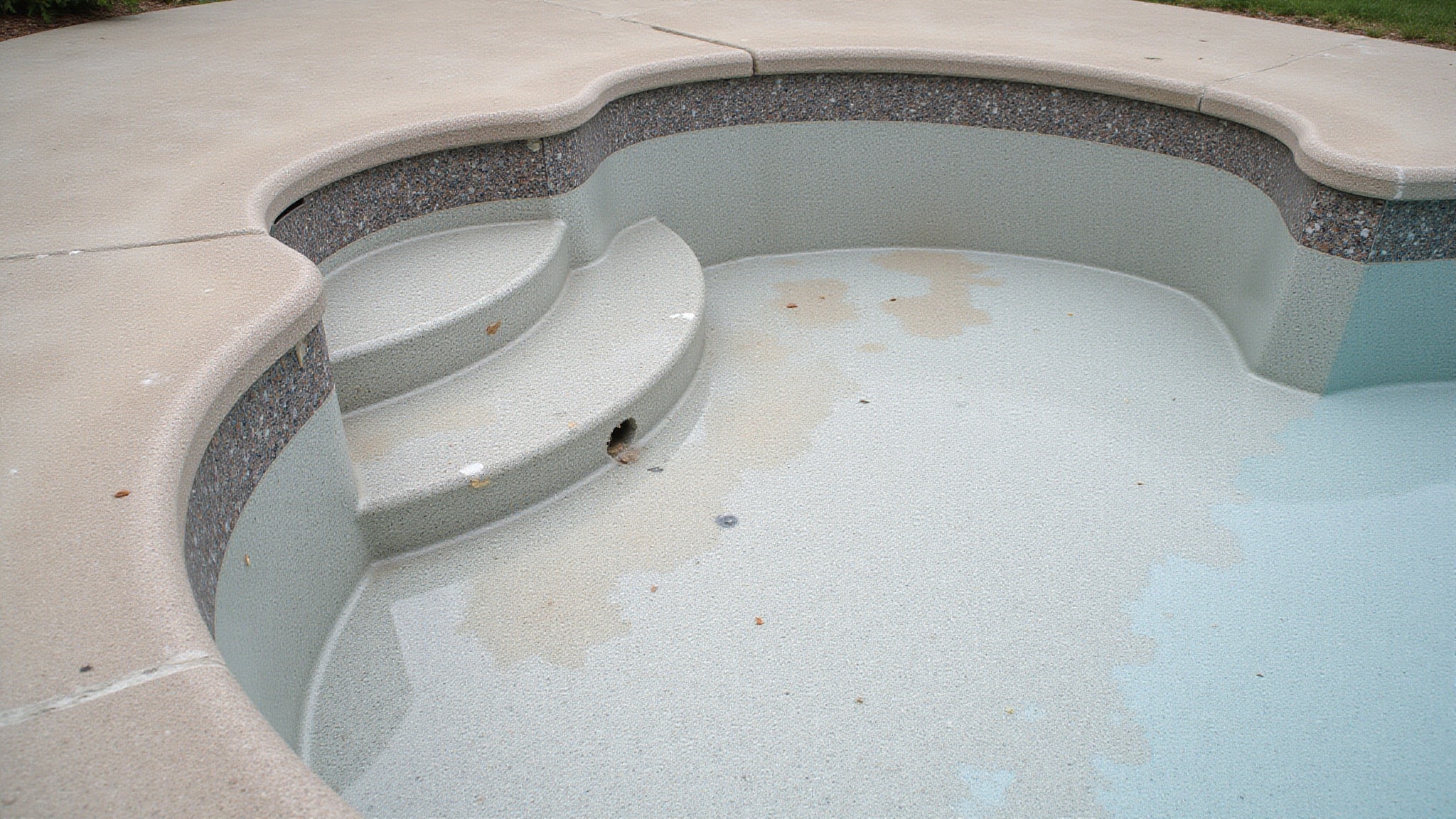
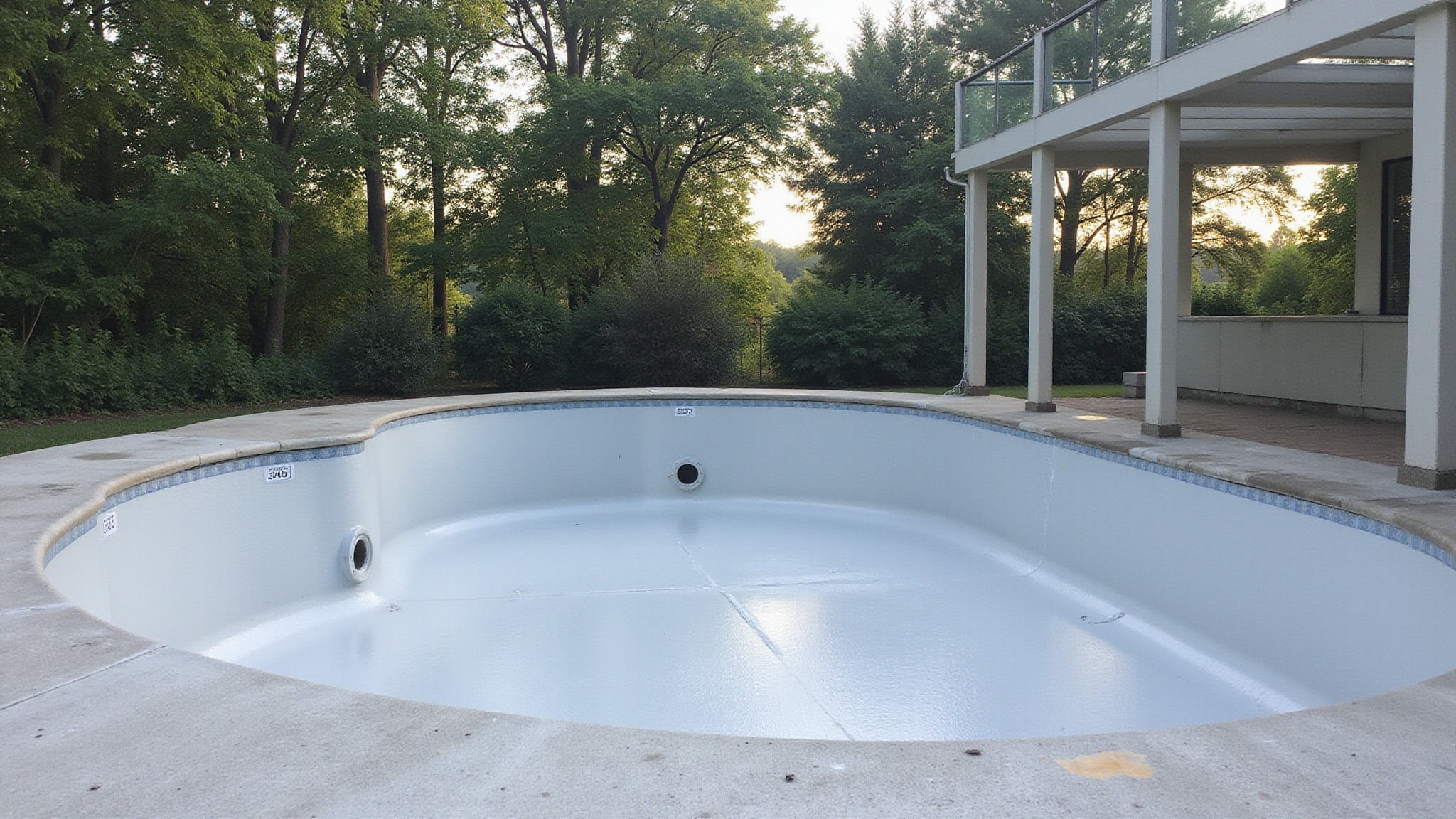
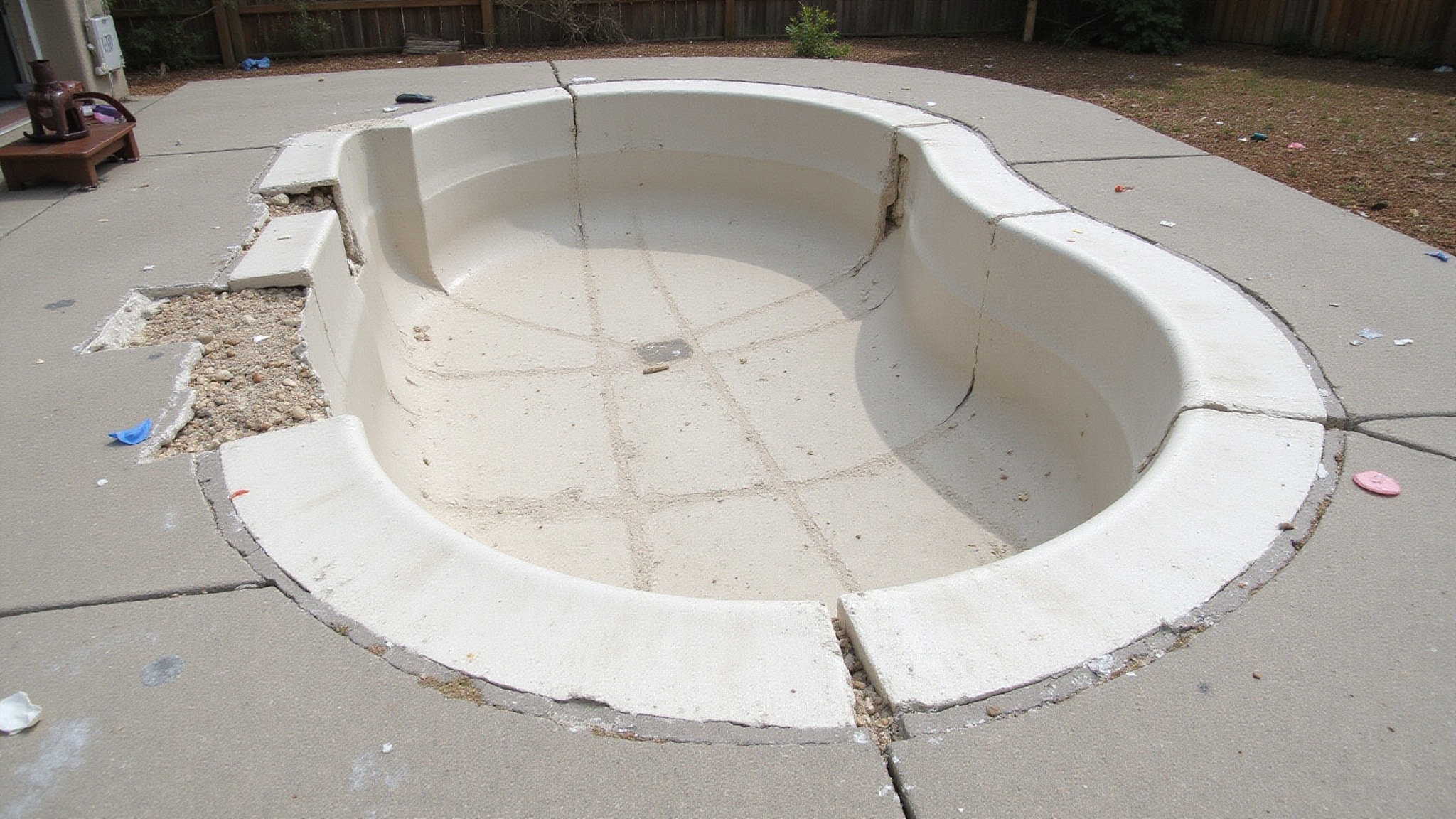
You can remodel an existing pool as long as its shell stays structurally sound. Start with a thorough inspection of the shell, coping, deck, and equipment area. If there are no cracks, bulges, or failing components, you’ve got options. You can resurface the interior, replace waterline tile and coping, add LED lighting or water features, and upgrade to variable-speed pumps or saltwater systems. Costs range widely, so keep going to weigh what fits your budget. How do you replaster a pool? This process involves draining the pool and removing the old plaster to ensure a smooth and durable finish.
Key Takeaways
- Remodeling starts with inspecting the shell, coping, deck, and equipment; a structurally sound shell is required to proceed.
- Cosmetic upgrades like resurfacing, waterline tile, and coping replacement modernize your pool without altering its underlying structure.
- Feature additions include LED lighting, waterfalls, bubblers, deck jets, scuppers, mosaics, automatic covers, slides, and diving boards.
- Equipment upgrades can include variable-speed pumps, updated heaters, cartridge filters, saltwater systems, or ozone generators for efficiency.
- Budgets range from $500 for single items to $40,000, $100,000+ for full structural remodels, with resurfacing typically $5,000, $12,000.
Can you remodel an existing pool
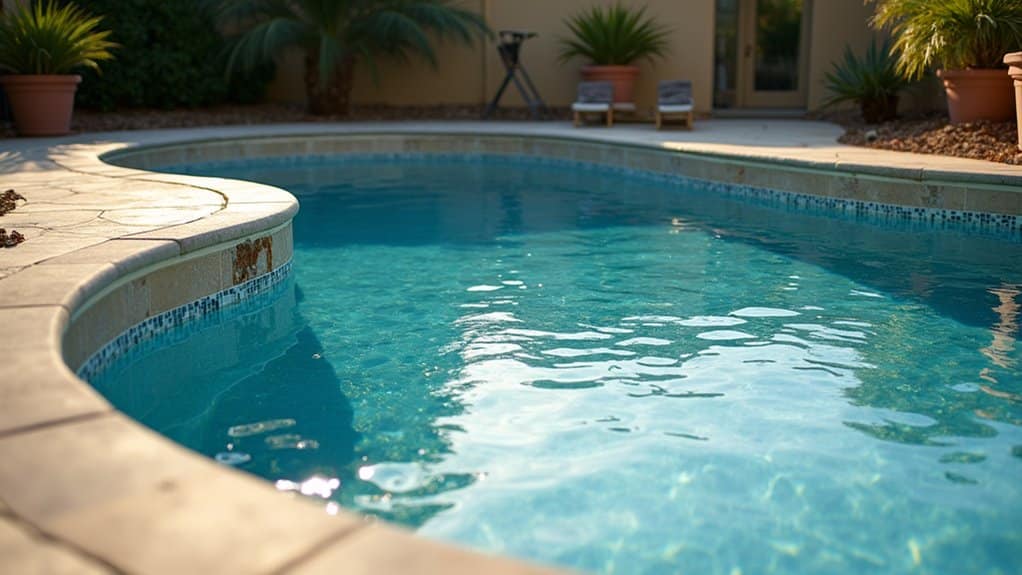
Yes, you can remodel an existing pool if its shell is structurally sound, rather than replace it. Most existing pools accept remodeling, from cosmetic updates to structural changes, depending on shell condition and your project goals. Get a thorough inspection of the shell, coping, deck, and equipment area. This assessment determines feasibility and flags problems, such as structural cracks, bulges, or failing equipment, that might push you toward larger renovation or full replacement.
After you’ve confirmed the shell holds up, you’ve got options. Resurfacing the interior finish is the most common remodel, giving worn plaster a new look and modernizing appearance. Waterline tile and coping replacement further update aging borders. Adding LED lighting improves nighttime visibility and ambiance. In some cases, remodelers can even change your pool’s shape entirely.
What does a typical remodel include
A typical remodel includes three categories: cosmetic upgrades, feature additions, and equipment replacements. On the cosmetic side, you’ll often resurface the interior finish, replace waterline tile, and update the coping that borders the shell. Refinishing your decking and revitalizing landscaping rounds out the visual transformation. Feature additions modernize how the pool performs and looks: you can retrofit LED lighting, install waterfalls, bubblers, deck jets, or scuppers, and add mosaic accents during resurfacing. When layout and safety allow, slides, diving boards, or jump rocks fit in too. Equipment replacements improve efficiency. Swap in a variable-speed pump, an updated heater, a cartridge filter, a saltwater system, or an ozone generator. You’ll typically combine several of these based on your budget, shell condition, and goals.
What surface and finish upgrades are available
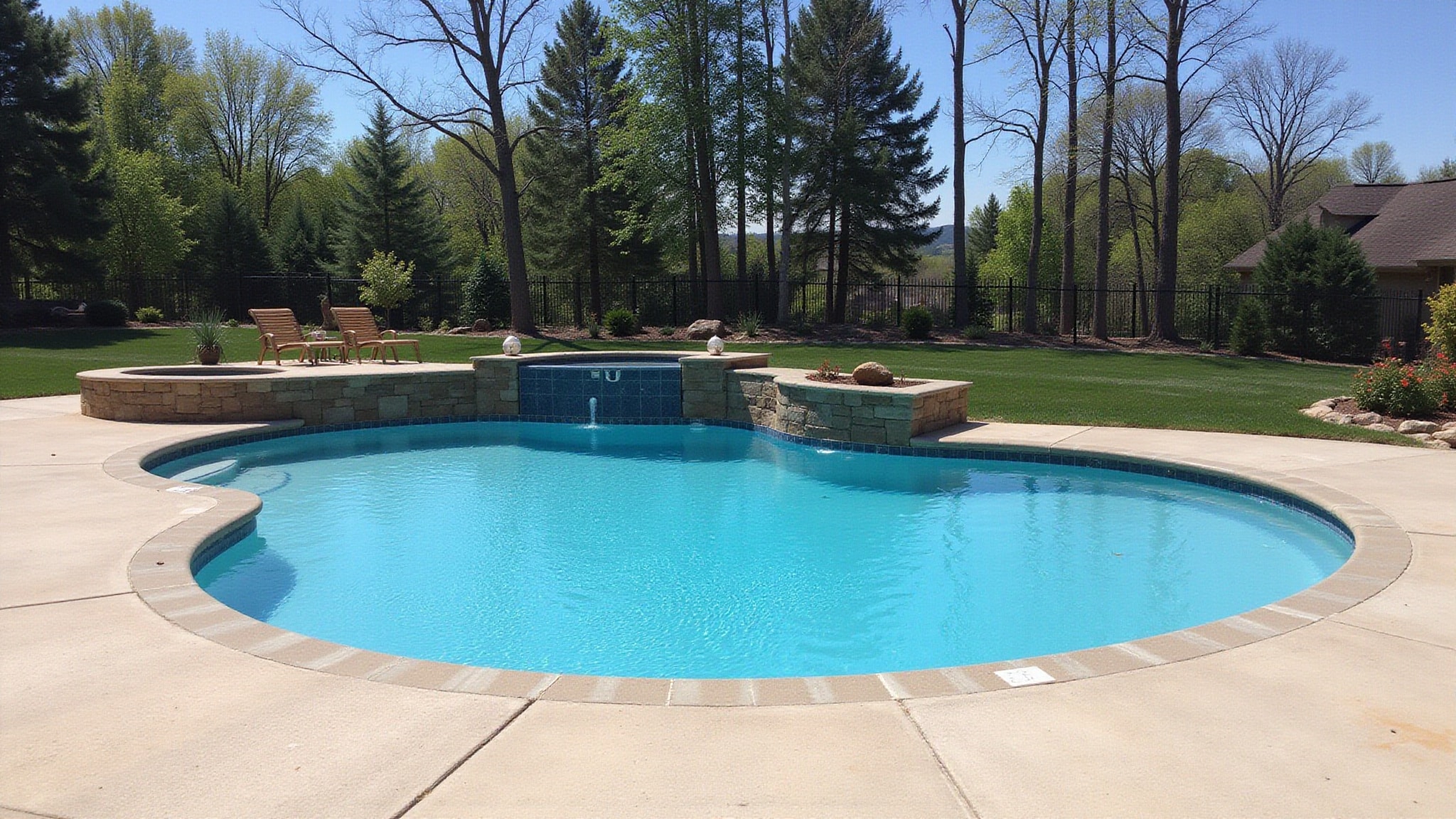
Surface and finish upgrades include resurfacing the interior finish, which sits at the top of the list. It’s one of the most common remodels, and you’ll typically budget $5,000 to $12,000 for a standard residential pool. During a new plaster or resurfacing project, you can add mosaic accents to build a stronger focal point. How long it takes to plaster a pool can vary depending on several factors, including the size of the pool and the weather conditions. Most projects can be completed within a week, but delays can occur.
Waterline tile replacement is another frequent update that modernizes the pool’s appearance without touching the shell structure. If your border shows cracks or age, coping replacement refreshes that edge and ties the finish together.
Beyond the pool itself, deck refinishing and landscaping updates improve your overall backyard presentation. These surface-level changes deliver strong visual impact, letting you upgrade the look while avoiding the cost and disruption of structural work. Repurposing an old above ground pool area can provide functional outdoor space for gatherings or relaxation. Creative ideas include transforming it into a stunning garden or a cozy fire pit area.
What features and additions can you add
You can add lighting, water features, decorative accents, safety covers, and recreational elements to change how the pool looks, sounds, and functions. Lighting and water elements deliver the biggest experiential shift, while safety additions depend on your layout and depth. Consider these common options:
- LED lighting retrofits to improve nighttime appearance and color control.
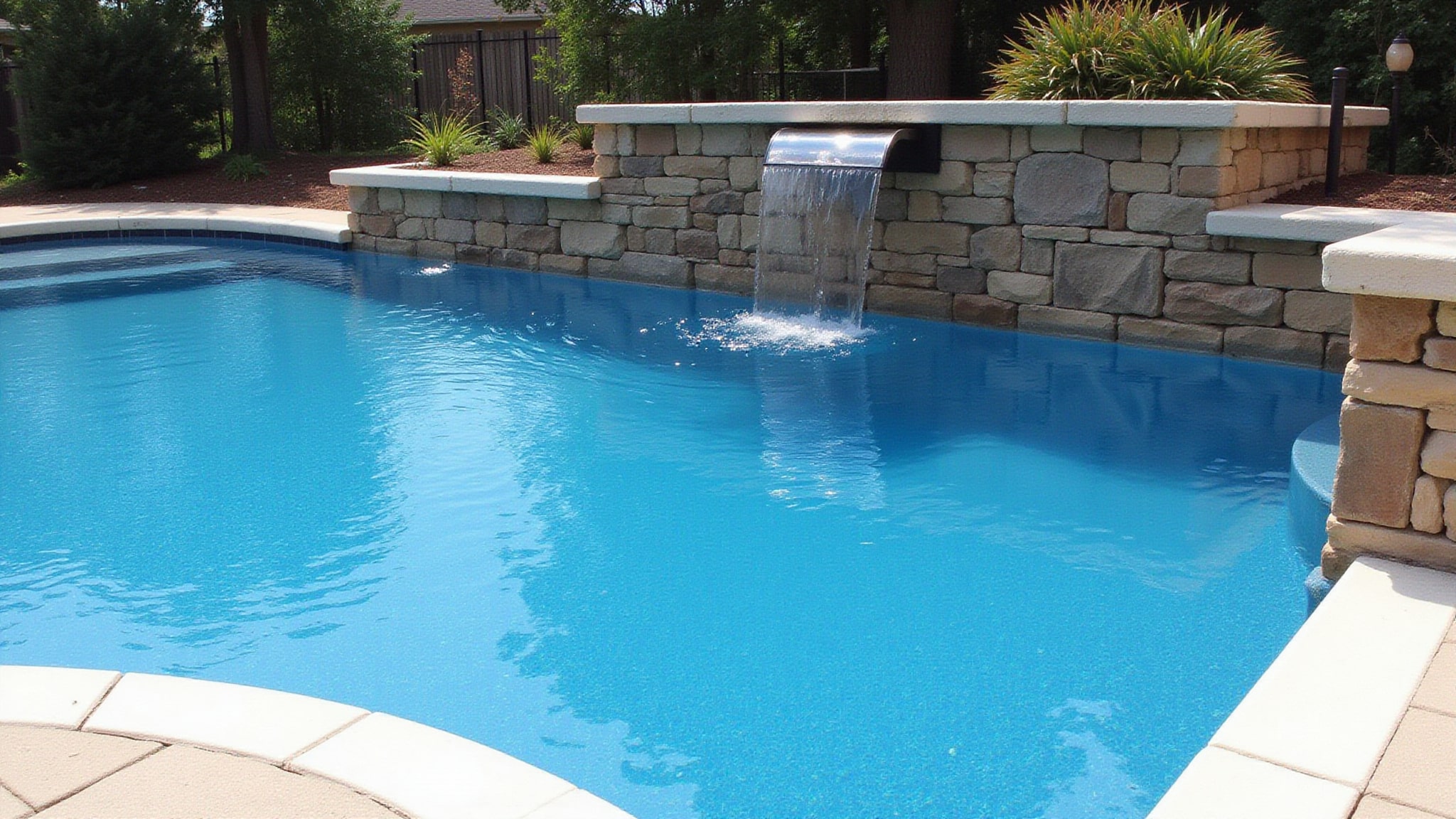
- Water features like waterfalls, bubblers, deck jets, and scuppers to add motion and sound.
- Mosaics and decorative accents to build a stronger focal point within the design.
- Automatic pool covers to modernize safety and reduce heat and evaporation loss.
- Slides, diving boards, and jump rocks when the layout and safety clearances allow.
Match each addition to your shell condition, deck space, and intended use before committing.
How much do common options cost
Common options range from $500 for a single item to over $100,000 for a full structural remodel. Minor touch-ups start around $500 for a single item like a new light. Budget-friendly remodels typically run $5,000 to $15,000, with resurfacing alone often estimated at $5,000 to $12,000. Combine resurfacing, waterline tile, and coping, and you’re usually looking at $15,000 to $30,000.
| Project Type | Estimated Cost |
|---|---|
| Minor cosmetic item | $500+ |
| Partial remodel | $15,000, $30,000 |
| Full structural remodel | $40,000, $100,000+ |
Full remodels adding structural work, deck changes, a spa, and new equipment can reach $40,000 to $80,000 or exceed $100,000. Match your budget to the fundamentals before committing.
What limits or challenges should you weigh first
Weigh the shell, coping, deck, and equipment area first, starting with a professional inspection to establish what you’re working with. That assessment tells you whether cosmetic updates suffice or whether structural problems push you toward larger renovation or full replacement.
A professional inspection reveals whether cosmetic updates suffice or structural problems demand full renovation or replacement.
Weigh these factors first:
- Shell condition: Structural cracks or bulges can force renovation or replacement instead of a simple resurface.
- Coping and deck: Cracked borders or failing decking often add scope and cost.
- Equipment area: Aging pumps, heaters, or filters may need replacement alongside cosmetic work.
- Fit for use: If shape, size, depth, or material still won’t suit you, remodeling wastes money.
- Budget reality: Replacement can cost nearly as much as a new pool.
How do you choose the right contractor
Choose the right contractor by verifying that any contractor you’re considering handles the specific scope you need, whether that’s a straightforward resurface or structural work with a spa addition and new equipment. Ask for a detailed inspection of your shell, coping, deck, and equipment area before they quote, since a thorough assessment separates competent remodelers from those guessing at cost. Confirm they’re licensed, insured, and experienced with your finish type and any features you want, like LED retrofits, water features, or variable-speed pumps. Request itemized written estimates so you can compare line items across bids rather than lump sums. Check references and recent projects matching your budget tier, and don’t ignore how clearly they communicate timelines and change-order procedures.
Conclusion: Deciding to Remodel
An existing pool can almost always be remodeled rather than replaced, whether that means resurfacing, new tile, better equipment, or a full redesign of the shape and features. The right scope depends on what is failing and what you want the pool to become. A clear plan and the proper permits keep the project on track and add lasting value to the home.
Give Your Existing Pool a Stunning Makeover
Remodeling an existing pool can completely transform your backyard without the cost of full replacement. At Pool Doctor of the Palm Beaches in Boca Raton, FL, our experienced team provides trusted Pool Renovation & Remodeling with expert craftsmanship and design vision. Call +1 (561) 586-2815 today and get your free consultation.
Frequently Asked Questions
How Long Does a Typical Pool Remodel Take to Complete?
A straightforward resurfacing runs one to two weeks, while a full remodel with new tile, decking, and equipment can take four to eight. The timeline hinges on scope, permit turnaround, and weather. Getting a written schedule from your contractor up front keeps expectations realistic once the work begins.
Do I Need Permits to Remodel My Existing Pool?
Cosmetic work like new plaster or tile often does not, but structural changes, new plumbing, electrical, or gas lines almost always do. Requirements vary by city and county, so check with your local building department before starting. A reputable contractor will pull the needed permits as part of the job.
What Is the Best Season to Remodel a Pool?
Fall and winter are ideal in warm climates, since demand dips and you can have the pool ready before summer. Cooler, drier weather also suits plaster and concrete curing. Booking in the off-season usually means shorter wait times and more attentive scheduling from busy crews.
How Often Should a Pool Be Resurfaced or Remodeled?
Plaster finishes generally need resurfacing every 10 to 15 years, while premium finishes like quartz or pebble last longer. Tile, coping, and equipment follow their own timelines. Rather than watching the calendar, watch for rough spots, stains, and leaks, which tell you the surface is due before the years alone would.
Will Remodeling My Pool Increase My Home’s Resale Value?
A well-executed remodel can, especially in warm markets where a pool is a selling point. Updated surfaces, modern equipment, and clean decking make the whole backyard more appealing to buyers. The return depends on your market, but a dated or neglected pool is far more likely to cost you a sale than a refreshed one.