
When you’re comparing gunite and shotcrete pools, the real difference is timing. Shotcrete uses a wet mix, pre-blended with water before it’s pumped to the nozzle. Gunite sprays a dry mix and hydrates right at the nozzle during application. That timing shift changes your on-site workflow, water control, and rebound waste. Done correctly, both deliver comparable durability. What actually drives your results might surprise you, so let’s break it down.
Key Takeaways
- The core difference is timing of water addition: gunite hydrates dry mix at the nozzle, while shotcrete arrives pre-mixed with water.
- Gunite offers lower upfront cost and easier restart handling, making it flexible for interrupted or budget-conscious projects.
- Shotcrete enables faster, more continuous placement with less rebound waste and consistently controlled water content.
- Durability is comparable when done correctly, since longevity depends on curing, mix control, and workmanship, not the label.
- Choose based on crew skill and needs: confirm mix specs, compressive strength targets, and a documented curing plan before signing.
Gunite vs shotcrete pools
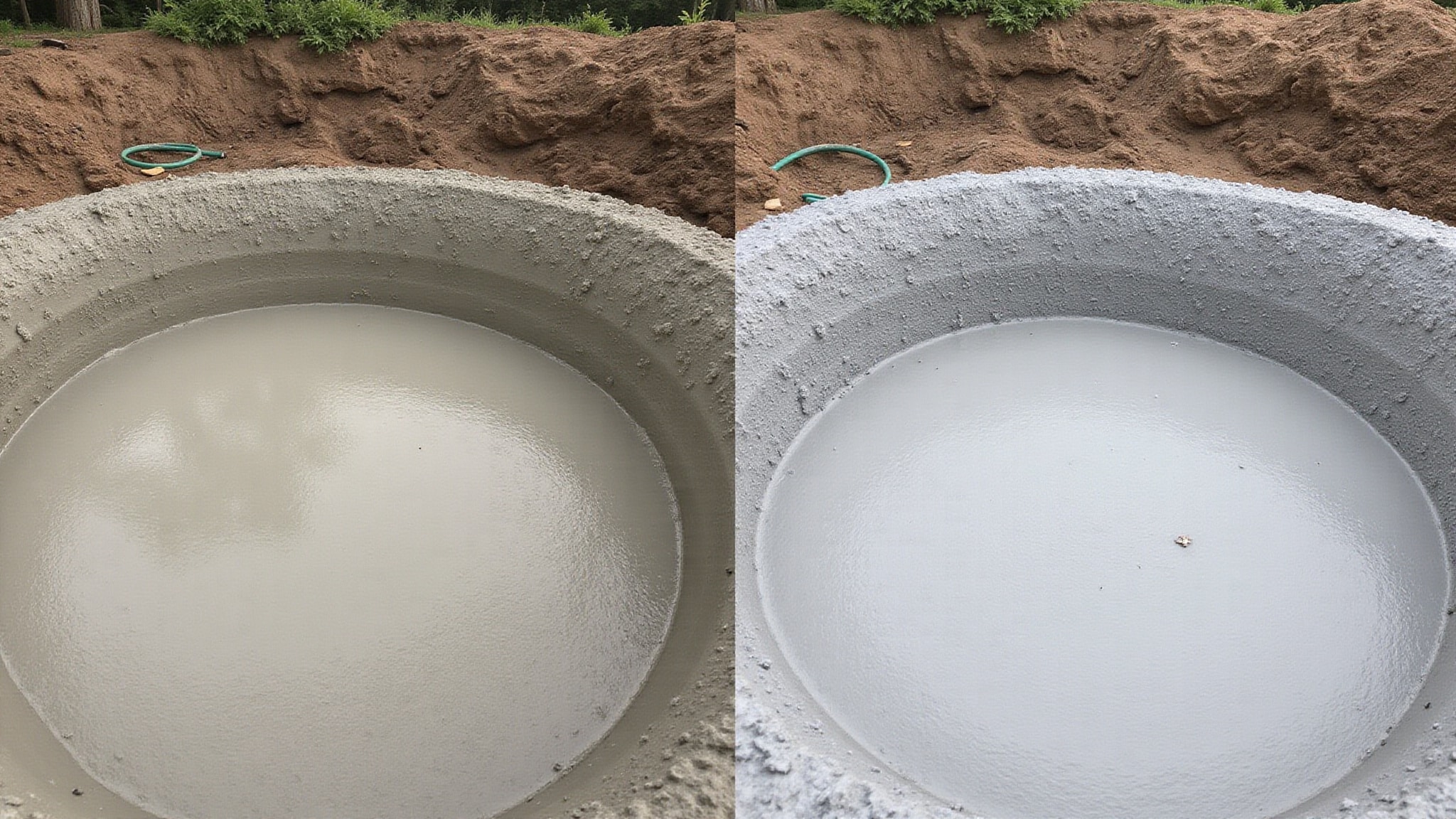
Gunite and shotcrete pools both use sprayed concrete to create a shell, so you’re really comparing two ways of spraying concrete, not two different materials. The difference comes down to how and when water gets added. With shotcrete, you’re working with a wet mix that’s pre-blended with water before it’s pumped through the hose. With gunite, you’re spraying a dry mix of cement, sand, and aggregate, then hydrating it right at the nozzle. That timing changes how each behaves on site. Gunite lets your crew stop and restart without creating weak points, and shotcrete typically speeds up placement since the mix arrives ready. Neither label guarantees a better pool. What matters most is the skill behind the nozzle.
How is a gunite pool built
A gunite pool is built by loading cement, sand, and aggregate into a rig that sends dry material through a hose to the nozzle, where water gets added at the moment of application. Your nozzle operator controls that water precisely, since too much or too little weakens the shell. You’ll see the crew spray against a rebar cage, building the gunite shell in layers and packing it into curves and steps. Because dry-mix work stops and restarts cleanly, your team can pause without creating weak seams. After spraying, they’ll trowel the surface to shape it. Then curing begins, and it matters more than you’d think. You keep the shell damp for days so it reaches full strength before finishing work continues.
How is a shotcrete pool built
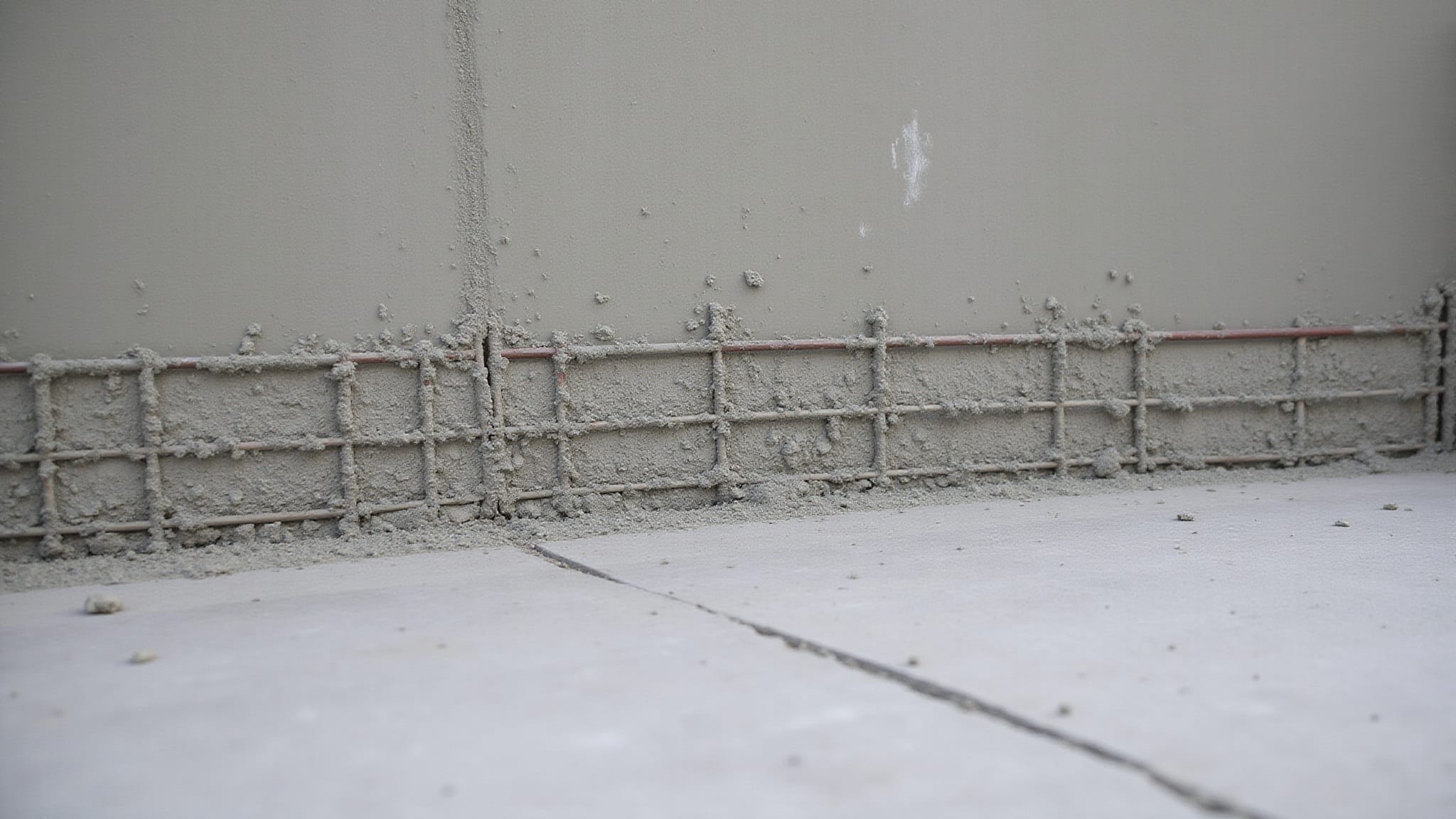
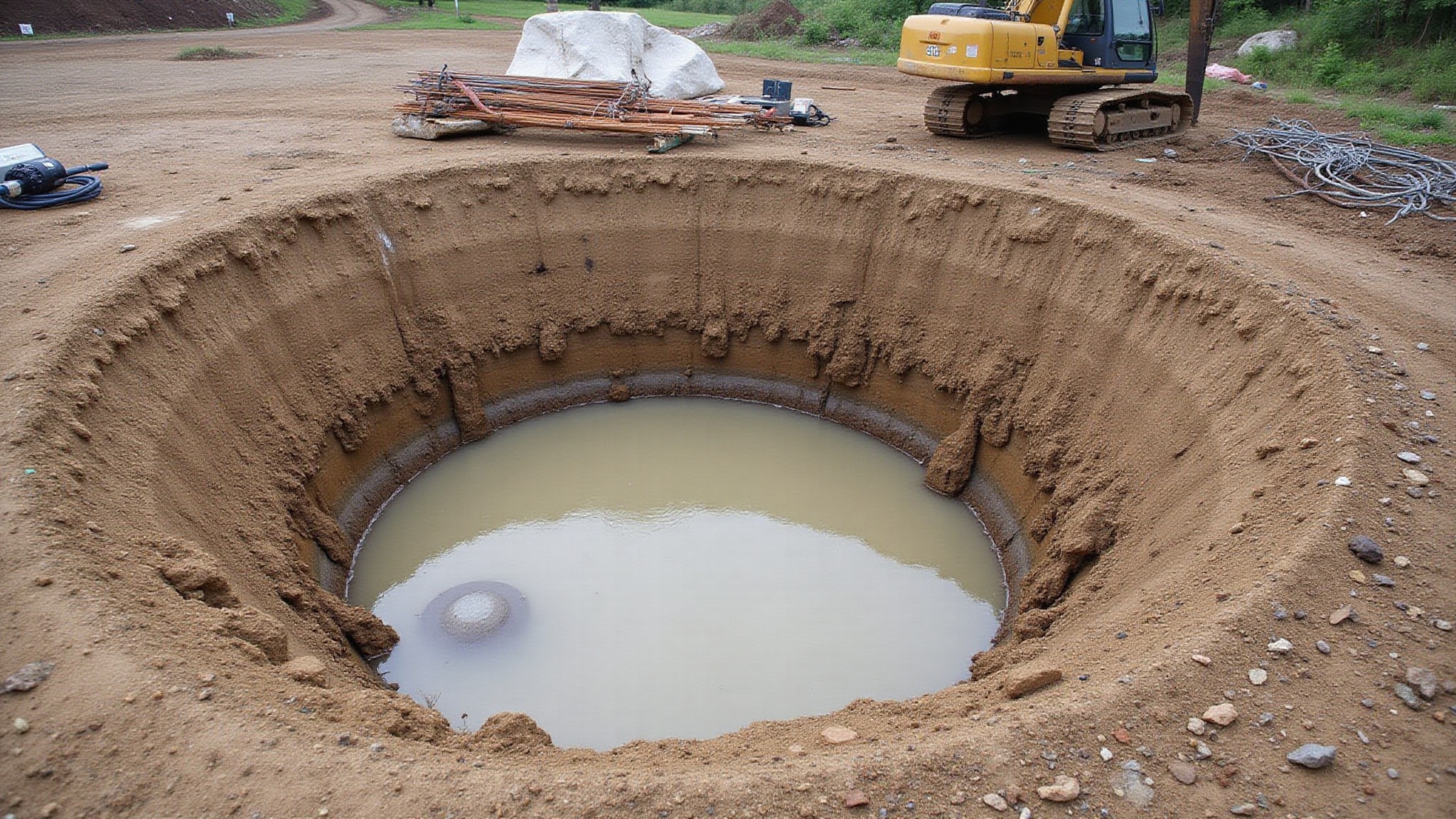
A shotcrete pool is built using concrete that’s already mixed with water before it ever reaches the site. Once the excavation and steel reinforcement are set, the wet mix arrives ready to spray. You pump it through a hose and apply it directly against the rebar and soil in one continuous placement. Because the water content’s already controlled, you get consistent hydration throughout the shell, which reduces guesswork at the nozzle. Shotcrete lets you work faster since there’s no on-site mixing to manage, and it typically produces less rebound, so you waste less material. You’ll still need skilled hands to shape curves, build up thickness evenly, and finish the surface. After spraying, you cure the shell carefully to lock in strength and crack resistance.
How do gunite and shotcrete pools compare on cost and durability
Gunite runs cheaper up front, but shotcrete places faster with less rebound, and both deliver comparable durability when applied correctly. Gunite’s lower cost comes mainly because the dry-mix materials cost less and don’t require the same pre-blending logistics. But that gap narrows after you factor in labor time, rebound waste, and crew skill. Shotcrete places faster and produces less rebound, which can offset its higher material cost.
| Factor | Gunite (Dry-Mix) | Shotcrete (Wet-Mix) |
|---|---|---|
| Upfront material cost | Lower | Higher |
| Placement speed | Slower | Faster |
| Rebound waste | More | Less |
| Water-content control | At nozzle | Pre-blended |
| Restart flexibility | Easier | Harder |
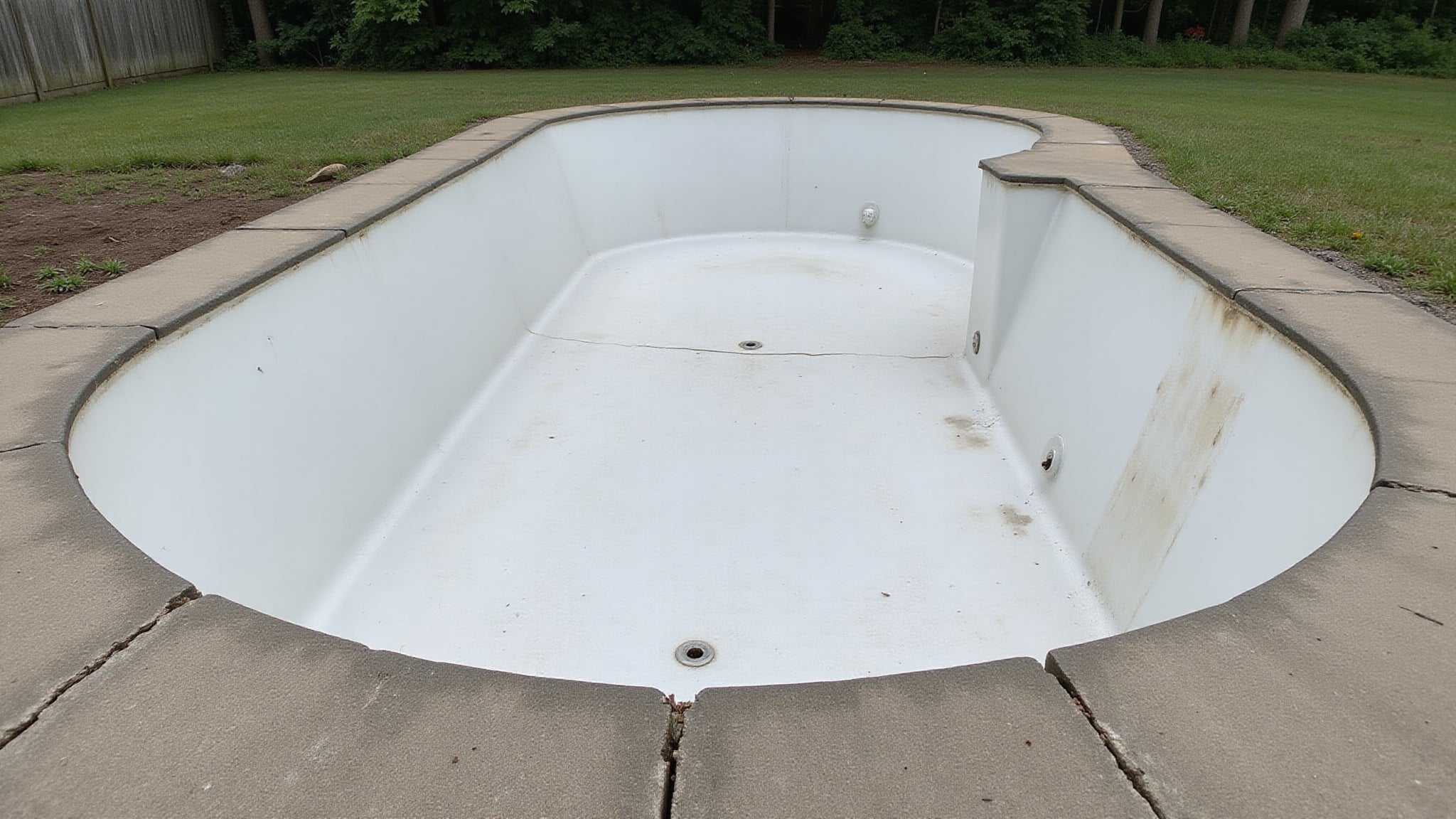
Durability tells a different story. Both methods build a strong concrete shell when applied correctly. Your longevity depends on curing, mix control, and workmanship, not the label you’re paying for.
Which application method gives better results
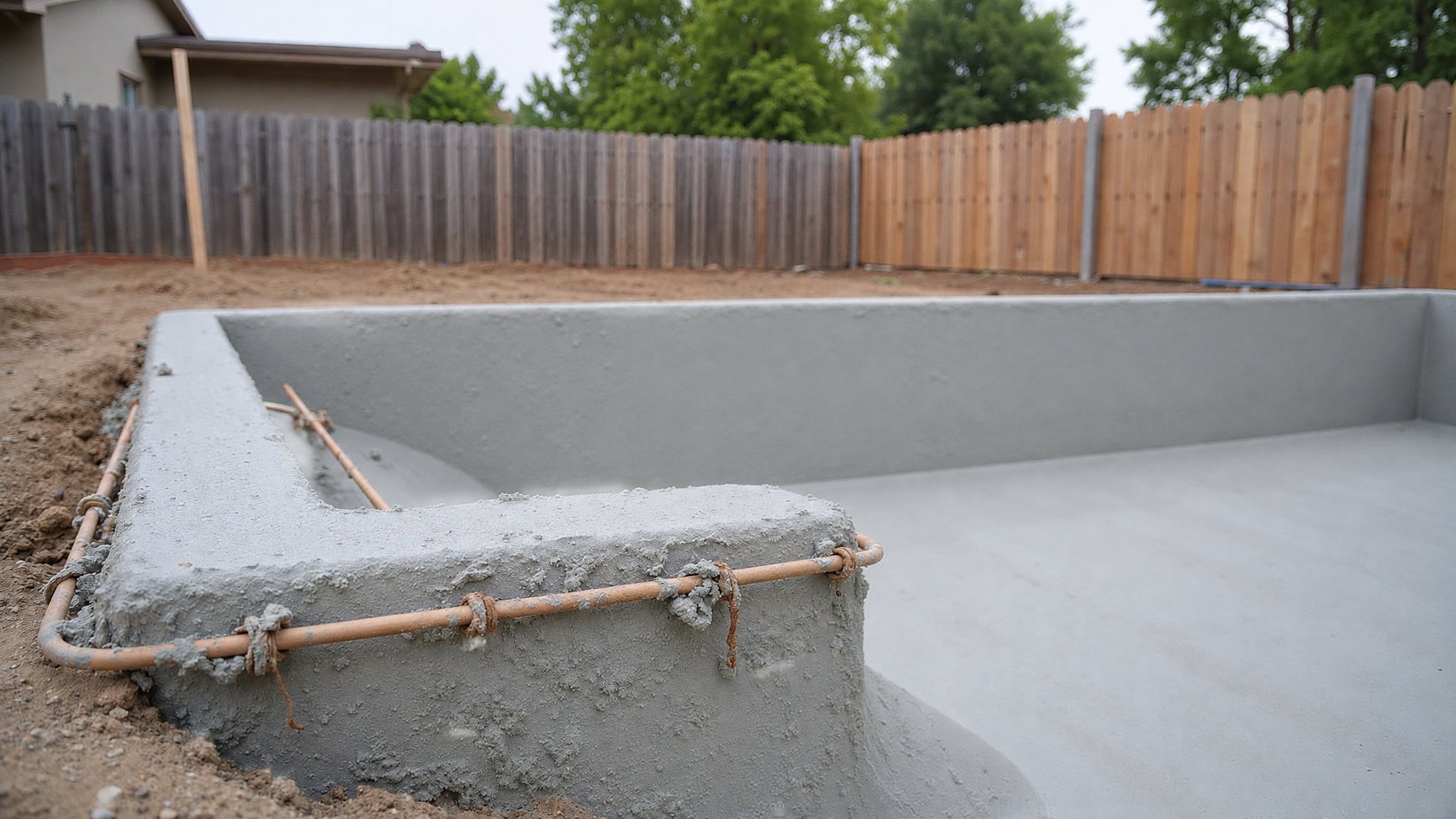
Neither method wins outright, since results hinge on the crew running the nozzle, not the mix arriving on the truck. With shotcrete, you get pre-mixed water content, so you’re leaning on consistency and less rebound, but that only helps if the crew places it before the material stiffens. With gunite, you’re trusting the nozzleman to hydrate the dry mix correctly on the fly, which demands real skill to avoid dry pockets and voids behind the rebar. Encasement around that rebar matters more than the label; trapped rebound or poor consolidation creates weak points that crack later. Watch how the crew handles overspray, layering, and curing. A disciplined gunite team beats a careless shotcrete crew every time, and the reverse holds just as true.
How do you choose between a gunite and shotcrete pool
Choose between gunite and shotcrete by vetting the crew, not the label, because in most pool markets “gunite” and “shotcrete” are just trade labels for dry-mix and wet-mix sprayed concrete. Ask who’s running the nozzle, how long they’ve sprayed, and how they handle stops, restarts, and curing.
If your budget’s tight, dry-mix gunite often costs less and lets crews pause without weak seams. If you want faster placement, controlled water content, and less rebound, wet-mix shotcrete usually delivers more consistency.
For a complex custom pool with tight radii, deep tanning ledges, or vanishing edges, prioritize the contractor’s shaping and finishing track record over the process name. Then confirm mix specs, compressive strength targets, and a documented curing plan before signing.
Conclusion
The real difference between gunite and shotcrete pools isn’t the one most people chase, since both are sprayed concrete and the label changes only when the water meets the mix. What actually decides whether your shell lasts is the crew: how precisely they control the water, encase the rebar, and cure the finished shell. Pick your contractor on that track record rather than on the trade name on the quote, and confirm the mix specs and curing plan in writing. Get the workmanship right and either method gives you a shell that holds for decades.
Letting the Crew Do the Deciding
Since the shell’s longevity comes down to who’s running the nozzle, the contractor matters more than the label you pick. If you’re planning a concrete pool and want it placed and cured by a crew that does this daily, Pool Doctor of the Palm Beaches builds custom gunite pools with the mix control and curing that decide how long a shell lasts. Homeowners around West Palm Beach can walk us through your project or call (561) 586-2815.
Frequently Asked Questions
How Long Does a Gunite or Shotcrete Pool Take to Cure?
You’ll typically wait about 28 days for full curing, when the concrete reaches its designed compressive strength. Don’t confuse initial set with full cure, your shell firms up within hours, but the hydration process continues for weeks. You’ll want to keep the surface damp during the first several days, spraying it down regularly to prevent cracking. Rushing this stage weakens your shell, so give it the time it needs.
Can You Convert an Existing Gunite Pool to Shotcrete?
You won’t “convert” your existing gunite shell to shotcrete, since both are just sprayed concrete, dry-mix versus wet-mix application methods, not different materials. Once your gunite’s cured, it’s a finished structural shell. If you’re repairing or resurfacing, you can spray fresh shotcrete over properly prepared, bonded areas, but you’re not swapping one system for another. Focus on prep, bonding, and curing quality, that’s what actually determines your shell’s longevity.
How Often Should a Sprayed Concrete Pool Be Resurfaced?
You’ll typically resurface a sprayed concrete pool every 10 to 15 years, though it depends heavily on your water chemistry, curing quality, and maintenance habits. Watch for rough spots, staining, hairline cracks, or exposed aggregate, these signal it’s time. If you’ve kept your pH balanced and addressed minor issues early, you’ll stretch that lifespan. Neglect maintenance, and you’ll be resurfacing sooner. Remember, application quality drives durability more than the process label.
Do Gunite and Shotcrete Pools Hold Up in Heat and Humidity?
Both gunite and shotcrete build a strong concrete shell that handles heat, humidity, and heavy summer storms well, since the shell’s durability comes from the steel, the mix, and the curing rather than the weather around it. What matters most is keeping the shell damp while it cures in the heat so it reaches full strength without surface cracking, then staying on top of water chemistry afterward to protect the finish. With skilled placement and proper curing, either method lasts for decades.
What Maintenance Do Sprayed Concrete Pools Require Over Time?
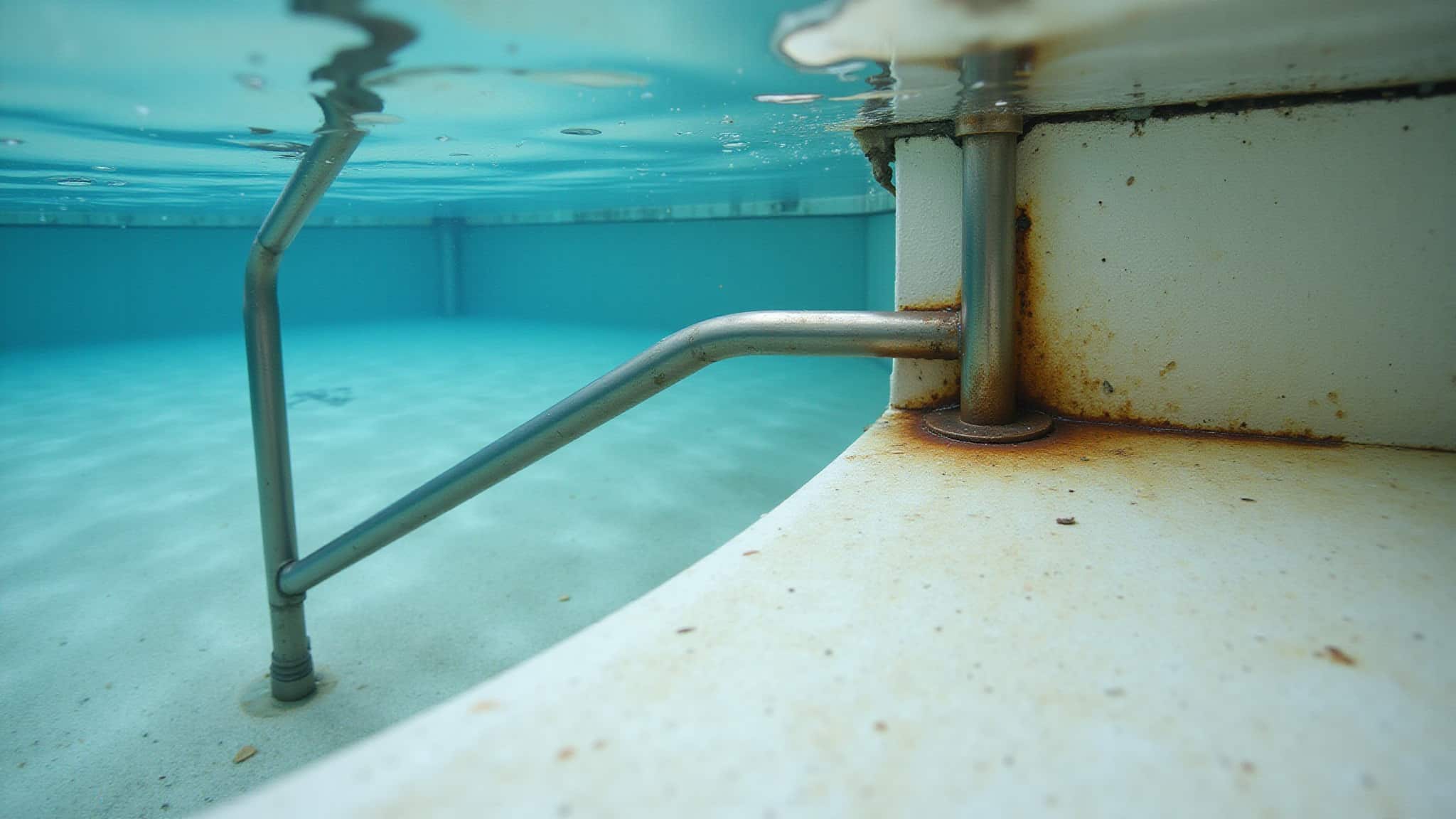
You’ll need to maintain consistent water chemistry, balancing pH, alkalinity, and calcium hardness to protect the shell’s surface. You should brush the walls weekly to prevent algae and staining. Over time, you’ll re-plaster or resurface the finish as it wears, typically every 10-15 years. Watch for hairline cracks and seal them early. Don’t neglect curing quality upfront, it directly affects how much crack repair you’ll face later. Regular inspection keeps small issues manageable.