
Yes, salt water can slowly wear down your costly pool gear, but damage isn’t automatic. Dissolved salt raises conductivity, turning water into an electrolyte that accelerates electrochemical corrosion on exposed metal. Neglected chemistry, low pH, high chlorine, unbalanced water, strips protective layers and speeds attack. Salt cell unions, heaters, handrails, and light niches face the highest risk. But you can control the key variables. Keep going to learn exactly how to protect your equipment.
Key Takeaways
- Salt water can slowly wear down pool equipment, but damage is not automatic and depends on water chemistry and maintenance.
- Salt increases water conductivity, turning it into an electrolyte that accelerates electrochemical corrosion on exposed metal surfaces.
- Salt cell unions and heaters are the most vulnerable, degrading fastest from repeated chemical cycling and dissimilar-metal assemblies.
- Neglected chemistry, low pH, high chlorine, and poor bonding significantly accelerate corrosion and stray-current damage.
- Prevention includes balancing chemistry, testing weekly, proper bonding, and choosing saltwater-rated materials like titanium or 316 stainless steel.
Does salt water damage pool equipment
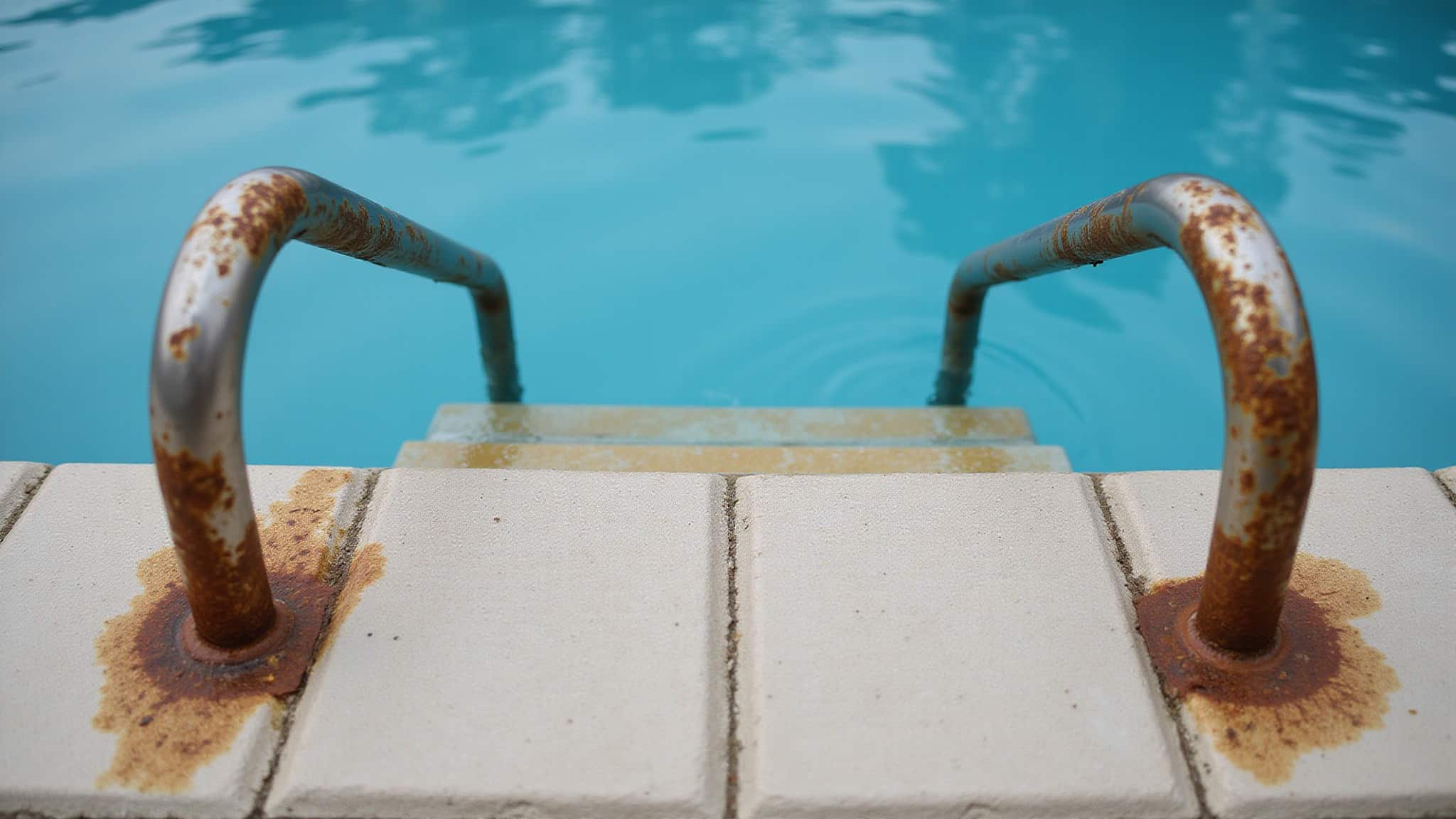
Salt water can damage pool equipment, but it doesn’t automatically destroy your gear. It does accelerate wear under specific conditions. Saltwater pools dissolve salt to generate chlorine, and that higher salt concentration increases the conductivity of your water. This makes salt corrosion more likely on exposed metal fixtures like heaters, pumps, filters, light niches, handrails, and salt cell connections. When your chemistry drifts, with low pH, high chlorine, or unbalanced water, corrosion speeds up considerably. Galvanic corrosion becomes a real threat when dissimilar metals contact each other in that conductive environment. Poor bonding or grounding worsens the problem by allowing stray current to attack metal parts. So yes, salt water can damage equipment, but neglected chemistry and exposed metals drive most of the harm.
How does salt water affect metal pool components
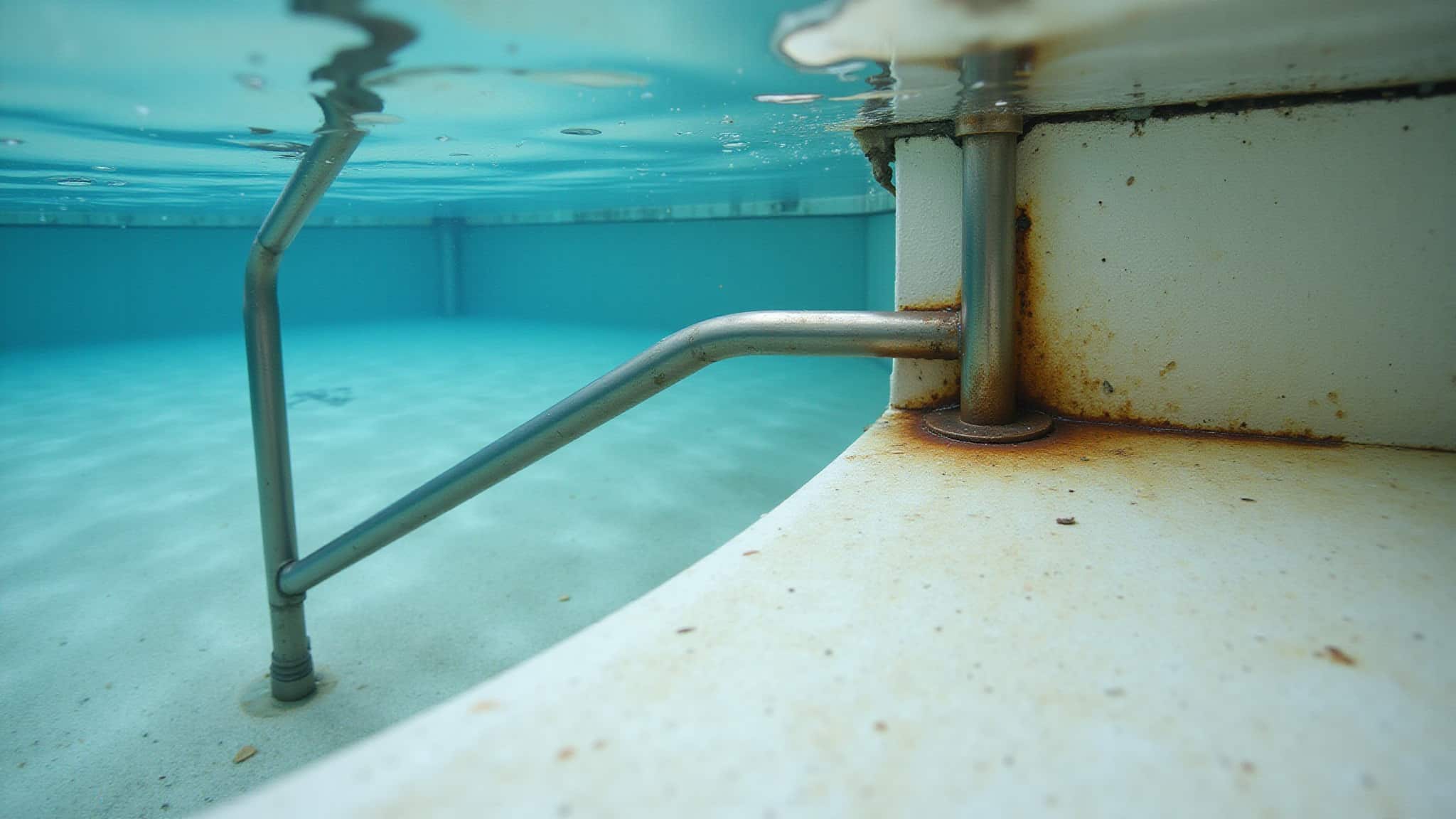
Salt water accelerates corrosion of metal pool components by turning your water into an electrolyte that speeds up electrochemical reactions on exposed metal. When you connect dissimilar metals in this conductive environment, galvanic corrosion accelerates, pitting handrails, ladders, light niches, and salt cell unions. Low pH intensifies the attack, stripping protective layers and roughening metal surfaces. High chlorine adds oxidative stress, while poor bonding lets stray current concentrate electrochemical activity around fittings. Salt residue drying on coping, stone, and deck anchors creates localized damage where evaporation concentrates chloride ions. You’ll notice rust, discoloration, and scale as early indicators. Left unchecked, this corrosion degrades pump housings and heater components, reducing performance and potentially voiding your equipment warranty. Proper bonding and sacrificial anodes counteract these reactions effectively.
Which pool equipment is most vulnerable to salt water corrosion
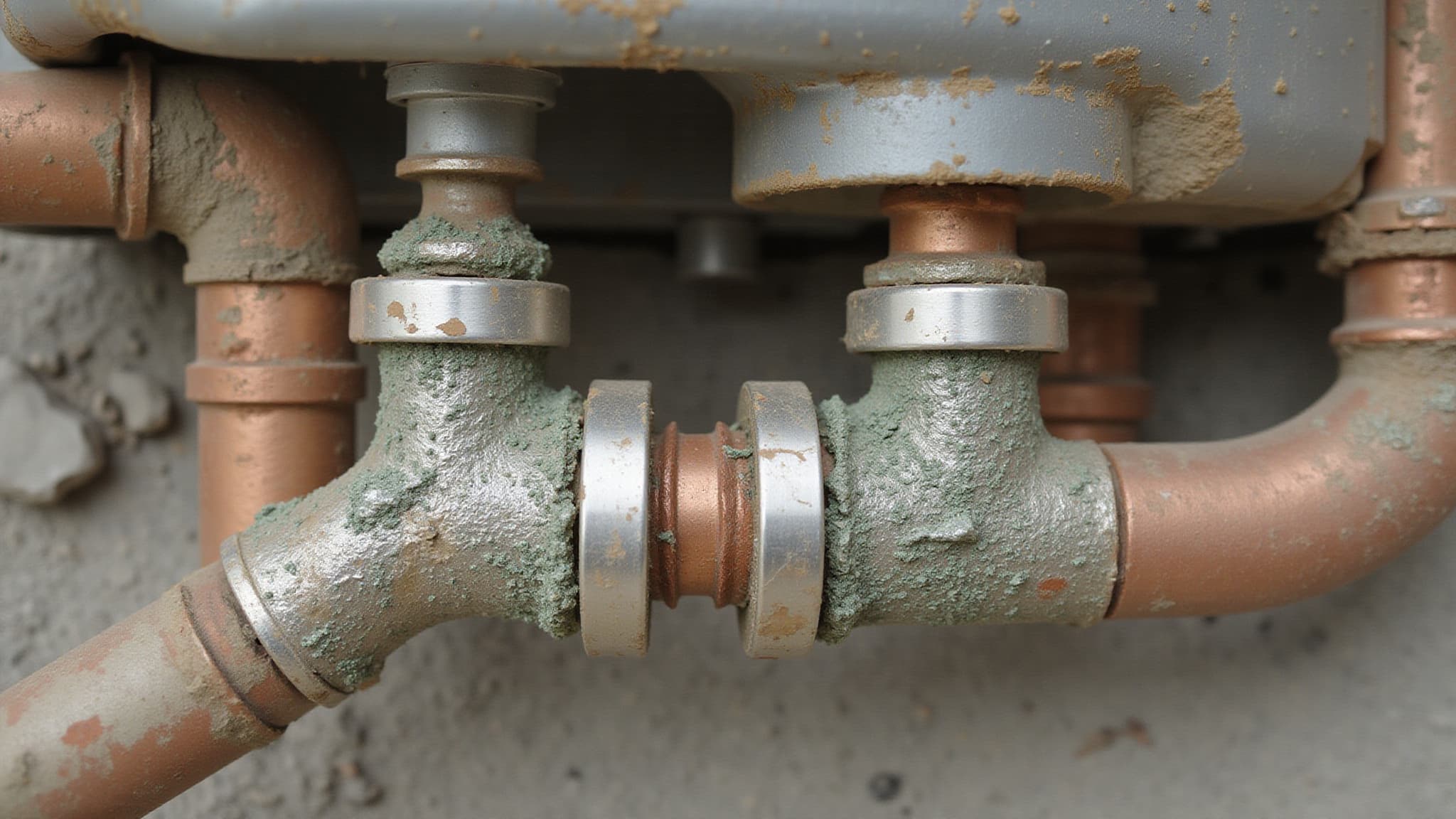
Salt cell unions and connections are the pool equipment most vulnerable to salt water corrosion, since they face repeated chemical exposure and mineral buildup. Light niches, handrails, ladders, and their deck anchors corrode quickly because they contain exposed metal where salt residue dries and concentrates. Pump housings, filters, skimmers, and heater components degrade gradually when they contact salty, imbalanced water. Automatic cover tracks and metal hardware above the waterline corrode if you don’t rinse them regularly. Heaters, with their copper and dissimilar-metal assemblies, prove especially vulnerable to galvanic corrosion. You’ll see the fastest wear wherever dissimilar metals meet in electrical contact, or where evaporation deposits salt on exposed fittings.
How does salt water damage compare across equipment types
Salt water damage varies significantly across equipment types because each faces different exposure conditions. Submerged metals face constant electrochemical attack, while above-waterline hardware suffers from salt residue drying and concentrating. Components exposed to repeated chemical cycling degrade fastest of all.
| Equipment | Exposure Condition | Damage Severity |
|---|---|---|
| Salt cell unions | Repeated chemical cycling, buildup | Highest |
| Heaters | Internal salty flow, oxygen contact | High |
| Handrails, ladders | Submerged plus splash residue | Moderate-High |
| Pumps, filters | Continuous salty circulation | Moderate |
| Cover tracks, anchors | Above-waterline residue | Variable |
You’ll notice salt cells and heaters wear quickest because they combine heat, flow, and chemistry. Rinsed above-waterline parts fare better, but neglected residue accelerates pitting anywhere metal stays exposed.
How can you protect your pool equipment from salt water
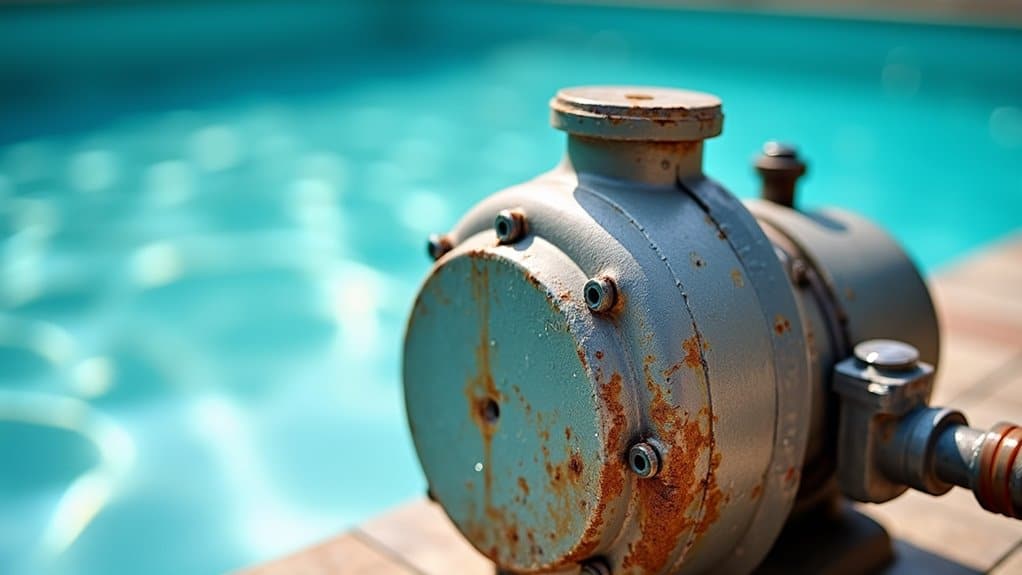
Protect your pool equipment from salt water by controlling the three variables that drive corrosion: chemistry, electrical bonding, and residue exposure. Keep your chemistry balanced by holding pH, alkalinity, calcium hardness, and free chlorine within recommended ranges, and test at least weekly for chlorine and pH. Low pH and high chlorine accelerate metal loss, so correct both promptly. Verify proper bonding and grounding to eliminate stray current, and install sacrificial anodes to counteract galvanic corrosion between dissimilar metals. Inspect your salt cell every 30 to 90 days for scale and debris. Rinse decks, railings, ladders, anchors, and exposed hardware with fresh water to remove salt residue before it dries and concentrates. Consistent testing, bonding, and rinsing together minimize long-term wear cost-effectively.
How do you choose salt-resistant pool equipment
Choose salt-resistant pool equipment by prioritizing components rated for saltwater systems, since manufacturers engineer these with corrosion-resistant alloys and protective coatings. Choose titanium or coated salt cells, which handle repeated chemical exposure better than untreated metals. Select stainless steel handrails and ladders specified as 316-grade, not 304, because 316 tolerates chloride exposure more effectively. Look for pump housings and filter tanks built from reinforced thermoplastics rather than exposed metal. When metal fittings are unavoidable, verify they’re compatible with surrounding materials to limit galvanic activity between dissimilar metals. Install sacrificial anodes with new equipment. Check that light niches use corrosion-resistant materials or protective coatings, and confirm every component’s saltwater compatibility rating before purchasing.
Conclusion
Salt water can slowly wear down your pool gear, but the damage is rarely the salt’s fault alone, it’s neglected chemistry and exposed metal that do the real harm. Keep pH and chlorine in range, confirm the bonding and anodes are doing their job, and rinse the salt residue off hardware before it dries and concentrates. The salt cell unions and heater will always wear fastest because they combine heat, flow, and chemistry, so watch those closely and spec salt-rated materials wherever metal meets water. Control those few variables and a salt pool runs for years without eating your equipment.
Catching Corrosion Before It Spreads
Salt damage starts small, a little rust at a union or light niche, and turns expensive once it reaches the heater or pump. Staying ahead of it means regular chemistry checks, bonding inspection, and salt-cell service, which is where Pool Doctor of the Palm Beaches comes in, keeping salt pools balanced and the equipment protected through routine maintenance for homes around Delray Beach. Noticing rust or scale on your gear? Contact us or call (561) 586-2815.
Frequently Asked Questions
How Much Does It Cost to Convert to a Saltwater Pool?
Conversion cost comes down to the salt chlorine generator and cell you choose, plus installation, since those are the bulk of the spend. On top of the setup, budget for the ongoing side: salt top-offs, cell inspections every 30 to 90 days, and sacrificial anodes to hold off corrosion. If any existing metal fixtures aren’t salt-rated, factor in replacing them too. For a firm number, have a pool professional price it against your specific equipment and pool size.
Can I Switch Back From Saltwater to a Traditional Chlorine System?
Yes, you can switch back from saltwater to a traditional chlorine system. You’ll disable and remove the salt chlorine generator, then dose chlorine manually or through a feeder. You don’t have to drain the pool immediately, but you’ll dilute the salt over time via splash-out, backwashing, and rainwater. Keep testing pH, alkalinity, calcium hardness, and free chlorine within recommended ranges, since balanced chemistry still protects your metal fittings from corrosion.
How Long Do Saltwater Pool Systems Typically Last?
Your saltwater system’s lifespan depends on the component. Expect your salt cell to last 3-7 years, since repeated chemical exposure and buildup gradually degrade it. Inspect it every 30 to 90 days to catch scale early. Your pumps, filters, and heaters can run longer when you maintain proper chemistry. If you keep pH, alkalinity, and chlorine balanced, and rinse exposed metal regularly, you’ll substantially extend your equipment’s overall service life.
Is Saltwater Safe for Swimmers With Sensitive Skin?
You’ll generally find saltwater gentler on sensitive skin than traditionally chlorinated pools, since it maintains lower, more consistent chlorine concentrations without harsh chemical spikes. The dissolved salt keeps water balanced and less irritating to your eyes and skin. However, you can’t ignore chemistry: if pH drifts or chlorine generation runs high, you’ll still experience dryness or irritation. Keep your levels balanced, and you’ll minimize discomfort during extended swimming sessions.
Does a Saltwater Pool Require Professional Installation or Servicing?
You don’t strictly need professional installation for a saltwater system, but you’ll benefit from expert help with electrical bonding, grounding, and salt cell wiring to prevent galvanic corrosion. You can handle routine servicing yourself: test pH and free chlorine weekly, inspect the salt cell every 30 to 90 days, and rinse exposed metal. However, you’ll want a professional for complex chemistry imbalances, cell replacement, or persistent corrosion issues.