

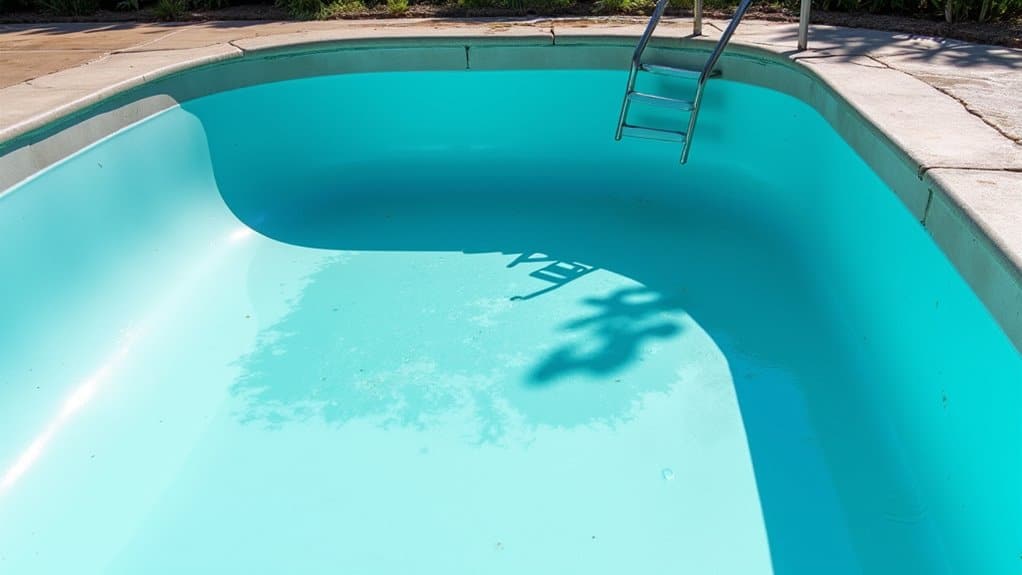
When you drain your fiberglass pool, you remove the water that holds the shell stable against the ground. That’s risky. Saturated soil and hidden groundwater push up and inward on the empty shell, and pressure can exceed its remaining weight. You’ll risk flotation, bowing, cracking, or a full “pop out” that warps it beyond repair. Only drain when work truly demands it, and always with a professional. Here’s what you need to know.
Key Takeaways
- Draining removes the water load that stabilizes the shell against upward and inward ground pressure, risking bowing, cracking, or twisting.
- Saturated soil or a high water table can push a lightweight empty shell upward, causing it to float or “pop out.”
- Hidden below-grade conditions like groundwater and backfill make draining unpredictable and dangerous without professional assessment.
- Recent heavy rain sharply increases hydrostatic pressure, raising the risk of permanent, irreparable shell damage.
- Improper draining can void the manufacturer warranty and leave the shell warped beyond practical repair.
What happens if you drain a fiberglass pool
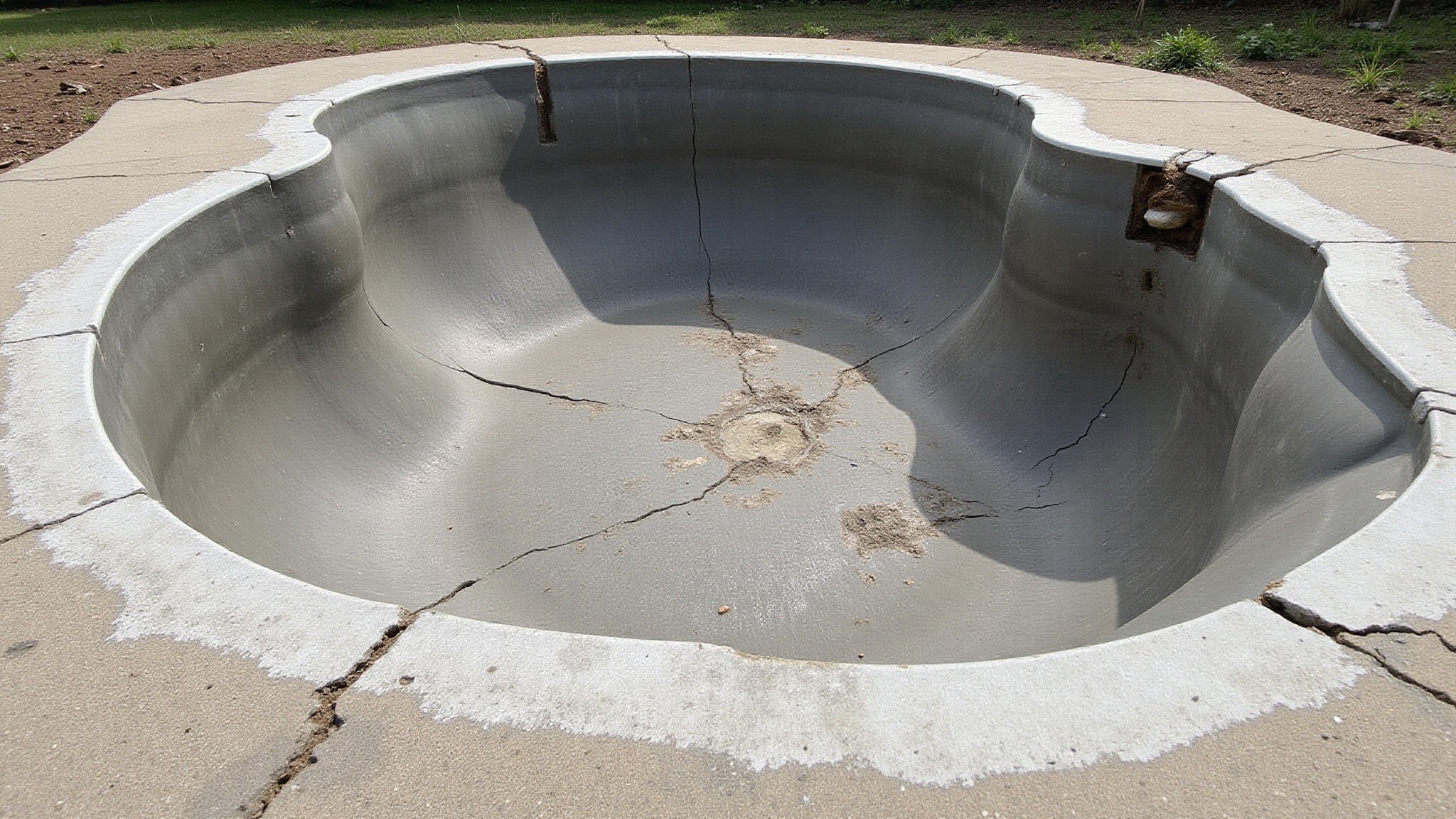
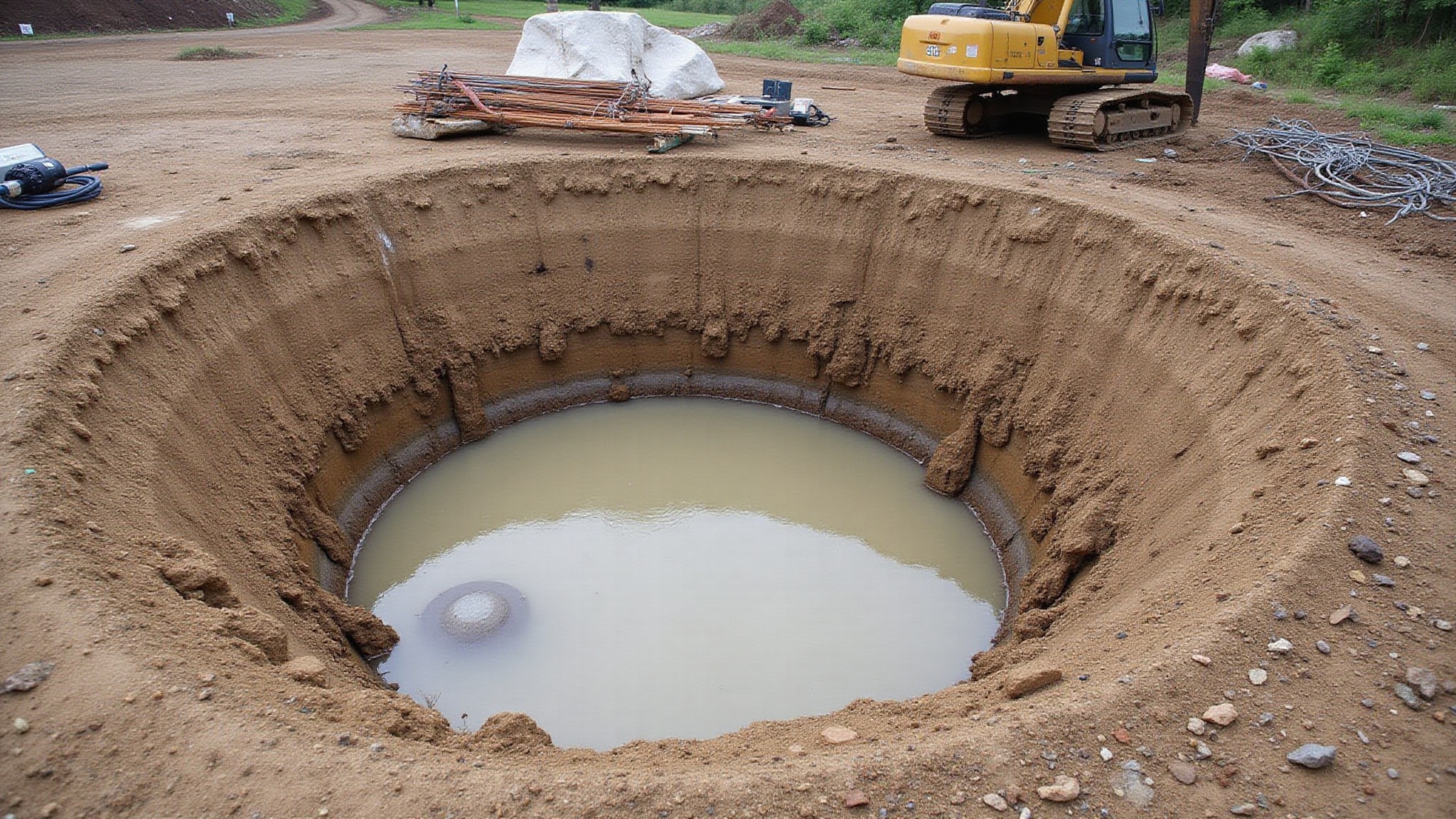
Draining a fiberglass pool removes the water load that keeps the shell stable against the ground around it. That internal weight normally counters the external hydrostatic pressure pushing up from below and inward from the sides. Once it’s gone, groundwater around the shell can exert enough force to move it.
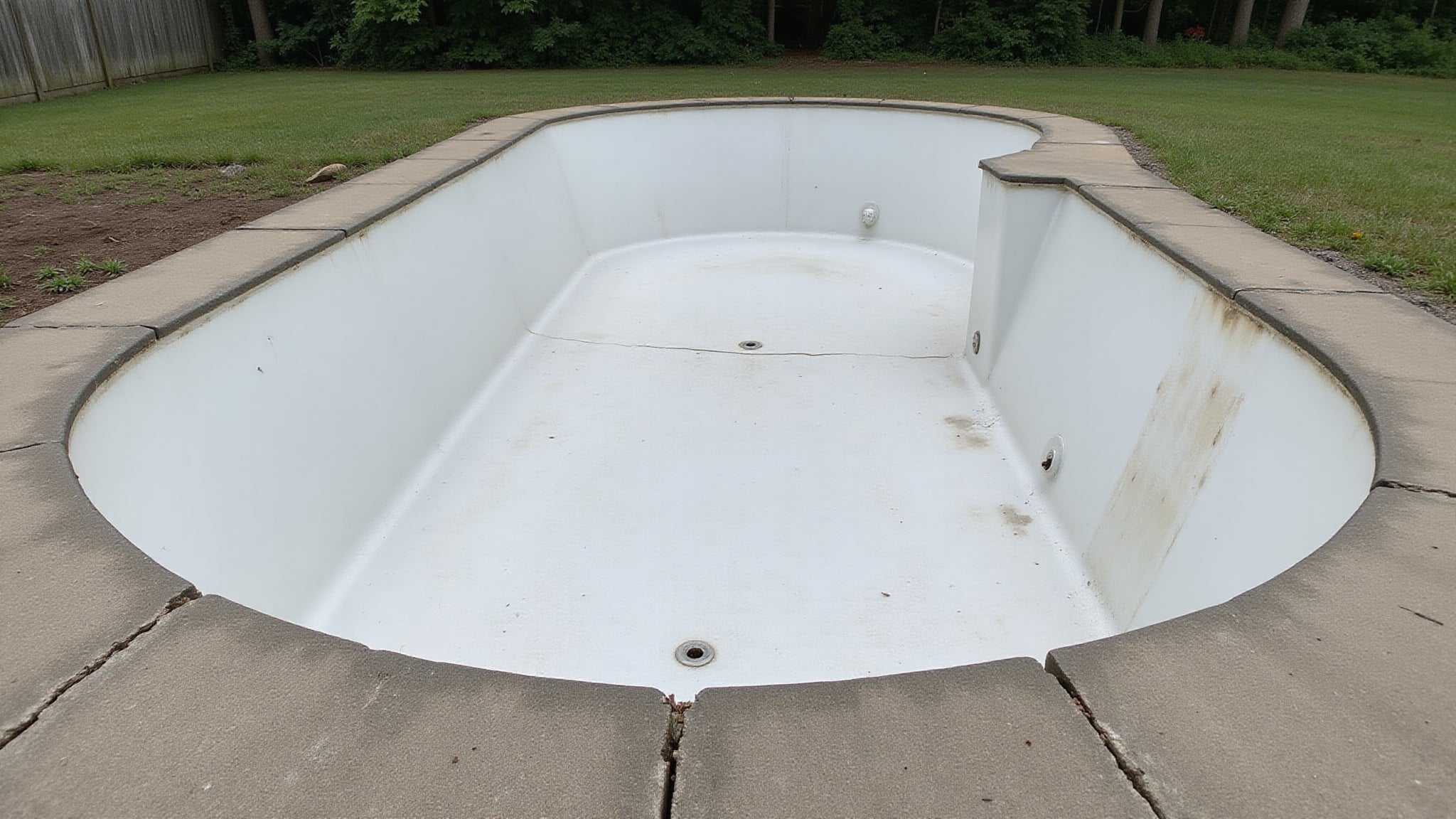
You might see the shell bow, bulge, twist, or crack under uneven pressure from saturated soil. In severe cases, the shell pop lifts the whole structure out of the ground, warping it beyond practical repair.
High water tables and recent heavy rain raise your risk sharply. What starts as a routine drain can turn into permanent structural damage, forcing major repairs or full shell replacement you didn’t plan for.
Why is draining a fiberglass pool risky
Draining a fiberglass pool is risky because you can’t see what you’re up against. Below grade, hidden groundwater, saturated backfill, and recent heavy rain can turn a routine job into a structural failure. A fiberglass pool is lightweight and depends on internal water pressure for stability. Remove that water, and external hydrostatic pressure can lift, bow, crack, or pop the shell out of the ground. The damage often isn’t temporary. You can permanently distort or crack the shell, forcing major repair or full replacement. Improper draining may also void your manufacturer warranty. That’s why you shouldn’t drain for routine cleaning. Reserve it for necessary repairs, and only after a professional checks groundwater and braces against uplift.
How can an empty fiberglass pool pop or crack from ground pressure
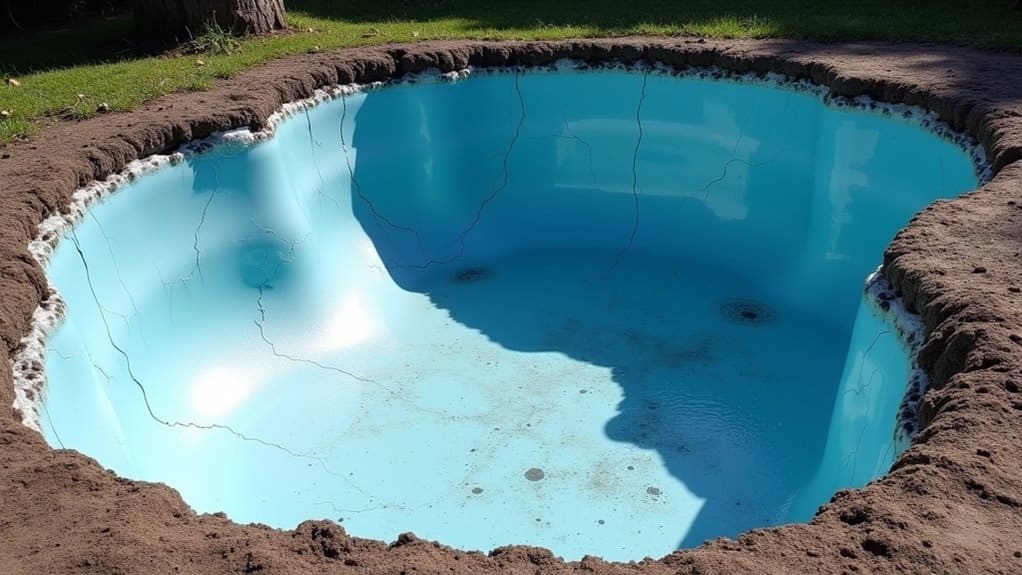
An empty fiberglass pool pops or cracks from ground pressure because draining the water removes the stabilizing load that normally balances the forces pushing in from outside. When your pool’s full, the water’s weight pushes down and outward, countering the groundwater pressing in from outside. Drain that water, and you remove the stabilizing load. Now saturated soil, a high water table, or recent rain exerts upward and inward force on an empty, lightweight shell.
That force has to go somewhere. If groundwater pressure exceeds the shell’s remaining downward weight, the pool floats and pops out of the ground. If the pressure’s uneven across the floor and walls, the fiberglass bows, bulges, or cracks. Older or previously stressed shells fail faster, since they tolerate less strain when empty.
When is it actually necessary to drain a fiberglass pool
Draining a fiberglass pool is only necessary in a few specific situations, because an empty shell can quickly crack or float. Everyday cleaning, algae treatment, and water balancing don’t require an empty shell, so you can handle them with the water in place. Draining is reserved for specific situations where you genuinely can’t complete the work otherwise:
- Structural repairs that require access to a dry shell, such as fixing deep cracks or delamination
- Relocation or removal of the pool, where you’re extracting the shell entirely
- Certain resurfacing or refinishing jobs that manufacturers specify must be done dry
Even then, you should confirm dry conditions and low groundwater first, and you should schedule a professional to supervise the drain from start to finish.
How do you safely drain a fiberglass pool if you must
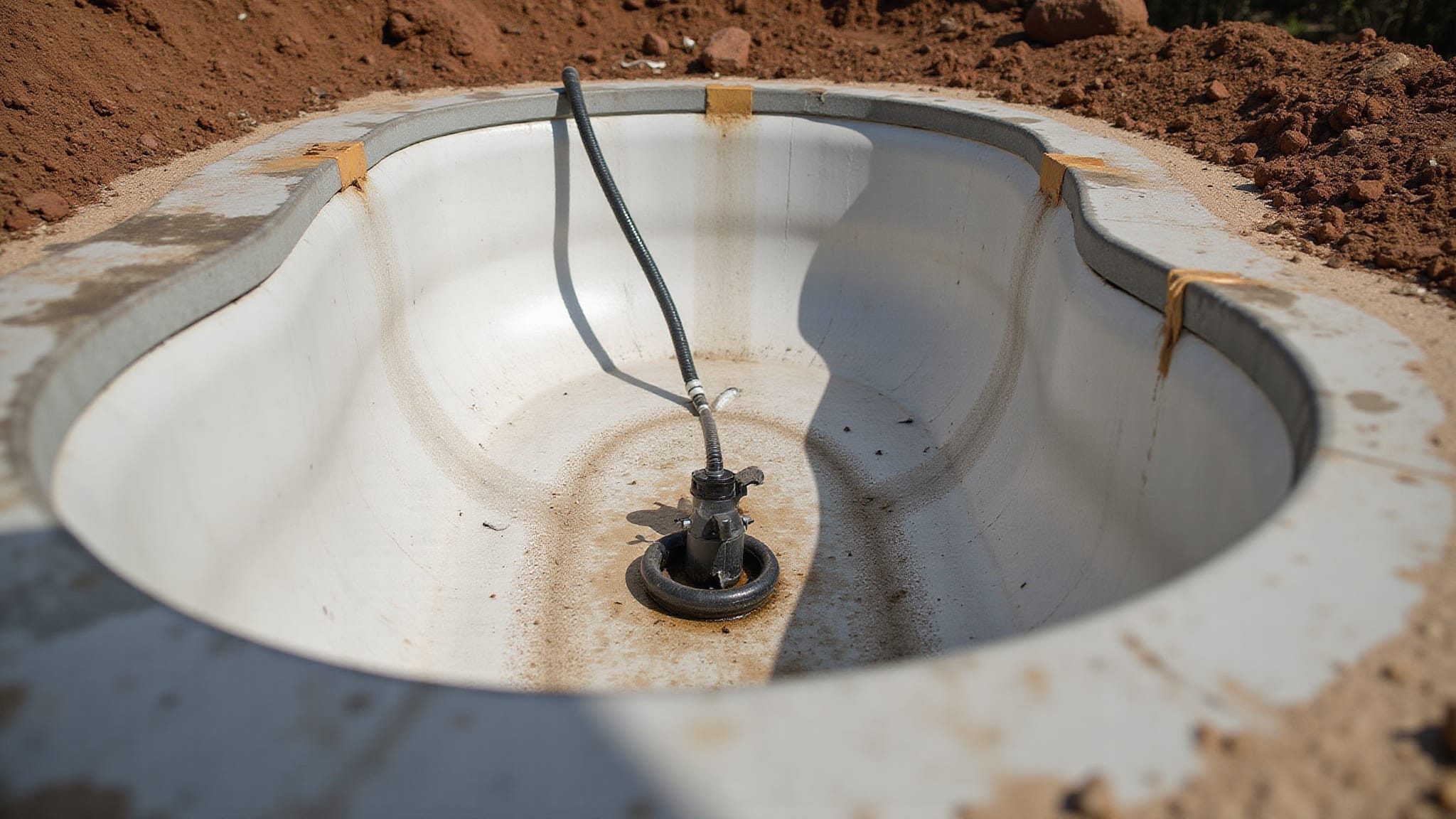
Safely drain a fiberglass pool by inspecting groundwater conditions before you touch the water level. Wait for dry weather, low water tables, and stable soil. Bring in a professional to assess below-grade conditions you can’t see from the surface, and to manage risk throughout the process.
| Safety Step | Purpose |
|---|---|
| Check groundwater | Confirm outside pressure won’t exceed inside pressure |
| Install sump access | Monitor and lower groundwater levels |
| Brace the shell | Counter uneven pressure while empty |
| Maintain exterior drainage | Keep rain and runoff away from the shell |
| Refill promptly | Restore the stabilizing water load |
After repairs finish, refill quickly so the shell regains its counterweight. If the shell has to sit open for coating or resurfacing, plan around how long a drained fiberglass pool takes to dry before you start. Never leave a fiberglass pool empty longer than the work truly requires.
How do you find a professional to drain a fiberglass pool
Find a professional to drain a fiberglass pool by starting with installers and service companies that specialize in fiberglass shells, not general pool cleaners. You want someone who assesses below-grade conditions before removing any water. Verify they’ll:
- Check groundwater levels and inspect for hydrostatic relief or sump access before draining
- Use bracing and controlled water removal to manage external pressure during the process
- Confirm favorable weather and dry site conditions, then refill promptly after work
Ask about their experience with drained shells, past uplift or cracking incidents, and how they’ll protect your manufacturer warranty. A qualified pro documents conditions, plans for groundwater, and won’t drain until it’s genuinely safe.
Conclusion
The hidden danger of draining a fiberglass pool is that the water you’re removing is the very thing holding the shell in place. Empty it, and the ground pressure that water used to balance can bow, crack, or float the shell, sometimes beyond repair. That’s why draining is never a cleaning step: reserve it for real structural work, drain only in dry conditions with the groundwater checked, brace the shell, and refill the moment the work is done. Treat the empty shell as the riskiest state your pool can be in, and keep that window as short as you safely can.
Don’t Pull the Plug Without a Plan
A fiberglass shell is most vulnerable the moment it’s empty, which is exactly why draining it is a job to hand off rather than tackle on a free weekend. Pool Doctor of the Palm Beaches checks the groundwater, braces the shell, and handles the repair or resurfacing work before refilling fast, for pools around Boca Raton. If yours needs draining for any reason, contact us first, or call (561) 586-2815.
Frequently Asked Questions
How Much Does Professional Fiberglass Pool Draining Typically Cost?
Professional fiberglass draining is priced for the risk management, not just the pumping, you’re paying for groundwater inspection, bracing, and sump control that keep the shell from shifting while it’s empty. The figure moves with your site conditions, water table, and pool size, so the only reliable number comes from an on-site assessment. What’s clear is where not to economize: a drain done cheap and wrong can distort or pop the shell, and that repair costs far more than doing it right the first time.
Can I Partially Lower the Water Instead of Fully Draining?
Yes, you can often partially lower the water, and it’s usually much safer than fully draining. Keeping water in the shell preserves the internal pressure that counters groundwater force, reducing your risk of lifting, cracking, or distortion. Lower only as much as your task requires, watch weather and groundwater conditions closely, and refill promptly. For anything beyond a minor drop, have a professional assess your site first.
Does Homeowners Insurance Cover Damage From Improper Pool Draining?
Coverage isn’t guaranteed, and you shouldn’t count on it. Most policies exclude damage tied to improper maintenance or negligence, and draining your shell in wet conditions often falls squarely into that category. If groundwater pops or cracks your pool because you drained it wrong, your insurer may deny the claim. You’ll also risk voiding your manufacturer warranty. Check your policy language and have a professional supervise any full drain.
How Long Can a Fiberglass Pool Safely Stay Empty?
There’s no fixed safe window, it depends entirely on your groundwater and weather. Under dry conditions with low water tables, you might keep it empty briefly for repairs, but you’re always racing against risk. If it rains or groundwater rises, minutes can matter. Don’t leave your shell empty longer than the work requires, monitor conditions constantly, and refill promptly. When in doubt, get a professional to assess before draining.
What Time of Year Is Best for Draining a Pool?
The best time to drain is a stretch of dry, settled weather when the groundwater sits at its lowest, since that’s when the pressure against an empty shell is weakest. Steer clear of draining right before or during a rainy spell, because saturated ground pushes hardest on an unsupported shell and is exactly when a float or crack happens. Check the water table before you start and confirm several dry days ahead, so the shell stays empty only as long as the work needs and the conditions stay in your favor.