
Yes, you can safely run a salt water system in your fiberglass pool. The smooth, non-porous gel coat resists corrosion and algae, so it handles salt chlorination well. Keep salinity around 2,700–3,400 ppm and pH between 7.2–7.6 for safe operation. You’ll still need to balance water chemistry, monitor calcium hardness, and use salt-compatible metal hardware. Get these details right, and you’ll access the full benefits explained just ahead.
Key Takeaways
- Salt water systems work safely on fiberglass pools because the smooth, non-porous gel coat resists corrosion and algae buildup.
- Salt chlorine generators convert dissolved salt into chlorine for disinfection, but do not balance water chemistry themselves.
- Maintain salt levels around 2,700–3,400 ppm and pH between 7.2–7.6, following your generator’s specifications.
- Use salt-compatible metal hardware and monitor calcium hardness to prevent corrosion and scaling on surfaces and the cell.
- Test water routinely for salt, free chlorine, and pH, and clean the salt cell every 30–90 days.
Can you use a salt water system with a fiberglass pool
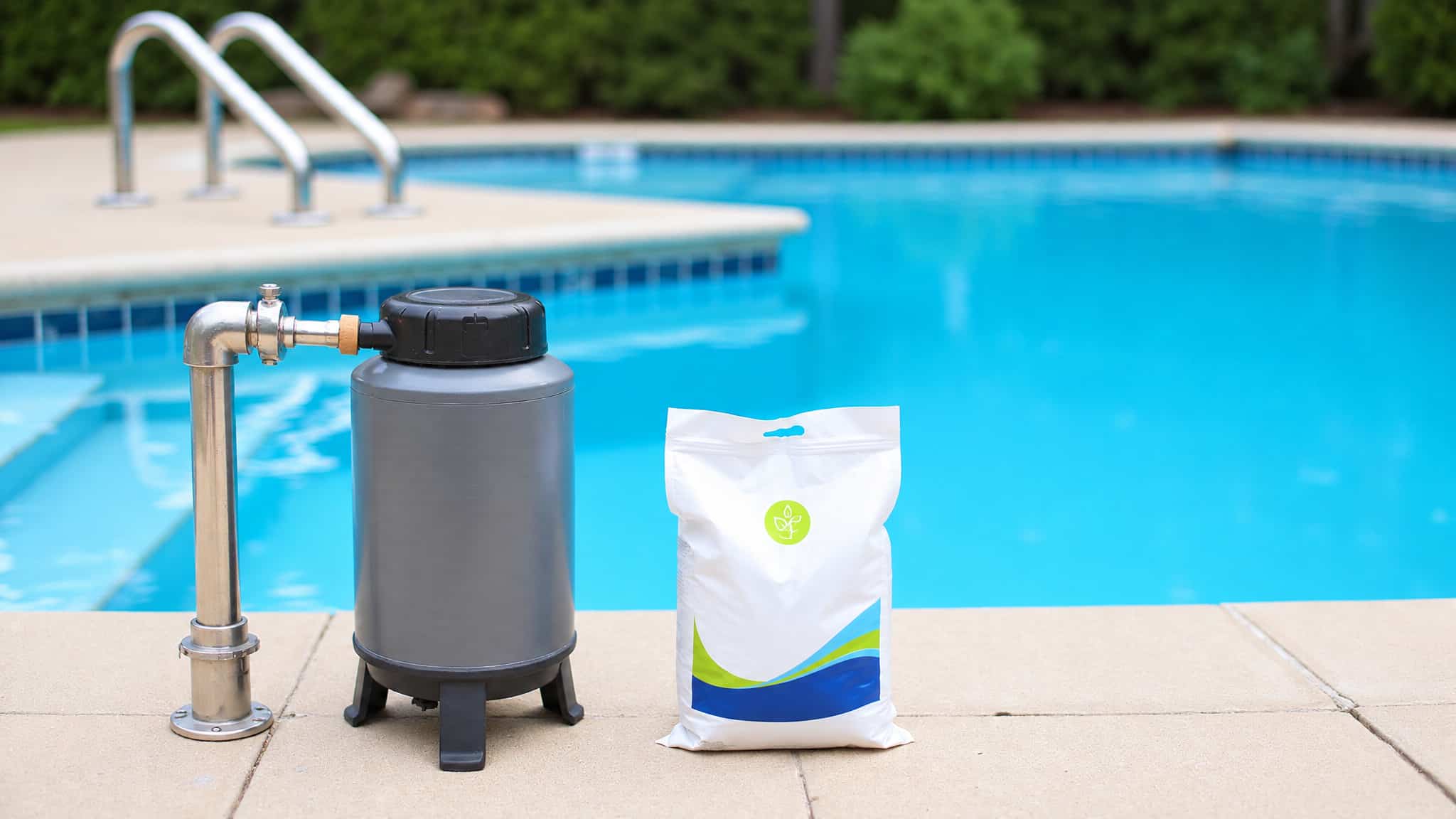
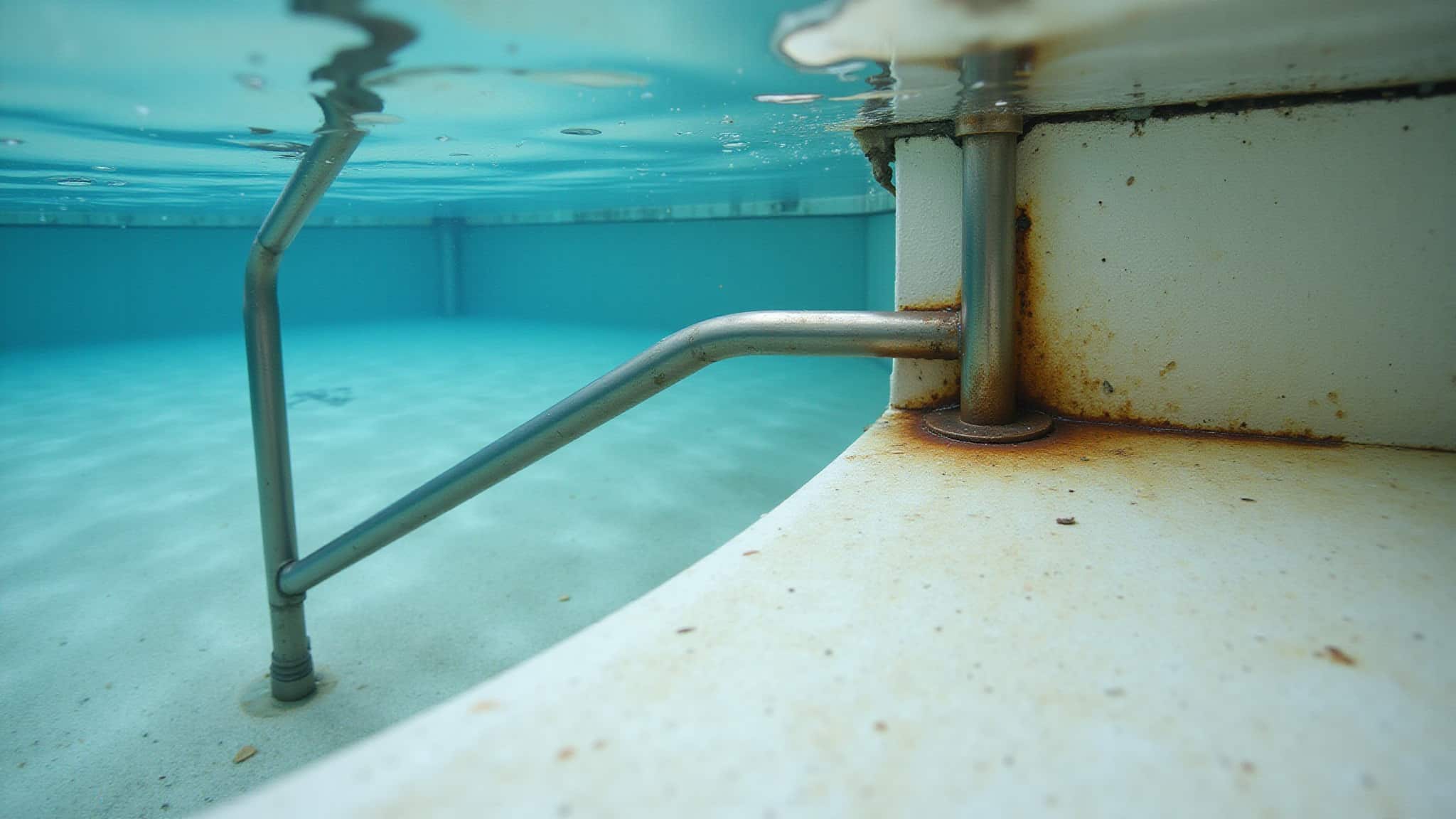
Yes, you can use a salt water system with a fiberglass pool, and it’s one of the best material pairings you can choose. The gel coat surface is smooth and non-porous, so it resists corrosion and algae buildup better than many other finishes. A salt system doesn’t sanitize with raw salt; a salt chlorine generator converts dissolved salt into chlorine for disinfection. That means you still need proper water balance to keep the system running safely. Test salt, free chlorine, and pH regularly, and make sure your ladders, rails, heaters, and fittings are salt-compatible to prevent metal corrosion. When you maintain balanced chemistry and use rated equipment, a fiberglass pool handles salt chlorination reliably and with minimal risk to the shell.
Why are fiberglass pools well suited to salt water systems
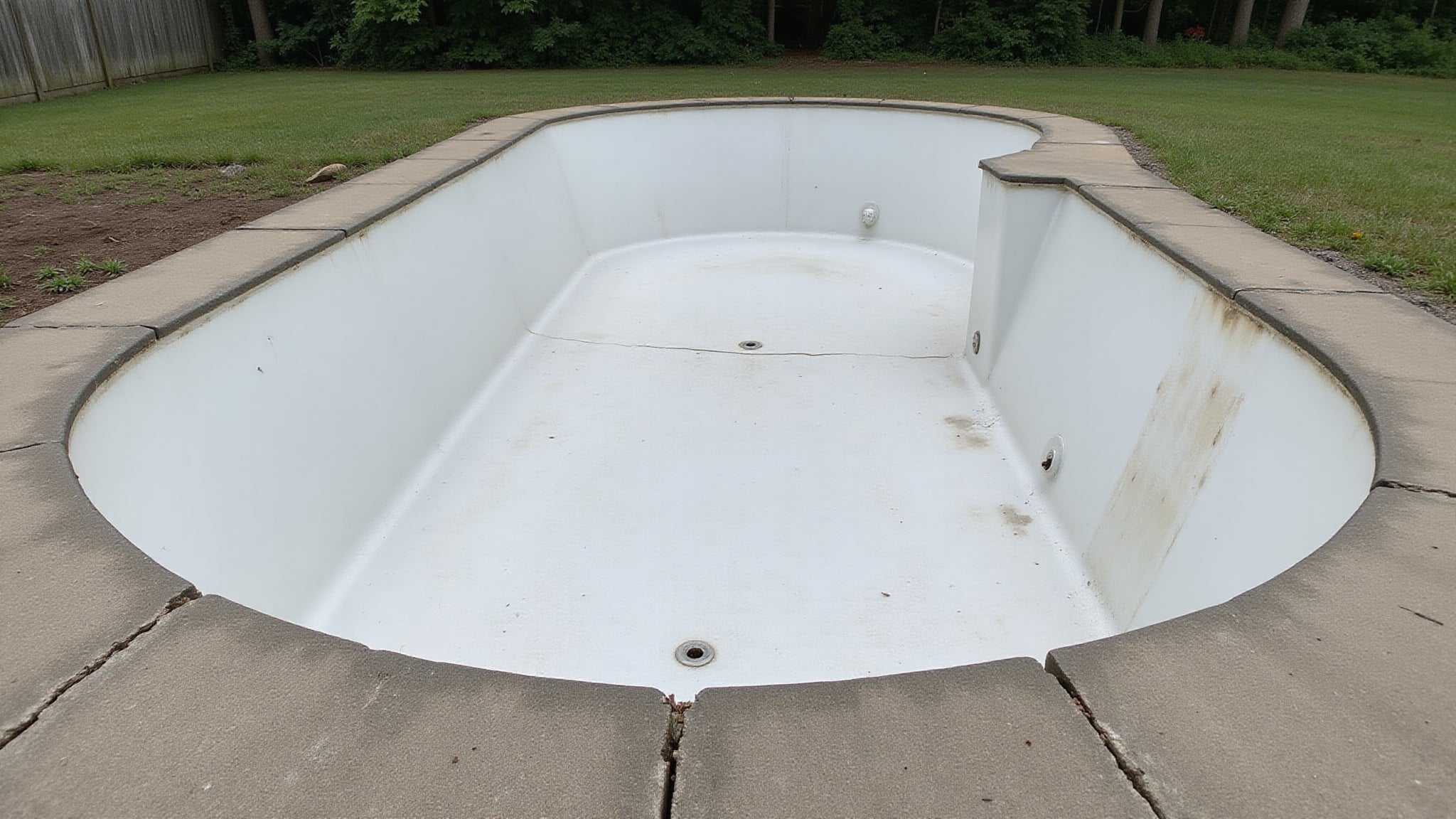
Fiberglass pools are well suited to salt water systems because their non-porous gel coat surface resists the corrosion and algae buildup that salt-generated chlorine can trigger on more porous finishes. Because the gelcoat is smooth and sealed, fiberglass tolerates typical salinity levels well, giving you a durable, low-maintenance shell.
Fiberglass and salt water are a perfect match: a smooth, sealed gelcoat that resists corrosion and algae for lasting, low-maintenance beauty.
Here’s why the pairing works so well:
- The gelcoat won’t absorb salt or moisture, so surface degradation stays minimal.
- Balanced salinity around 2,700–3,400 ppm won’t harm the sealed finish.
- Reduced algae adhesion means less scrubbing and fewer chemicals.
- Less resurfacing pairs naturally with salt’s lower chemical handling.
Just remember, the fiberglass excels, but you still need salt-compatible metal hardware to stay safe.
How does a salt water system work in a fiberglass pool
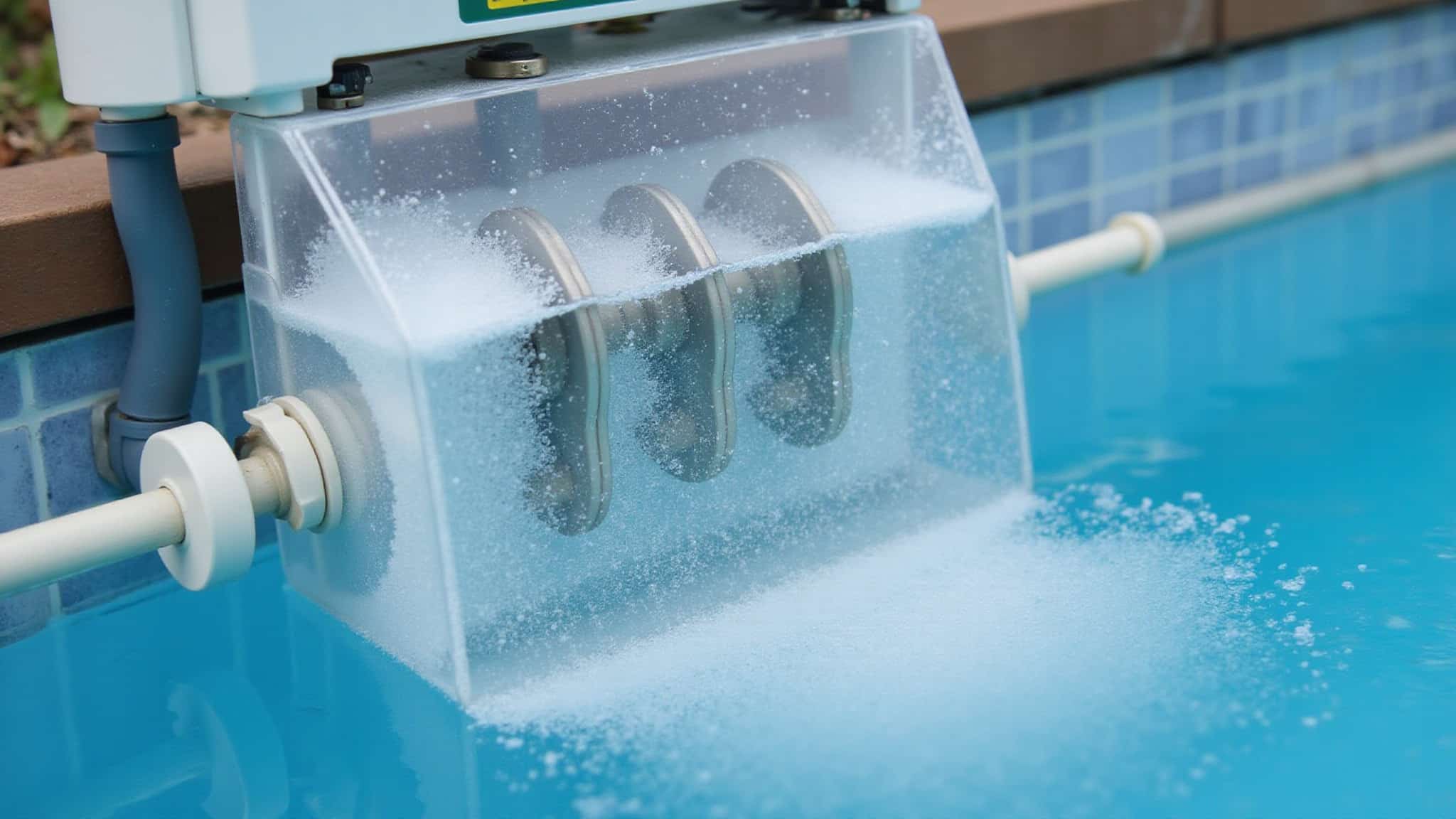
A salt water system in a fiberglass pool works by generating chlorine on demand from dissolved salt, and that chlorine is the actual disinfectant, even though people often assume the salt itself sanitizes. You dissolve pool-grade salt into the water, then a salt chlorine generator passes that saltwater through an electrolytic cell. The cell converts dissolved salt into chlorine, which sanitizes your fiberglass pool continuously. Because the gel coat surface is non-porous, it resists the corrosion and algae buildup that chlorine and salt can trigger on other finishes.
You’ll maintain salt around 2,700–3,400 ppm, depending on your cell’s specifications, and pH near 7.2–7.6. The generator only produces chlorine, it doesn’t balance water, so you’ll still test free chlorine, pH, and calcium hardness regularly. That ongoing chemistry management keeps sanitation effective and protects salt-compatible equipment.
What are the benefits of pairing salt water with fiberglass
Pairing salt water with a fiberglass pool gives you a low-maintenance combination that plays to both technologies’ strengths. The non-porous gel coat resists corrosion and algae, while the salt chlorine generator produces chlorine on demand, so you handle fewer chemicals. This pairing delivers measurable advantages:
- Reduced chemical handling, you skip storing and dosing traditional chlorine products, cutting exposure risk.
- Softer water feel, swimmers report less eye and skin irritation than with conventional chlorination.
- Less resurfacing, fiberglass already needs minimal upkeep, pairing well with automated sanitation.
- Consistent sanitation, the generator produces chlorine steadily when you keep water balanced.
Together, these benefits create a durable, low-effort system, provided you maintain proper chemistry and inspect components regularly.
What maintenance does a salt water fiberglass pool need
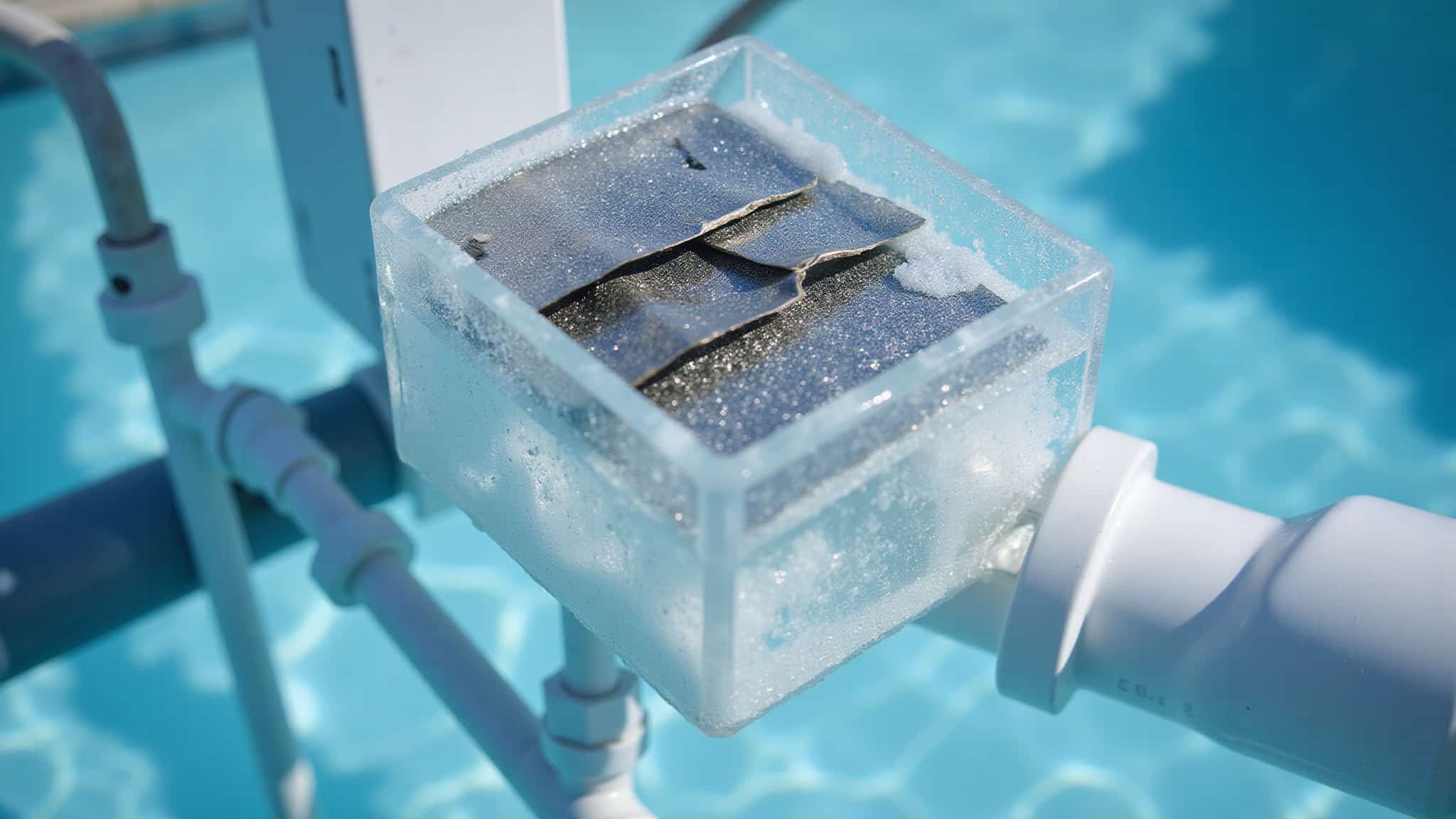
A salt water fiberglass pool needs consistent, targeted upkeep to stay safe and efficient, even though fiberglass is low-maintenance on its own. Test your water routinely, tracking salt, free chlorine, and pH. Keep salt around 2,700–3,400 ppm (or your cell’s specified range), pH at 7.2–7.6, and monitor calcium hardness to prevent scaling on the cell and surfaces. Inspect and clean the salt cell every 30–90 days, or 3–6 months, depending on use and water conditions. Use proper methods to remove mineral buildup when it forms. Add salt infrequently, topping off after splash-out, backwashing, or heavy rain. Rinse nearby metal tracks, deck hardware, and exposed fixtures regularly to limit corrosion. Plan for eventual cell replacement, since chlorinator cells have a limited service life.
How do you set up a salt water system for your fiberglass pool
To set up a salt water system for your fiberglass pool, confirm every metal component is salt-rated before installation, since a salt system’s long-term safety depends on compatible hardware. Inspect ladders, rails, skimmers, heaters, fasteners, and fittings, replacing anything that isn’t corrosion-resistant. Once your equipment checks out, follow these steps:
- Balance your water first, targeting pH around 7.2–7.6 and monitoring calcium hardness to prevent scaling on the cell.
- Add high-purity, pool-grade salt to reach your generator’s specified range, typically around 2,700–3,400 ppm, per your generator’s spec.
- Install the salt chlorine generator per manufacturer instructions, wiring the cell into your circulation line correctly.
- Power up the system, then test free chlorine and salt levels to verify proper output.
Document your baseline readings for consistent future maintenance.
Conclusion
A salt water system works safely on a fiberglass pool, and the pairing is one of the better ones you can run: the non-porous gelcoat shrugs off the corrosion and algae that salt-generated chlorine can bring to rougher finishes. The shell isn’t the part to watch, though, it’s the metal. Keep the salinity and pH in range, stay on top of calcium hardness, and make sure every ladder, rail, and fitting is salt-rated, since that’s where corrosion actually shows up. Get the hardware and chemistry right and you get softer water and lighter chemical handling with little risk to the pool itself.
Setting It Up So the Metal Lasts
The shell handles salt fine, the ladders, heater, and fittings are what fail if the hardware isn’t rated for it or the chemistry drifts. Pool Doctor of the Palm Beaches installs and services fiberglass pools built for salt systems, and keeps the water balanced so the equipment holds up, for pools around Boca Raton. Planning a salt setup or worried about corrosion? Contact us or call (561) 586-2815.
Frequently Asked Questions
How Much Does It Cost to Convert a Fiberglass Pool to Salt Water?
What it costs to convert a fiberglass pool to salt water depends mostly on the generator you choose and whether any metal fixtures need swapping for salt-rated ones. The salt chlorine generator is the main expense, with pool-grade salt adding only a little on top. Budget extra if your ladders, rails, or fittings aren’t already corrosion-resistant. Don’t skip professional installation, since proper wiring and water balancing are what protect your equipment and keep sanitation safe and reliable.
Can You Swim in a Salt Water Pool Immediately After Adding Salt?
You shouldn’t swim immediately after adding salt. Wait until the salt fully dissolves and circulates, which typically takes about 20–30 minutes of running your pump, though many manufacturers recommend waiting up to 24 hours. Undissolved salt can settle on your fiberglass surface or irritate skin. You’ll also want to verify your salt level reads within the target range, usually 2,700–3,400 ppm, before swimming, ensuring balanced chemistry and safe, comfortable water conditions.
Does a Salt Water System Void a Fiberglass Pool Warranty?
No, a salt water system won’t typically void your fiberglass pool warranty, since the non-porous gel coat resists salt-related corrosion and damage. However, you’ll want to confirm your manufacturer’s specific terms, because warranties often require salt-compatible equipment and balanced water chemistry. Neglecting metal fittings, ladders, or the salt cell can trigger exclusions. Keep your water balanced, use salt-rated hardware, and document routine maintenance to protect your coverage effectively.
How Long Does a Salt Cell Typically Last Before Replacement?
You’ll typically get several years of service from a salt cell before it needs replacement, though exact lifespan depends on your usage, water chemistry, and maintenance habits. To maximize it, you should keep your water balanced, prevent scale buildup, and clean the cell using proper methods every 30–90 days when mineral deposits form. Neglecting these steps shortens cell life, so stay consistent with inspections and testing to protect your investment.
Can You Switch Back to Traditional Chlorine After Using Salt?
Yes, you can switch back to traditional chlorine anytime. Simply turn off or remove the salt chlorine generator and start dosing chlorine manually. You don’t need to drain your pool, the dissolved salt won’t harm your fiberglass shell or interfere with standard chlorination. Keep testing your free chlorine, pH, and calcium hardness to maintain proper balance. If you’re removing metal-sensitive equipment concerns, rinse fixtures regularly and monitor water chemistry consistently for safe results.