

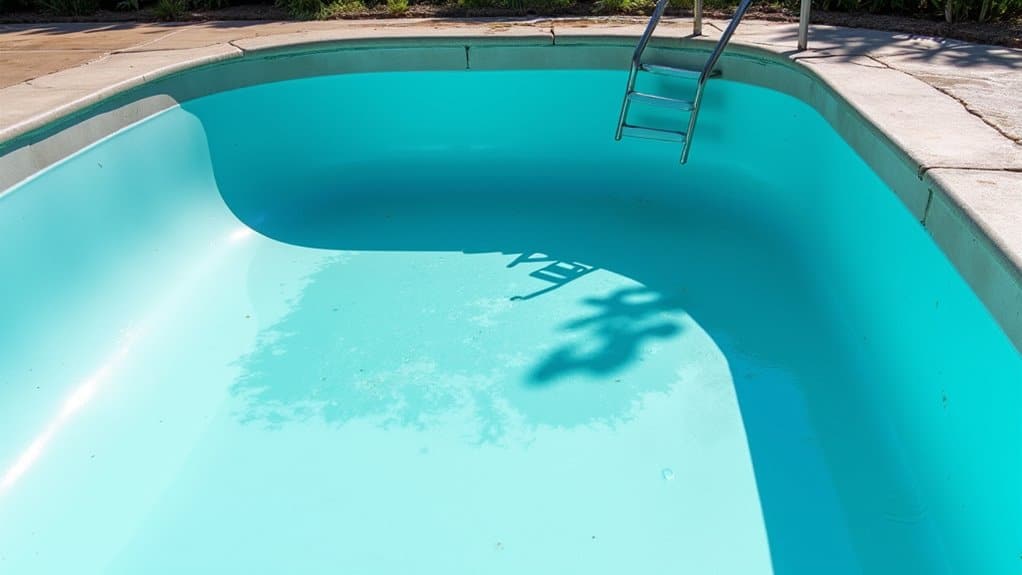
A fully drained fiberglass pool takes 2 to 7 days to dry. In hot, dry, low-humidity conditions, you can refill within 24 hours to 4 days. Temperature drives the pace more than anything else, while rain, fog, and heavy dew stall your progress. Worn gelcoat, spider-web cracks, and osmotic blistering trap moisture longer, so verify dryness with a taped-plastic test before coating. Below, you’ll discover what shapes your specific drying window.
Key Takeaways
- A fully drained fiberglass pool typically takes 2 to 7 days to dry after standing water clears.
- Hot, dry, low-humidity conditions can shorten drying to as little as 24 hours to 4 days.
- Temperature drives drying pace most, while sunlight and warm air further speed moisture removal.
- Rain, fog, and heavy dew add moisture and stall drying progress significantly.
- Worn gelcoat, spider-web cracks, and osmotic blistering trap moisture, requiring extra drying days.
How long does a fibreglass pool take to dry
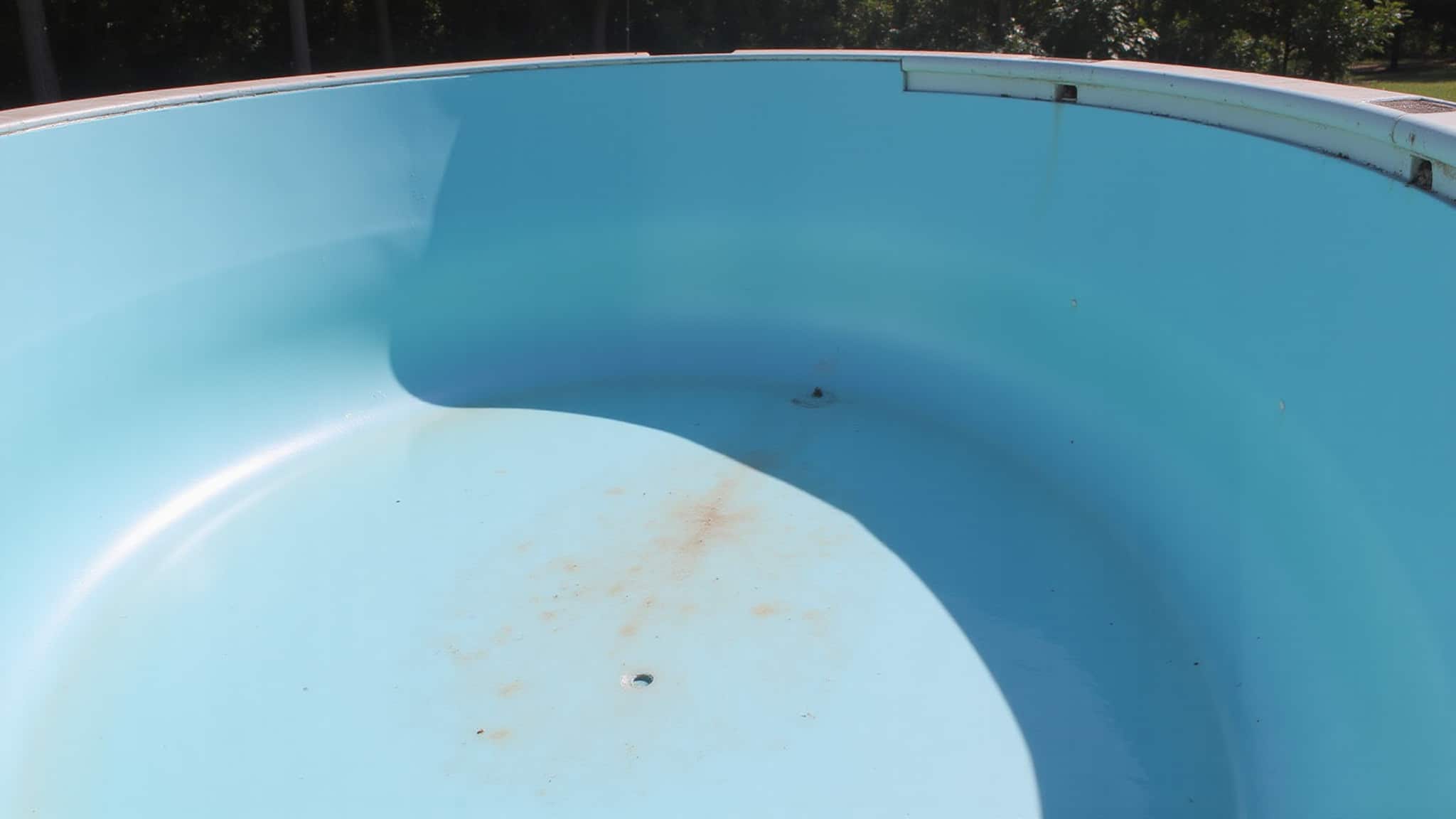
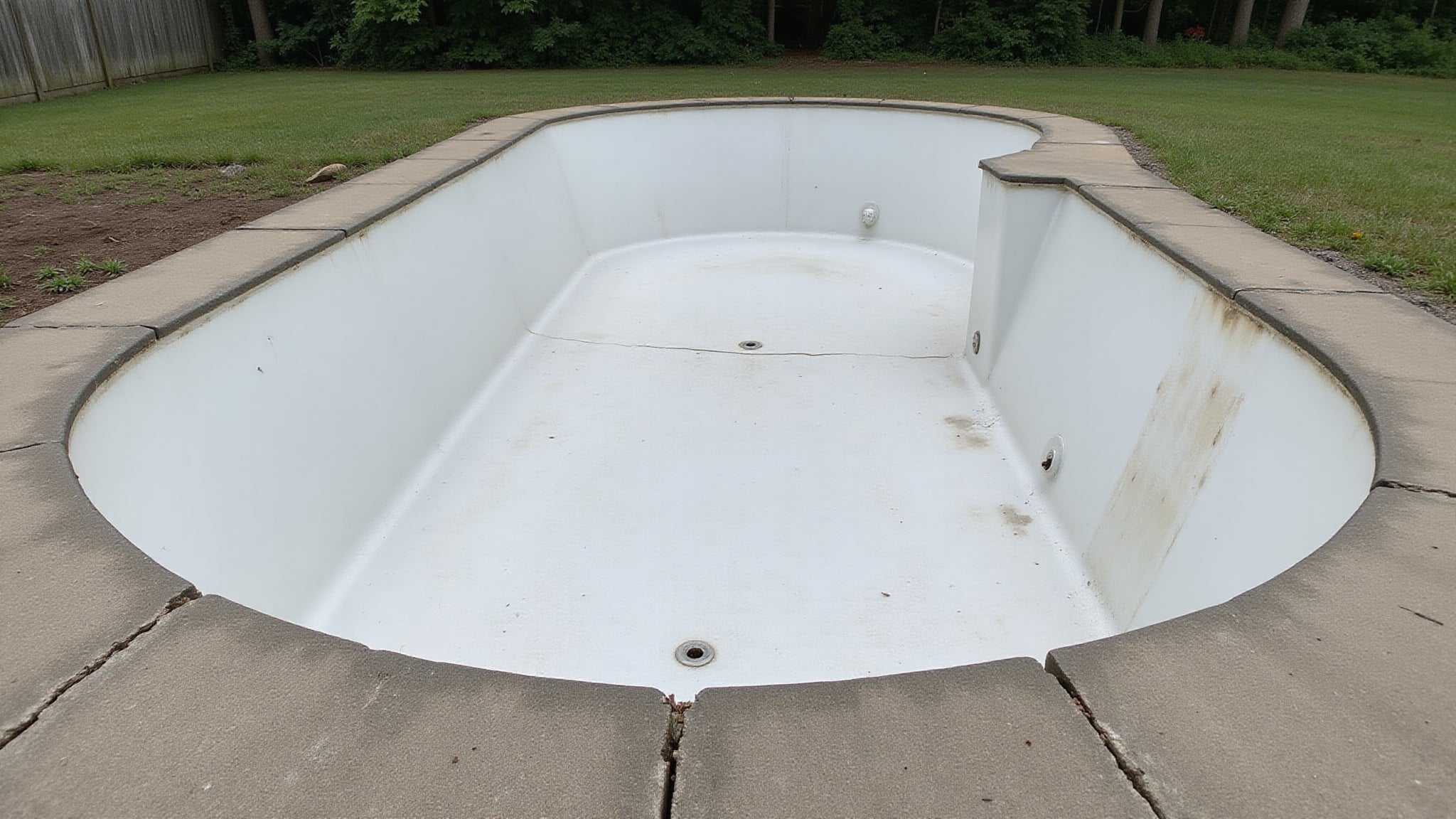
A fibreglass pool takes 2 to 7 days to dry once the shell’s fully drained, though the exact window depends heavily on installation weather and surface condition. In hot, dry, low-humidity conditions, you can often refill within 24 hours to 4 days. Remember, unlike concrete, a fiberglass shell doesn’t need on-site fiberglass cure time. The gelcoat and resin are factory-set, so you’re only removing surface moisture, not waiting on structural curing. Sunlight and warm air speed up drying, while rain, fog, and heavy dew slow it down. If you’ve got osmotic blistering, worn gelcoat, or spider-web cracks, expect additional drying time since those areas trap moisture longer than intact surfaces do.
What stages are involved in curing a fibreglass pool
Curing a fiberglass pool involves surface moisture removal across a few clear stages, since fiberglass shells arrive factory-cured and you’re not managing structural curing on-site the way you would with concrete or plaster. First, you drain fully and let standing water clear from the floor and low points. Next, you dry the exposed surfaces, letting sun and warm, low-humidity air pull moisture from the gelcoat. Then you inspect worn areas, spider-web cracks, and any osmotic blistering, since these hold moisture longer than intact sections. After that, you verify dryness using the taped-plastic test before coating. Finally, once you confirm no condensation forms, you’re ready to coat or refill, keeping that empty window as short as possible to limit structural risk.
What factors affect fibreglass pool drying and curing time
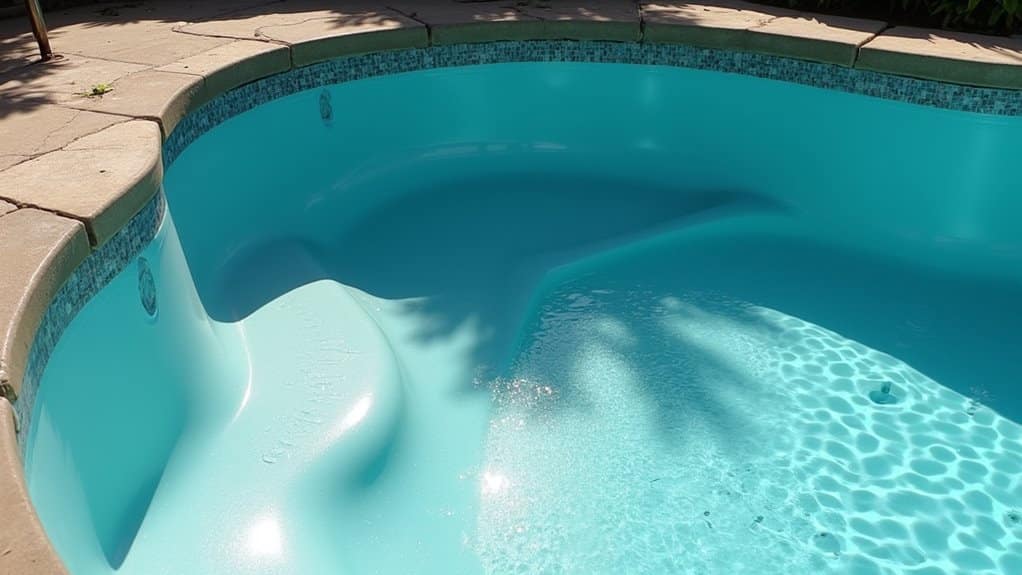
Several factors affect fiberglass pool drying and curing time, including surface conditions, temperature, humidity, weather, and the condition of your shell.
Since fiberglass doesn’t absorb water like concrete or plaster, your drying time hinges almost entirely on surface conditions and the weather you’re working in.
Temperature drives the pace more than anything else. Warm air pulls surface moisture off quickly, and direct sunlight accelerates both drying and coating cure. Low humidity shortens the window further, while rain, fog, and heavy morning dew add moisture and stall your progress.
Your shell’s condition matters just as much. Intact gelcoat sheds water fast, but worn gelcoat, spider-web cracks, surface crazing, and osmotic blistering trap moisture and hold it longer, demanding extra days.
How long does each installation phase take
Each installation phase takes anywhere from same day to 7 days, depending on the conditions you’re working with, so there’s no single number that fits every job. When you drain a fiberglass shell for repair or resurfacing, each phase carries its own realistic window. In hot, dry weather, you can move fast. In humid or rainy conditions, you’ll wait longer before coating or refilling.
| Phase | Typical Duration |
|---|---|
| Draining the shell | Same day |
| Fast-track drying (hot, dry) | 24 hours to 4 days |
| Standard drying window | 2 to 7 days |
| Extended drying (blistering/moisture) | 2 to 7 days |
| Refilling after verification | Same day |
You’ll verify surface moisture with the taped-plastic test before starting finish work. Don’t leave the shell empty longer than necessary, since structural risk climbs quickly.
Why does proper curing matter before filling the pool
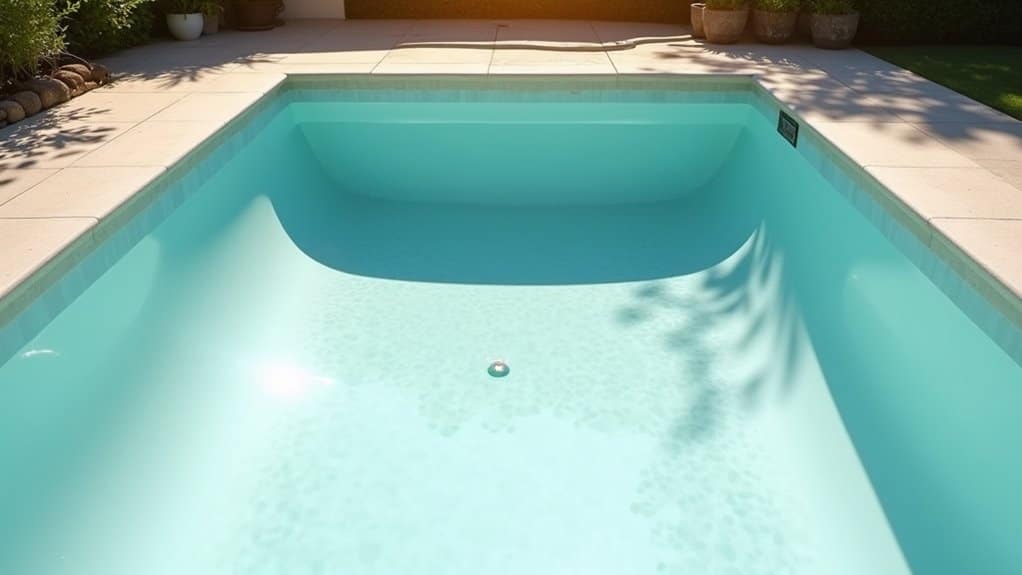
Proper curing matters because if you’ve applied a new gelcoat or coating, that finish needs to cure properly before water contacts it, or you’ll trap moisture and risk blistering. Curing isn’t the same process for fiberglass as it is on a concrete or plaster pool. Your fiberglass shell arrives factory-made, so it doesn’t need on-site curing the way concrete does. It doesn’t absorb water either, which means you’re not waiting on structural hardening. What you’re really managing is surface moisture removal, especially if you’re coating or refinishing. Rushing this step compromises adhesion and durability. Verify the surface is dry and any coating has cured completely before you refill.
How do you know when your fibreglass pool is ready to use
Your fibreglass pool is ready to use once the shell has fully dried and you’ve confirmed it rather than just assuming it by appearance. Don’t trust a dry-looking surface alone. Tape clear plastic to the walls and floor, then leave it for a few hours in direct sun. If condensation forms underneath, the shell’s still holding moisture and needs more time. Pay close attention to worn gelcoat, spider-web cracks, and surface crazing. These areas trap moisture longer than intact sections, so check them specifically. Verify dryness before painting or coating; never assume it’s done just because the surface feels dry. You’ll also want several stable, dry days ahead before starting finish work or refilling. Rain, fog, or heavy dew will undo your progress and delay everything, so time this window carefully.
Conclusion
How long a fully drained fiberglass pool takes to dry lands between 2 and 7 days, but the number matters less than the two things driving it: the weather while the shell sits open, and the condition of the gelcoat holding moisture. Because the shell is factory-cured, you’re only clearing surface moisture, not waiting on structure, so warm, dry air is your friend and rain or dew is your enemy. Confirm it with the taped-plastic test rather than a dry-looking surface, and never leave the shell empty longer than the work demands. The drying window is also the window where an empty shell is most at risk.
The Risky Part Is the Empty Shell
Drying time is the easy part, timing the drain, managing ground pressure, and refilling fast before the shell shifts is where a fiberglass job goes right or wrong. Pool Doctor of the Palm Beaches handles fiberglass draining and resurfacing work through that high-risk window for pools around Jupiter. Before you drain yours, contact us to plan the job, or call (561) 586-2815.
Frequently Asked Questions
Can I Drain My Fiberglass Pool Myself, or Need a Professional?
You can drain it yourself, but you shouldn’t. A fiberglass shell that’s unsupported faces real structural risk, groundwater and soil pressure can shift, bow, or pop it out of place. A professional knows how to time the drain, manage hydrostatic pressure, and refill quickly, usually within the same day. If you’re draining for repairs or resurfacing, hire someone who’ll handle that short, high-risk window correctly and protect your investment.
What Happens if My Drained Pool Gets Rained On?
Rain on your drained pool spells trouble. It adds moisture that delays your drying window and, more importantly, raises hydrostatic pressure in the surrounding soil. That pressure can push against your unsupported shell, causing it to shift, bow, or even pop out of place. You’ll also see water pooling on the floor, extending your timeline further. That’s why you shouldn’t drain during or right before wet weather, the risk isn’t worth it.
How Much Does Draining and Refilling a Fiberglass Pool Cost?
Draining and refilling costs vary with pool size, local water rates, and whether you bring in a pro, so the water bill for a refill is a smaller concern than the job around it. The real cost driver is risk: an empty fiberglass shell can shift or pop if it sits too long or the groundwater rises, and that repair dwarfs any refill. Get a local quote for the work you’re planning, but build the plan around draining only when conditions are right and refilling quickly.
Can I Speed up Drying With Fans or Heaters?
Yes, you can speed things up with fans or heaters, but don’t rely on them alone. Fans move air across the surface and help pull moisture off worn gelcoat, spider-web cracks, and crazing where it lingers. Heaters raise the shell’s temperature and shorten drying time. Still, tape clear plastic to the walls and floor to verify you’ve actually removed the moisture. Don’t assume it’s dry just because the surface looks dry.
What’s the Best Time to Drain a Fiberglass Pool?
The best time to drain a fiberglass pool is a stretch of warm, dry, settled weather, since that’s when surface moisture clears fastest and the shell spends the least time empty. Avoid draining right before or during a rainy spell, because wet ground raises the pressure pushing against an unsupported shell and drags out the drying window at the same time. Check that you have several dry days ahead before you start, and line up the refill so the shell isn’t sitting open any longer than the work actually needs.