
You’ll spend $65,000 to $150,000 to design and build an infinity edge pool, with most residential projects landing near $95,000 to $98,000. That vanishing edge feature adds 20% to 50% over a standard pool, largely because of the catch basin, which runs $25,000 to $35,000 alone. Site conditions, engineering tolerances, and finish materials drive your final number higher. Since each build’s a one-off, the details below shape what you’ll actually pay.
Key Takeaways
- Infinity edge pools typically cost $65,000 to $150,000, with most residential projects landing near $95,000 to $98,000.
- The vanishing edge feature adds 20% to 50% over a standard pool due to specialized hydraulics and engineering.
- Overflow systems require a catch basin below, often costing $25,000 to $35,000 alone.
- Site conditions, engineering demands, size, and finish materials are the main factors driving overall price.
- Ongoing maintenance runs $3,000 to $7,000 yearly, so budget a 10% to 15% contingency for one-off builds.
How much does an infinity edge pool cost
An infinity edge pool costs roughly $65,000 to $150,000, with most residential projects landing near $95,000 to $98,000. Smaller, simpler builds can start around $55,000, while high-end or heavily engineered projects reach $200,000 or more. A standard 12′ x 24′ pool typically runs $80,000 to $100,000 installed.
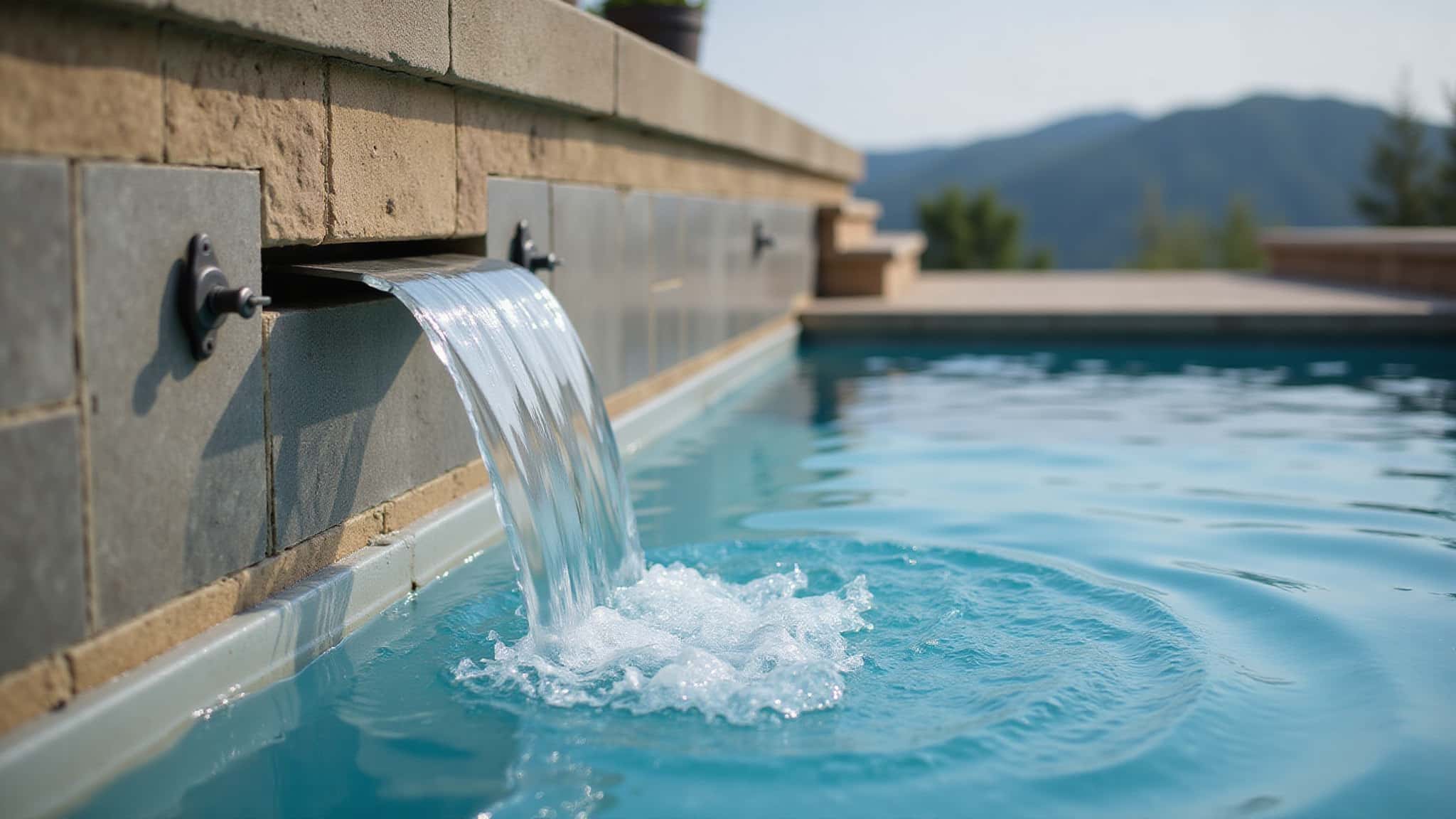
What drives your cost is the engineering behind the vanishing edge. The weir wall must be dead-level to move water evenly over the edge, and the catch basin below, often $25,000 to $35,000 alone, collects and recirculates that overflow. These hydraulics, plus balancing tanks and tight tolerances, add real expense. Expect the infinity edge feature itself to add 20% to 50% over a standard pool’s price.
What factors affect the price of an infinity edge pool
Four factors affect the price of an infinity edge pool most: site conditions, engineering demands, size, and finish materials. Every infinity pool is a one-off build.
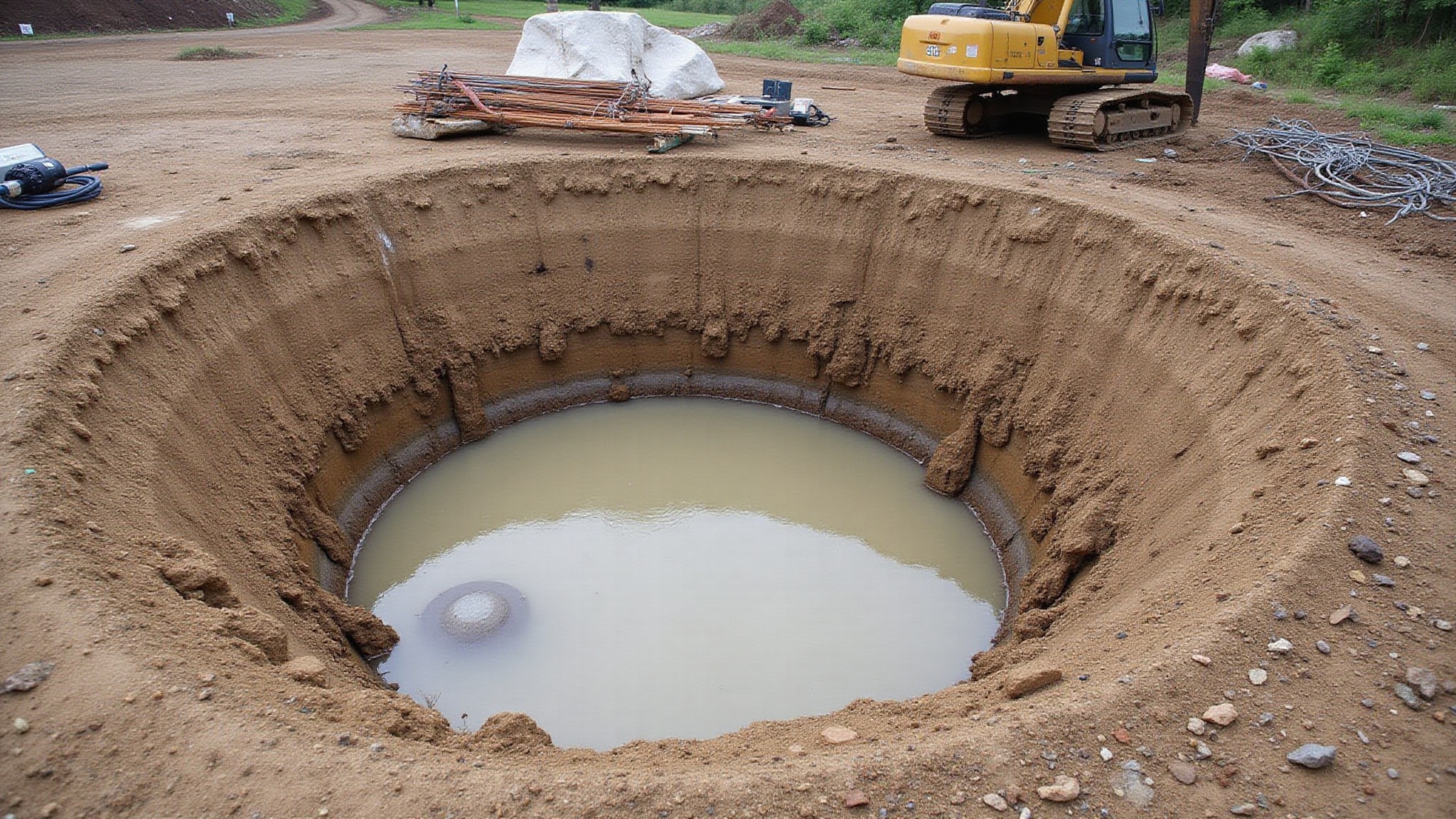
Site conditions drive your costs first. A hillside site adds excavation, retaining structures, and foundation work that can push totals toward $200,000. Engineering demands follow closely. The vanishing edge relies on precise hydraulics, a balancing tank, and an overflow system to manage water flow within tight tolerances. That catch basin alone runs $25,000 to $35,000.
Size scales everything. A 10′ x 20′ pool lands around $65,000 to $80,000, while a 20′ x 40′ build climbs to $125,000 to $140,000. Finish materials finish the equation: gunite runs $65,000 to $120,000, and premium tile pushes you into the $75,000 to $150,000 range.
What design and site requirements drive the cost

Your design and site requirements dictate how much engineering the build demands, because the vanishing edge has to move water with surgical precision. Sloped or difficult sites force deeper excavation, reinforced foundations, and structural retaining work that quickly drives costs upward. You’ll also need a balancing tank and overflow system to capture and recirculate the water spilling over the edge, and that catch basin alone runs about $25,000 to $35,000. Tight hydraulic tolerances mean specialized pumps and plumbing sized to maintain a consistent sheet of water. Because nearly every infinity pool is a one-off, custom design work adds engineering hours upfront. Expect these combined demands to price a full infinity-edge system at a 20% to 50% premium over a comparable standard pool.
How do infinity edge pool costs break down by size and feature
Infinity edge pool costs break down by size and feature, with each added square foot driving up excavation, shotcrete, finish, and hydraulic demands. Here’s how common footprints price out:
| Pool Size | Installed Cost | Notes |
|---|---|---|
| 10′ x 20′ | $65,000–$80,000 | Entry-level footprint |
| 15′ x 30′ | $90,000–$110,000 | Mid-range residential |
| 20′ x 40′ | $125,000–$140,000 | Larger, higher labor |
Beyond size, features stack fast. Your catch basin alone runs $25,000–$35,000, and the infinity edge itself often adds $20,000–$35,000 over a standard build. Tile finishes push you toward $150,000, while decking, stairs, and landscaping tack on another $10,000–$30,000. Add complex shapes or extra edges, and construction difficulty climbs right alongside your final number.
What ongoing maintenance costs should you expect
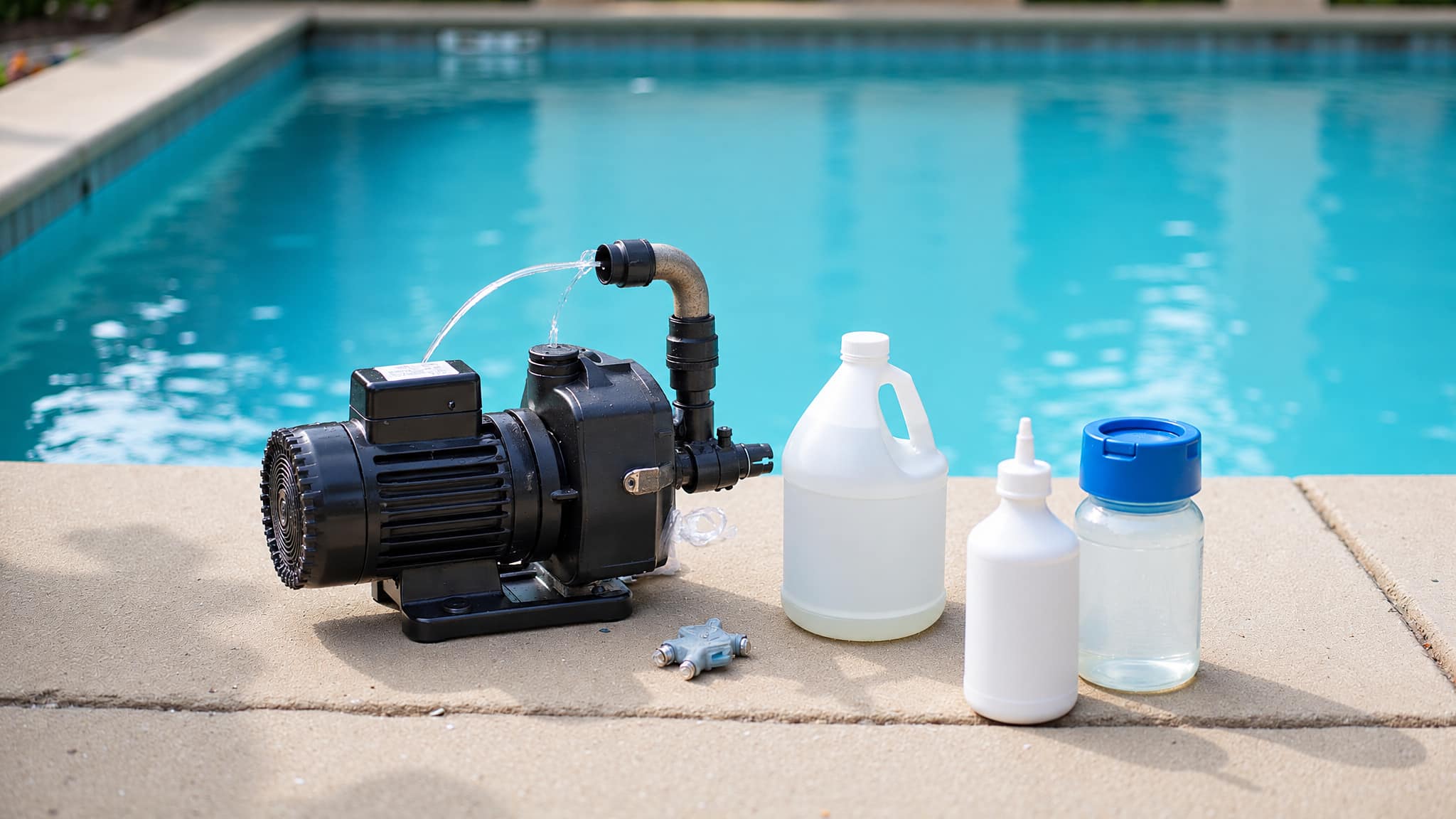
Expect ongoing maintenance costs of $3,000 to $7,000 yearly to keep an infinity pool precise. The vanishing edge relies on a balancing tank and dedicated pumps that run more frequently than conventional circulation systems, driving up energy use and wear. You’ll also manage tighter water chemistry to protect tile and prevent scaling along the weir edge.
Plan for these recurring costs:
- Energy: $600 to $1,500 annually for extra pump runtime and edge circulation.
- Chemicals and water: $500 to $1,000 yearly, factoring evaporation across the overflow.
- Professional service: $1,200 to $3,000 per year for edge tuning and system checks.
- Repairs and resealing: $500 to $2,000 for weir tile, pumps, and balancing components.
Budget $3,000 to $7,000 yearly to keep everything precise.
How do you budget for and plan an infinity edge pool
Budgeting for an infinity edge pool starts with a realistic planning range of $75,000 to $150,000 and working backward from your site’s specific demands. First, assess your slope and soil conditions, since structural engineering and foundation work drive costs faster than anything else. Budget separately for the vanishing edge itself, which can add $25,000 to $35,000, plus a catch basin running $25,000 to $35,000 and balancing tank hydraulics.
Next, factor material choices. Gunite typically runs $65,000 to $120,000, while premium tile pushes you toward $150,000. Don’t forget add-ons: decking, stairs, fencing, and landscaping tack on $10,000 to $30,000.
Finally, build in a 10% to 15% contingency. Custom, one-off builds rarely hit their initial number, so you’ll want that cushion.
Conclusion
What an infinity edge pool costs to design and build comes down to three things more than any price list: your site, the engineering the vanishing edge demands, and the finish you choose. Most residential projects land in the mid-range, but a sloped lot, a larger footprint, or premium tile moves that number fast, and the catch basin and balancing hydraulics are where the premium really lives. Treat any figure as a planning range, not a quote, and build in a cushion. The only way to a real number is a design drawn around your actual yard.
Turning a Range Into a Real Number
A price range only gets you so far, since an infinity edge lives or dies on the site and the engineering behind the weir. If you’re weighing whether a vanishing edge fits your yard and your budget, Pool Doctor of the Palm Beaches can design and build the pool around your actual slope, soil, and finish choices and put a firm figure to it. Homeowners around Jupiter can share your site details for an estimate, or call (561) 586-2815.
Frequently Asked Questions
How Long Does It Take to Build an Infinity Edge Pool?
You’ll typically wait 8 to 16 weeks for an infinity edge pool, though complex builds can stretch longer. Your timeline depends heavily on engineering demands, since the vanishing edge, balancing tank, and overflow hydraulics require precise tolerances. Sloped or difficult sites add excavation and structural work that’ll push your schedule out. Custom design, permitting, and premium finishes also extend the process, so don’t expect a standard pool’s faster turnaround here.
Do Infinity Edge Pools Increase Your Home’s Resale Value?
You’ll typically see a resale bump, but don’t expect to recoup your full $75,000 to $150,000 investment. Infinity edges are premium, one-off features, so they’ll boost curb appeal and buyer interest more than dollar-for-dollar value. Your return depends heavily on your market, site conditions, and finish quality. Premium tile and complex engineering impress buyers, but they’re luxury upgrades, you’re paying for enjoyment first, resale value second. Location drives everything here.
Are Infinity Pools Safe for Children and Pets?
Infinity pools can be safe for kids and pets, but you’ll need to plan for it. That vanishing edge doesn’t pose a fall-through risk since water spills into a catch basin, not open air. You’ll still want fencing, alarms, and self-latching gates, often adding $10,000 to $30,000 to your build. Factor in slip-resistant decking and proper edge tolerances too, since tight hydraulics keep water levels consistent and predictable for supervised swimming.
Can You Add an Infinity Edge to an Existing Pool?
You can add an infinity edge to an existing pool, but it’s rarely simple. You’ll need structural modifications, a new catch basin, and overflow plumbing, and that catch basin alone runs about $25,000 to $35,000. Your existing shell must handle the vanishing edge’s hydraulics and precise tolerances, so retrofitting often costs more than building it originally. Expect $20,000 to $35,000-plus, depending on your site conditions and required engineering work.
Do Infinity Edge Pools Require Special Permits or Inspections?
Yes, you’ll typically need special permits and inspections because infinity edge pools involve complex structural and hydraulic engineering. You’ll require structural permits for the elevated edge and balancing tank, plus plumbing inspections for the overflow and catch basin systems. On sloped sites, you’ll often need soil and foundation reviews too. These added engineering demands increase your design costs, and stamped structural plans usually run several thousand dollars before you break ground.