

Plastering a pool from prep to fill takes 4 to 7 days when you do it right. You’ll spend 1 to 3 days on prep, draining, relieving hydrostatic pressure, cleaning, and scrubbing. Then the crew trowels the coat in about 4 hours, or 6+ in cold weather. Start filling within 24 to 48 hours to avoid shrinkage cracks. Rushing signals reduced quality. Below, you’ll find exactly what shapes each phase. When considering pool remodel options, think about how each choice impacts maintenance and aesthetics. Upgrading to a saltwater system can enhance the experience while lowering chemical use.
Key Takeaways
- A straightforward pool plaster job typically takes 4 to 7 days from drain to ready-to-swim.
- Prep, including draining, relieving hydrostatic pressure, and cleaning, usually takes 1 to 3 days.
- Plaster application generally requires about 4 hours or more, extending to 6+ hours in cold weather.
- Begin the initial fill within 24 hours (48 at most), with filling taking 12 to 24 hours.
- Larger renovation projects can extend the full timeline to 2 to 4 weeks or more.
How long does it take to plaster a pool
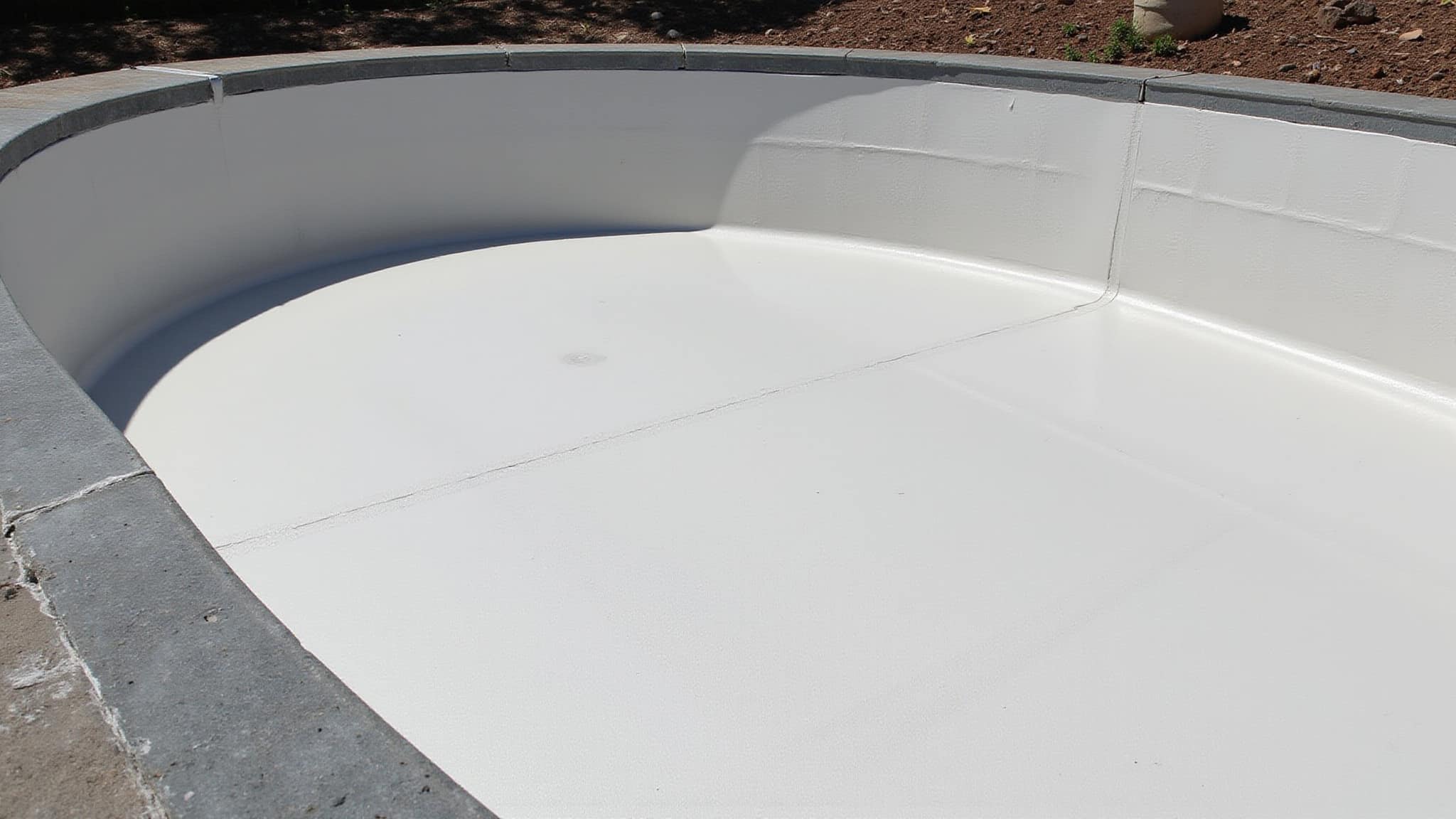
Plastering a pool typically takes 4 to 7 days for a straightforward job, from drain to ready-to-swim, though the actual plaster application on a typical residential pool runs about 4 hours or more. Cold weather slows the troweling process, pushing application to 6 hours or more. Don’t rush it. Faster-than-normal work often signals reduced quality and invites later plaster problems. How long plaster lasts in a pool can be influenced by various factors, including water chemistry and climate conditions. It’s essential to maintain proper pH levels and avoid harsh chemicals that could compromise the plaster integrity.
Your total timeline depends on weather, pool size, and job complexity. Larger renovation scopes can stretch to 2 to 4 weeks or more. Prep alone, draining, relieving hydrostatic pressure, cleaning, and scrubbing, eats into your schedule before plaster ever touches the surface.
After application wraps, filling begins soon after the plaster sets, kicking off the 28-day curing period that ultimately determines your finish’s durability and appearance.
What are the phases from prep to fill
The phases from prep to fill are prep, application, and initial fill. Each phase carries its own timeline and risks, so you’ll want to understand what drives the clock.
| Phase | Typical Duration | Key Concern |
|---|---|---|
| Prep | 1 to 3 days | Draining, relieving hydrostatic pressure, cleaning |
| Application | 4 to 6+ hours | Rushed work signals reduced quality |
| Initial Fill | 12 to 48 hours | Delay risks shrinkage cracks |
During prep, you drain, relieve hydrostatic pressure, clean, and scrub the surface. Application follows, running about four hours on a typical residential pool, longer in cold weather. Once plaster sets, you start filling within 24 to 48 hours to avoid drying cracks. You’ll hold off on startup chemicals until fill’s complete.
How long does draining and surface prep take
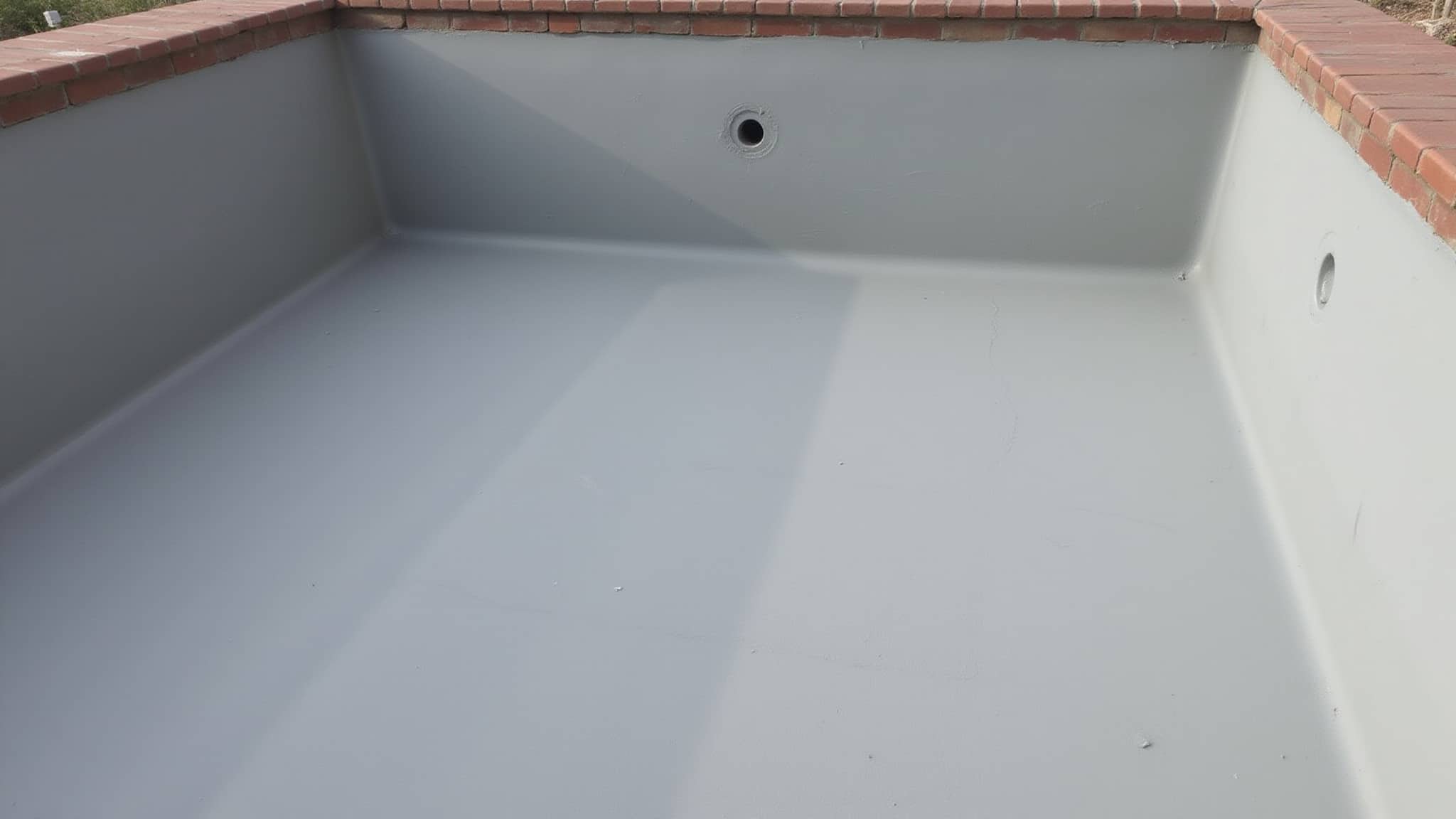
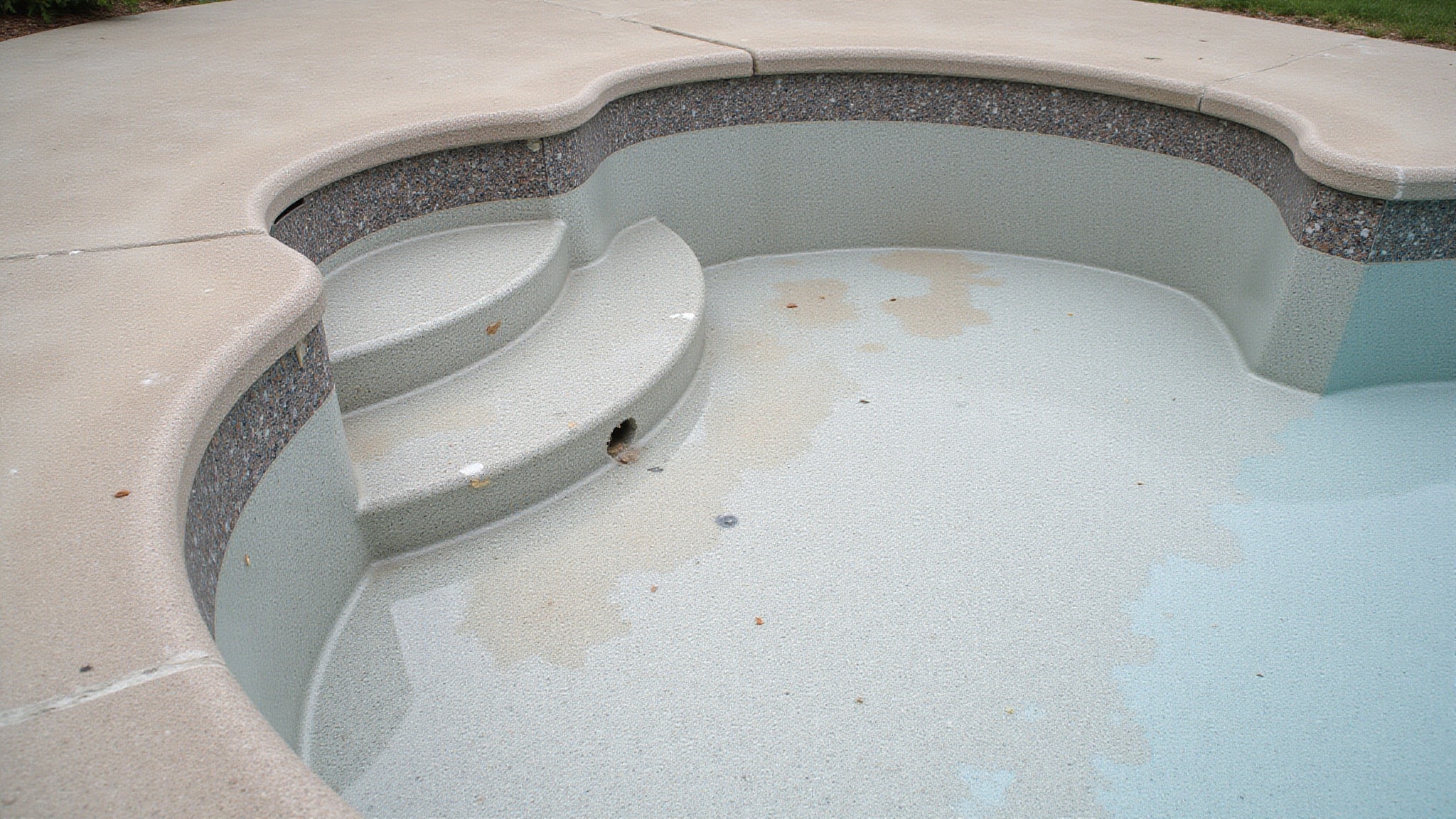
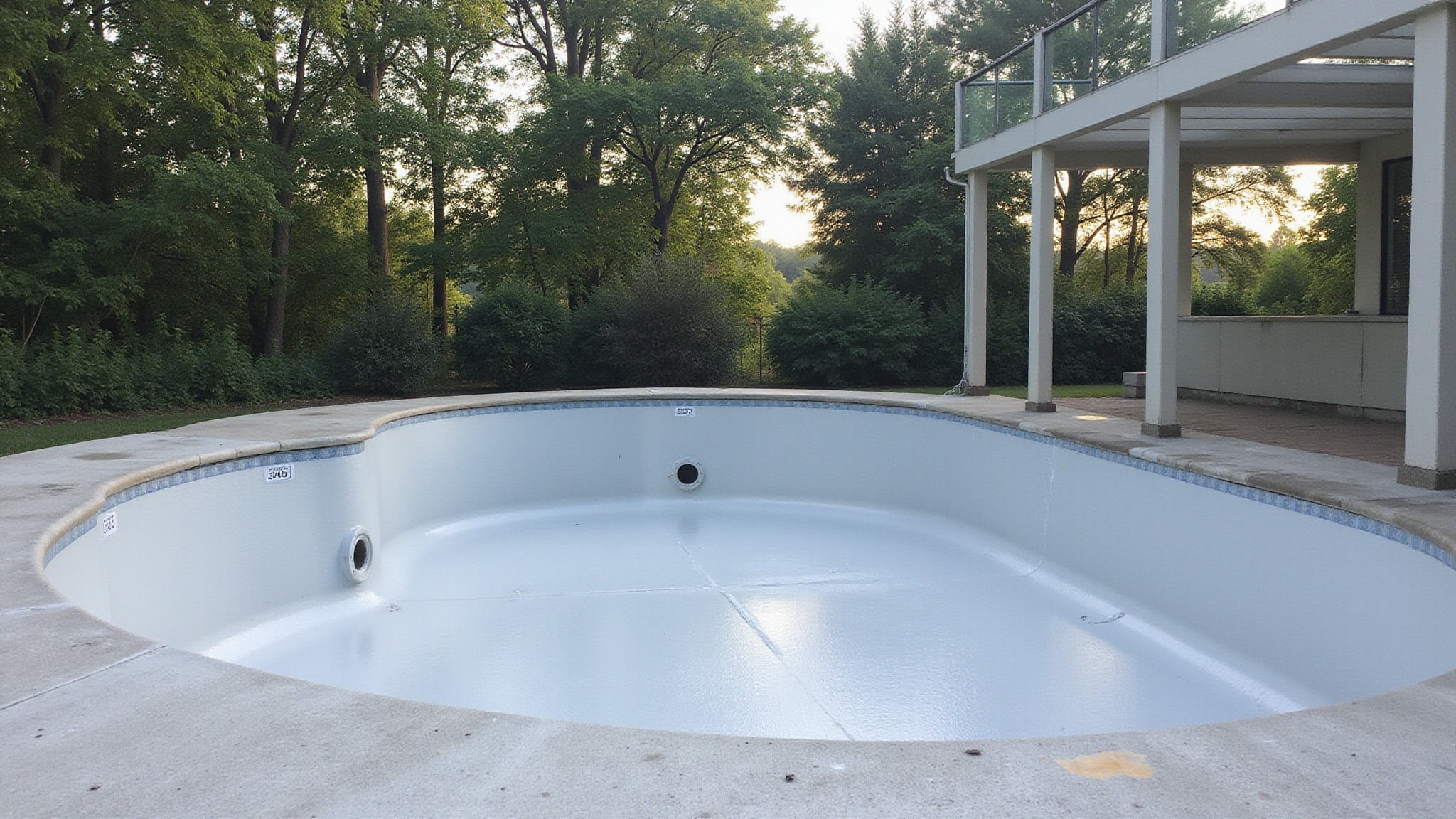
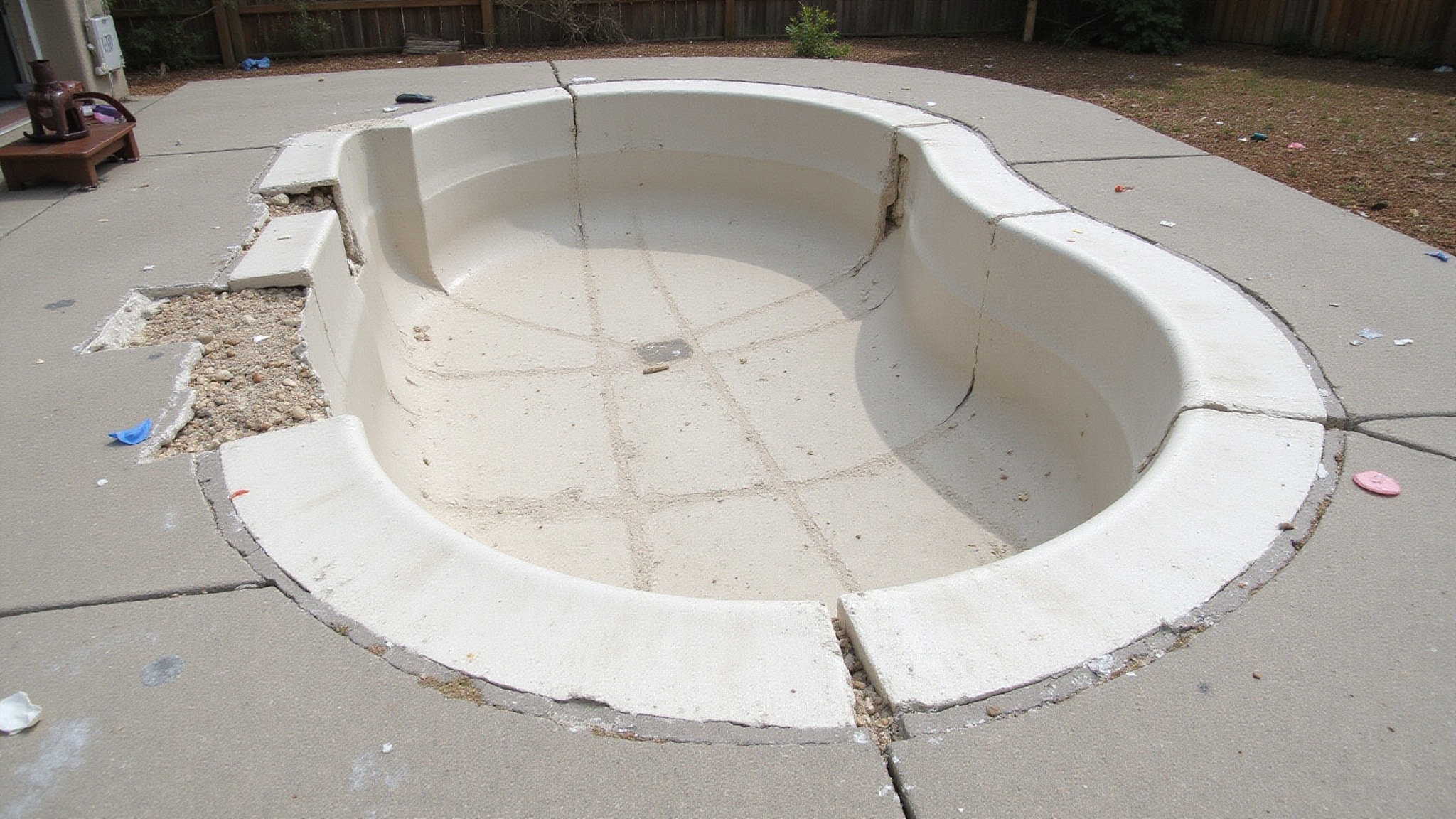
Draining and surface prep typically takes 1 to 2 days as part of a resurfacing job. Before any plaster goes on, you’ve got to drain the pool, relieve hydrostatic pressure, clean, and scrub the surface. Each step matters, and skipping any of them shows up later as poor adhesion or premature failure. Once the surface is prepared, you can follow the steps to replaster a pool effectively. Ensuring a clean and properly prepped area will enhance the longevity of the plaster.
Prep is part of the full resurfacing timeline, so it directly affects your total project length. Weather, pool size, and job complexity are the big variables. A straightforward resurfacing job commonly runs 4 to 7 days from drain to ready-to-swim. If you’re dealing with a larger renovation scope, expect the whole project to stretch to 2 to 4 weeks or more.
How long does applying the coat take
Applying the coat takes about four hours or more on a typical residential pool once the crew starts troweling. That window covers mixing, applying, and finishing the coat to a smooth, uniform surface.
Don’t rush it. Faster-than-normal application often signals reduced quality and can trigger plaster problems down the line, so a crew moving too quickly should raise a red flag.
Cold weather works against you. Lower temperatures slow the material and stretch the job to six hours or more, since the plaster sets and finishes differently when it’s chilly.
Keep in mind, this hands-on application is just one piece. The full plastering process, including prep and initial curing, commonly runs three to seven days.
How long does refilling and curing take
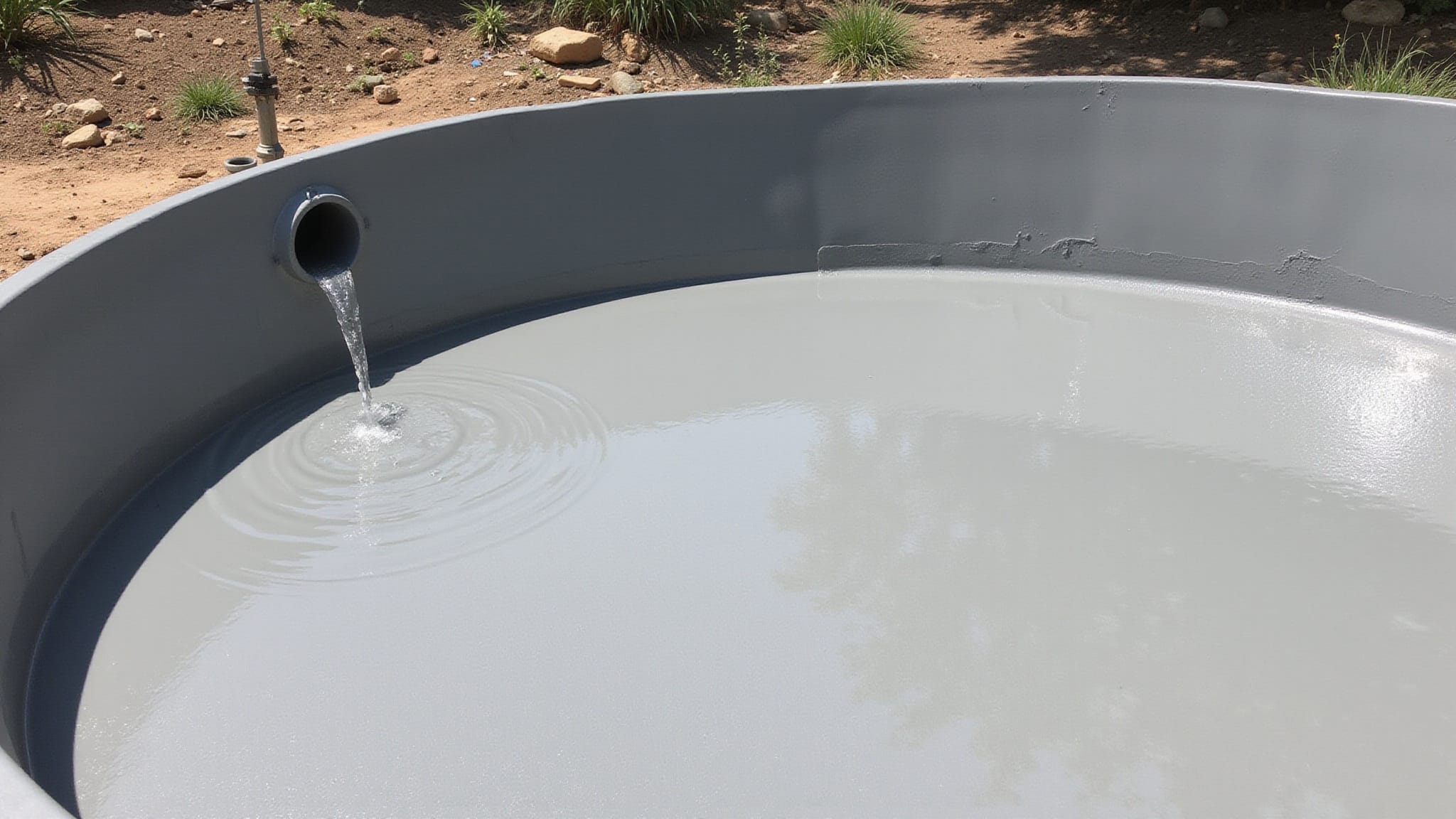
Refilling takes 12 to 24 hours, and curing takes 28 days for the main period. Begin the fill within 24 hours, or at most 48 hours, of plastering, since delays past that window raise your risk of shrinkage cracks. The average pool takes 12 to 24 hours to fill completely. Once it’s full, curing begins in earnest. The first 28 days form the main curing period, with about 86% of the cement curing during that stretch. Run filtration continuously for at least 72 hours, hold off on chlorine for 48 hours, and skip salt for the full 28 days. Brush the surfaces at least twice daily, 2 to 3 times daily for 14 days on quartz, pebble, or white finishes, to clear plaster dust. Wait roughly 7 days before swimming.
What factors can lengthen the schedule
Several variables can stretch your timeline well beyond the typical 4-to-7-day window, including weather, pool size, job complexity, prep-phase surprises, fill delays, installer scheduling, and chemistry balancing. Weather sits at the top of the list: cold temperatures slow plaster application, pushing a normal 4-hour job to 6 hours or more, and they extend curing. Pool size matters too. Larger surfaces demand more prep, more plaster, and longer fill times. Job complexity is another driver. If you’re tackling a full renovation rather than a straightforward resurface, expect 2 to 4 weeks or more.
Prep-phase surprises add days as well. Draining, relieving hydrostatic pressure, cleaning, and scrubbing all take time, and unexpected surface conditions can compound that. Fill delays beyond 24 hours risk shrinkage cracks, forcing rework. Finally, installer scheduling and chemistry balancing before safe swimming can each push your ready-to-swim date later.
How do you plan around the timeline
Plan around the realistic 4-to-7-day window for a straightforward resurface, then pad it for the unexpected. Larger renovation scopes can stretch to 2 to 4 weeks, so book accordingly. Schedule your drain, prep, and plaster application knowing application alone runs about 4 hours, or 6 or more in cold weather. Plan to start filling within 24 hours of plaster setting, and reserve 12 to 24 hours to complete the fill. Block off the first 72 hours for continuous filtration and twice-daily brushing. Hold off on swimming until roughly 7 days after fill, and treat the full 28-day startup as your real finish line, not the fill date.
Conclusion: Curing New Plaster
Fresh plaster needs a careful first month, and most of the timeline is about giving it room to cure rather than rushing back into the water. Brush it daily, hold off on salt and heat, and let the chemistry settle before anyone swims. Handle those early weeks well and the finish rewards you with years of smooth, durable service.
Call Today and Refresh Your Pool the Right Way
From gelcoat repairs to full replastering, the right team makes your pool look brand new again. At Pool Doctor of the Palm Beaches in Jupiter, FL, our skilled team delivers dependable Pool Renovation & Remodeling built around lasting quality and stunning results. Call +1 (561) 586-2815 today and schedule your consultation.
Frequently Asked Questions
When Can I Add Salt to a Newly Plastered Pool?
Wait about 28 to 30 days after filling before adding salt. New plaster needs that full curing window, and salt introduced too early can interfere with the surface as it hardens. Once the plaster has cured and the water is balanced, you can add salt and start up the generator.
How Often Should I Brush New Plaster During Curing?
Brush the entire surface at least twice a day for the first two weeks, then daily through the rest of the first month. Brushing knocks off the fine plaster dust that forms as the surface cures and keeps it from settling into blotches. It is the single most important thing you can do for a smooth, even finish.
When Is It Safe to Swim After Replastering?
Most pools are ready for swimming within a week to ten days, once the water is filled and the chemistry has been balanced and holds steady. The surface keeps curing underneath for about a month, so swimming is fine before curing finishes as long as the water is properly balanced.
When Can I Start Using My Pool Heater?
Hold off on the heater for roughly the first two to four weeks. Heating the water speeds and unevens the curing process, which can stress fresh plaster. Let the surface set at normal water temperature first, then bring the heater online once the plaster has had time to cure.
When Should Chlorine First Be Added After Filling?
Chlorine usually goes in a couple of days after filling, once the pH and alkalinity have been adjusted and the initial plaster dust is under control. Adding it too soon, before the water is balanced, can work against the curing surface. Follow your plaster company’s start-up schedule for the exact timing.