
Cool deck coating is a surface treatment you apply to concrete pool decks and walkways to keep them comfortable underfoot in hot weather. You’ll choose from acrylic, cement-based, or polymer-modified systems, each using reflective pigments and textured finishes to bounce sunlight and reduce heat absorption. In strong sun, you can expect temperature reductions of roughly 30–50°F. Your material choice affects cost, durability, and maintenance needs. Below, you’ll discover how each option performs.
Key Takeaways
- Cool deck coating is a surface treatment for concrete pool decks that keeps walkways comfortable underfoot during hot weather.
- Reflective pigments and light-colored finishes bounce sunlight away, absorbing less heat than gray concrete or dark stone.
- Textured surfaces improve traction near wet areas while reducing direct skin contact with heated surfaces.
- Real-world temperature reductions are roughly 30–50°F in strong sun, depending on color, material, and conditions.
- Available types include acrylic, cement-based, and polymer-modified systems, balancing cost, durability, and decorative textured finishes.
What is cool deck coating for pool decks
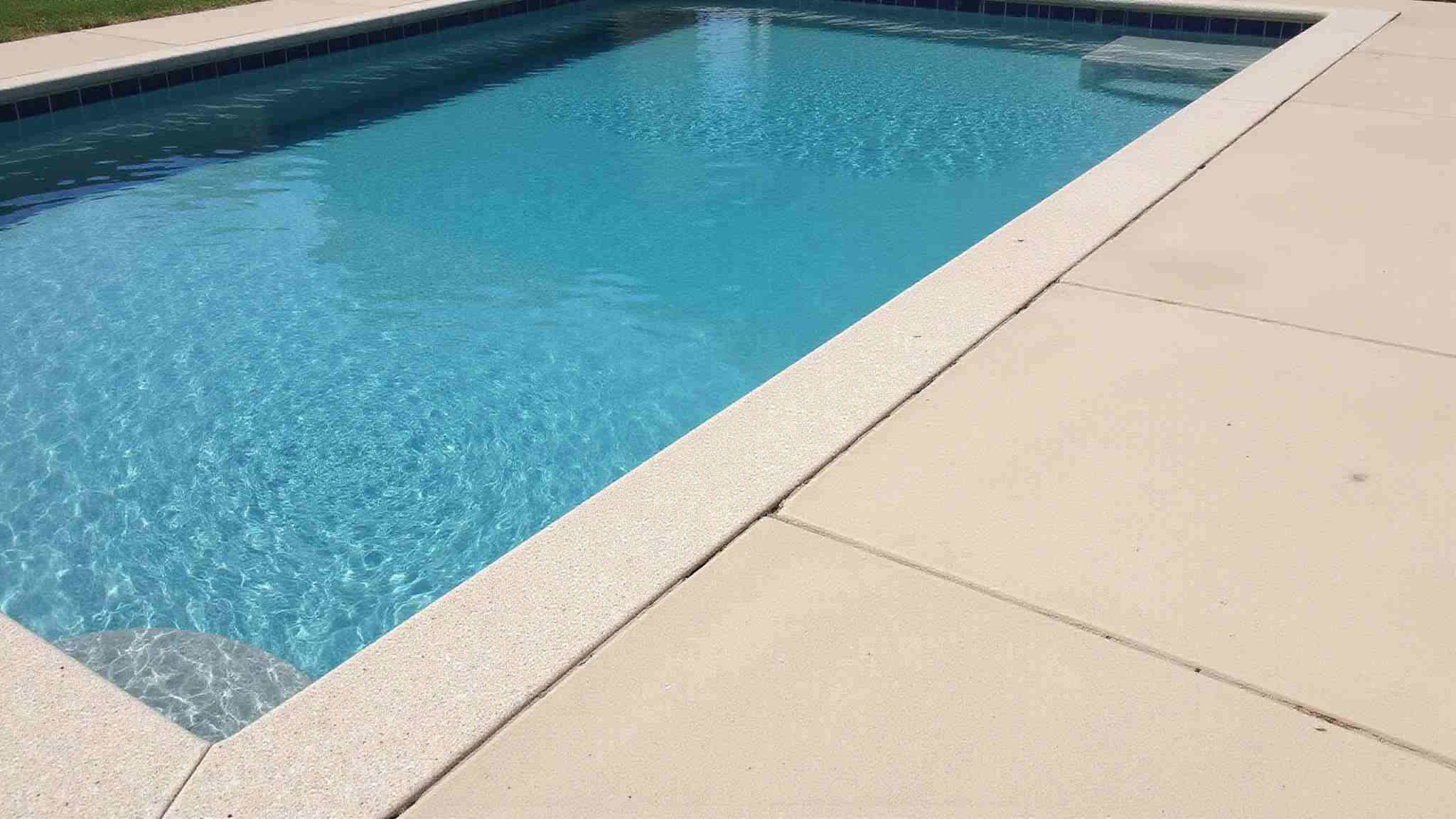
Cool deck coating is a surface treatment engineered for concrete decks and walkways that keeps a pool deck comfortable underfoot on a scorching afternoon. You’ll find it made from acrylic, cement-based, or polymer-modified materials, applied directly to existing concrete or through resurfacing over older deck systems. An acrylic coating absorbs less heat than gray concrete or dark stone, making it a popular choice for lowering surface temperatures. Once applied, it creates a textured finish that improves traction and comfort around wet areas. Manufacturers often pair the coating with a sealer to protect the finished surface from staining and wear. Resurfacing also lets you cover cracks, scratches, and worn concrete, delivering a more uniform, functional cool deck that performs reliably.
How does cool deck coating keep pool decks cooler
Cool deck coating keeps pool decks cooler by relying on several mechanisms working together to lower surface temperatures. First, reflective pigments drive heat reflection, bouncing sunlight away instead of letting your concrete absorb it. Light-colored finishes reinforce this effect, retaining far less thermal energy than gray concrete or dark stone. Second, the textured surface reduces direct skin contact, so you feel less heat underfoot while gaining slip resistance around wet pool edges. Third, specialized formulations combine solar-reflective and thermal-emitting properties to release absorbed heat quickly. Together, these mechanisms can drop surface temperatures by roughly 30–50°F in strong sun, depending on color, material, and exposure. Keep in mind that shade, deck orientation, and product formulation directly influence your real-world results.
What types of cool deck coatings are available
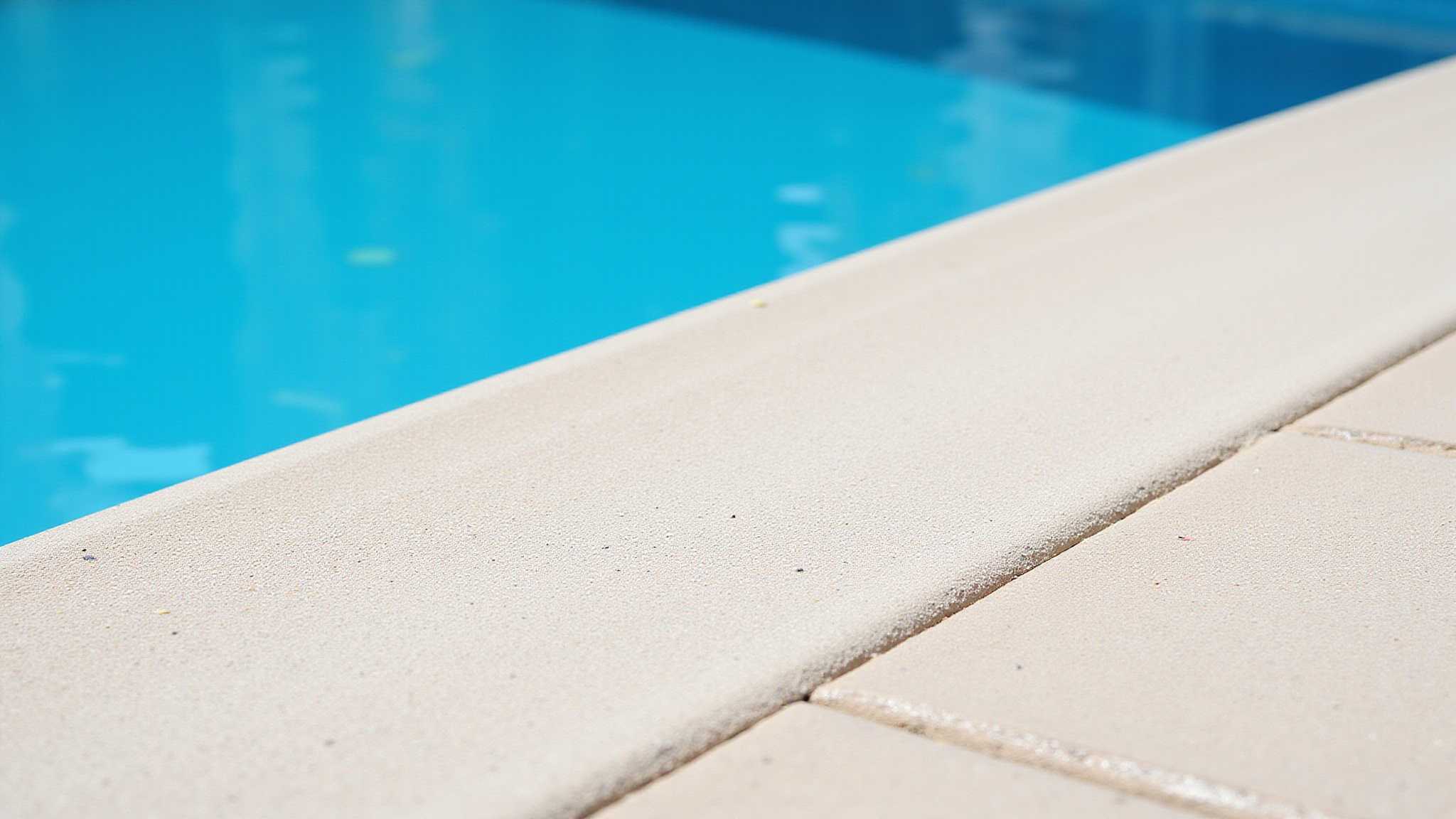
Cool deck coatings come in several types, including acrylic-based coatings, cement-based systems, and formulations with solar-reflective or thermal-emitting technology. You’ll find acrylic-based coatings among the most widely used, since they absorb less heat than gray concrete or dark stone and accept light, reflective topcoat colors. Cement-based systems give you decorative textured applications when you want a more substantial resurfaced finish. Some formulations incorporate solar-reflective pigments or thermal-emitting technology to maximize temperature reduction. If you’re working over an existing surface, look for products engineered for compatibility with Kool Deck-style systems, so you can resurface without full removal. Remember that lighter topcoat shades outperform darker ones for heat reduction, so factor color into your material selection.
How do cool deck coating options compare on cost and durability
Cool deck coating options compare on cost and durability primarily through material choice, which drives both upfront investment and long-term performance. Acrylic-based coatings offer affordability and solid reflectivity but may require recoating sooner under heavy sun and foot traffic. Cement-based systems cost more yet deliver durable, decorative textured finishes. Polymer-modified formulations balance the two, resisting wear while maintaining traction.
| Factor | Consideration |
|---|---|
| Acrylic | Lower cost, periodic recoating |
| Cement-based | Higher cost, strong durability |
| Polymer-modified | Mid-range cost, balanced wear resistance |
| Sealer | Extends lifespan, protects surface |
| Recoating | Depends on UV, traffic, water |
Factor in surface prep, orientation, and sealing frequency, since these directly affect real-world durability and total ownership cost over time.
How do you apply and maintain a cool deck coating
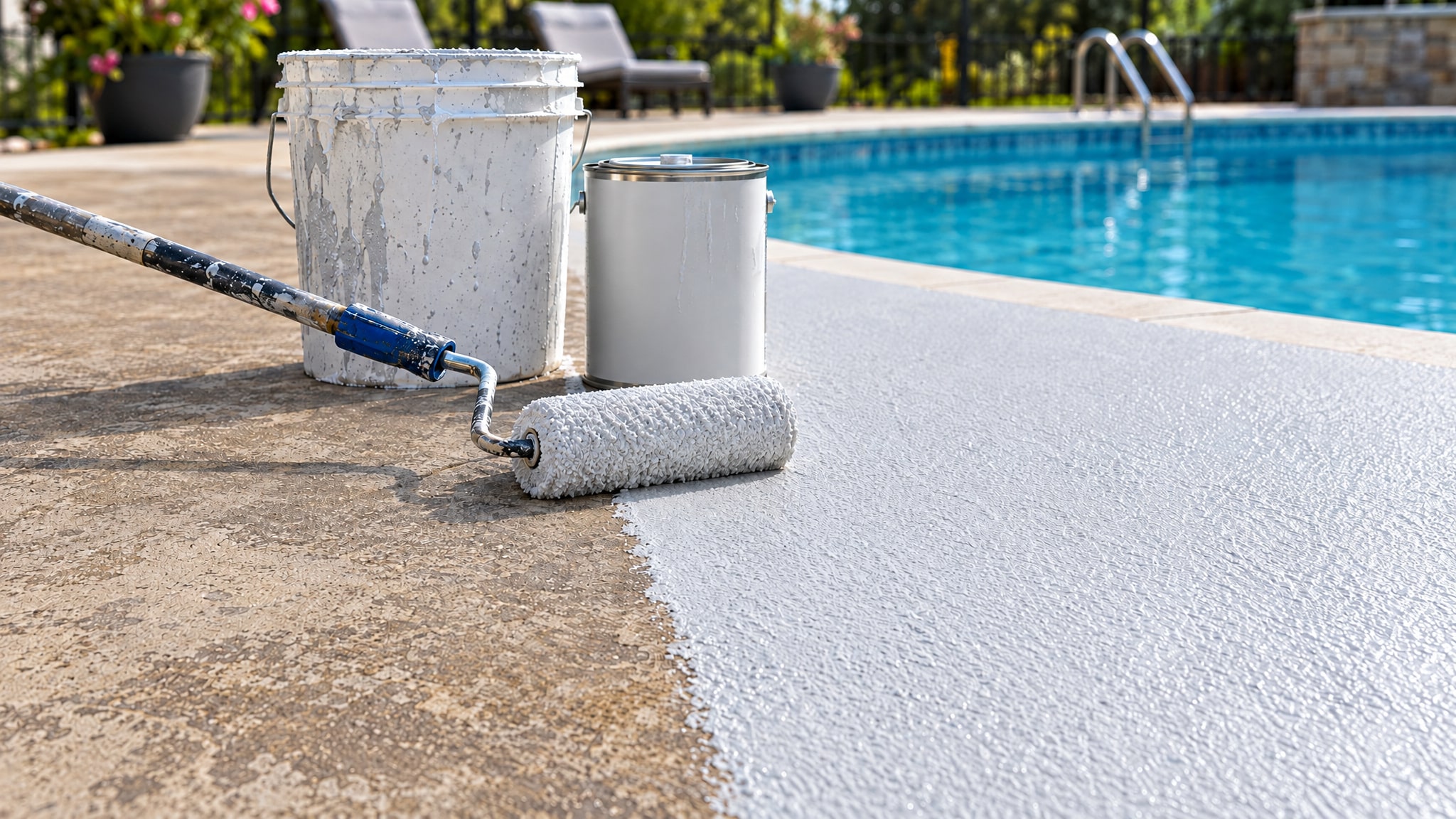
Apply a cool deck coating by first cleaning and etching the concrete, removing dirt, oils, and loose debris so the coating bonds correctly. Apply a base coat, then a second color coat, using a roller, brush, hopper, or spray equipment depending on the product’s texture requirements. Expect coverage around 150–200 square feet per kit or bag. Some systems dry in about 30 minutes, letting you recoat quickly. Finish with a clear sealer to protect against staining, fading, and wear.
For maintenance, reseal regularly to preserve appearance and performance. Recoat over time as sun exposure, foot traffic, and water use degrade the surface. Monitor texture and shade, since both affect real-world cooling results.
How do you choose the right cool deck coating for your pool
Choose the right cool deck coating by starting with the material type, since acrylic, cement-based, and polymer-modified systems each perform differently. Acrylic-based coatings absorb less heat than gray concrete or dark stone, making them a strong choice for reflective performance. Prioritize solar-reflective or thermal-emitting formulations, and lean toward lighter topcoat colors, which outperform darker shades for heat reduction. Confirm compatibility with your existing deck, especially Kool Deck-style surfaces, to avoid adhesion or resurfacing issues. Evaluate the texture for slip resistance around wet pool areas, and verify UV-resistant properties to protect against sun damage and fading. Review published temperature-reduction claims as product-specific, since color, material, and exposure affect results. Finally, factor in coverage rates and sealing requirements to match your deck’s size and maintenance expectations.
Conclusion
Cool deck coating earns its place on a pool deck for one reason: it takes a surface that’s painful underfoot in peak sun and makes it walkable, dropping temperatures sharply while adding grip right where the deck stays wet. The material you pick, acrylic, cement-based, or polymer-modified, sets the trade-off between cost, durability, and how often you’ll recoat, and lighter colors always win on heat. Prep and sealing matter as much as the product itself. Match the finish to your deck’s sun exposure and traffic, and you get a surface that’s cooler, safer, and built to hold up.
Getting a Cooler Deck Done Right
The coating only performs if the concrete under it is properly cleaned, etched, and sealed, which is where most DIY jobs fall short and start peeling. Pool Doctor of the Palm Beaches handles pool deck resurfacing with cool, slip-resistant finishes matched to your deck’s sun and traffic, for homes around West Palm Beach. Call (561) 586-2815 to price your deck, or contact us to get started.
Frequently Asked Questions
Can Cool Deck Coating Be Applied Over Existing Pool Tile?
Cool deck coating isn’t designed for application over existing pool tile. You’ll get the best results applying it to concrete decks and walkways, since these systems bond to properly prepared, etched concrete surfaces. Tile’s smooth, non-porous finish won’t provide the adhesion these acrylic or cement-based coatings need. If you’re resurfacing, you should apply it over existing concrete or compatible Kool Deck-style surfaces, not glazed tile. Always confirm compatibility with your product’s specifications.
Is Cool Deck Coating Safe for Pets and Children?
You’ll find cool deck coating safe for pets and children when properly applied and cured. Its slip-resistant texture improves traction for running kids and paws around wet pool areas, reducing fall risks. The cooler surface protects bare feet and sensitive paw pads from hot-foot burns. Once the sealer’s fully cured, you won’t expose anyone to wet chemicals. You should verify each product’s specifications, since formulations vary and cure times differ.
How Long Does Cool Deck Coating Last Before It Needs Recoating?
How long a cool deck coating lasts comes down to the material and how hard the sun and foot traffic work it. Acrylic finishes tend to need recoating soonest, cement-based and polymer-modified systems hold up longer, and a maintained sealer stretches any of them. Constant sun, heavy use, and splash-out all shorten the interval, so a busy poolside deck wears faster than a shaded walkway. Watch for fading color and lost texture underfoot, since those are the signs it’s time to reseal or recoat before the surface starts to break down.
Can I Apply Cool Deck Coating Myself or Hire a Professional?
You can apply cool deck coating yourself, since many products use rollers, brushes, hoppers, or spray equipment and dry quickly, often in about 30 minutes. However, surface preparation is critical, including cleaning and etching when required. If you’re resurfacing cracks, managing multi-coat systems, or working with a base coat, color coat, and clear sealer, you’ll get more consistent results by hiring a professional who’s experienced with these formulations.
Will Cool Deck Coating Increase My Home’s Resale Value?
Cool deck coating can boost your home’s resale value by enhancing your pool area’s appearance and functionality. You’ll present buyers with a cooler, slip-resistant surface that resists staining, fading, and wear. Resurfacing covers cracks and worn concrete, delivering a uniform, well-maintained deck that signals quality upkeep. While exact returns vary by market and installation quality, a professionally coated deck improves curb appeal and creates a strong first impression during showings.