
Once you’ve corrected the root problem and kept circulation running, most pools clear within 24 to 72 hours. Mild haze typically resolves in 24 to 48 hours, while heavier cloudiness takes 3 to 5 days. You’ll usually see initial improvement within 6 to 12 hours after balancing chemistry. Your clearing time depends on severity, filter condition, and water balance. Clarifiers and flocculants can speed things up considerably. Understanding what’s suspending those particles is the key to fixing it fast.
Key Takeaways
- Mild haze typically clears within 24 to 48 hours, while heavier cloudiness usually takes 3 to 5 days with balanced chemistry and continuous filtration.
- Most pools return to clarity within 24 to 72 hours after the root cause is corrected and circulation is maintained.
- Initial improvement is usually visible within 6 to 12 hours after correcting the water’s chemistry.
- Clearing time varies by method: flocculant plus vacuum takes 1 to 2 days, while clarifier plus filtration takes 2 to 3 days.
- Continuous filtration is essential, since it is the only mechanism that physically removes suspended particles from the water.
How long does it take for cloudiness to go away in a pool
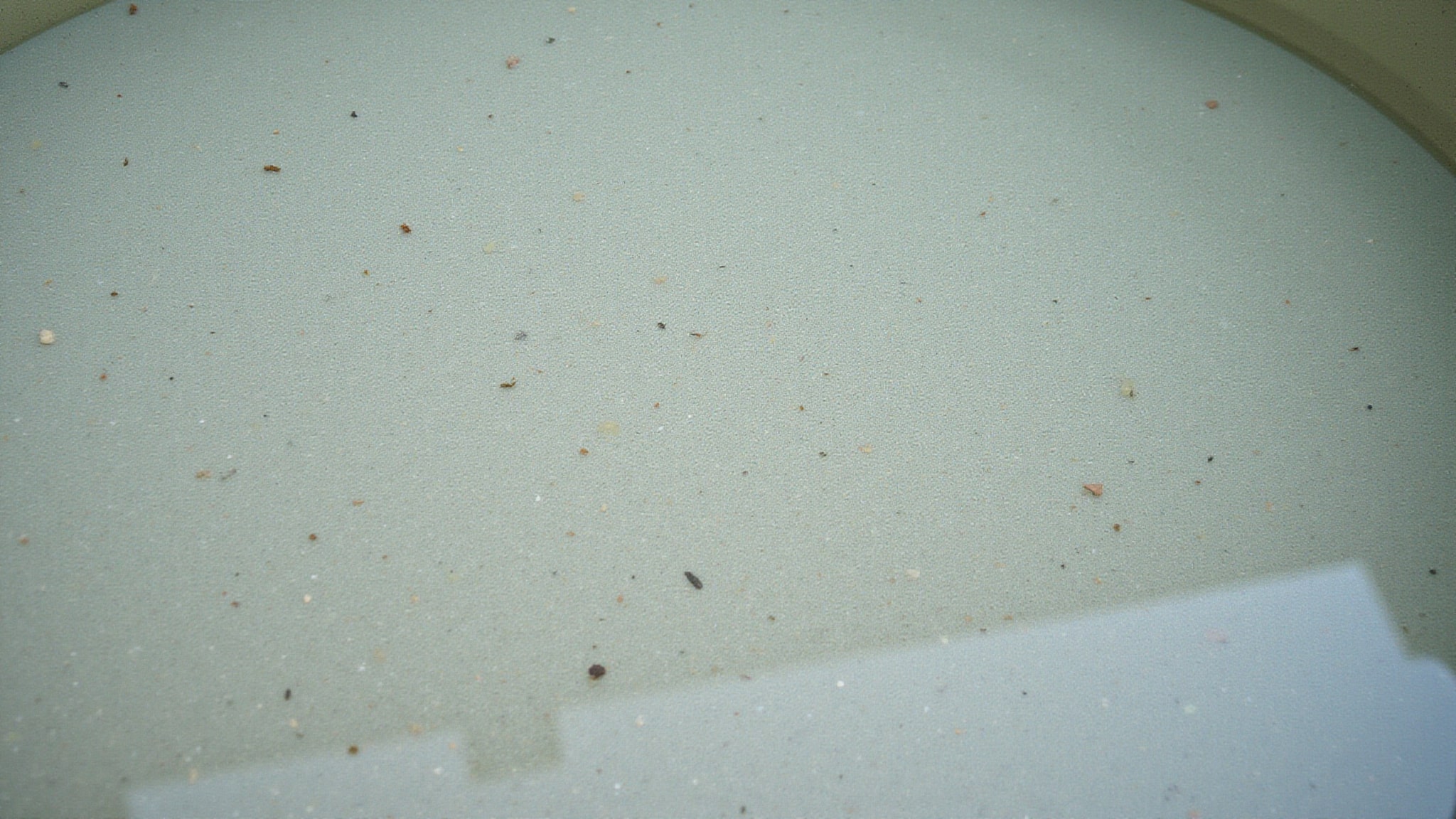
Most pools return to clarity within 24 to 72 hours once you’ve corrected the root problem and maintained circulation. How long it takes for cloudiness to clear depends primarily on the underlying cause. Mild haze typically resolves in 24 to 48 hours with balanced chemistry and continuous filtration, while heavier cloudiness commonly requires 3 to 5 days. Severity, filter condition, and water balance directly control your timeline. If you’re running weak or clogged filtration, expect delays beyond the standard range. Adding a clarifier coagulates fine particles so your filter captures them more effectively, though it typically needs 2 to 3 days with strong circulation. Keep your pump running continuously, maintain proper pH, chlorine, alkalinity, and calcium hardness, and you’ll accelerate clearing. Expect initial improvement within 6 to 12 hours after correcting chemistry.
What causes the cloudiness in the first place
Cloudiness comes from three chemistry-driven culprits. First, low chlorine lets microscopic contaminants and early algae multiply faster than sanitizer can oxidize them. Second, water balance problems, elevated pH, high alkalinity, or excessive calcium hardness, cause scaling and precipitation that suspend fine particles you can’t easily vacuum away. Third, filtration failures let debris circulate rather than trapping it, keeping the water milky. Can too much chlorine make a pool cloudy? It’s essential to find the right balance, as excessive chlorine can lead to irritation and other chemical imbalances.
You’ll also see cloudiness after shocking, when oxidized organics haven’t yet filtered out. Fine particulates too small for your filter media stay suspended, requiring a clarifier or flocculant to coagulate them. Pinpoint the cause, chemistry, circulation, or filtration, before treating, or you’ll waste time correcting the wrong variable entirely.
How long does clearing take by method and cause
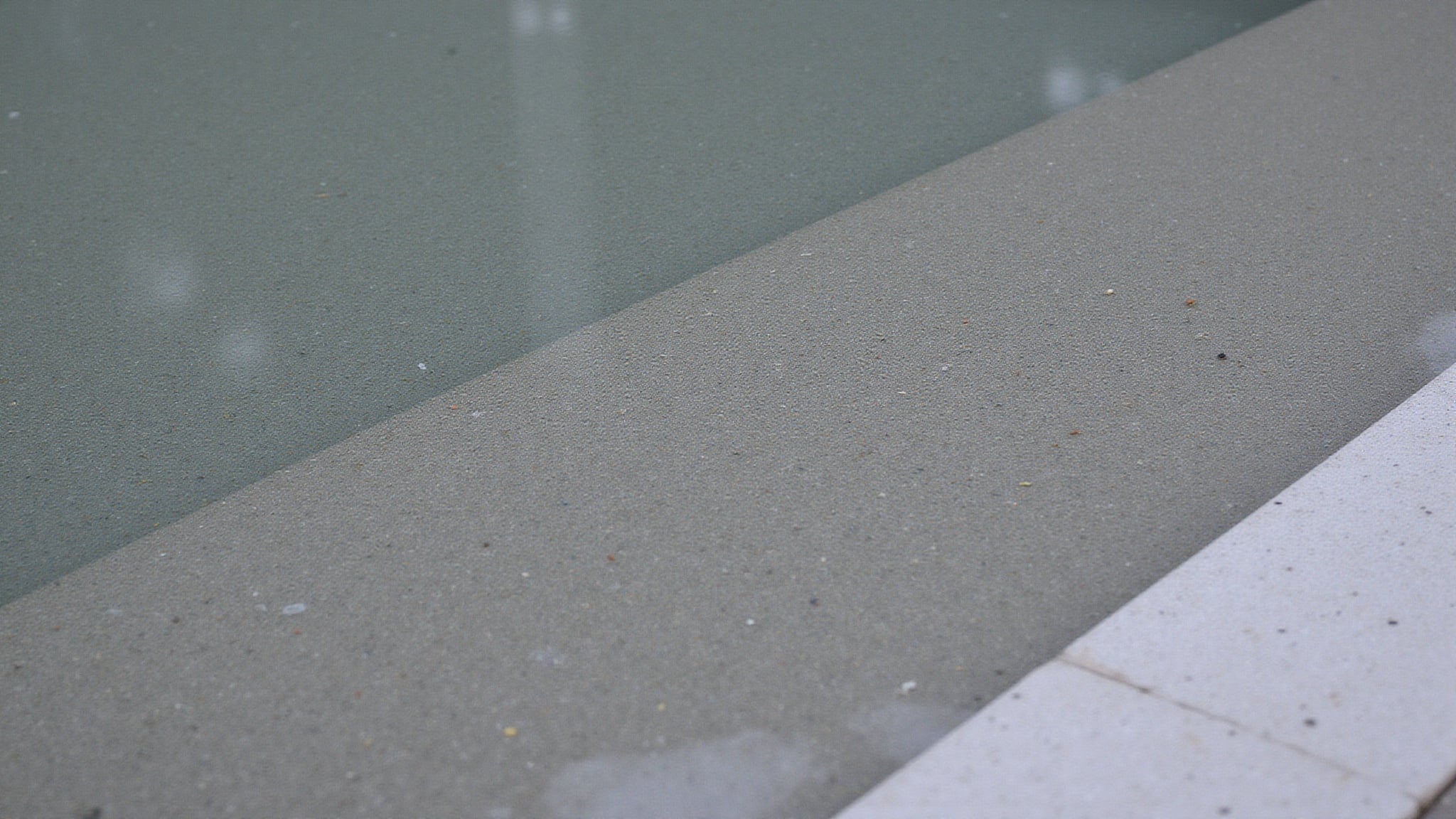
Clearing takes 24 to 72 hours by most methods, with 2 to 3 days being the most common real-world outcome. Your specific timeline depends on both the method you deploy and the underlying driver.
| Method or Cause | Expected Clearing Time |
|---|---|
| Flocculant + vacuum | 1 to 2 days (overnight settling) |
| Clarifier + filtration | 2 to 3 days |
| Shock + filtration (moderate) | 24 to 48 hours |
| Minor chemical imbalance | 6 hours, 1 day |
| Severe algae or heavy debris | 3 to 7 days |
Correcting low chlorine or rebalancing pH, alkalinity, and calcium hardness often shows improvement within 6 to 12 hours. Filtration-driven cloudiness resolves in 12 to 24 hours after you backwash or replace media. Weak circulation extends every timeline substantially.
How does running the filter speed up the process
Running the filter speeds up the process because your filter is the only mechanism that physically removes suspended particles from the water, so running it continuously drives the clearing process. When cloudiness comes from precipitated calcium, dead algae, or coagulated organics, those particles stay suspended until circulation pushes them through your filter media. Continuous filtration cycles the entire water volume repeatedly, capturing progressively smaller particles with each pass. Run the pump 24 hours during active clearing, or at minimum 8 to 12 hours daily, to keep particulate loads moving toward the filter rather than settling or re-suspending.
Clean media matters just as much. A clogged or channeling filter reduces flow rate and trap efficiency, so backwash or replace media before treatment. With balanced chemistry and clean filtration combined, you’ll often see clarity return within 24 to 48 hours.
How do clarifiers and flocculants shorten the wait
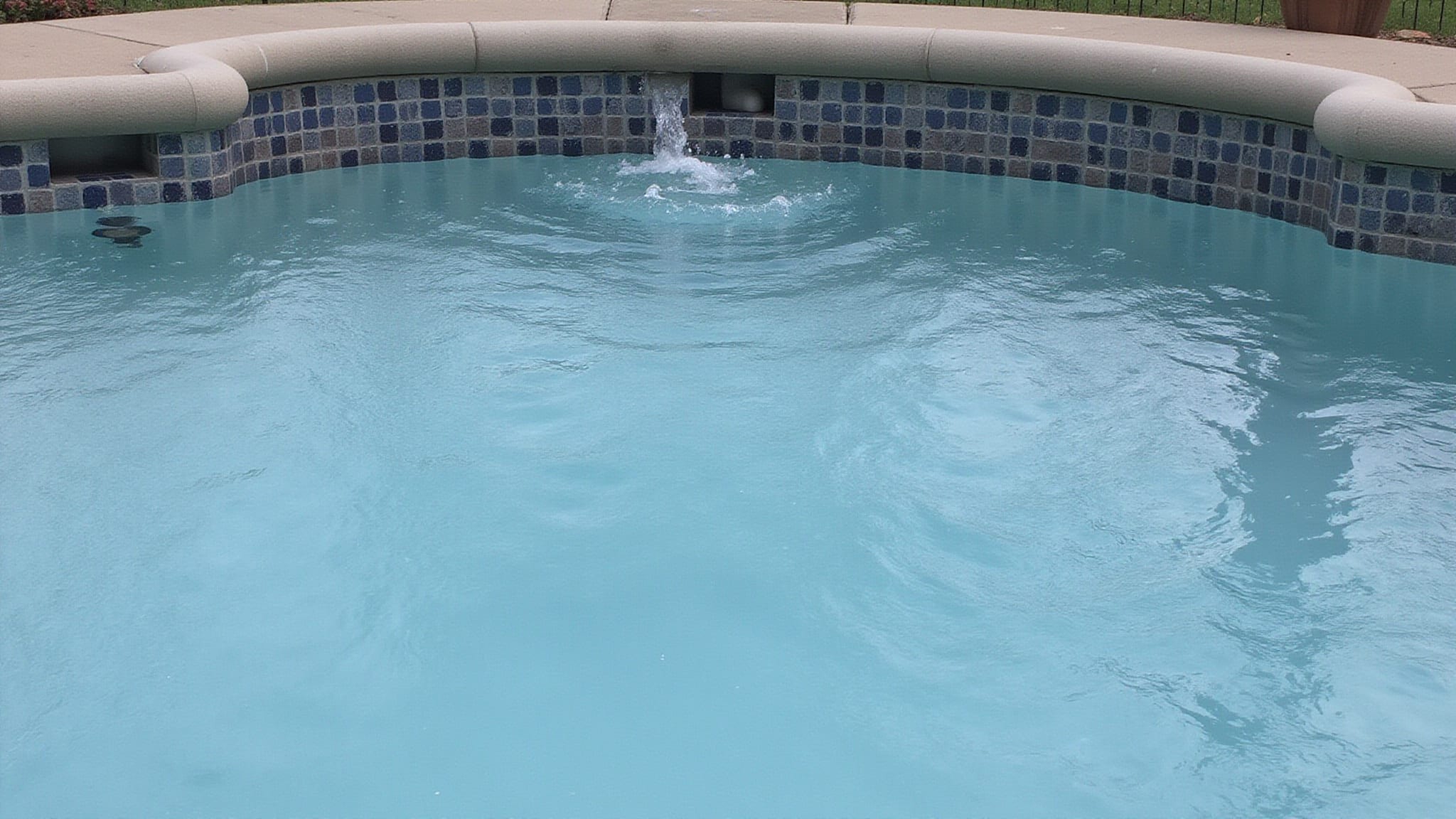
Clarifiers and flocculants shorten the wait by targeting the suspended particles that keep your water hazy, though they work through different mechanisms. Clarifiers use coagulation, binding microscopic particles into larger clumps your filter can trap. Expect clear water in 2 to 3 days with continuous filtration, since the filter still does the removal work.
Flocculants act faster and more aggressively. They bind particles into heavy masses that sink to the pool floor, often overnight. After dosing, you’ll wait 8 to 12 hours for settling, then vacuum the sediment to waste, bypassing your filter to avoid recirculating debris. This method can clear water in 1 to 2 days.
Choose flocculant when you need speed, but you’ll do more manual work. Clarifier’s slower, yet it’s less labor-intensive.
How do you prevent cloudiness from returning
Prevent recurring cloudiness with consistent water chemistry paired with clean, well-circulated filtration. Keep free chlorine at 1 to 3 ppm, pH between 7.2 and 7.6, alkalinity at 80 to 120 ppm, and calcium hardness at 200 to 400 ppm. Test at least twice weekly, since drifting values let particles and organic loads accumulate before you notice haze. Run your pump 8 to 12 hours daily to maintain turnover, and backwash or clean filter media whenever pressure rises 8 to 10 psi above baseline. Shock after heavy bathing, rainfall, or high temperatures to oxidize contaminants before they cloud the water. Brush walls and vacuum regularly to remove settling debris. When you hold chemistry steady, maintain circulation, and service filtration proactively, you eliminate the conditions that let cloudiness return.
Conclusion: Waiting Out Cloudy Water
Cloudy water almost always clears once the cause is fixed and the filter gets time to do its job. Balance the chemistry, run the pump longer, and give it a day or two before deciding something is wrong. Draining is a last resort, not a first move. Why pool water gets cloudy can often be traced back to factors like inadequate filtration or an imbalance in chemical levels. Addressing these issues promptly can restore clarity to the water, allowing for a more enjoyable swimming experience.
Call Today and Get Expert Saltwater Care
From free chlorine balance to routine cell maintenance, saltwater pools thrive with the right team behind them. At Pool Doctor of the Palm Beaches in Delray Beach, FL, our skilled team delivers dependable Concierge Pool Maintenance built around effortless pool ownership. Call +1 (561) 586-2815 today and let us handle the work.
Frequently Asked Questions
Is It Safe to Swim in a Cloudy Pool?
It is best to stay out until the water clears. Cloudiness usually means the chemistry is off or the filter is behind, and poor visibility is also a safety issue since you cannot see the bottom or a swimmer in trouble. Fix the balance, let it clear, then get back in.
Can Rain or Heavy Usage Make a Pool Cloudy?
Both can. Rain washes in dirt, pollen, and phosphates while diluting your chlorine, and a crowded pool adds sweat, sunscreen, and body oils faster than the sanitizer can keep up. In either case, test the water afterward, shock if the chlorine dropped, and run the filter longer than usual.
Does Pool Size Affect How Quickly Cloudiness Clears?
Somewhat. A larger pool holds more water for the filter to turn over, so it can take longer if the pump and filter are on the small side. What matters more is running the system long enough to cycle the entire volume, which for most pools means eight hours or more a day while it clears.
Should I Drain My Pool if It Stays Cloudy?
Rarely. Draining only makes sense when the water is so old or so overloaded with dissolved solids that chemistry no longer responds, and even then a partial drain and refill usually does the trick. Try balancing, shocking, and filtering first, since a full drain is expensive and can risk the pool shell.
Can Cloudy Water Damage My Pool Equipment or Surfaces?
Left alone for weeks it can. The same particles making the water cloudy settle onto surfaces and clog the filter, and if the cloudiness comes from high pH or calcium, scale can build up on the walls and inside the equipment. Clearing it promptly keeps that from becoming a lasting problem.