

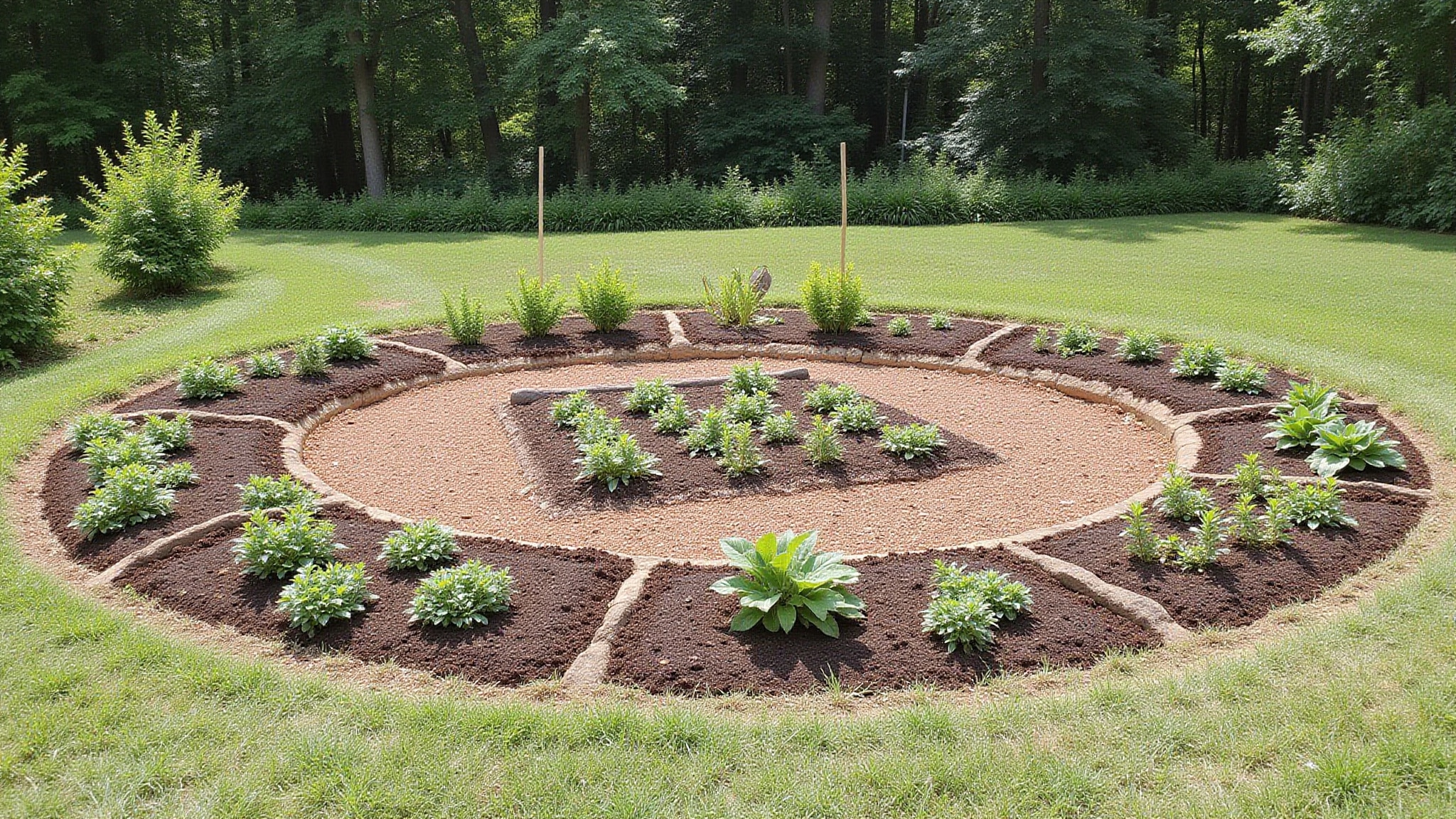
That empty circle where your pool once stood is prime real estate. You can pave it into a patio, ring it with gravel, and add a brick walkway in. Or lean into the round shape for a pollinator garden layered with bee-friendly blooms and low ground cover. Prefer play? Drop in a trampoline or playset, then mulch underneath. First, drain, dismantle, and level the ground. The right fit depends on a few key factors. When to replace a fiberglass pool can be a tough decision for many homeowners. Consider the age, wear, and any signs of damage to the surface.
Key Takeaways
- Transform the level circular footprint into a paved patio or detached deck to reclaim usable outdoor living space.
- Create a pollinator or vegetable garden, using the round outline for intentional beds, pathways, and layered plantings.
- Install a playset or trampoline that fits the footprint, then level, tamp, and spread mulch for safer coverage.
- Fully drain and dismantle the pool, remove decking and base sand, then loosen and level the ground.
- Ring the perimeter with gravel or pavers for drainage and crisp edges, softening hard lines with border plantings.
What can you do with an old above ground pool area
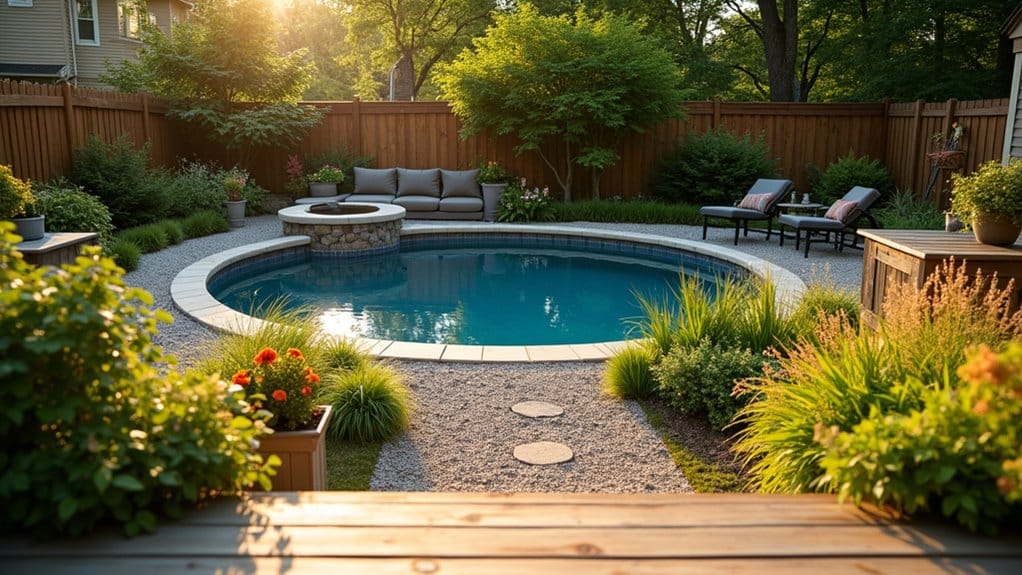
An old above-ground pool area can become a pollinator garden, a paved patio, a detached deck, or fresh landscaped yard space. Take a good look at the space, its size, shape, and how it connects to the rest of your yard. That circular footprint lends itself beautifully to a pollinator garden, where layered pollinator-friendly plants soften the old outline and draw bees and butterflies. If you’d rather reclaim the area for outdoor living, a paved patio or detached deck turns the footprint into usable space for hosting. Thoughtful landscaping ties everything together: perimeter borders of pavers or rocks define the edges, while fresh sod or fast-growing ground cover blends the handoff. Consider how you’ll move through the space, then design around it intentionally.
How do you remove the pool and clear the space
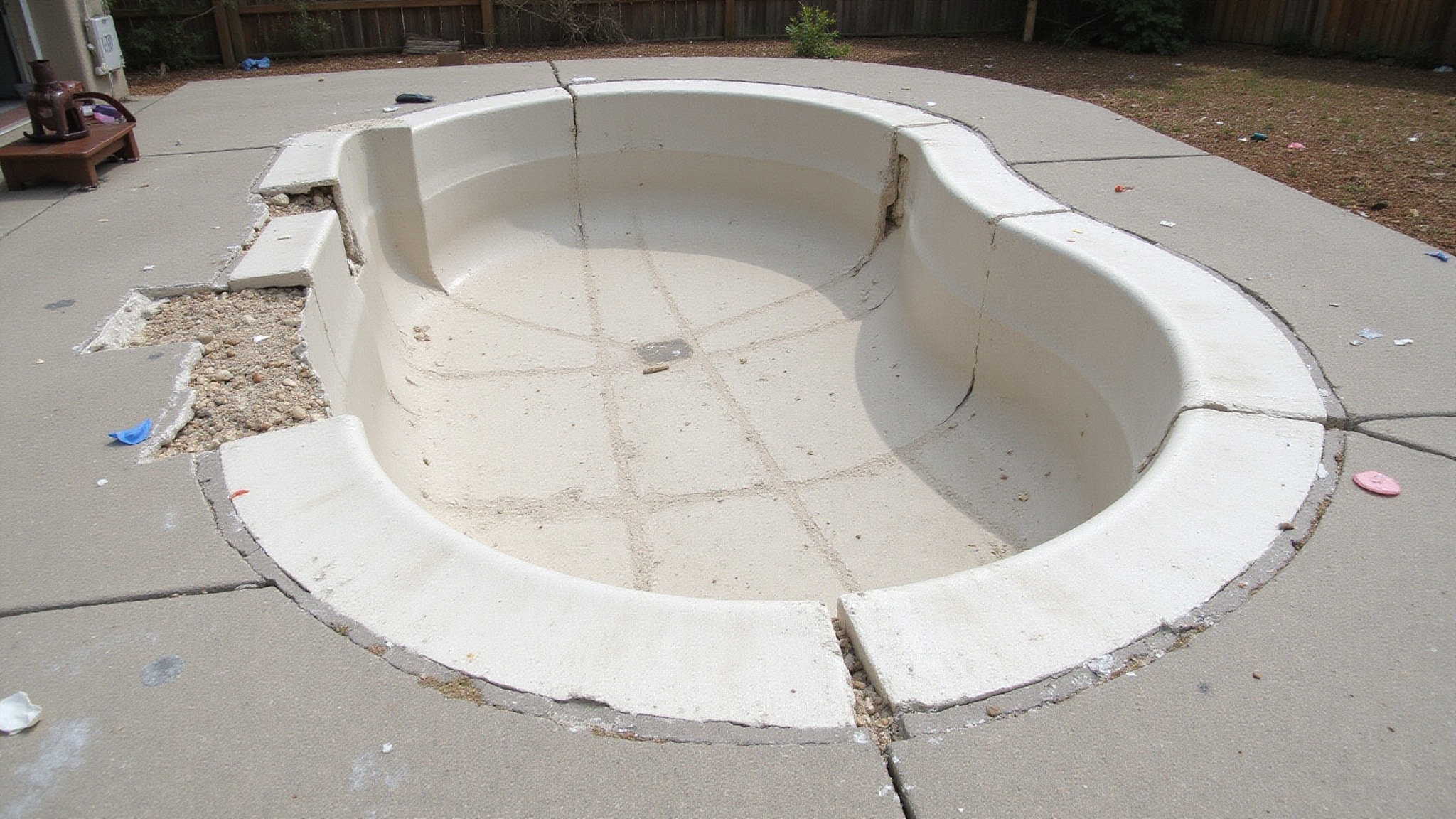
To remove the pool and clear the space, drain the pool fully, then dismantle the frame, liner, and any surrounding decking so the ground underneath is exposed. Pull out old base sand and haul away debris, leaving a clean, open outdoor space to work with. Once the area is prepped, you can begin to learn how to replaster a pool diy. Make sure to gather all necessary materials, including plaster mix and application tools.
Next, tackle the soil. Remove dead grass, break up compacted layers, and level the ground so it’s ready for whatever comes next. If you’re planning a garden, loosen the earth deeply. If you’re leaning toward hardscape, spread a gravel base and tamp it firm for drainage and stability.
The circle sits smooth and defined, giving you a blank canvas shaped perfectly for your next design.
How can you turn the spot into a patio or deck
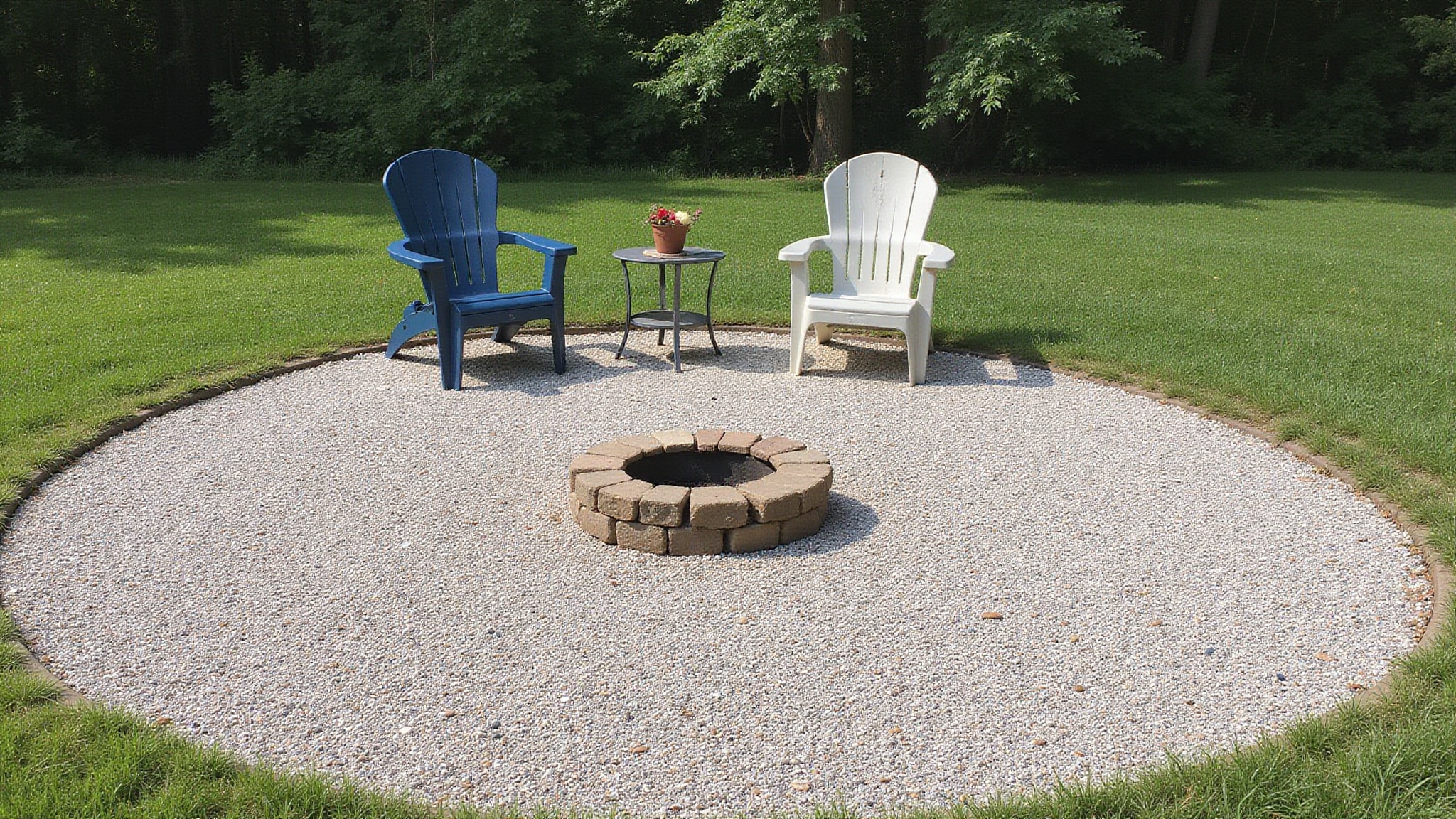
You can turn the spot into a patio by transforming your clean, level circle into a paved patio that reclaims the footprint for outdoor living. Lay bricks or pavers directly in the former pool area for a simple, clean finish. Level and tamp the base material so the surface holds firm and drains well before you set anything. Ring the perimeter with gravel to move water away from the hardscape and keep the edges crisp. A brick walkway leading in reduces wet grass tracking and creates a smoother shift into the space. Then soften those hard lines with layered planting around the border, pollinator-friendly plants and low ground cover blur the old outline. The result reads as a deliberate, detached patio that makes your whole backyard feel more usable.
How can you build a garden or landscaped feature there
Turn that circular footprint into a vegetable garden or butterfly garden that feels intentional rather than left over. The round outline already gives you a natural shape to work with, so lean into it instead of fighting it, letting a circular layout guide how you arrange your beds and pathways. Define the edge with a perimeter border of pavers or rocks so the space reads as a deliberate design element.
Remove the dead grass and loosen the compacted ground underneath, then work in ground cover for a solid base. Fill the interior with pollinator-friendly plants that feed bees and butterflies while adding color and movement. Layer heights around the perimeter, keeping taller plants back so the circle stays open and inviting.
How do the top ideas compare on cost and effort
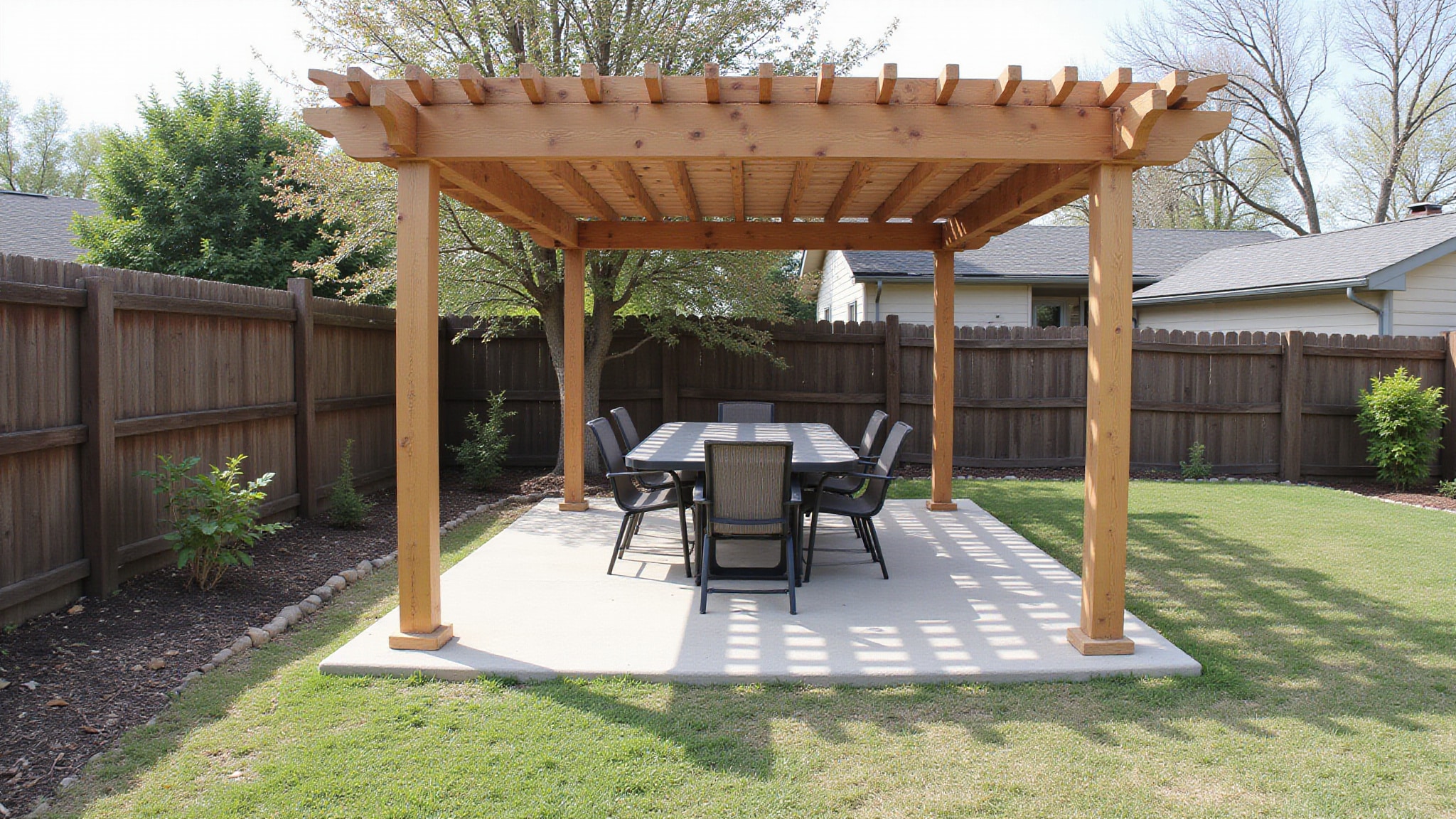
The top ideas vary widely on cost and effort, from low-cost plantings that need patience to high-cost features that demand hardscaping muscle and materials upfront. Some ideas lean on plants and patience, while others demand heavy install labor. Where you fall depends on how quickly you want the space filled and how deliberate the finished layout should feel.
| Idea | Cost & Effort |
|---|---|
| Fresh sod or ground cover | Low cost, moderate prep, fast blending |
| Pollinator or vegetable garden | Low-to-mid cost, ongoing planting effort |
| Paved patio | Higher cost, heavy install labor |
| Hot tub or water feature | Highest cost, most involved setup |
Lean toward layered plantings when you want beauty for less; save patios and water features for bigger investments.
How can you create a play or sport space
Create a play or sport space by reclaiming that empty circle as a play zone your kids will actually use. Start by matching the equipment to the footprint. A playset slots neatly into the former pool area, using the round shape efficiently in family yards. If your space is smaller than the original pool, a trampoline fits well within the existing outline.
Prep the ground first: level the base, tamp it firm, then spread mulch across the zone. That mulch reduces mud and improves safety underfoot around any equipment.
Think about edges, too. Layered planting or a low border softens the hard circular outline, blending the play space into the surrounding landscape. Fast-growing plants along the perimeter conceal remaining pool edges, so the area reads as a deliberate, integrated part of your yard.
How do you choose the right idea for your yard
Choose the right idea by measuring your footprint, because size drives every decision. A smaller circle suits a trampoline, pond, or hot tub, while a larger space opens room for a paved patio, playground, or vegetable garden. Next, study your yard’s flow. If you want continuity, fresh sod blends the area into the surrounding lawn. If you want a focal point, a water feature or circular pollinator garden turns the old shape into an asset.
Consider your soil and light too. Sunny spots favor butterfly gardens and greenhouses, while shaded corners work better for hardscape or ground cover. Think about maintenance next. Ground cover and gravel borders keep upkeep low, while layered perimeter planting rewards more effort. Match the idea to how you’ll actually use the space.
Conclusion: Reclaiming the Space
An old above-ground pool site is a blank slate once the pool comes down, and the right move depends on how you want to use the yard. From a patio or garden to fresh lawn, the ideas are plenty; the practical steps are permits, safe water disposal, and good ground prep. Handle those and the reclaimed space quickly becomes the best part of the yard. Remodeling an existing pool can transform your outdoor space into a stunning oasis. By incorporating new features such as a waterfall or lounge area, you can create a luxurious environment for relaxation and entertainment.
Call Today and Reimagine Your Backyard Space
An old pool area holds endless possibilities, from a modern inground pool to a full outdoor living transformation. At Pool Doctor of the Palm Beaches in Greenacres, FL, our skilled team delivers dependable New Pool Construction and full-service backyard makeovers. Call +1 (561) 586-2815 today and start planning your dream retreat.
Frequently Asked Questions
Do I Need a Permit to Remove My Above Ground Pool?
Often you do, particularly if the pool was wired for electricity or tied into permanent decking. Requirements vary by city and county, and disconnecting electrical usually triggers an inspection. A quick call to your local building department before you start clears up what your area expects.
How Long Does It Take for New Sod to Establish?
Sod typically roots within two to three weeks and is fully established in about six. Keep it well watered during that first stretch and hold off on heavy foot traffic until it knits into the soil. Good ground prep before laying it, level and free of old pool debris, makes a noticeable difference.
Will Removing the Pool Affect My Property Value or Taxes?
It can go either way. Some buyers see a cleared, usable yard as a plus, while others wanted the pool, so the effect depends on your local market. Taxes may shift too, since a permanent pool can factor into an assessment. Your county assessor can tell you how removal affects your bill.
How Do I Handle Leftover Pool Water Disposal Safely?
Let the chlorine drop to near zero first, then drain slowly so the water does not flood your yard or a neighbor’s. Many areas restrict draining pool water into storm drains, so check local rules. Spreading it gradually across your own landscaping is usually the safest and most accepted approach.
Can I Reuse Old Pool Materials Elsewhere in My Yard?
Plenty of it finds a second life. Decking lumber can become a garden bench or raised beds, the liner works as a pond or tarp, and metal framing can be scrapped or repurposed. Sorting what is reusable before hauling the rest off cuts down on both waste and disposal cost.