

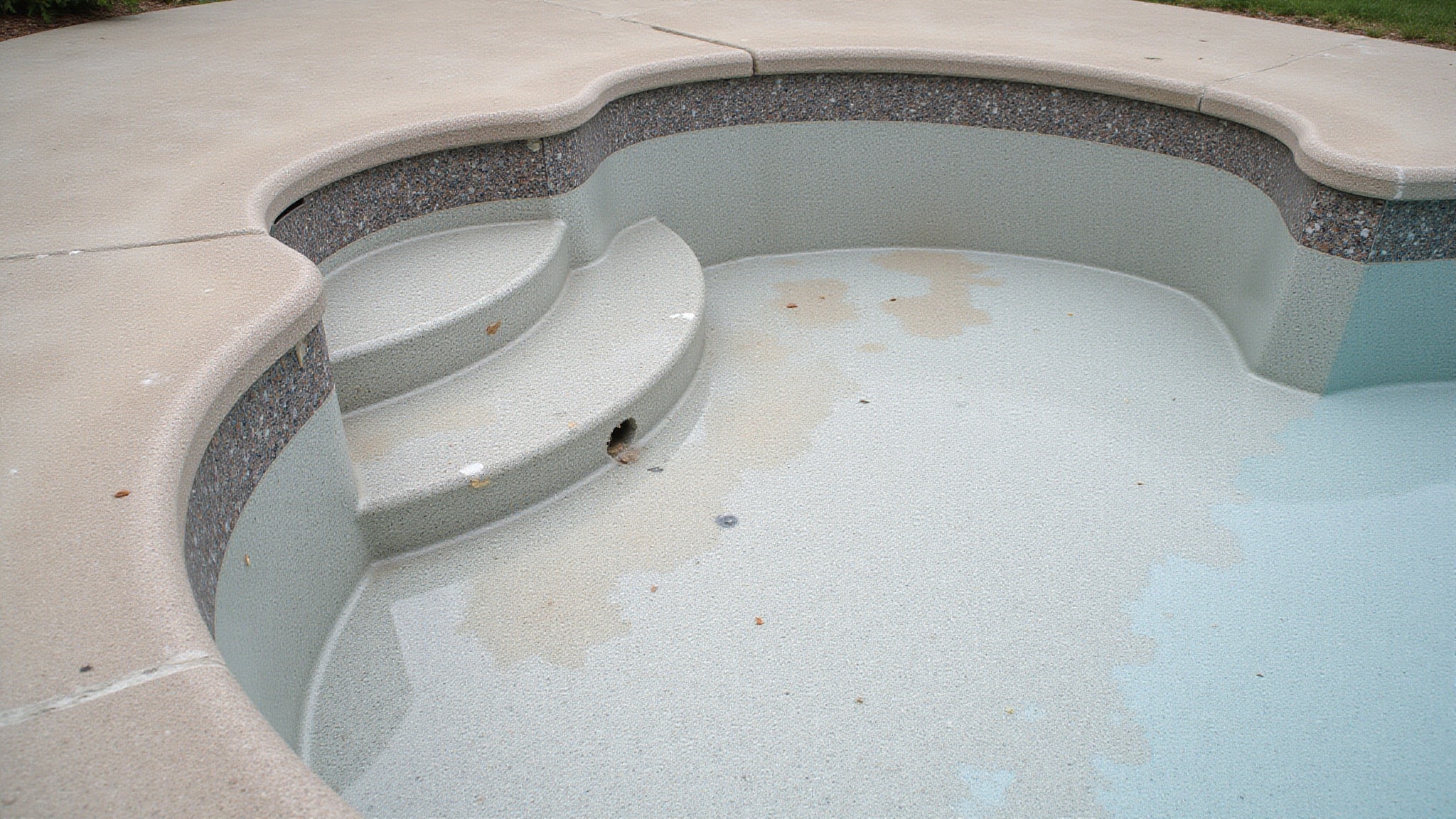
You need waterline tile if your pool has a plaster, pebble, or gunite finish. These surfaces deteriorate at the water’s edge, where sunscreen, oils, pollen, and minerals concentrate. Tile blocks that buildup, protects your finish, and cuts the “bathtub ring” effect. Skip it, and you’ll face stubborn staining, faster wear, and costly refinishing down the line. Fiberglass and vinyl pools usually don’t require it. The facts below sharpen your decision. What height should waterline pool tile be? The height of the tile is essential for both aesthetics and function, typically sitting just above the waterline to create a clean appearance.
Key Takeaways
- Plaster, pebble, and gunite pools benefit from waterline tile, while fiberglass and vinyl pools often don’t require it.
- Waterline tile protects the finish and defines the visible edge along the top 6 to 8 inches of wall.
- Tile blocks buildup from sunscreen, oils, pollen, and minerals, preventing staining, scaling, and the “bathtub ring” effect.
- Skipping tile accelerates deterioration at the waterline and can lead to costly refinishing later.
- Costs vary by material: ceramic/porcelain runs $5, $15 per square foot, while glass runs $20, $60-plus.
Do you need waterline tiles in a pool
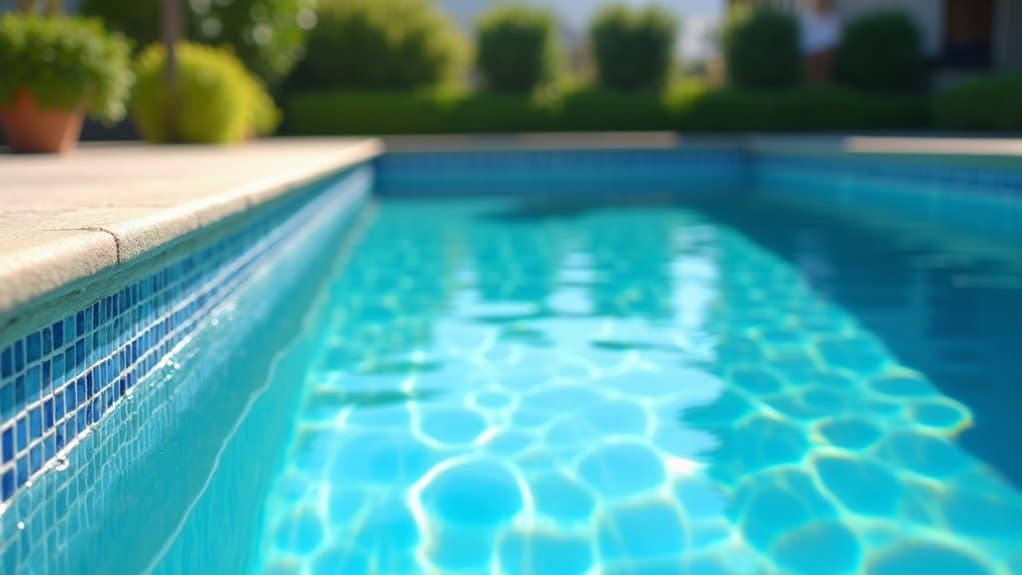
You need waterline tiles in a pool if you have a plaster, pebble, or gunite shell, but you often don’t with fiberglass or vinyl. If you’ve got a plaster, pebble, or gunite pool, you’ll benefit considerably from waterline tile because these finishes deteriorate at the water’s surface, where sunlight, oils, and chemicals concentrate. The tile delivers stain protection, blocking buildup from sunscreen, body oils, pollen, and minerals that collect at the waterline. It also simplifies maintenance, giving you a smooth, scrubbable surface that resists the “bathtub ring” effect better than bare finish.
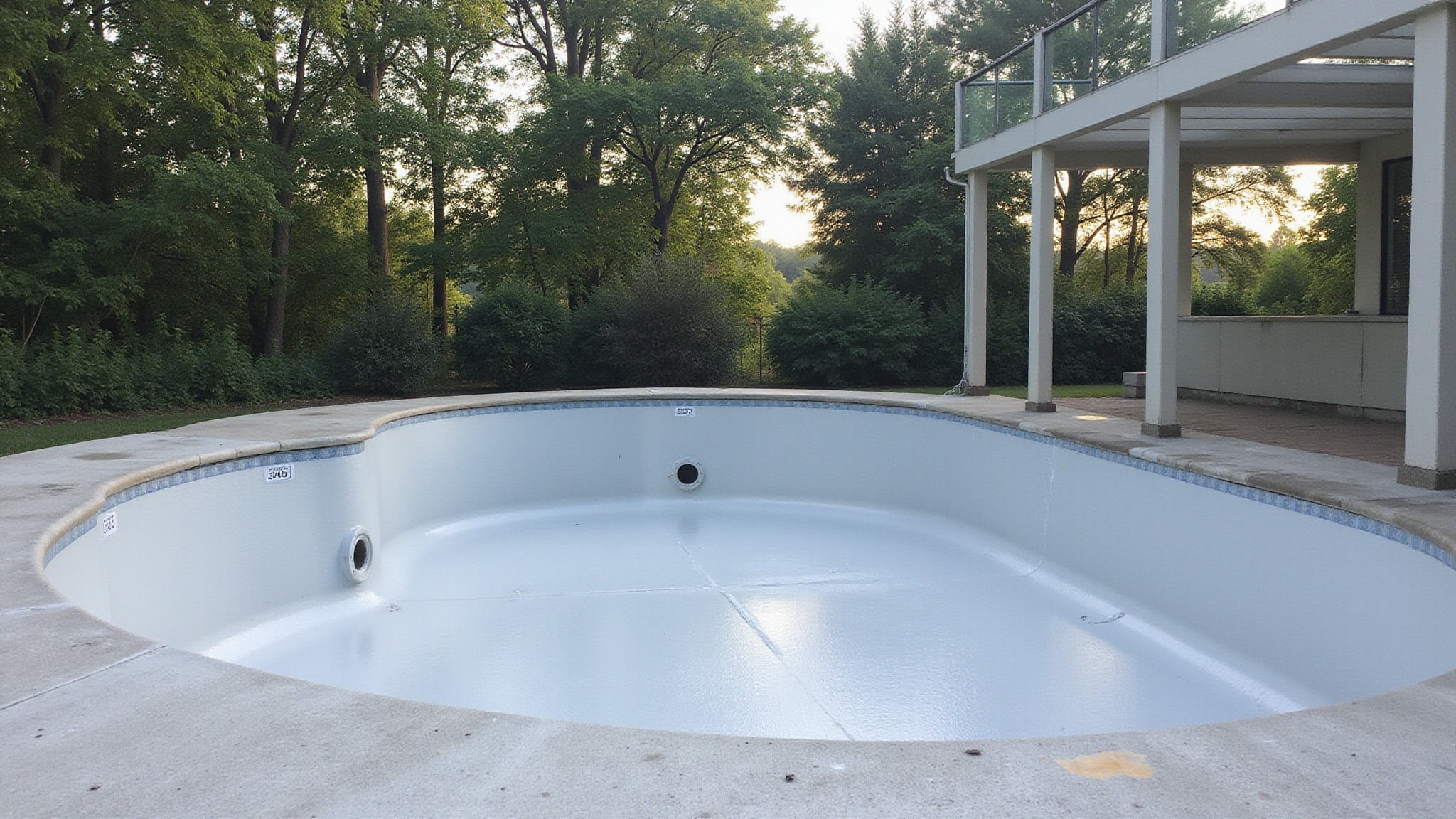
Fiberglass and vinyl pools handle the waterline differently, so you often don’t need tile at all. Keep in mind that waterline tile isn’t a code requirement. It’s a maintenance and appearance upgrade. If you’re budget-conscious and running a fiberglass shell, skipping it’s reasonable.
What purpose do waterline tiles serve
Waterline tiles serve two purposes: they protect the pool finish and define its visible edge. The tile band sits at the splash zone, roughly the top 6 to 8 inches of the wall, where water meets air, sunlight, oils, and chemicals. Here, you’ll face constant exposure to sunscreen, body oils, pollen, calcium, and minerals that collect at the surface. The tile blocks this buildup, protecting your finish from staining, scaling, and deterioration that would otherwise force costly refinishing. Replacing waterline pool tiles can significantly enhance the overall appearance of your pool area. This improvement not only boosts aesthetics but also helps maintain the integrity of the pool by reducing the risk of algae buildup and surface damage.
The tile also creates a smoother surface than plaster or bare shell, so you can scrub away the “bathtub ring” more easily. Aesthetically, it forms the primary decorative *link* between the pool shell and the coping, reading as the pool’s finish from the deck and shaping its overall appearance.
What are the benefits of adding them
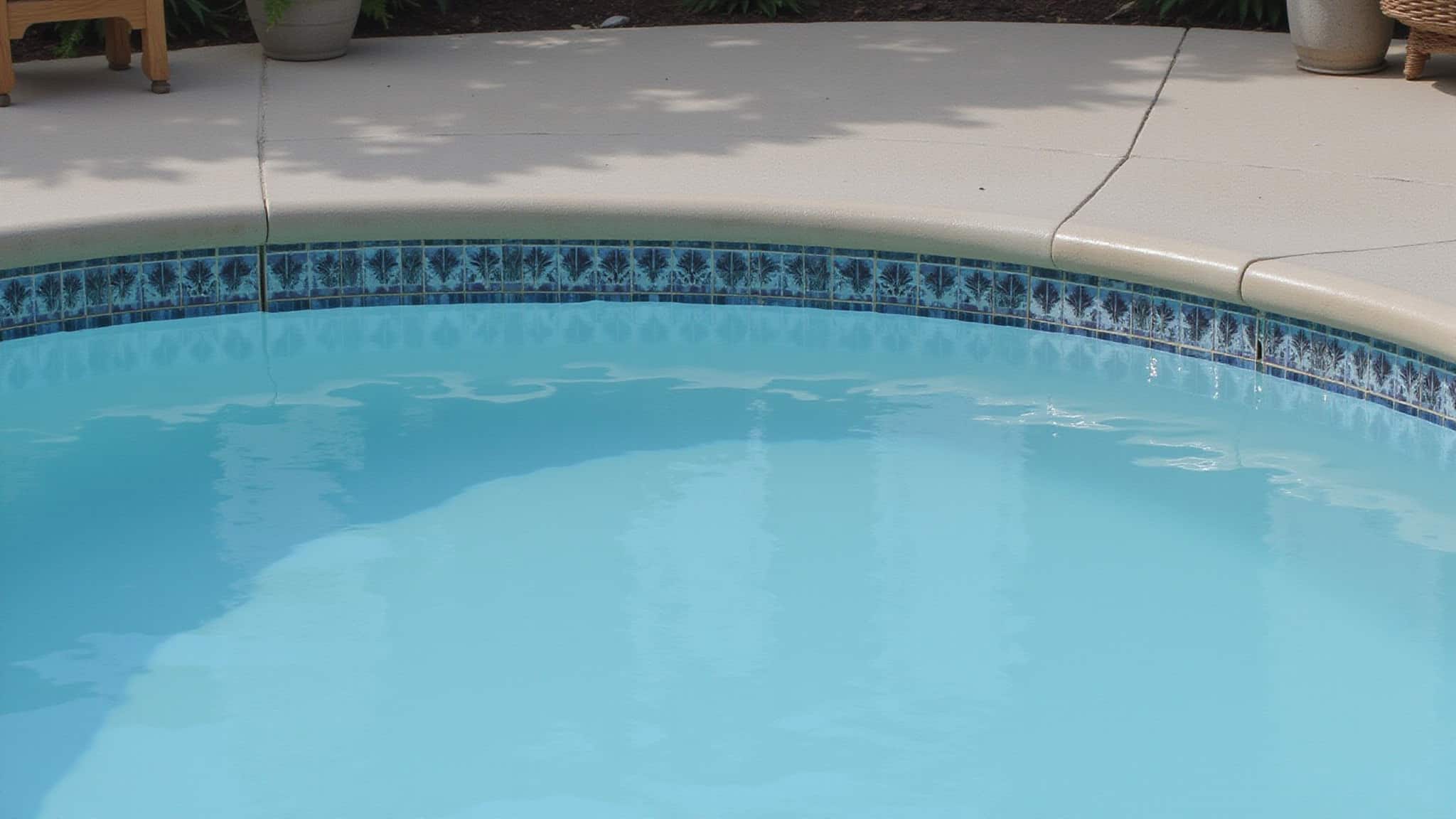
Adding waterline tile delivers measurable returns beyond its decorative role. You block buildup from sunscreen, body oils, pollen, calcium, and other minerals that collect where water meets air, sunlight, and chemicals. The tile creates a smoother surface than plaster or bare finish, so you scrub the splash zone faster and with less effort. You reduce the “bathtub ring” effect and keep the waterline looking cleaner for longer. In plaster, pebble, and gunite pools, this edge protection matters most, since those finishes deteriorate at the surface without it. By reducing long-term surface wear, properly installed tile helps you avoid costly refinishing. You also gain the primary decorative shift between shell and coping, which reads as the pool’s finish from the deck.
What happens if you skip them
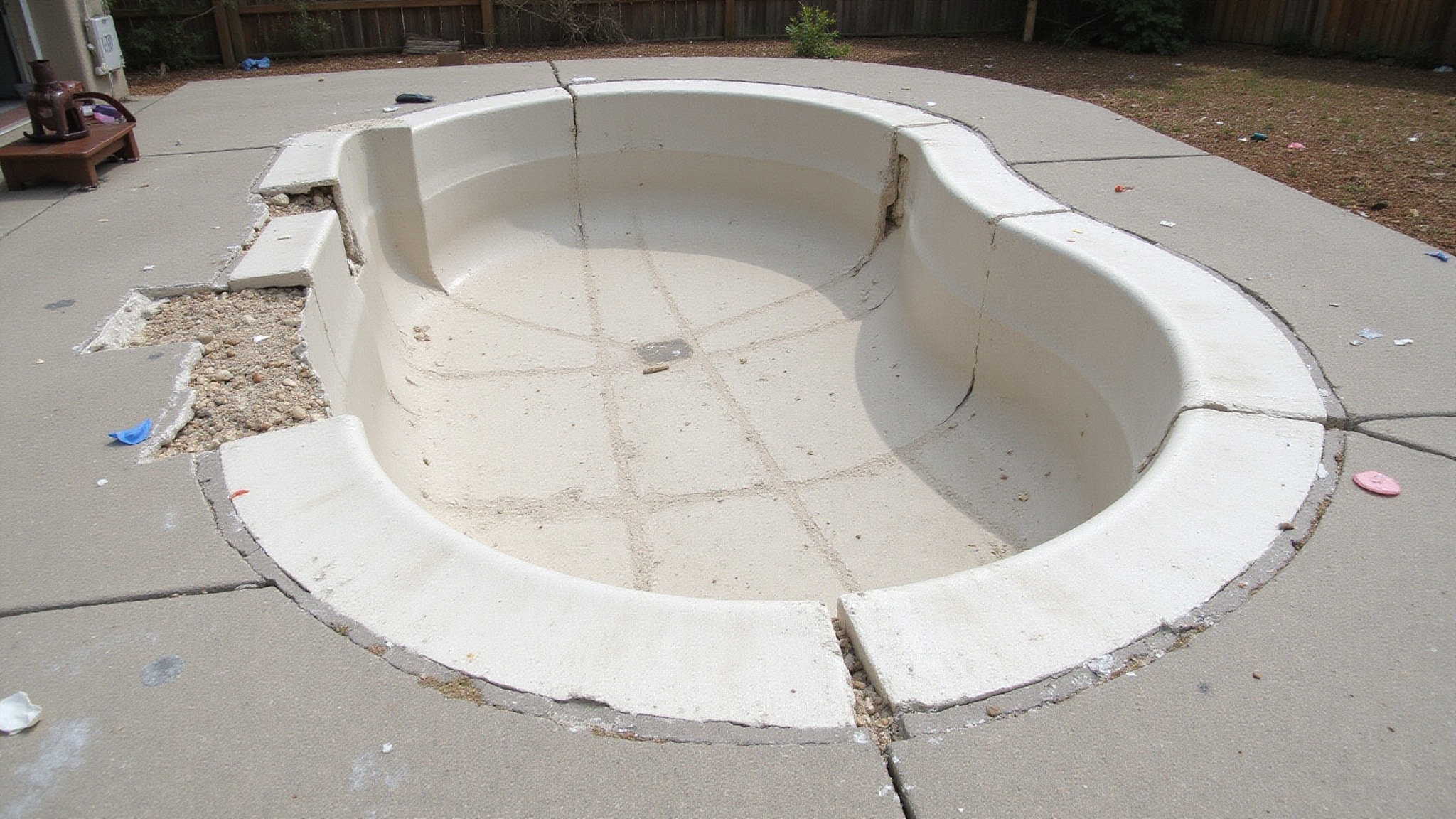
Skipping waterline tile leaves the splash zone bearing the full brunt of sunscreen, body oils, pollen, calcium, and mineral deposits with no protective barrier between them and your plaster, pebble, or gunite finish. That exposed edge collects a stubborn bathtub ring that resists routine scrubbing, since bare finish grips buildup more aggressively than a smooth tiled surface. Over time, staining, scaling, and surface deterioration accumulate at the waterline, accelerating long-term wear on the shell. You’ll spend more effort maintaining the perimeter and still watch it degrade. Eventually, the damage pushes you toward refinishing, a far costlier fix than installing tile upfront. You also lose the decorative link between shell and coping, so the pool reads less finished from the deck.
How much do they cost to install
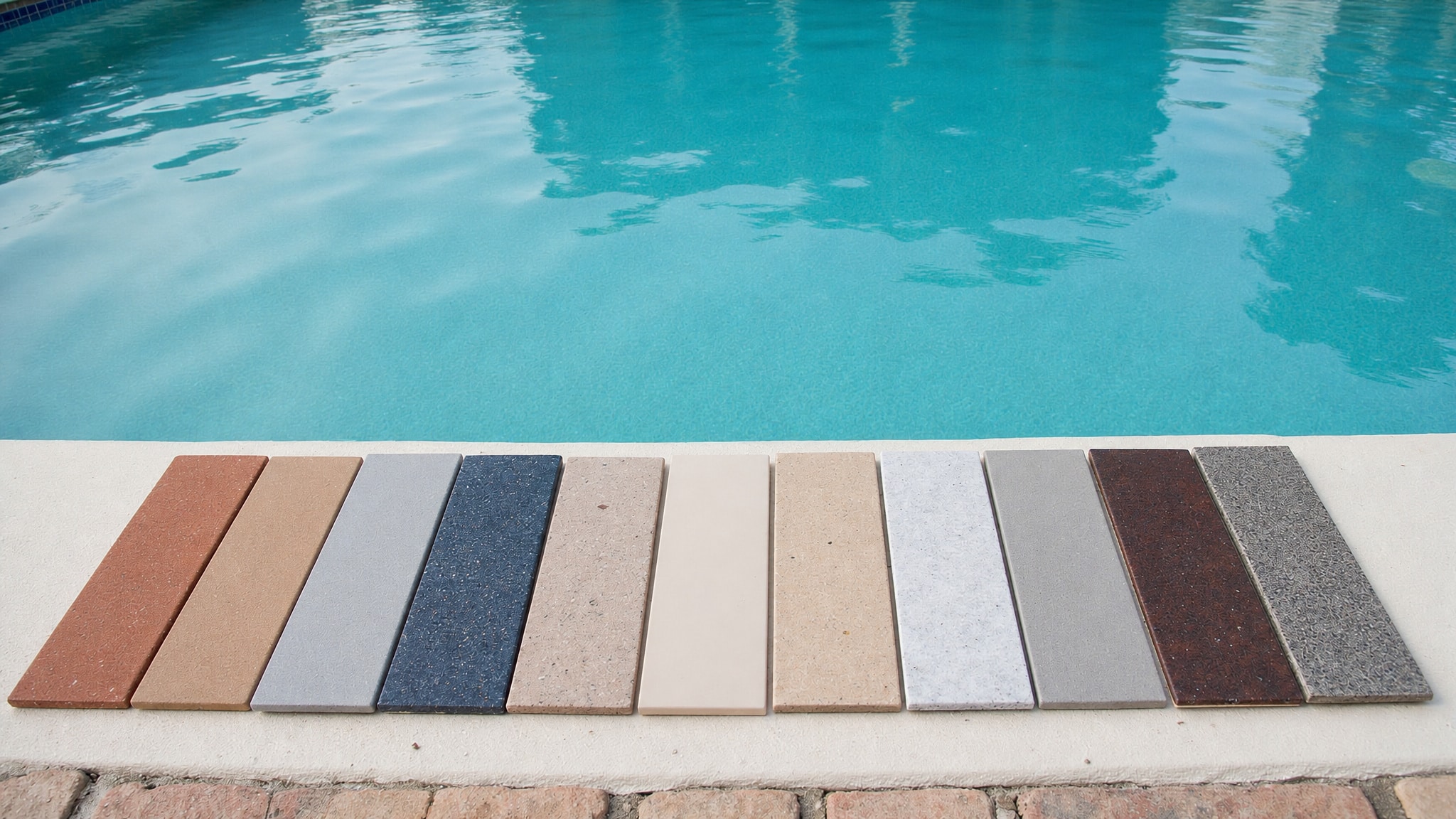
Waterline tile costs break down into materials and installation, and both swing widely depending on what you choose. Ceramic and porcelain run about $5 to $15 per square foot for materials, while glass jumps to $20 to $60-plus. Natural stone lands between those tiers. For a 90-foot perimeter, you’ll need roughly 50 square feet to cover a 6-inch band.
| Cost Factor | Estimate |
|---|---|
| Ceramic/porcelain material | $5, $15/sq ft |
| Glass material | $20, $60+/sq ft |
| Standard replacement (installed, 2026) | ~$25/linear foot |
| Adding tile to fiberglass pool | ~$3,000, $5,000 |
Installation quality drives long-term value, so don’t skimp on waterproofing membranes, correct adhesives, or movement joints. Cutting corners here guarantees premature failure and costly rework.
How do you decide whether they are worth it
Waterline tile is worth it if your pool has a plaster, pebble, or gunite shell, if you want to reduce scrubbing, and if you can fit it into your budget. Weigh how your finish handles the splash zone, how much scrubbing you’ll accept, and what you’re willing to spend against long-term protection. When considering the best tile for a pool water line, think about the aesthetic appeal and durability it offers. Selecting the right tile can enhance your pool’s appearance while also providing protection against staining and algae buildup.
- Shell material: Plaster, pebble, and gunite benefit most from edge protection, while fiberglass and vinyl often handle the waterline without tile.
- Maintenance tolerance: Tile’s smoother surface resists oils, pollen, and calcium, cutting down on the “bathtub ring” you’ll otherwise scrub.
- Budget priorities: Porcelain runs $5, $15 per square foot; glass climbs to $20, $60-plus.
- Longevity payoff: Proper installation lasts 15 to 25 years and helps you avoid costly refinishing.
- Aesthetic emphasis: Tile defines your pool’s visible “finish” from the deck.
Conclusion: Weighing Whether to Add Waterline Tile
Waterline tile is not strictly required, but it offers real benefits: it protects the pool’s edge from scale and staining, makes cleaning easier, and gives a finished, upscale look. Some pools skip it to save money, relying on the finish alone. For most owners, the durability and appearance make tile worth the investment. Weighing the cost against the protection and looks helps you decide what is right for your pool.
Call Today and Get Expert Waterline Tile Work
From tile selection to precise installation, waterline tile projects deserve a skilled hand. At Pool Doctor of the Palm Beaches in Jupiter, FL, our skilled team delivers dependable Pool Renovation & Remodeling built around lasting quality and stunning aesthetics. Call +1 (561) 586-2815 today and start your tile project.
Frequently Asked Questions
What Type of Grout Works Best for Waterline Pool Tiles?
Epoxy grout is the top choice for the waterline because it resists water, chemicals, and staining far better than standard cement grout and holds up to constant submersion. It costs more and is trickier to work with, but it lasts. For a durable, low-maintenance waterline, epoxy grout is well worth it.
How Often Should Waterline Tiles Be Cleaned to Prevent Scale?
Wiping the waterline weekly keeps oils and early scale from hardening into a stubborn band. Balanced water is the biggest factor, since high calcium and pH drive scale. A quick regular clean with a pool-safe product, plus good chemistry, keeps the tile clear and prevents heavy buildup.
Can You Install Waterline Tile Yourself or Hire a Pro?
A confident DIYer can install waterline tile, but surface prep, waterproof adhesive, and even, watertight setting are what make it last. Mistakes near the water line are hard to fix. For a clean, durable result, especially with glass or mosaic tile, hiring a professional is often the safer choice.
How Long Does Waterline Tile Installation Typically Take?
A waterline tile installation usually takes a few days, including prep, setting the tile, and letting the adhesive and grout cure before refilling. The pool’s size and tile type affect the timeline. Your installer can give a realistic schedule and let you know when the pool is ready to fill and use.
Can Old Waterline Tile Be Replaced Without Draining the Pool?
The water needs to be lowered below the tile band so the work area is dry, which means partially draining rather than fully emptying the pool. A tile professional can drop the level just enough to remove and reset the band while protecting the rest of the pool.