

For the best look, you’ll want your waterline pool tile set at 6 inches. This standard height pairs perfectly with 6×6 tiles, filling the band with minimal cuts. Position the tile so water lands near the middle, leaving about 3 inches above the surface. That midpoint placement creates a balanced, symmetrical line that reads cleanly against your water and coping. Your pool’s design can shift this height, though, and there’s more you’ll want to know. The best pool water line tile can enhance the overall aesthetic of your swimming area. Choosing the right color and texture will complement your landscaping and hardscaping features.
Key Takeaways
- Six inches is the standard waterline tile height for residential pools, pairing perfectly with 6×6 tiles to minimize cuts.
- Position the band so water sits near its middle, leaving about 3 inches of tile above the surface for balance.
- Adjust height by design: 4 inches for small pools or spas, and 8 to 12 inches for high-end decorative looks.
- Keep 5 to 6 inches between the coping and water level to frame the pool with a clean horizontal line.
- Snap a level reference line around the perimeter before setting tile to avoid visible deviation and ensure symmetry.
What height should waterline pool tile be
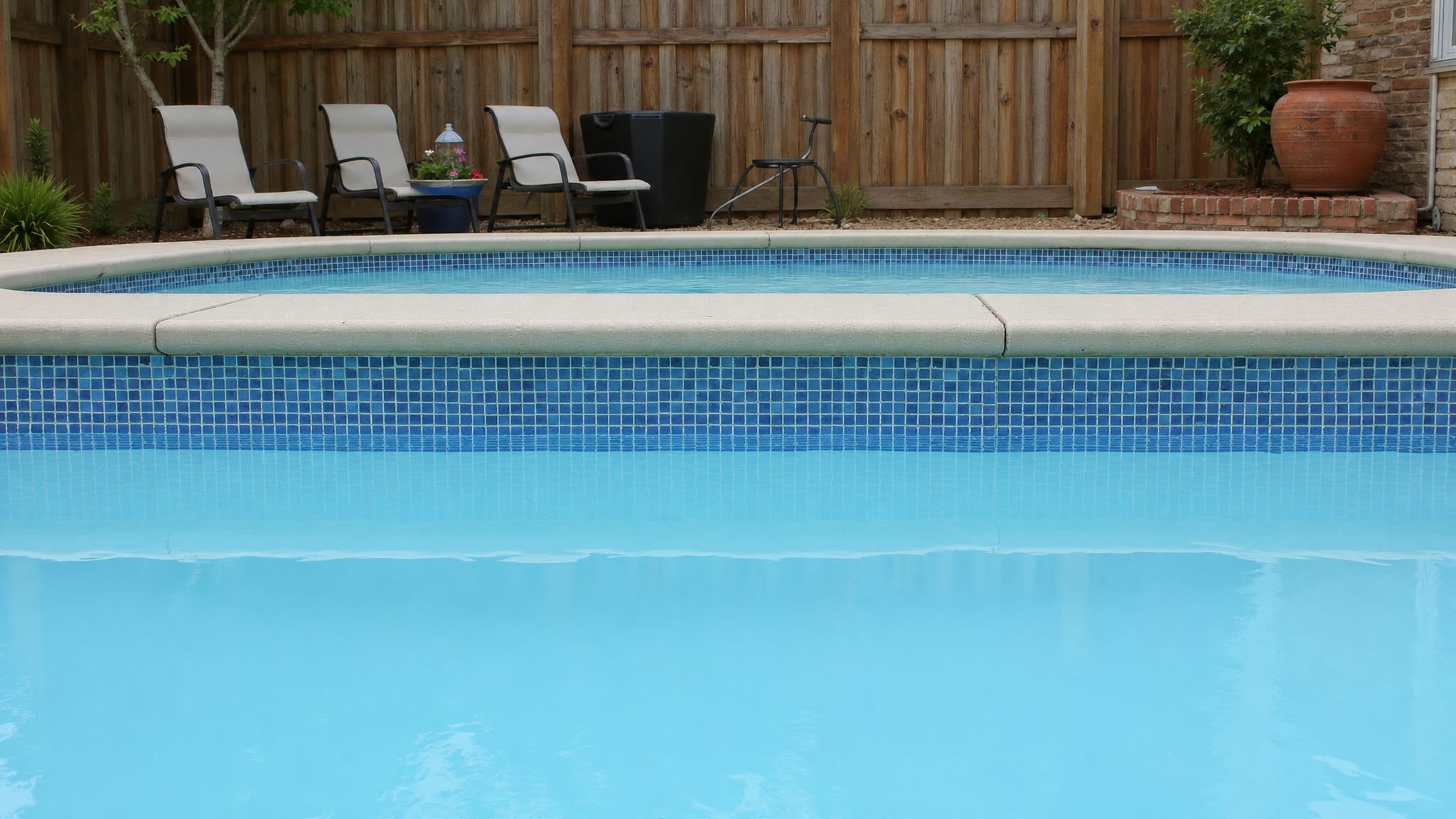
Six inches is the standard height for waterline pool tile, and it’s the measurement most residential pools default to for good reason. This height typically runs around the entire perimeter at the water’s surface, sitting just below the coping. A 6-inch band pairs perfectly with 6×6 inch tiles, letting one clean row fill the height exactly with minimal cuts. The result is a uniform tile band that reads as a strong horizontal line from poolside.
You’ll also get visual balance from this height. The water level sits around the middle of the band, leaving roughly 3 inches of tile above the surface. That midpoint placement looks symmetrical and easy on the eye, and the coping-to-water spacing improves swimmer access and everyday functionality.
Why does the height matter for the look
Height matters because it controls how the horizontal band reads against the water and coping. With a 6-inch band, the water level sits near the middle, leaving about 3 inches of tile above the surface. That midpoint placement creates a balanced, symmetrical line that’s easy on the eye. Because water and sunlight lighten the tile outdoors, that exposed 3 inches carries most of your visual weight, so height directly affects how strong the horizontal line appears from poolside seating.
Height also defines the pool edge. Keeping 5 to 6 inches between the coping and the water level frames the band cleanly. Go too short, and the row looks cramped. Too tall, and it overwhelms the water’s reflection and proportion.
What is the standard waterline tile height
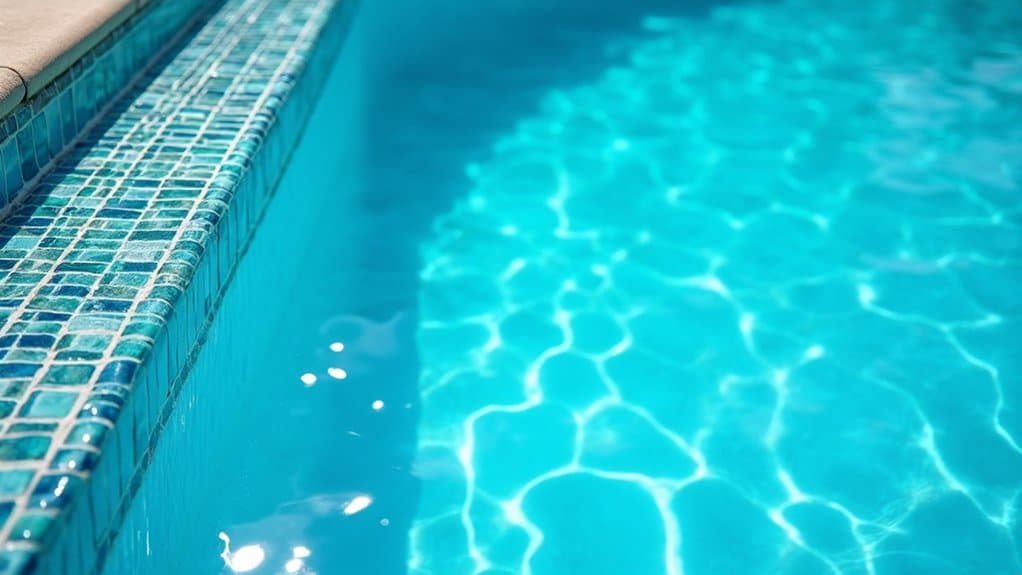
The standard waterline tile height is 6 inches for most residential pools. This band runs around your pool’s entire perimeter at the water’s surface, giving you a clean, continuous horizontal line. Suppliers and installation guides consistently point to 6 inches as the default starting point for most projects. Do pools need waterline tiles can depend on various factors, including the design and intended use of the pool.
You’ll find this height pairs perfectly with 6×6 inch tiles, since one row fills the band exactly. That means a uniform row with minimal cuts and fewer grout joints, a cleaner visual result overall.
In practice, the placement sits just below the coping and around the waterline, so treat it as a functional zone rather than an exact decorative measurement. It marks where floating debris gathers and shields your pool wall from staining and buildup.
How does the right height change with pool design
The right height changes with your pool’s scale and design details, which can shift the ideal height in either direction from the 6 inches that works for most residential pools. Smaller pools and spas look better with tighter 4-inch bands and smaller tile formats that keep the scale proportional. High-end designs often justify wider bands for a stronger decorative statement.
| Pool Design | Recommended Height | Best Tile Size |
|---|---|---|
| Small pool or spa | 4 inches | 4×4 or 2×2 |
| Standard residential | 6 inches | 6×6 |
| High-end decorative | 8 to 12 inches | Rectangular |
| Curved installations | 6 inches | 2×2 mosaics |
Custom conditions like beach entries, raised spas, or special coping details demand exceptions. Match your band height to your pool’s proportions, and you’ll maintain visual balance while preserving the functional waterline placement swimmers and skimmers need.
How do you measure and set it correctly
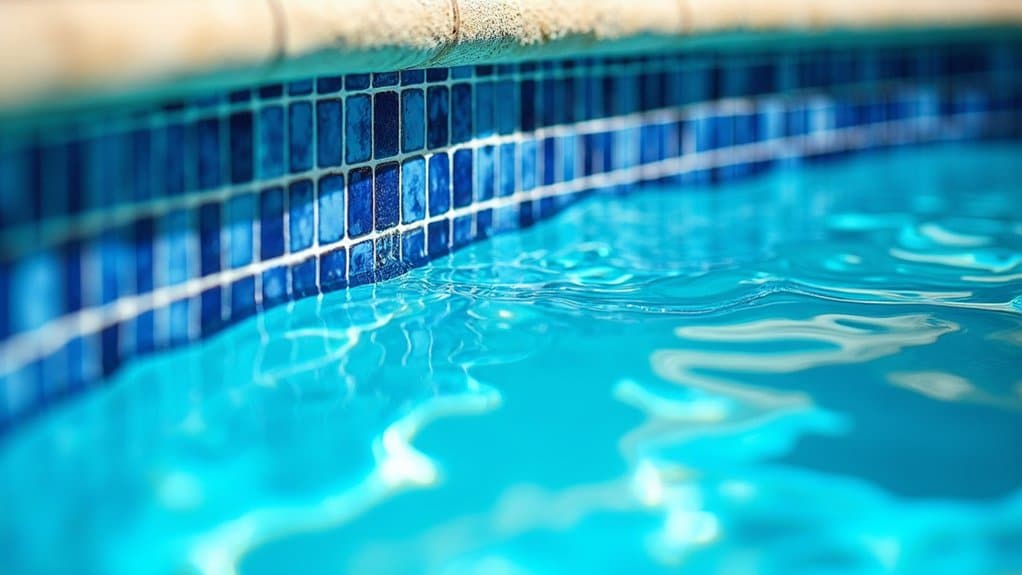
Measure the waterline band starting at the coping and working downward, positioning the tile so your water level lands near its middle. Aim for a 6-inch band, which lets one row of 6×6 tile fill the height exactly with minimal cuts. Set the tile so roughly 3 inches sit above the water and the rest below, creating that balanced midpoint line. Keep 5 to 6 inches of space between the coping and the water surface for clean swimmer access. Snap a level horizontal reference line around the perimeter before setting, since any deviation reads clearly from poolside seating. Check your water level against local conditions, then confirm the top row aligns just beneath the coping. Precise placement here delivers the strongest, cleanest horizontal result.
How do you choose the best height for your pool
The best height for your pool depends on your tile size and the look you want. Start with the 6-inch standard, which pairs cleanly with 6×6 tile and places the water level near the band’s midpoint, leaving about 3 inches above the surface for balanced symmetry. If you want a tighter profile, choose a 4-inch band with smaller formats like 4×4 or 2×2 mosaics, especially on spas or curved walls where scale matters. For a decorative statement, widen the band to 8 to 12 inches. Match tile size to pool dimensions so proportions read correctly, and keep 5 to 6 inches between coping and water for swimmer access. Custom conditions like beach entries, raised spas, or special coping may justify deviating from the standard height.
Conclusion: Getting the Waterline Tile Height Right
Waterline tile is usually installed as a band around 6 inches tall, enough to sit at and just above the water level where splashing and scale hit hardest. The right height keeps the band both functional and attractive, framing the pool cleanly. Color, material, and clean installation all add to the look. Getting the height and finish right gives the pool a polished, finished edge that holds up to daily use. How to replace waterline pool tiles can be a straightforward task with the right tools and preparation. First, ensure the area is clean and dry to allow for proper adhesion of the new tiles.
Get the Perfect Waterline Tile Height for Your Pool
The right tile height creates the perfect visual balance and hides waterline residue beautifully. At Pool Doctor of the Palm Beaches in Palm Beach Gardens, FL, our experienced team provides trusted Pool Renovation & Remodeling with expert tile installation and design guidance. Call +1 (561) 586-2815 today and refresh your pool’s look.
Frequently Asked Questions
What Tile Colors Work Best for Waterline Pool Tile?
Blues, greens, and glass mosaics are popular because they complement the water and hide minor scale, while neutrals and darker tones create a modern, dramatic edge. Lighter tiles show scale less, and glossy glass adds sparkle. The best color depends on your pool finish and the look you want, so consider how it pairs with the water.
How Do You Clean and Maintain Waterline Pool Tile?
Wipe the waterline regularly with a soft brush or cloth and a pool-safe cleaner to remove oils and light scale before it hardens. Keeping the water balanced limits calcium buildup, which is the main culprit. For stubborn scale, a tile-specific cleaner helps. Gentle, regular cleaning keeps the tile looking clear and bright.
What Tile Materials Resist Pool Chemicals and Scale Buildup?
Porcelain and glass tiles hold up especially well to pool chemicals and resist scale and fading, which is why they are common at the waterline. Natural stone is beautiful but more porous and needs sealing. Choosing a dense, glazed, pool-rated tile makes cleaning easier and helps the band resist buildup.
How Much Does Waterline Pool Tile Installation Typically Cost?
Cost depends on the tile material, the length of the waterline, and labor, so glass or custom mosaics cost more than standard porcelain. A full band is a bigger job than a repair. Getting a quote based on your pool’s size and tile choice gives the clearest budget for the project.
Can You Replace Waterline Tile Without Draining the Pool?
Usually the water needs to be lowered below the tile band so the area is dry for removal and setting new tile with adhesive and grout. That means partially draining, not necessarily emptying the whole pool. A tile professional can lower the water just enough to work while protecting the pool.