


Start by measuring your gap’s width and depth, then check whether it stays consistent along the edge. Clean and dry the joint completely for strong adhesion. For gaps under 1/4 inch, apply high-grade outdoor silicone caulk in a smooth, continuous bead. For wider gaps, insert a foam backer rod first, then caulk over it. Smooth the bead for a clean finish. There’s more to know about materials, trim, and long-term sealing.
Key Takeaways
- Measure the gap’s width and depth with a tape measure, checking whether it stays consistent or varies along the edge.
- Clean and dry the joint completely before sealing to improve caulk adhesion.
- Insert a foam backer rod flush with the surface for gaps wider than 1/4 inch.
- Apply high-grade outdoor silicone caulk in a smooth, continuous bead, then smooth it for a cleaner finish.
- Add UV-resistant vinyl sweep or a pool-to-deck transition strip, fastening trim only to the deck with stainless steel screws.
How do you fill the gap between an above ground pool and deck
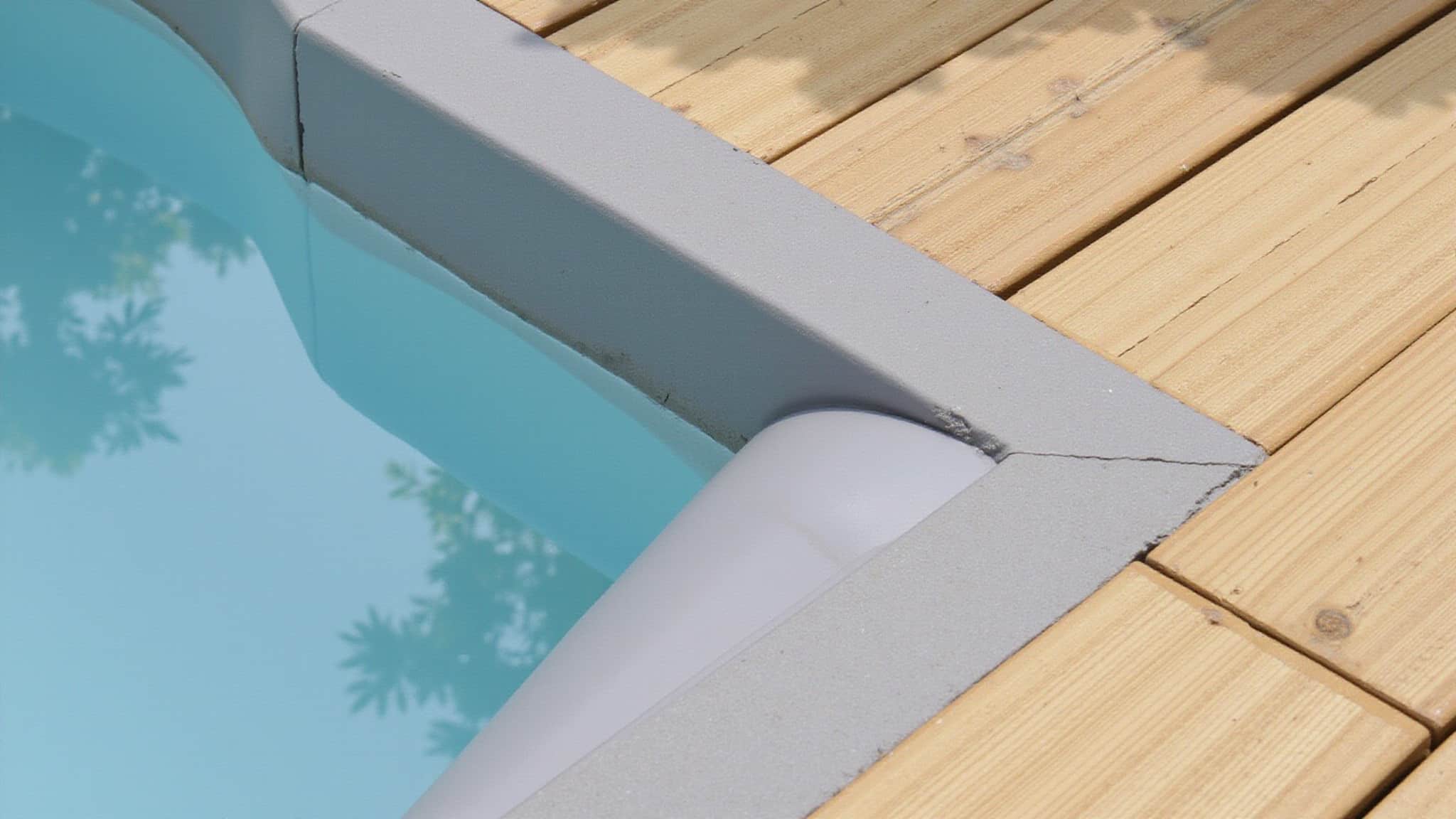
Fill the gap between your above ground pool and deck by applying high-grade outdoor silicone caulk, inserting a foam backer rod first for gaps wider than 1/4 inch. Left unsealed, that expansion gap collects debris, traps moisture, and lets water intrude beneath your deck, weakening the structure over time. Start by measuring the gap’s width and depth with a tape measure, then check whether it stays consistent or varies along the edge. Clean and dry the joint completely to improve adhesion. For gaps wider than 1/4 inch, insert a foam backer rod before applying high-grade outdoor silicone caulk in a smooth, continuous bead. For a cleaner finished edge, install UV-resistant vinyl sweep, skirting, or a transition strip, fastening trim only to the wood deck, never the pool rail, using stainless steel screws for lasting outdoor durability.
Why does a gap form in the first place
A gap forms because your pool and deck expand and contract at different rates as temperatures shift, so the joint between them naturally loosens. Wood decking swells when wet and shrinks when dry, pulling away from the pool’s rigid top rail. Ground settling, frost heave, and repeated foot traffic also shift your decking, enlarging the space. Water intrusion accelerates the problem by rotting or warping the deck edge, which widens the opening further. Repairing a pool pipe leak under concrete requires careful planning and assessment of the area. It is essential to locate the exact source of the leak before beginning any work to avoid further damage.
Understanding these forces helps you select flexible, movement-tolerant materials like foam backer rod and UV-resistant silicone. Matching the filler to the cause keeps the seal intact, blocks water, and protects both the deck structure and surrounding surfaces. Choosing pool deck resurfacing material can significantly impact the longevity and appearance of your outdoor space. Consider options that offer durability against harsh weather conditions and foot traffic.
What materials work best to fill it
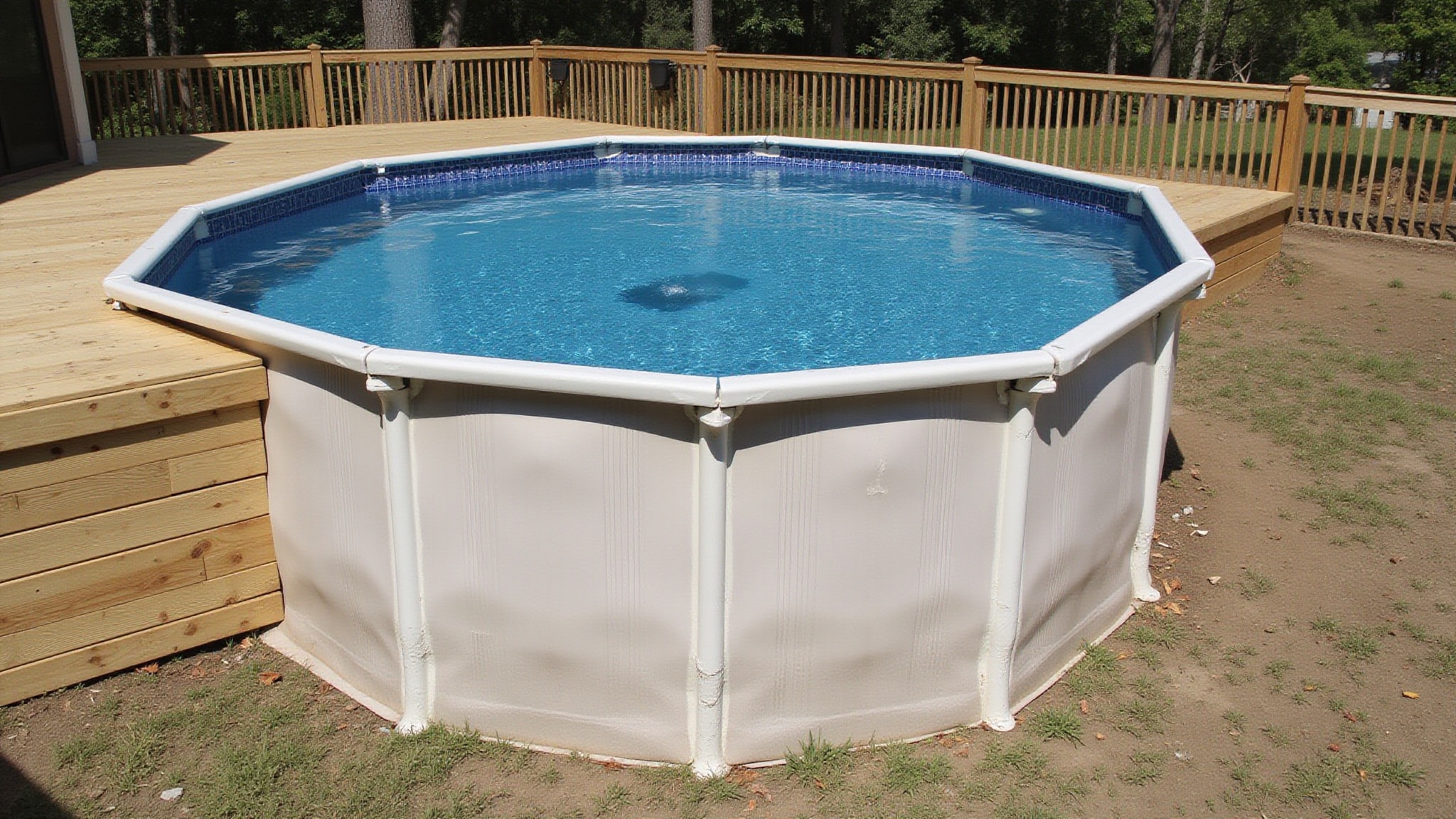
The best fillers match the material to your gap’s size and movement. For wider gaps, insert a foam backer rod until it sits flush, then seal over it. When the opening exceeds about 1/4 inch, this rod prevents caulk from sinking and failing. For smaller joints, apply high-grade outdoor silicone caulk, which flexes and blocks water intrusion. If you want a cleaner finished edge, install a UV-resistant vinyl sweep or a specialized pool-to-deck transition strip. Use sand only as a temporary leveling fill in basic DIY setups. Where you need a rigid, built-up transition, choose molded plastic, cove material, or concrete patching. Always select UV-resistant, flexible materials rated for outdoor use, so they withstand weather and repeated movement over time.
How do you install foam or trim to close it
To install foam or trim to close a gap, cut your filler material to match the measured opening, adding slight extra length if you’ll need to trim it for a snug fit. When the gap exceeds about 1/4 inch, insert foam backer rod until it sits flush with the surface, then apply caulk over it in a smooth, continuous bead using a caulking gun. If you’re using expanding foam, fill the gap without overpacking, then trim the excess after it cures.
For trim or changeover flashing, fasten it only to the wood deck, never to the pool’s top rail. Use stainless steel screws for outdoor durability. Follow the manufacturer’s instructions for any adhesives, fasteners, or patch compounds to prevent installation failure. Smooth all edges for full contact and a neater finish. An above ground pool deck plan should consider the placement of furniture and safety features. Ensure that there is adequate space around the pool for easy access and movement.
How do the filling options compare
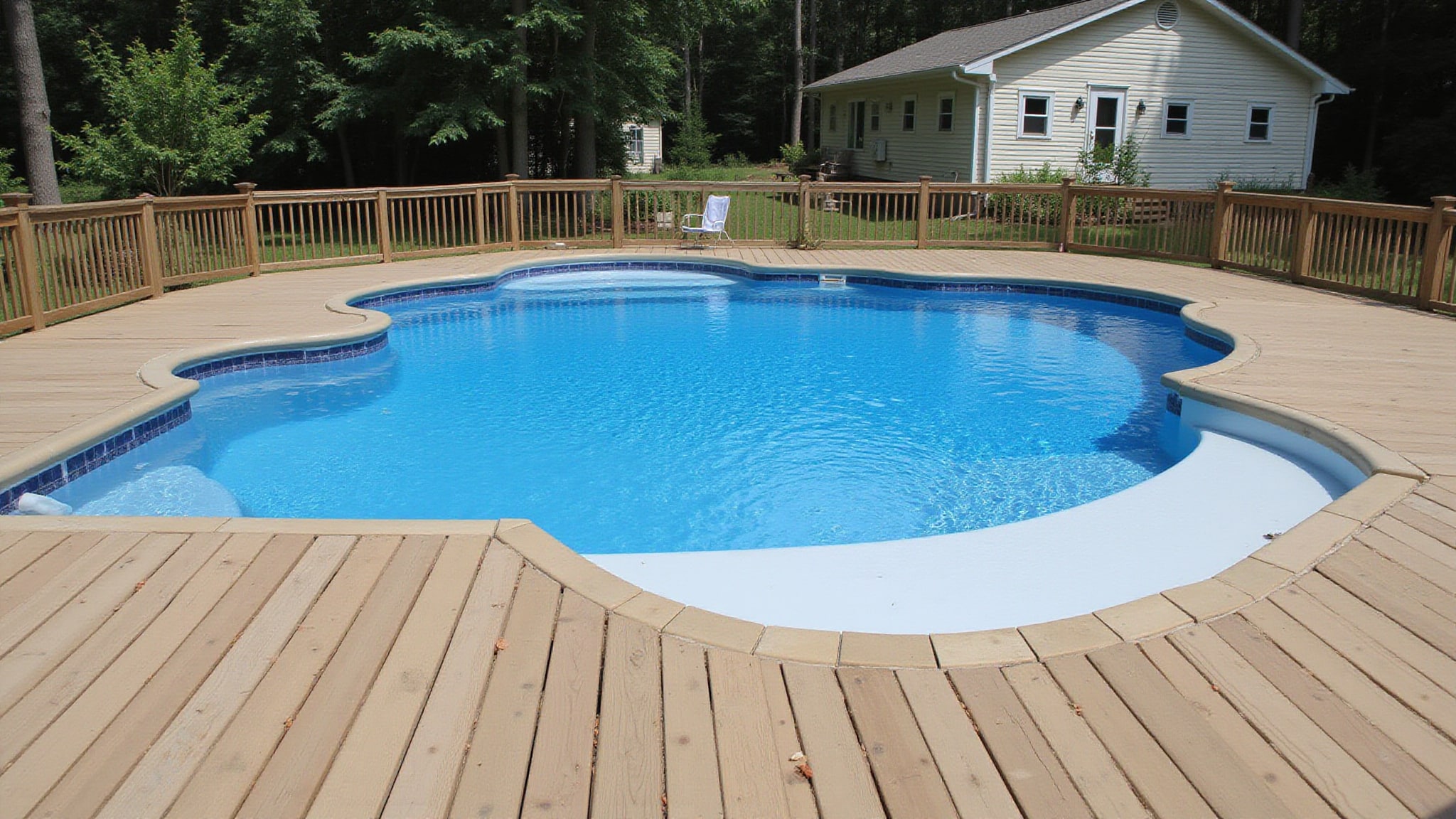
The filling options differ by gap size, location, and the type of movement each must handle. Narrow joints under 1/4 inch call for silicone caulk, while wider gaps need a foam backer rod before you seal. For a finished edge, you’ll reach for vinyl sweep or trim. Rigid transitions demand cove material or concrete patching.
| Material | Best Application |
|---|---|
| Silicone caulk | Small joints under 1/4 inch |
| Foam backer rod | Wide gaps before caulking |
| Vinyl sweep/trim | Clean finished edge |
| Sand | Temporary leveling fill |
Flexibility should match movement and UV exposure. Silicone flexes with seasonal shifts, foam supports the bead, and trim protects exposed edges from water intrusion and premature wear.
How do you keep it sealed and looking neat
Keeping it sealed and neat comes down to how you fasten, seal, and maintain the connection. Attach drip-edge flashing or trim only to the wood deck, never to the pool top rail, so you don’t compromise the pool structure. Where mechanical fastening is required, use stainless steel screws for outdoor durability. Apply waterproof, outdoor-rated silicone sealant along all exposed edges to block water intrusion, then smooth the bead for full contact and a cleaner finish. Choose UV-resistant, flexible materials that handle weather and movement without cracking. Inspect the filler regularly for cracking, loosening, or water intrusion, and repair or replace worn sections early. Catching problems fast prevents water from damaging the deck structure and surrounding area, keeping everything sealed and tidy.
Conclusion: Closing the Pool-to-Deck Gap Neatly
A clean gap between an above ground pool and its deck keeps the space safe, tidy, and free of debris and trip hazards. The best fix depends on the gap’s size and the look you want, from foam backer rod and flexible sealant to trim, edging, or a custom filler strip. Choosing a durable, flexible material and sealing it well keeps it looking neat as the pool and deck shift slightly over time. A little effort here makes the whole poolside feel finished and secure.
Call Today and Upgrade Your Pool Deck
From filling gaps to resurfacing older decks, quality pool deck work brings safety and beauty together. At Pool Doctor of the Palm Beaches in Riviera Beach, FL, our skilled team delivers dependable Pool Deck and Coping Materials built for Florida’s climate and your style. Call +1 (561) 586-2815 today and start your project.
Frequently Asked Questions
How Much Does It Cost to Fill a Pool-To-Deck Gap?
It is usually an inexpensive project. Basic materials like foam backer rod and sealant cost only a little, while trim, edging, or a professional job cost more depending on the length and finish. For a simple DIY fix, expect a modest materials cost. A professional can quote a neater, longer-lasting result if you prefer.
Can I Fill the Gap Myself or Hire a Professional?
Many homeowners fill the gap themselves, since backer rod, sealant, and trim are straightforward to install with basic tools. If the gap is large, uneven, or you want a polished, durable finish, a professional can do it cleanly and choose the right materials. It comes down to the gap’s condition and the look you are after.
How Often Should I Replace the Gap Filler?
It depends on the material and exposure. Flexible sealants and foam can last a few years before sun, water, and movement wear them down, while trim and quality edging last longer. Check it each season and reseal or replace when you see cracking, gaps, or the filler pulling away. Staying ahead of it keeps the edge neat.
Is a Gap Between Pool and Deck Safe?
A small gap is normal, but a wide or uneven one can be a trip hazard, catch debris, and let water pool where you do not want it. Filling it makes the area safer and cleaner, especially around bare feet. Keeping the gap closed and even is a simple way to make poolside safer for everyone.
Can I Use Pool Noodles to Fill the Gap Temporarily?
Yes, pool noodles are a common quick fix for a temporary gap filler, since they are cheap, flexible, and easy to cut to size. They are not a long-term solution, though, as they degrade in the sun and do not seal well. Use them as a stopgap, then move to backer rod, sealant, or trim for a lasting result.