

Standard white pool plaster typically lasts 5 to 12 years, though most pros plan replastering in the 7 to 10 year range. Your water chemistry is the single biggest factor. Poor pH control accelerates etching, scaling, and surface wear, while balanced alkalinity and calcium hardness can stretch lifespan toward 20 years. Watch for rough texture, stubborn staining, and cracks, early warning signs the finish is breaking down. Here’s what every owner should know. Fiberglass pool replacement signs can indicate it’s time to consider an upgrade, especially if you notice significant wear. Investing in a fiberglass option may offer benefits like reduced maintenance and improved durability.
Key Takeaways
- Standard white pool plaster typically lasts 5 to 12 years, though proper care can stretch it toward 20 years.
- Water chemistry is the single biggest factor, as poor pH control causes etching, scaling, and surface wear.
- Early warning signs include rough texture, staining that won’t brush out, cracks, flaking, and pitting.
- Premium finishes outlast plaster: quartz lasts 10 to 15 years, while pebble and glass bead reach 15 to 20+ years.
- Regular water testing and weekly brushing extend lifespan, while replacement is needed once breakdown can’t be corrected.
How long does pool plaster last
Standard white pool plaster typically holds up for 5 to 12 years, though most pool professionals plan on replastering somewhere in the 7 to 10 year window for basic marcite finishes. Some industry sources push that service window out to 7 to 15 years, and with proper care, you can stretch plaster’s lifespan toward 20 years. Your actual number depends on a few controllable variables. Water chemistry drives longevity more than anything else. Poor pH control accelerates etching, scaling, and surface wear that shortens the finish prematurely. Installation quality and start-up procedures matter early on, and usage intensity and weather exposure chip away over time. Heavy-use commercial pools often bottom out near 5 years, so treat any universal number as a starting point, not a guarantee.
What factors affect its lifespan
Several key factors affect its lifespan, starting with water chemistry, which consistently ranks as the single biggest factor in how long your plaster survives. Poor pH control, unbalanced alkalinity, and swings in calcium hardness accelerate etching, scaling, and surface wear. If you neglect regular water testing, you’ll see roughness and staining show up years ahead of schedule.
Installation quality matters just as much. A proper start-up after the finish cures sets the stage for the entire service life, while sloppy application shortens it fast. Your usage intensity plays a role too. Heavy bather loads and commercial traffic push wear toward the low end.
Weather exposure and environmental conditions add stress over time. And your finish type sets the baseline: standard plaster wears faster than quartz or pebble. Consistent maintenance ties all these factors together.
What are the signs it is wearing out
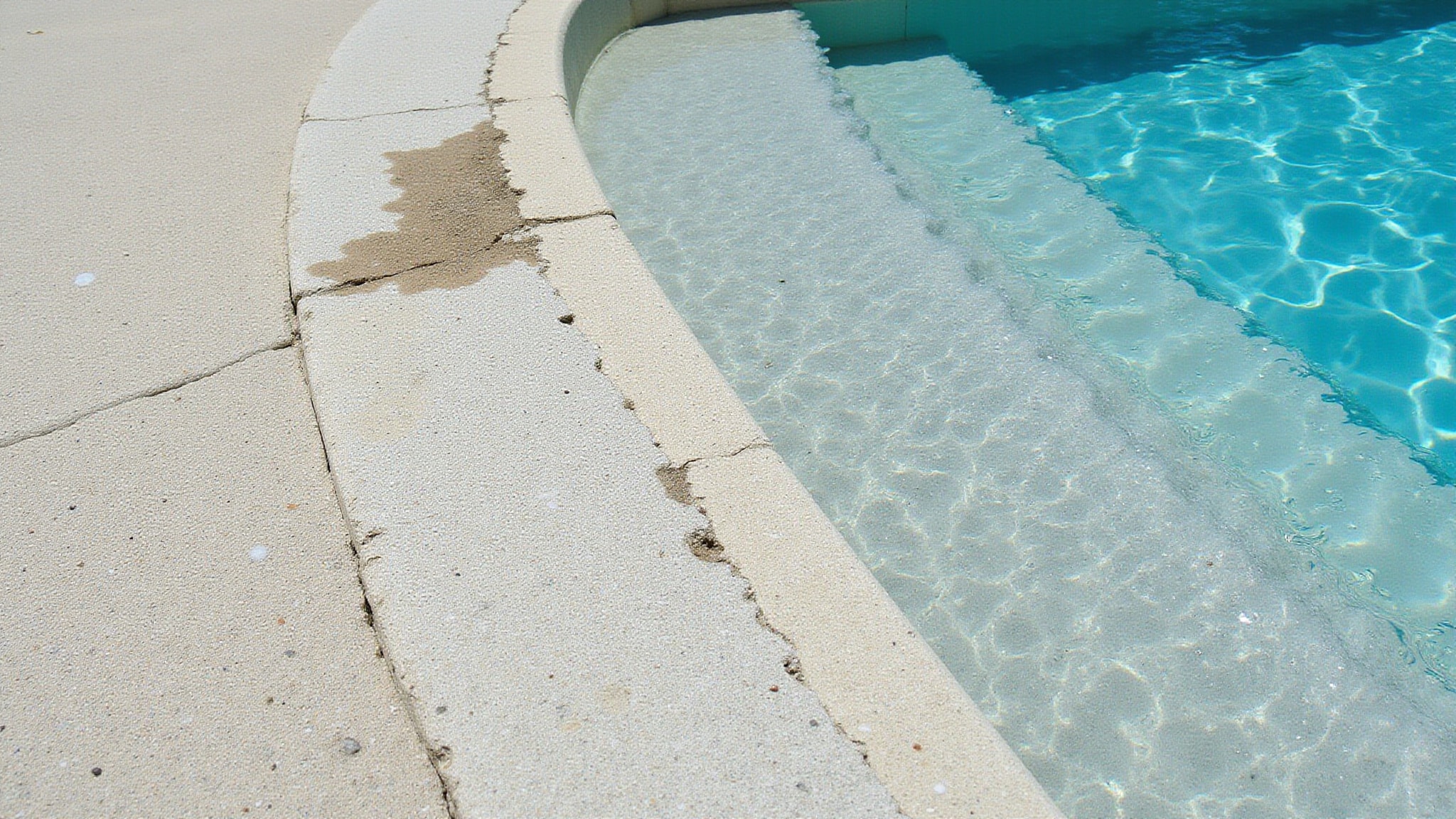
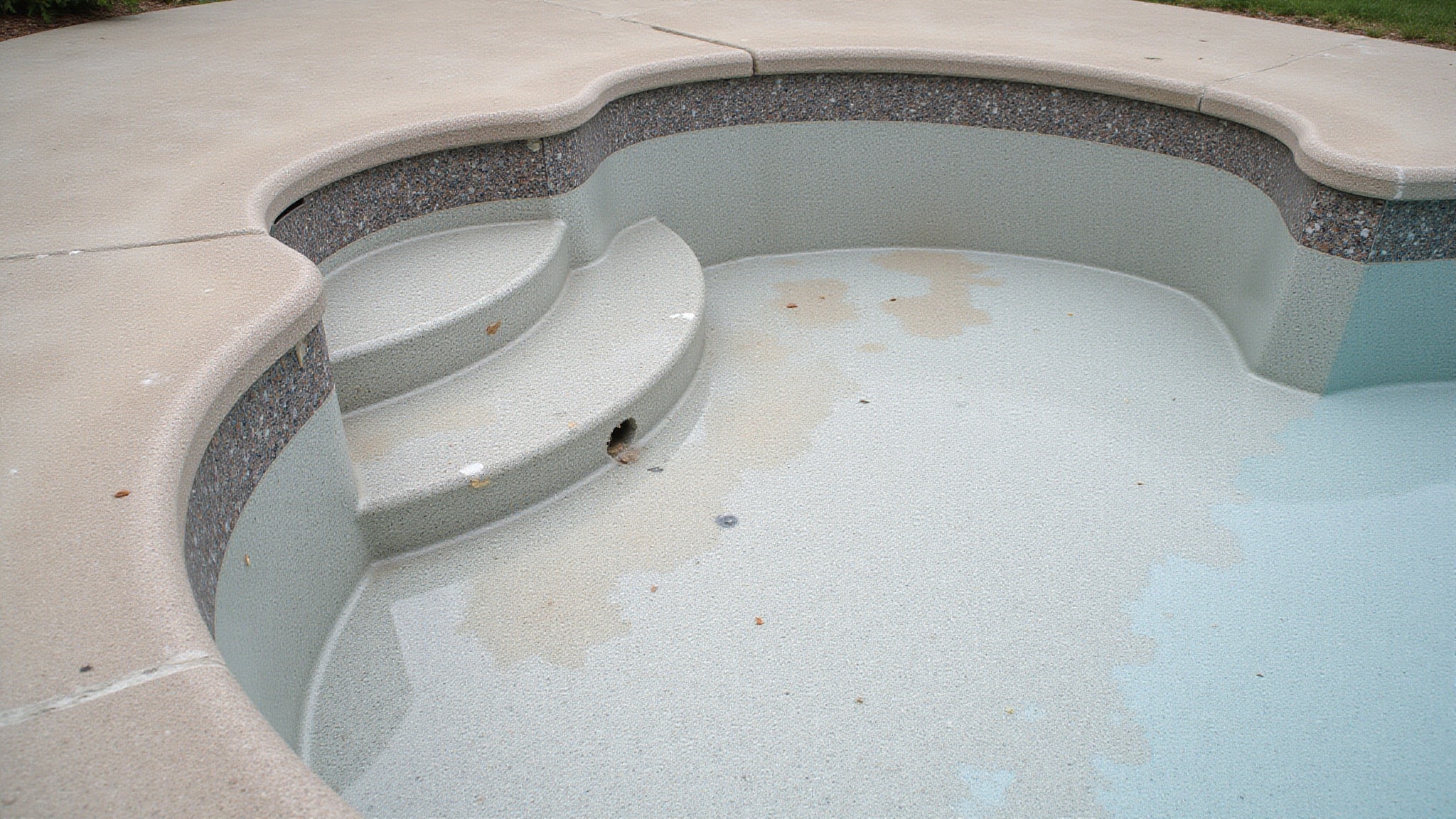
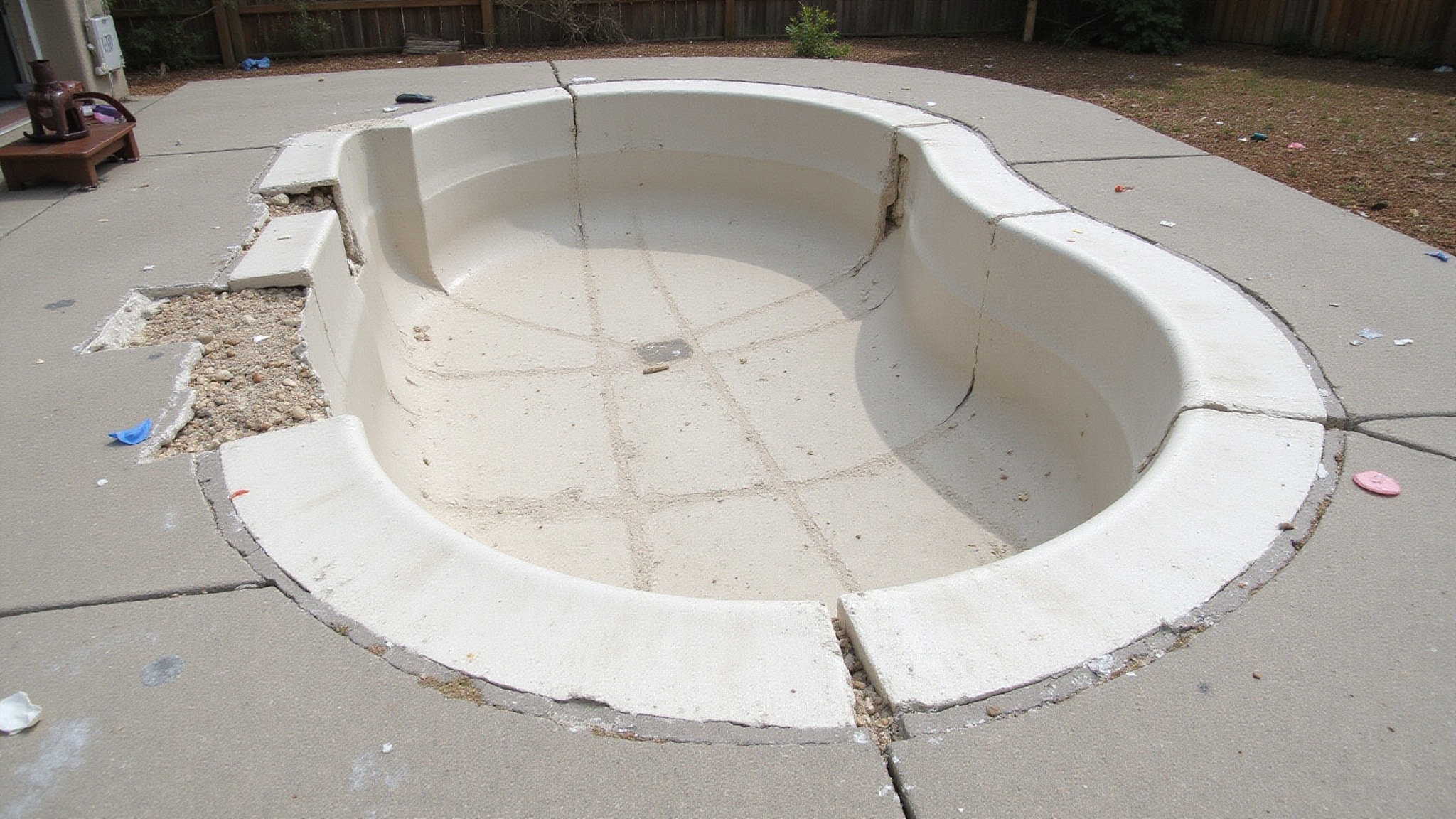
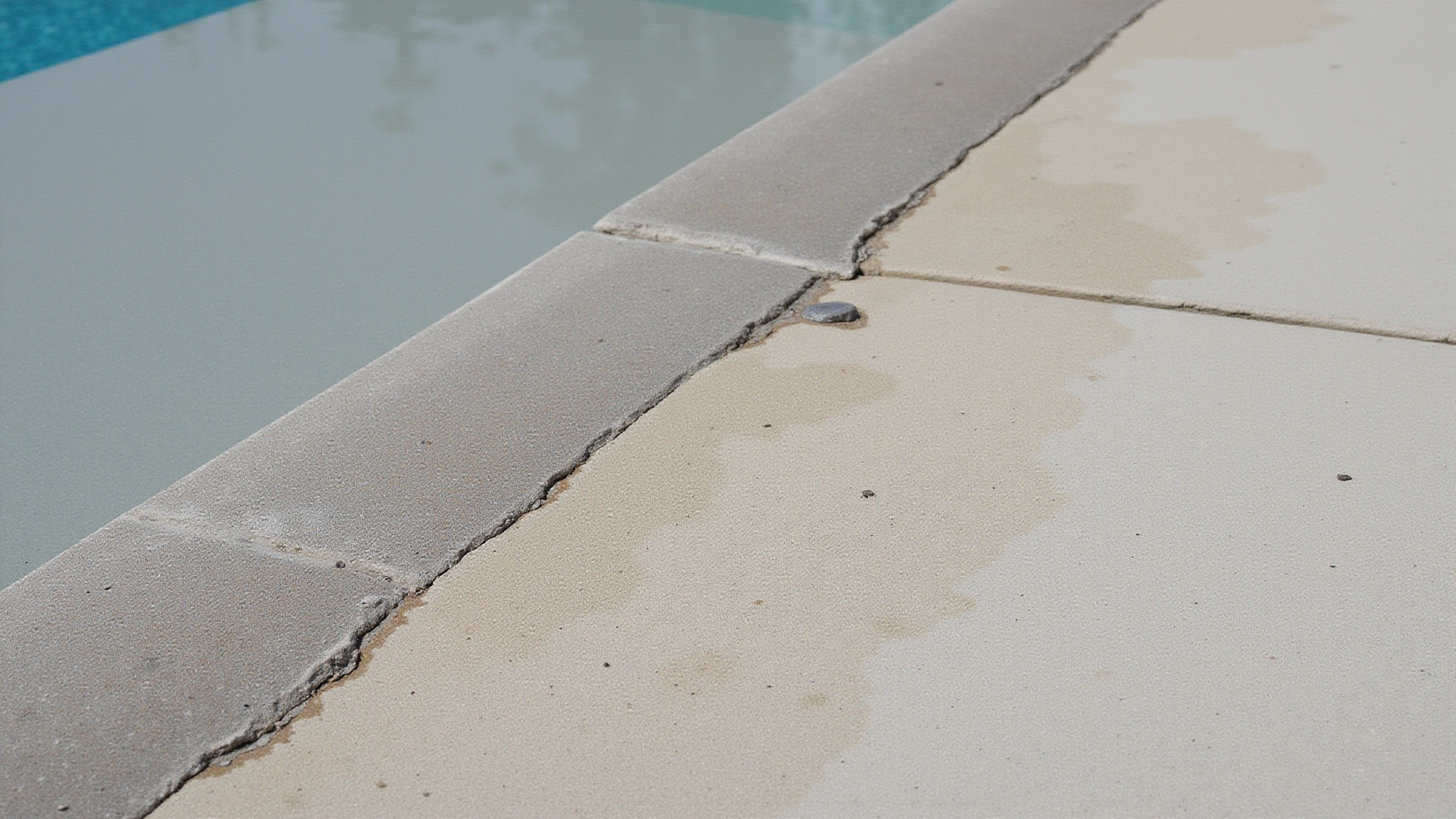
Your plaster is wearing out when you notice rough texture, staining, cracks, flaking, pitting, spalling, or fading. Start with your hands. Run them along the walls and steps. Rough texture is usually the first thing you’ll notice, a sign the surface is breaking down. Watch for staining that won’t brush out, often tied to drifting water balance. Crack lines signal surface fatigue or structural stress underneath. As wear progresses, you’ll see flaking, pitting, and spalling, where sections of plaster lift or hollow out. If you’ve got colored plaster, fading and mottling tell you the finish is aging out. Any one of these can appear on its own, but when several show up together, especially past the 10 to 15 year mark, you’re looking at a finish that’s near the end of its service life.
How does plaster longevity compare to other finishes
Standard white plaster has the shortest lifespan among pool finishes, typically lasting 5 to 10 years, while premium finishes stretch that timeline considerably. If you’re comparing options, the aggregate matters. Quartz finishes hold up longer, generally landing in the 10 to 15 year range, sometimes reaching 12 to 20 with disciplined water chemistry. Pebble surfaces outperform both, routinely hitting 15 to 20+ years thanks to their exposed-aggregate durability. Glass bead finishes top the list, with 20+ years achievable under proper care.
| Finish Type | Typical Lifespan |
|---|---|
| White Plaster | 5 to 10 years |
| Quartz | 10 to 20 years |
| Pebble | 15 to 20+ years |
You’ll pay more upfront for premium finishes, but you’ll replaster less often. Factor that trade-off against your budget, usage intensity, and maintenance commitment before deciding.
How can you extend the life of the surface
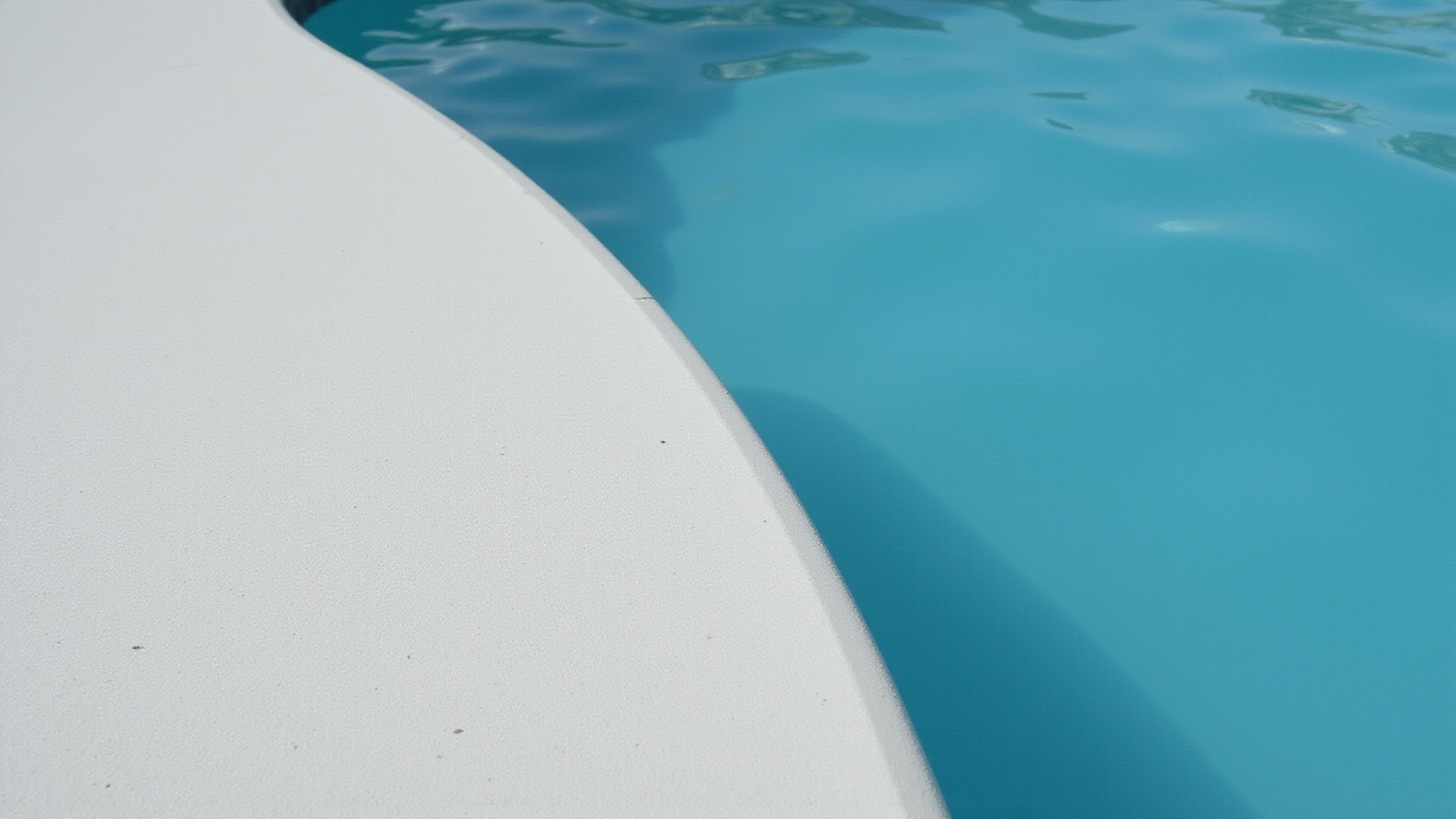
Water chemistry drives plaster longevity more than any other factor, so that’s where you’ll get the most return on your effort. Test regularly to keep pH, alkalinity, calcium hardness, and chlorine within range, since drift causes etching and scaling that wear the surface fast. Focus on three habits:
- Test weekly and correct pH, alkalinity, calcium hardness, and chlorine before they swing out of balance.
- Brush weekly to knock down algae, mineral film, and staining before they set into the finish.
- Add chemicals carefully, diluting and distributing them so concentrated products don’t etch or bleach localized spots.
Nail the startup procedure after installation, too. Consistent, precise care beats reactive fixes, and it’s what separates a 7-year replaster from a 15-year one.
How do you decide when to replace it
Replace your plaster finish when the surface shows breakdown that brushing or balancing can’t fix, not when the calendar says so. Start by running your hand across the plaster. Rough texture, pitting, and spalling signal that the finish is breaking down beyond what brushing or balancing can fix. Watch for crack lines, persistent staining that won’t clear, and flaking that exposes the substrate. If you’ve got a white plaster finish past 10 to 15 years showing several of these symptoms together, plan for replastering rather than chasing spot repairs.
Factor in your history too. Poor water chemistry accelerates etching, so a neglected pool fails earlier than its finish type suggests. Premium finishes like pebble or quartz buy you more time. When roughness, wear, and staining converge, that’s your cue to budget for a full replaster. The pool replastering method is essential for maintaining a safe and enjoyable swimming environment. Choosing the right materials during this process can enhance both aesthetics and longevity.
Conclusion: Getting the Most From Plaster
Well-maintained plaster typically gives you 10 to 15 years, and premium finishes stretch that further. What shortens it is neglected water chemistry more than age alone. Keep the balance steady, brush and clean on a regular schedule, and replaster when the surface tells you it is time rather than waiting for a leak to force the issue. Maintaining your pool’s appearance relies on understanding the pool plastering timeline. Over time, wear and tear can cause uneven surfaces and discoloration, which may lead to bigger issues if not addressed promptly.
Call Today and Refresh Your Pool the Right Way
From gelcoat repairs to full replastering, the right team makes your pool look brand new again. At Pool Doctor of the Palm Beaches in Jupiter, FL, our skilled team delivers dependable Pool Renovation & Remodeling built around lasting quality and stunning results. Call +1 (561) 586-2815 today and schedule your consultation.
Frequently Asked Questions
How Much Does It Cost to Replaster a Pool?
Replastering a typical residential pool runs roughly 4,000 to 10,000 dollars, depending on the pool size, the finish you choose, and any repairs the shell needs first. Basic white plaster sits at the low end, while quartz and pebble finishes cost more. Local quotes are the only way to nail down your figure.
How Long Does the Replastering Process Take to Complete?
From draining to refilling, most jobs take about five to seven days. Chipping out the old surface, applying the new plaster, and letting it set each take a day or two. Weather and the size of the crew shift the timeline, and refilling a large pool adds time on the back end.
Can You Replaster a Pool Yourself or Hire a Pro?
Replastering is demanding work that rewards experience, since the material sets fast and an uneven application shows permanently. A pro brings the crew and timing to get a smooth, lasting finish in one session. Most owners are better off hiring out this job rather than risking a botched surface they will live with for years.
What Color Options Are Available for Pool Plaster?
Classic white is the standard, but plaster comes in grays, blues, and darker tones, plus tinted quartz and pebble aggregates for more depth. Darker finishes make water look deeper and warmer, while lighter ones give a bright, traditional look. Ask to see samples in water, since color shifts once the pool is filled.
How Long Before You Can Swim After Replastering?
Plan on about a week to ten days. The pool needs to refill, and the water chemistry has to be balanced and holding before anyone gets in. The plaster continues curing beneath the surface for roughly a month, but careful early chemistry lets you swim well before that process wraps up.