

If you’re building a pool now, you’ll find the 5- to 6-foot depth is the most popular choice among homeowners. It’s the sweet spot for casual swimming, floating, and light jumping without excessive excavation, water volume, or maintenance demands. You get continuous swimming strokes while keeping kids and adults within manageable reach. Deeper builds past 7 feet rarely pay off for typical use. Below, you’ll discover how depth shapes cost, safety, and recreation. The inground pool backyard size is crucial to ensure there’s ample space for activities and loungers. Many homeowners underestimate the importance of proper sizing, which can significantly affect both enjoyment and safety.
Key Takeaways
- The 5- to 6-foot depth range is the most popular choice among homeowners today.
- This depth supports swimming, floating, and light jumping without excessive excavation, water volume, or maintenance.
- Multi-depth layouts commonly pair a 3- to 4-foot shallow end with a 5- to 6-foot deep end.
- Medium depths keep children and adults within manageable reach, reducing drowning risk compared to deep diving pools.
- Homeowners avoid depths past 7 feet since diving is rarely the primary use and costs rise sharply.
What is the most popular pool depth among homeowners
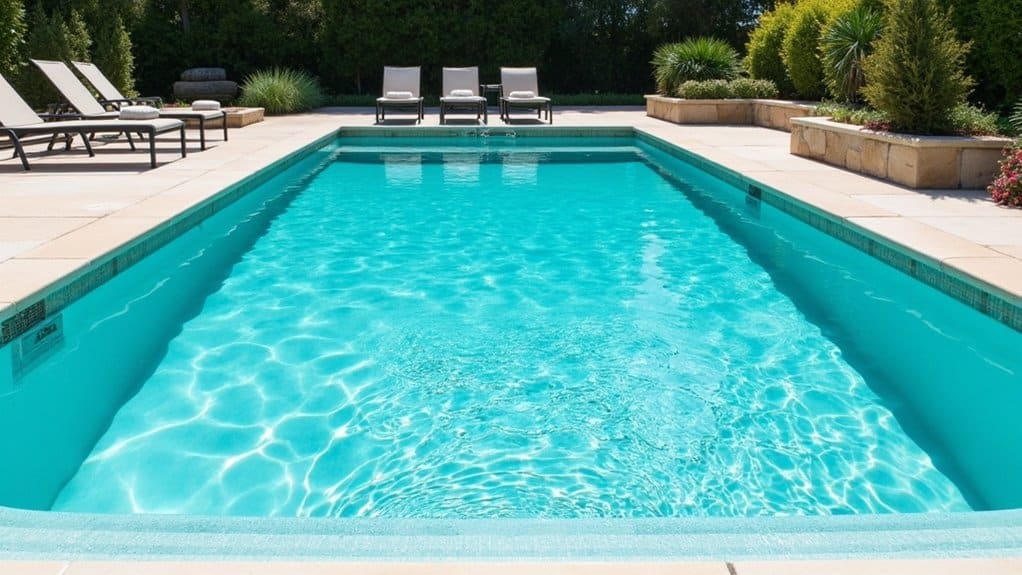
The most popular pool depth among homeowners is a 5- to 6-foot depth, the range cross-referenced most often as the current homeowner standard. This depth works because it supports swimming, floating, and light water play without demanding excessive excavation, water volume, or maintenance. Most homeowners skip deeper builds since diving isn’t their primary use case.
For a typical family pool, you’ll usually see a multi-depth layout that pairs a 3- to 4-foot shallow end with a 5- to 6-foot deep end. That shallow end handles kids, lounging, and games, while the deep end gives you room for real swimming. If you want predictable footing throughout, a uniform-depth sport pool around 4 to 5.5 feet is your alternative. Residential swimming pool rules often dictate safety measures, such as having a designated adult supervise when children are in the pool area. These guidelines can help prevent accidents and ensure that everyone enjoys a safe swimming environment.
Why does depth matter for your choice
Depth matters for your choice because it directly shapes how you’ll use the pool, what it costs to build, and how much work it takes to maintain. When you settle on a depth, you’re really deciding how your family will interact with the water day to day. Consider these three factors before locking in your dimensions:
- Function: A 3-to-4-foot shallow end suits kids and games, while a 5-to-6-foot deep end handles swimming and light jumping.
- Cost: Deeper pools demand more excavation, water, and materials, so pushing past 6 feet raises your budget fast.
- Safety: Moderate depths reduce risk for swimmers.
If diving isn’t your priority, you won’t need the extra depth that specialized designs require.
What depth suits swimming and recreation
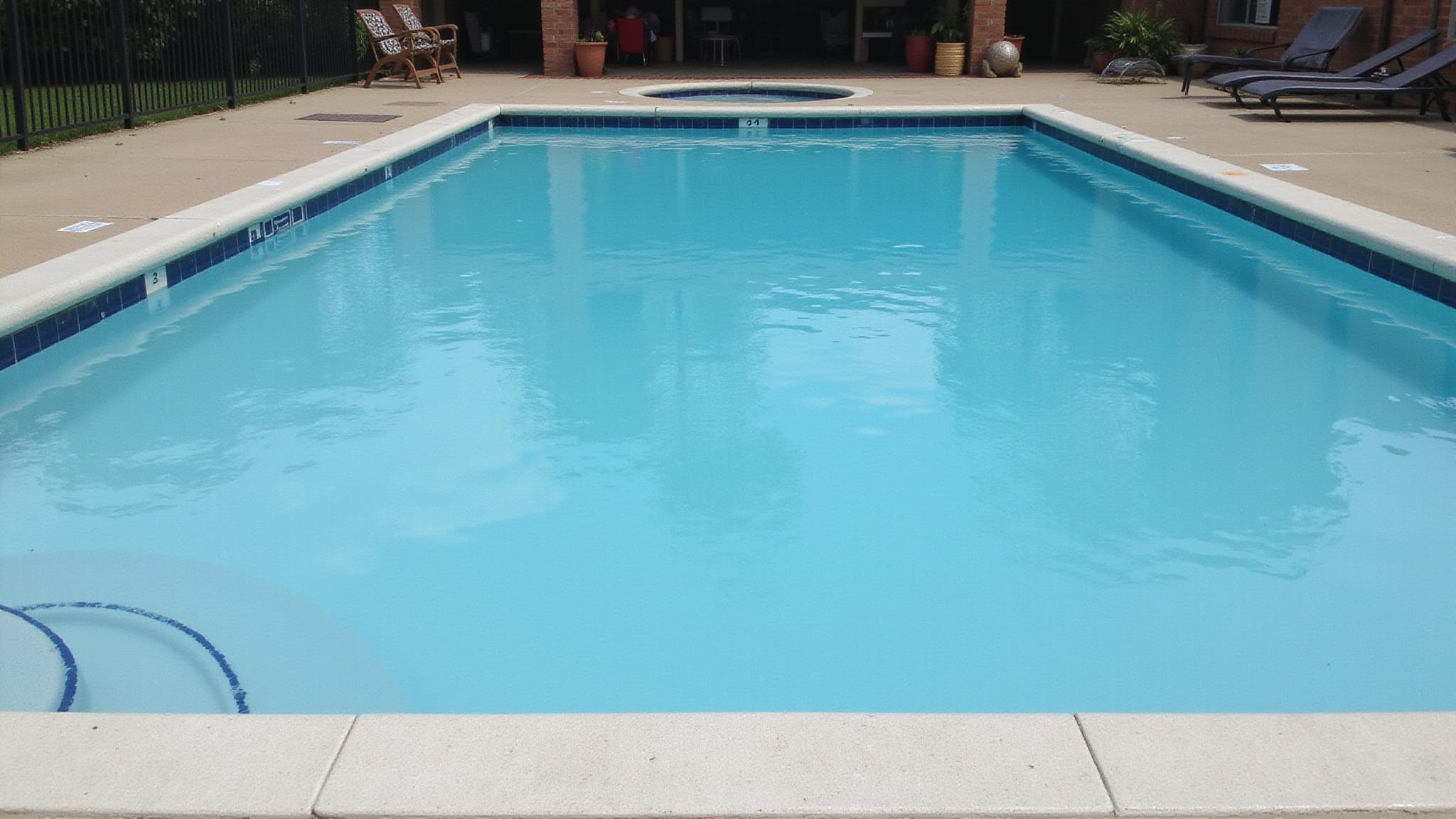
A 5-to-6-foot depth suits both casual swimming and family recreation. This range gives you enough water for continuous swimming strokes, floating, and light jumping without pushing excavation and water volume beyond practical limits. Pair it with a 3-to-4-foot shallow end, and you’ll cover children’s play, lounging, and games while keeping deeper water available for lap swimming.
You can build this profile as a multi-depth pool with a graduated slope, or choose a uniform depth around 4 to 5.5 feet if your family prefers predictable footing. Sport pools work well here too, keeping consistent depth across the pool. This configuration balances usability, safety, and maintenance, and it fits standard sizes like 15×30 or 16×32. Minimum height for pool barriers is crucial for ensuring the safety of children and pets. Local regulations may dictate specific measurements that need to be adhered to when installing these barriers.
How do popular depths compare by use
Popular depths compare by use with moderate ranges dominating residential installations, since matching depth to use tells you which profile fits your household. Shallow zones handle child play and lounging, mid-range depths support general swimming, and deeper sections enable light jumping without diving-grade excavation.
| Depth Range | Primary Use | Best For |
|---|---|---|
| 3 to 4 feet | Wading, games, lounging | Young children, casual play |
| 4 to 5.5 feet | General swimming | Most family activities |
| 5 to 6 feet | Swimming, light jumping | Active swimmers, versatility |
| 7+ feet | Diving, competition | Specialized designs only |
Mapping your household’s actual activities against this range typically lands you on that 5-to-6-foot sweet spot, balancing usability, safety, and construction cost.
How does depth affect safety and cost
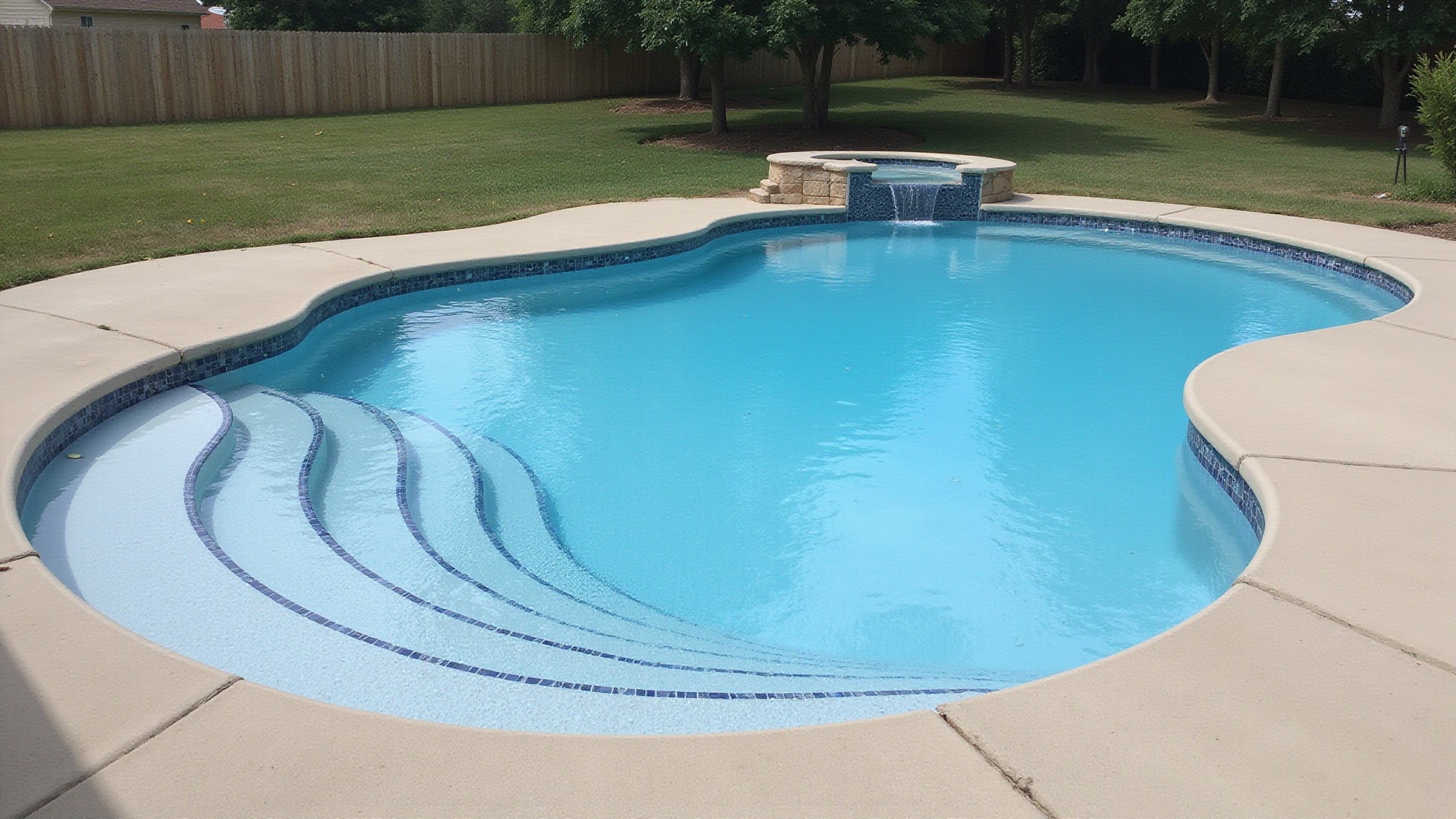
Depth directly drives both your safety profile and your construction budget. Medium-depth pools in the 5- to 6-foot range keep children and adults within a manageable reach, reducing drowning risk compared to deeper diving pools. Cost scales with depth because excavation, water volume, and structural reinforcement all increase as you dig deeper.
Consider these practical trade-offs:
- Safety: Depths of 3 to 4 feet let kids stand comfortably, while anything beyond 6 feet raises diving-related injury risk.
- Excavation cost: Going past 7.5 feet notably increases labor and material demands.
- Water volume: Deeper pools hold more gallons, raising fill, chemical, and heating expenses.
You’ll balance protection against affordability.
How do you choose the right pool depth
Match depth to how your family actually uses the pool. Start by listing your primary activities. If you’ve got young children, prioritize a 3- to 4-foot shallow end for lounging, games, and supervised play. For casual swimming and floating, a 5- to 6-foot deep end handles most needs without excessive excavation. Active families who want predictable footing should consider a uniform-depth sport pool around 4 to 5.5 feet. Avoid exceeding 6 feet unless you’re installing a diving board, since deeper water drives up construction, water volume, and maintenance costs. Pair your depth choice with a practical footprint, 14×28 to 16×32 feet suits most families. Match the profile to your users, not to diving specifications you’ll rarely need.
Conclusion: Choosing the Right Pool Depth
Many homeowners today favor pools in the shallow-to-mid range, often around 3 to 5 feet, since that depth suits lounging, games, and family use while being safer and cheaper to heat than a deep pool. Diving pools need much more depth and space. The best depth depends on how you plan to use the pool, your yard, and local code. Matching depth to your lifestyle gives you a pool everyone will actually enjoy.
Plan Your Perfect Inground Pool Today
Understanding backyard requirements, pool depth, and safety codes helps you plan smarter from day one. At Pool Doctor of the Palm Beaches in Lake Worth Beach, FL, our experienced team provides trusted New Pool Construction with full-service planning and code-compliant designs. Call +1 (561) 586-2815 today and get your free consultation.
Frequently Asked Questions
How Deep Must a Pool Be for a Diving Board?
Diving requires significant depth for safety, typically around 8 to 9 feet or more in the deep end, along with specific slope and length requirements set by safety standards and local code. A pool that is too shallow is dangerous for diving. If you want a diving board, confirm the required depth and dimensions with a pool professional.
What Is the Minimum Depth for Above-Ground Pools?
Above ground pools are usually around 4 feet deep, which suits general swimming and play but is not deep enough for diving. Some models are shallower. The right depth depends on who will use it and how, and diving should never be done in an above ground pool because of the shallow depth.
Can I Change My Existing Pool’s Depth Later?
It is possible but not simple. Making a pool deeper or shallower is a significant renovation involving the structure, plumbing, and finish, so it costs more than a surface change. Adding a shallow area or a bench is more common than a full depth change. A pool professional can assess what your pool allows.
Do Local Building Codes Regulate Residential Pool Depth?
Codes focus more on safety features like barriers, depth markings, and diving requirements than on setting one required depth, but diving areas do have depth rules. Requirements vary by location. Check with your local building department when planning depth, especially if you want a deep end or a diving board.
How Does Pool Depth Affect Water Heating Costs?
A deeper pool holds more water, which takes more energy and time to heat and to maintain temperature, so it costs more to heat than a shallow one. If heating cost matters, a shallower pool is more economical. A cover also helps any pool retain heat and cut heating bills.